Global Americas Indigenous & Colonial Fusion
Pre-Columbian indigenous traditions and colonial-era syncretic dances from the Americas, blending indigenous, African, and European elements.
2 dance styles in this genre
Historical Origins
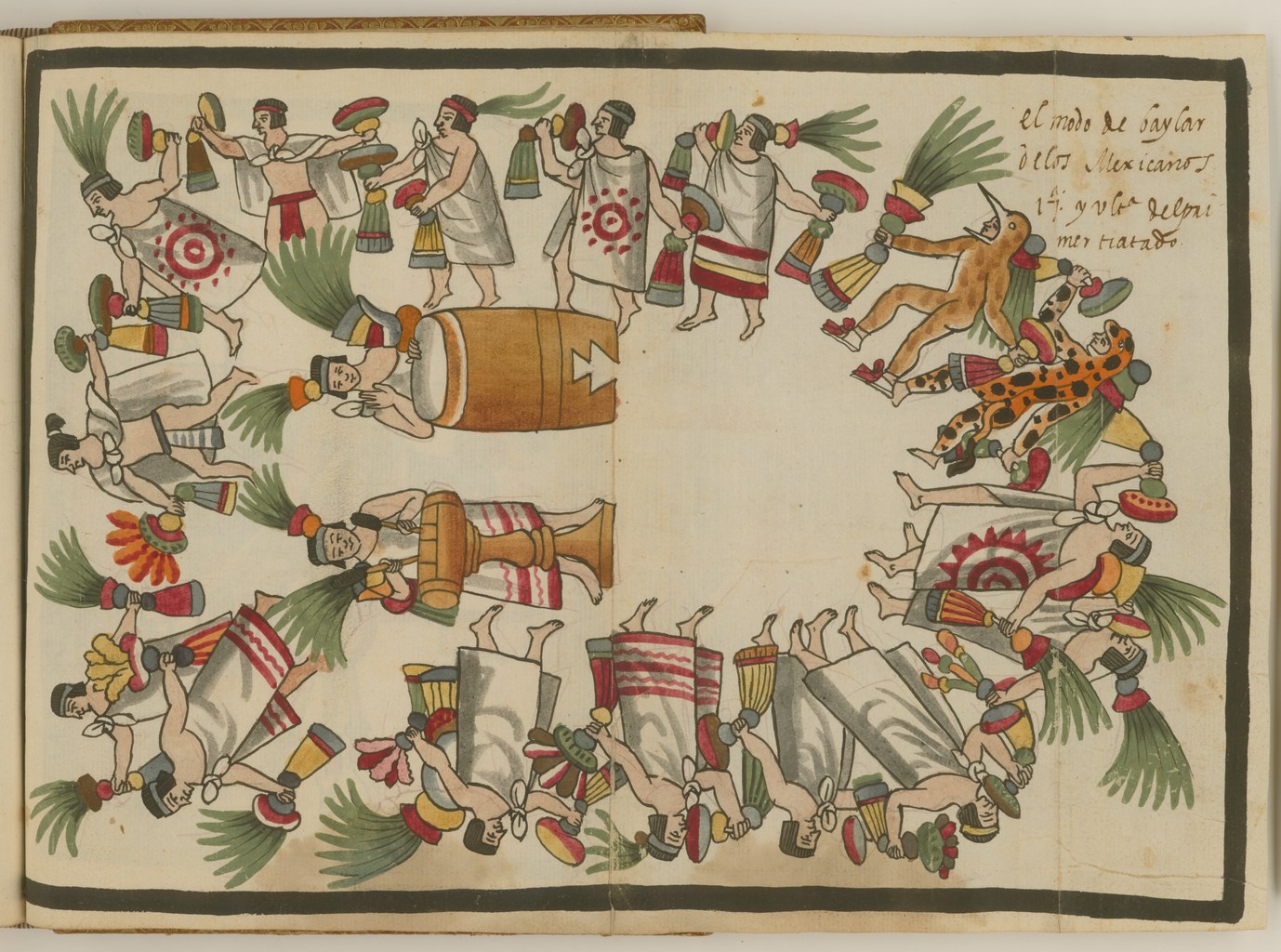
Indigenous Americas dances and colonial fusion forms developed over thousands of years of Indigenous cultural evolution, disrupted and transformed by European colonization. Pre-Columbian Indigenous civilizations throughout North, Central, and South America developed sophisticated dance traditions integrated with music, spirituality, and community life. Mesoamerican civilizations (Aztec, Maya), Andean civilizations (Inca), and diverse North American Indigenous nations maintained distinct dance traditions. European colonization fundamentally disrupted these traditions through cultural suppression, enslavement, and religious conversion. Fusion dances emerged as Indigenous, European, and African traditions blended through colonial encounter. Contemporary Indigenous dance traditions represent both survival and reinvention—maintaining core elements of pre-Columbian traditions while adapting to changed circumstances. The last several decades have witnessed Indigenous cultural revivals, with communities reclaiming, reconstructing, and reinventing ancestral dance traditions.
Cultural Significance
Many Indigenous Americas dance traditions are ceremonial: they mark the agricultural year, accompany healing or initiation rites, or are performed at community gatherings. The U.S. Congress did not legalize uncensored Native American ceremonial dance and music until passage of the American Indian Religious Freedom Act in 1978; Canada's Indian Act ceremonial-dance bans persisted in various forms from 1884 to 1951. Contemporary performances often function simultaneously as ceremony, art, and assertion of cultural continuity after this history of suppression. Contemporary Indigenous dance revivals represent cultural sovereignty and resistance to ongoing colonialism. These dances carry significance as records of pre-Columbian civilizations and Indigenous philosophical worldviews. For diaspora and mixed-heritage communities, these dances provide connection to ancestral heritage. The dances maintain significance as Indigenous intellectual and artistic contributions often underrepresented in mainstream cultural narratives. Fusion dances represent the complex historical experiences of colonial encounter, cultural survival, and creative adaptation.
Musical Characteristics
Indigenous Americas music features diverse traditions reflecting continental and cultural diversity. Traditional Indigenous music often emphasizes percussion and wind instruments—drums, rattles, flutes, pan pipes—with vocal elements in various styles from chanting to singing. Rhythmic structure varies sharply across regions: many North American Indigenous traditions use a single accompanying drum with a steady duple pulse, while Afro-Latin colonial-fusion forms (e.g., samba, son cubano) carry the polyrhythmic complexity inherited from West African musical traditions. Andean and Mesoamerican ceremonial music more often features layered wind instruments over duple or ternary percussion. The music often connects to natural sounds, ceremonial contexts, and spiritual or seasonal cycles. Fusion music blends Indigenous musical elements with European harmonic traditions and African rhythmic contributions. Contemporary Indigenous music ranges from reconstructions of traditional forms to modern Indigenous popular music incorporating global influences. The music emphasizes the music-dance connection, with music integral to dance's cultural functions and spiritual significance.
Core Movement Principles
Indigenous Americas dances feature diverse movement vocabularies reflecting different cultural contexts and historical experiences. Traditional dances often incorporate specific movements with cultural and spiritual meanings—gestures representing animals, natural forces, or spiritual entities. Many Indigenous Americas traditions use a low, weighted body posture with flat-footed or heel-emphasised steps (documented in Pow-Wow categories, Pueblo line dances, and Andean folkloric forms such as huayno). Syncopated footwork appears most strongly in colonial-fusion forms — samba, mambo, son cubano — where it derives from West African polyrhythmic accompaniment patterns rather than from pre-Columbian Indigenous practice. Upper body movement may be relatively quiet or emphatic depending on cultural tradition. Group formations often feature circles, lines, or responsive patterns reflecting community participation. Some traditions emphasize solo virtuosity, others emphasize collective participation. Movement often integrates with music complexly, with dancers responding to multiple simultaneous rhythmic layers. The movement overall emphasizes cultural meaning, spiritual connection, and community participation.
Modern Usage
Indigenous Americas dances are actively practiced in Indigenous communities throughout the Americas, in diaspora and heritage communities, and among practitioners interested in Indigenous cultures. Ceremonial and cultural dances remain essential to many Indigenous communities' spiritual and social practices. Contemporary Indigenous dancers and choreographers create new work drawing from traditional forms while engaging modern artistic concerns. Professional touring companies perform Indigenous dance in concert and festival settings. Cultural centers, museums, and educational institutions teach Indigenous dance traditions. The international indigenous dance festival circuit provides platforms for Indigenous artists. Indigenous dance maintains cultural and political significance in contexts of cultural survival and assertion of Indigenous rights. The dances continue to evolve as living traditions within Indigenous communities while gaining international recognition and appreciation.
Dance Styles
Danza Azteca (Concheros)
Syncretic dance blending pre-Hispanic and Christian elements; performed since early colonial period with feathered regalia.
Baile Conquista
Dance-drama depicting Spanish conquest; performed in Guatemala and other Maya regions.
Global Americas Indigenous & Colonial Fusion on screen
Films and television where global americas indigenous & colonial fusion appears, with the sequences worth watching for.
 Madame Satã (2002)1 sequence indexedCapoeira defense against police officersTraditional Aztec Dancing (2021)1 sequence indexedDanza Azteca at the Cesar Chavez Celebration
Poster artwork from TMDB.
 This site uses TMDB and the TMDB APIs but is not endorsed, certified, or otherwise approved by TMDB.
Global Americas Indigenous & Colonial Fusion FAQs
Global Americas Indigenous & Colonial Fusion in art
Browse the gallery →Works our catalogue identifies as depicting global americas indigenous & colonial fusion.
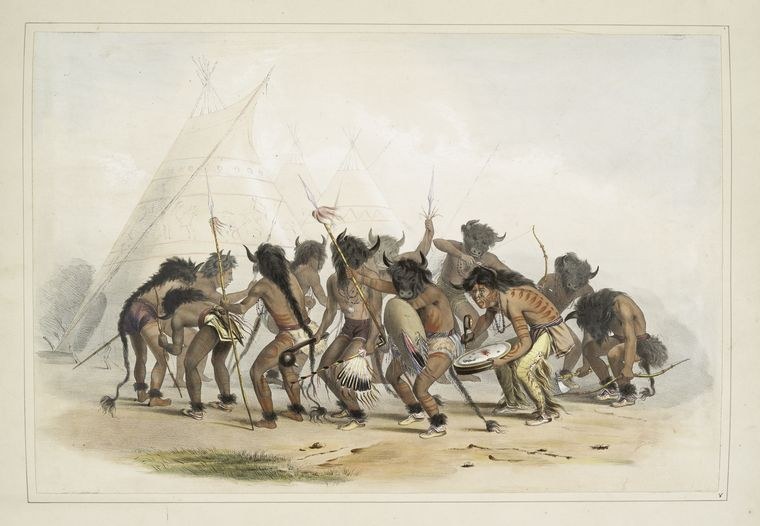
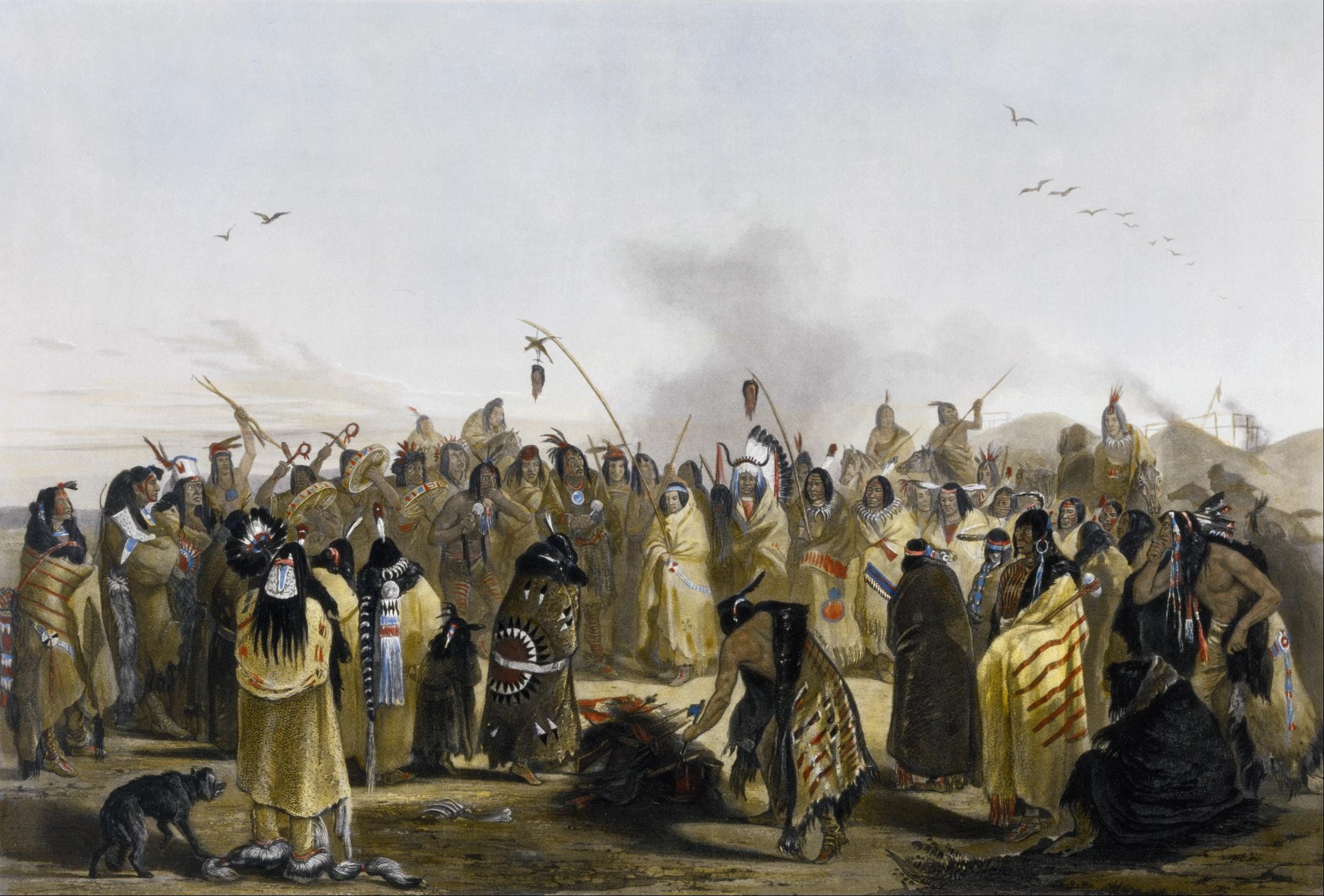
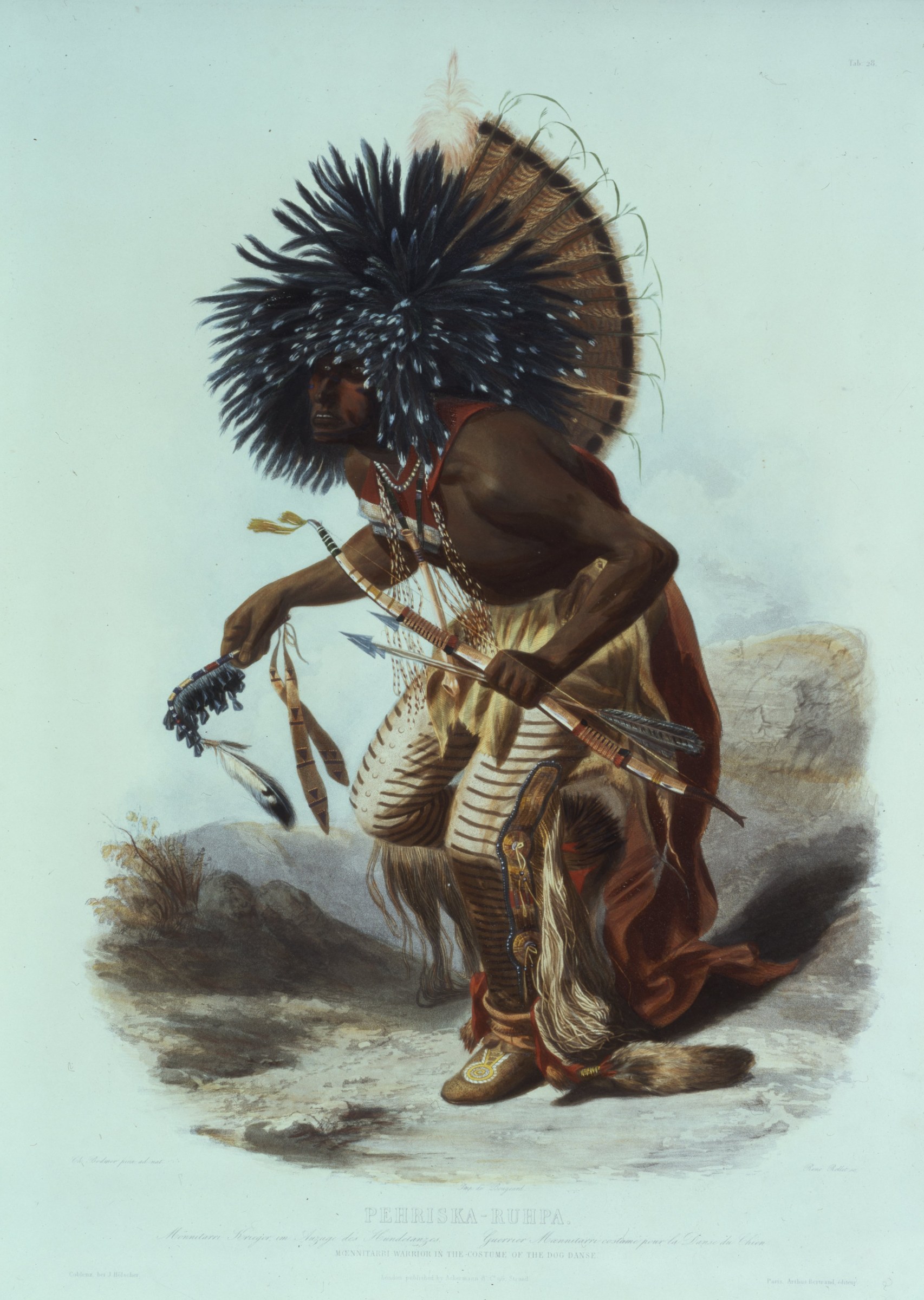
Buffalo dance.
Unknown artist · 2014
public_domain
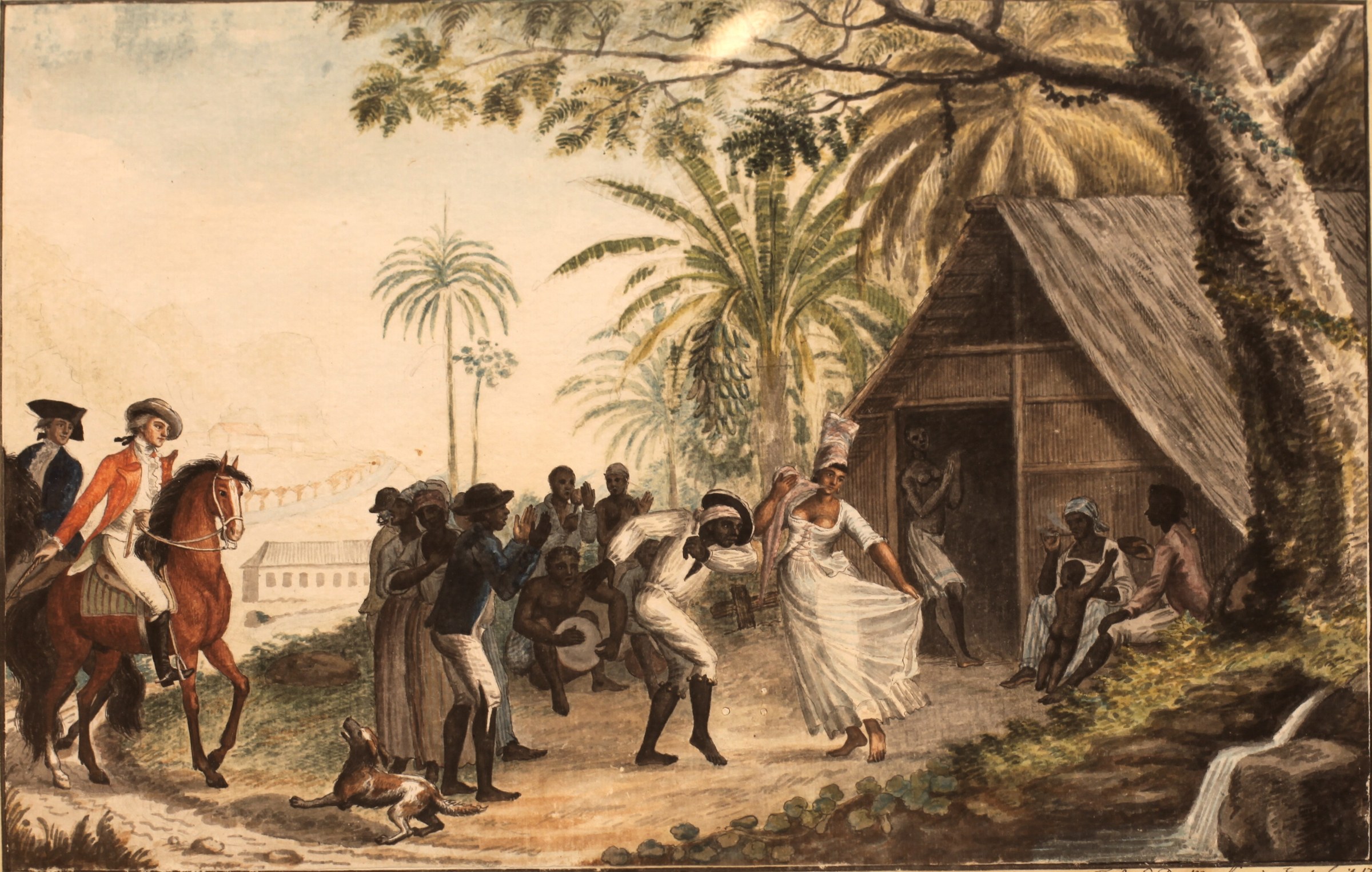
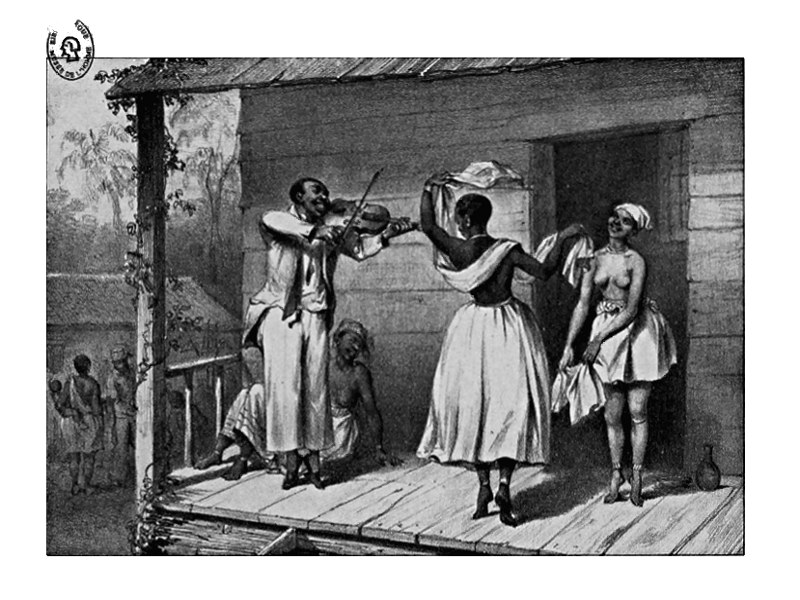
Pierre Jacques Benoit.- La leçon de danse au violon Surinam, 1839
Pierre Jacques Benoît · 2015
Public Domain
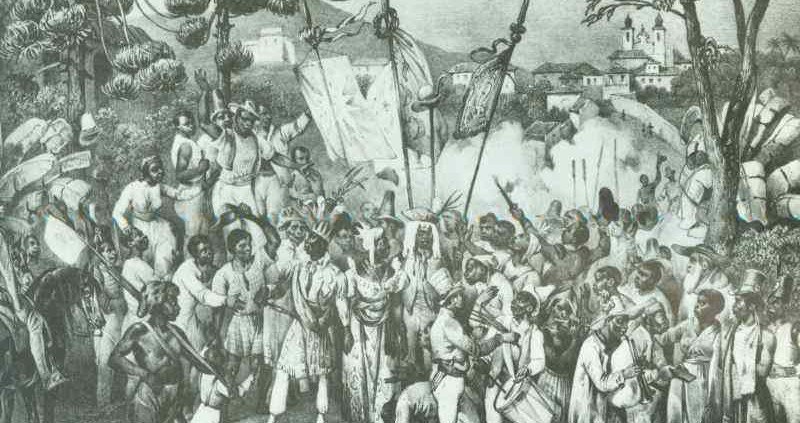
Rugendascongada
Johann Moritz Rugendas · 1835
Public Domain