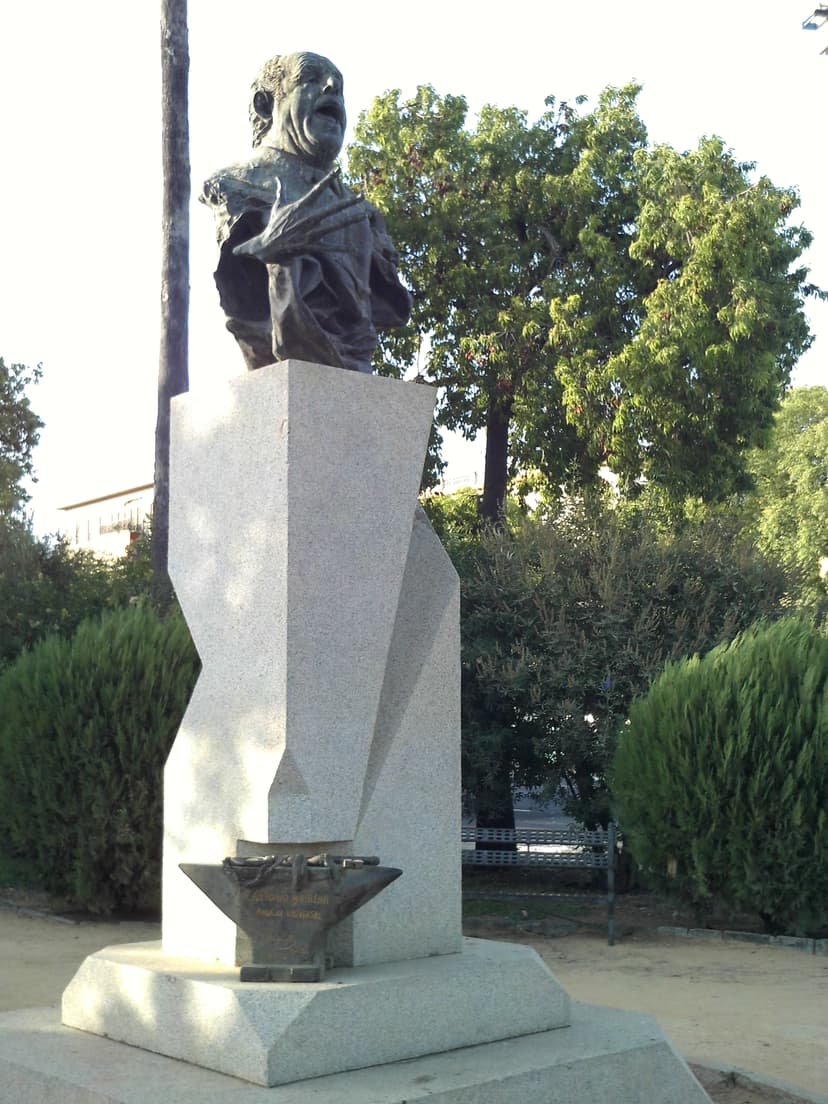
Antonio Mairena
Legend of Dance
Why They Matter
Mairena matters to dance because flamenco movement does not exist independently of cante. His weighty phrasing, command of compás, dramatic stretching of a line, and repertory of soleares, seguiriyas, bulerías, tangos, tonás, and related forms supplied dancers with both rhythmic architecture and…
Biography
Antonio Cruz García, known professionally as Antonio Mairena, was born on 7 September 1909 in Mairena del Alcor, a town in Seville, Spain, into a Gitano family with deep roots in blacksmithing and flamenco. His father's forge served as an early listening space where young Antonio absorbed singing from Manuel Torre, Joaquín el de la Paula, and other masters of the tradition. He first performed publicly as a child and won his first major prize in 1924 at the Alcalá de Guadaíra fair contest, singing seguiriya and soleá.
By 1930, Mairena was performing at Seville's Kursaal Internacional with guitarist Javier Molina, and his reputation grew further through saeta performances during Holy Week in 1933. After the Spanish Civil War, he recorded with guitarist Esteban de Sanlúcar and joined professional flamenco companies and venues, working alongside dancers including Pastora Imperio, Carmen Amaya, Pilar López, and Antonio Ruiz Soler—the celebrated bailarín known as Antonio el Bailarín. As a cantaor in live performance, Mairena shaped the timing, tension, and dramatic contour that dancers depended upon, making him a crucial figure in twentieth-century flamenco dance history.
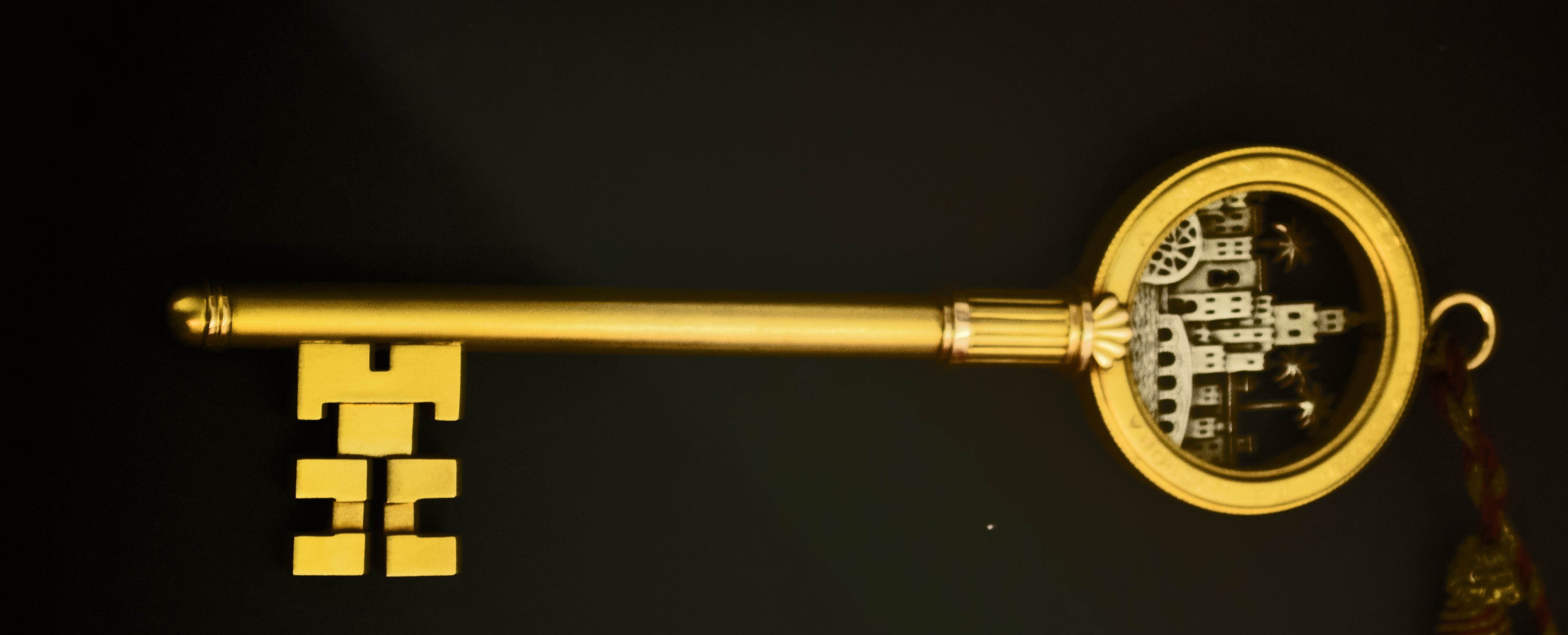
During the 1950s and 1960s, Mairena toured internationally and became increasingly identified with cante jondo, the deep song forms at flamenco's emotional and technical core. In 1959, he was named honorary director of the Jerez Chair of Flamencology and Andalusian Folklore Studies. Three years later, in 1962, he won the third Llave de Oro del Cante at the Córdoba competition, a career-defining honor that remains part of ongoing scholarly discussion about how flamenco's traditional repertory has been documented and valued.
That same year, Mairena helped establish the festival in Mairena del Alcor as a benefit event and directed its early development into a major venue for traditional cante. In 1963, working with poet Ricardo Molina, he published *Mundo y formas del cante flamenco*, a foundational book proposing a history and classification of flamenco forms centered on cante gitano-andaluz. His recording career expanded into ambitious anthologies, including *Cien años de cante gitano* and the three-LP set *La gran historia del cante gitano-andaluz* (1966), which documented a wide spectrum of regional and stylistic variations.
Mairena received honors from Seville, Mairena del Alcor, the Spanish labor and fine-arts authorities, and posthumously from Andalusia, including the Gold Medal of Fine Arts and recognition as the first Favorite Son of Andalusia in 1983. His health limited performance from the mid-1970s onward. He died of a heart attack on 5 September 1983 at Virgen del Rocío hospital in Seville, two days before his seventy-fourth birthday.
Mairena's legacy remains inseparable from debate about how flamenco tradition is preserved and transmitted. Admirers credit his singing, recordings, writing, and festival with recovering or stabilizing endangered forms and making deep cante newly legible to institutions and audiences beyond Andalusia. Critics have argued that his theory could narrow flamenco's history or present creative reconstructions as ancient survivals. Both his enormous musical achievement and the contested nature of his historical claims continue to shape how dancers, singers, and scholars understand the tradition.
Career Highlights
Won first prize at the Alcalá de Guadaíra fair contest singing seguiriya and soleá. Source Source
Performed at Seville’s Kursaal Internacional with guitarist Javier Molina. Source Source
Issued early commercial recordings of bulerías and fandangos for Odeón. Source Source
Became honorary director of the Jerez Chair of Flamencology and Andalusian Folklore Studies. Source Source
Received the third Llave de Oro del Cante at the Córdoba competition. Source Source
Helped launch the festival in Mairena del Alcor, initially as a charitable event. Source Source
Published Mundo y formas del cante flamenco with Ricardo Molina. Source Source
Released the three-LP La gran historia del cante gitano-andaluz. Source Source
Was named Adopted Son of Seville. Source Source
Received the Gold Medal of Fine Arts and was named the first Favorite Son of Andalusia. Source Source
Gallery
Legacy & Impact
Mairena matters to dance because flamenco movement cannot be separated from cante. His command of compás, dramatic phrasing, and deep knowledge of soleares, seguiriyas, bulerías, tangos, and tonás supplied dancers with both rhythmic architecture and emotional stakes in live performance. Beyond his work as a cantaor, his recordings and festival helped establish which forms and interpretations later dancers, singers, and teachers encountered as traditional canon—a role that continues to influence how flamenco is learned and performed today.


Explore More Legends
Discover the dancers, teachers, choreographers, and cultural icons who shaped how the world moves.
Keep the thread going
Dance history, technique, and the occasional rabbit hole — in your inbox. Thoughtful, infrequent, unsubscribe anytime.
Free. No spam. One click to leave.