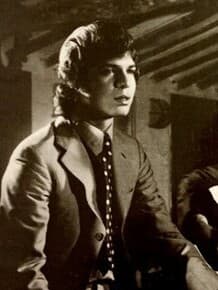
Camaron De La Isla
Legend of Dance
Why They Matter
Camarón matters to dance because flamenco movement is inseparable from cante, compás and the live negotiation among singer, guitarist and dancer. His recordings made inherited palos newly audible to mass audiences while his vocal timing complicated simple, metronomic readings of rhythm. Dancers…
Styles Camaron De La Isla shaped
Each one links to the style’s own page — its origins, music, tempo and video.
Biography
José Monje Cruz, known professionally as Camarón de la Isla, was born on 5 December 1950 in San Fernando, Cádiz, Spain. He took his stage name from a family nickname and his birthplace's association with the Isla de León. Growing up around flamenco singing, Camarón performed for money as a child before beginning his professional career at sixteen, singing in the companies of Miguel de los Reyes and Dolores Vargas after years in local ventas and fiestas.
In Madrid, Camarón became closely associated with the tablao Torres Bermejas and with guitarist Paco de Lucía. Beginning in 1969, the two made a sequence of albums—nine records across their initial partnership through 1977—that retained the named flamenco palos while allowing Camarón's phrasing, grain and dramatic timing to become increasingly individual. These collaborations involved guitarists and writers including Ramón de Algeciras, Pepe de Lucía and Antonio Sánchez Pecino.
The 1979 album *La leyenda del tiempo*, produced by Ricardo Pachón, marked the clearest public break in Camarón's recorded sound. It introduced rock and jazz influences and featured musicians including Tomatito, Raimundo Amador and Jorge Pardo alongside expanded ensemble colors. The tracks ranged across jaleos, bulerías, cantiñas, rumba, alegrías, tangos and a nana, integrating electric instruments throughout. The album was controversial on release but later became a central reference point for nuevo flamenco.
After this experiment, Camarón continued recording repertory grounded in flamenco forms, working especially with Tomatito and returning to Paco de Lucía on later projects. Songs such as *Como el agua*, *Rosa María*, *Soy gitano* and *Volando voy* circulated far beyond specialist flamenco audiences. The breadth of his catalogue reflected distinct palos—bulerías, soleá, tangos, fandangos, taranta and rumba—each carrying different rhythmic, tonal and social histories.
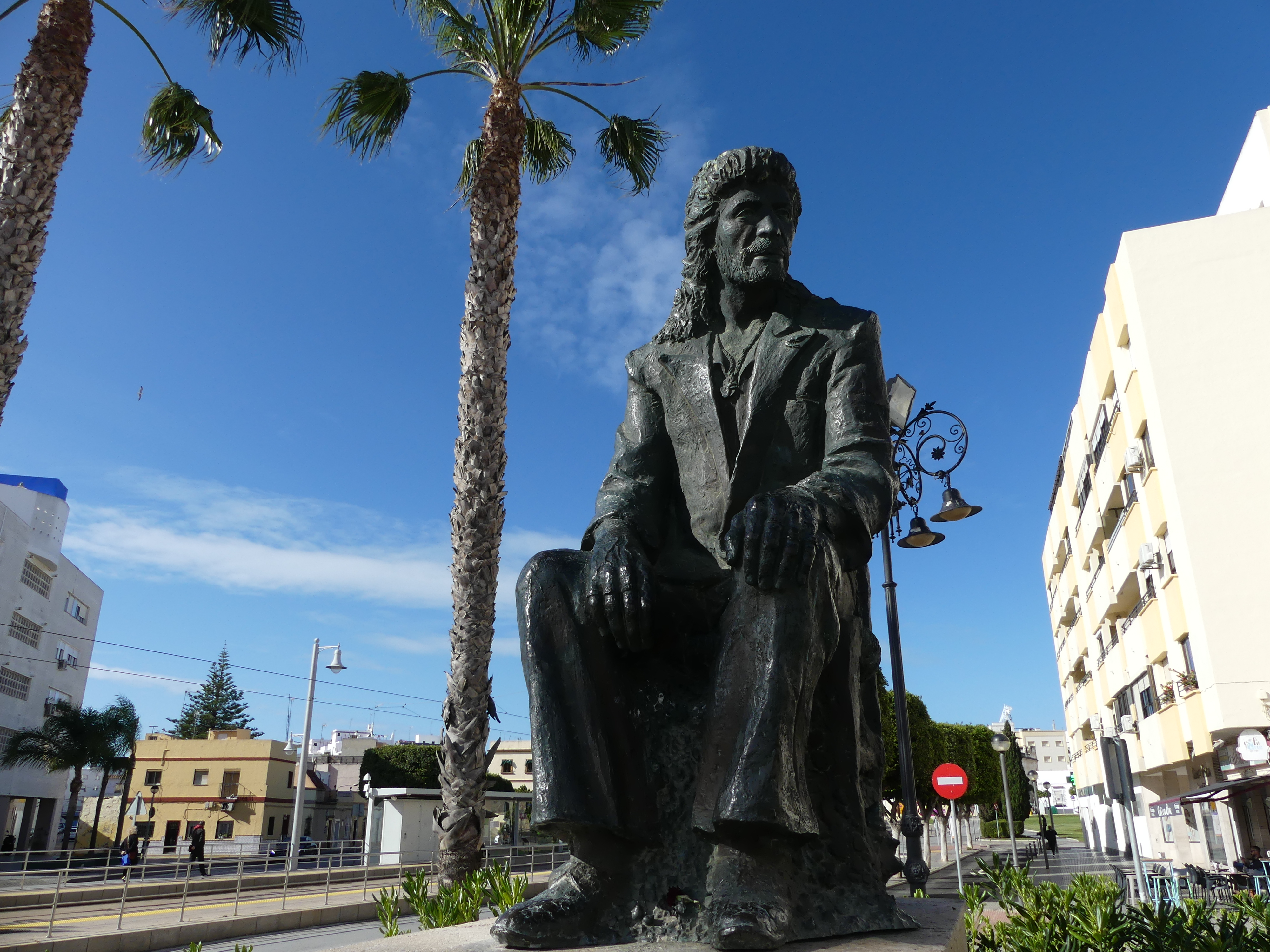
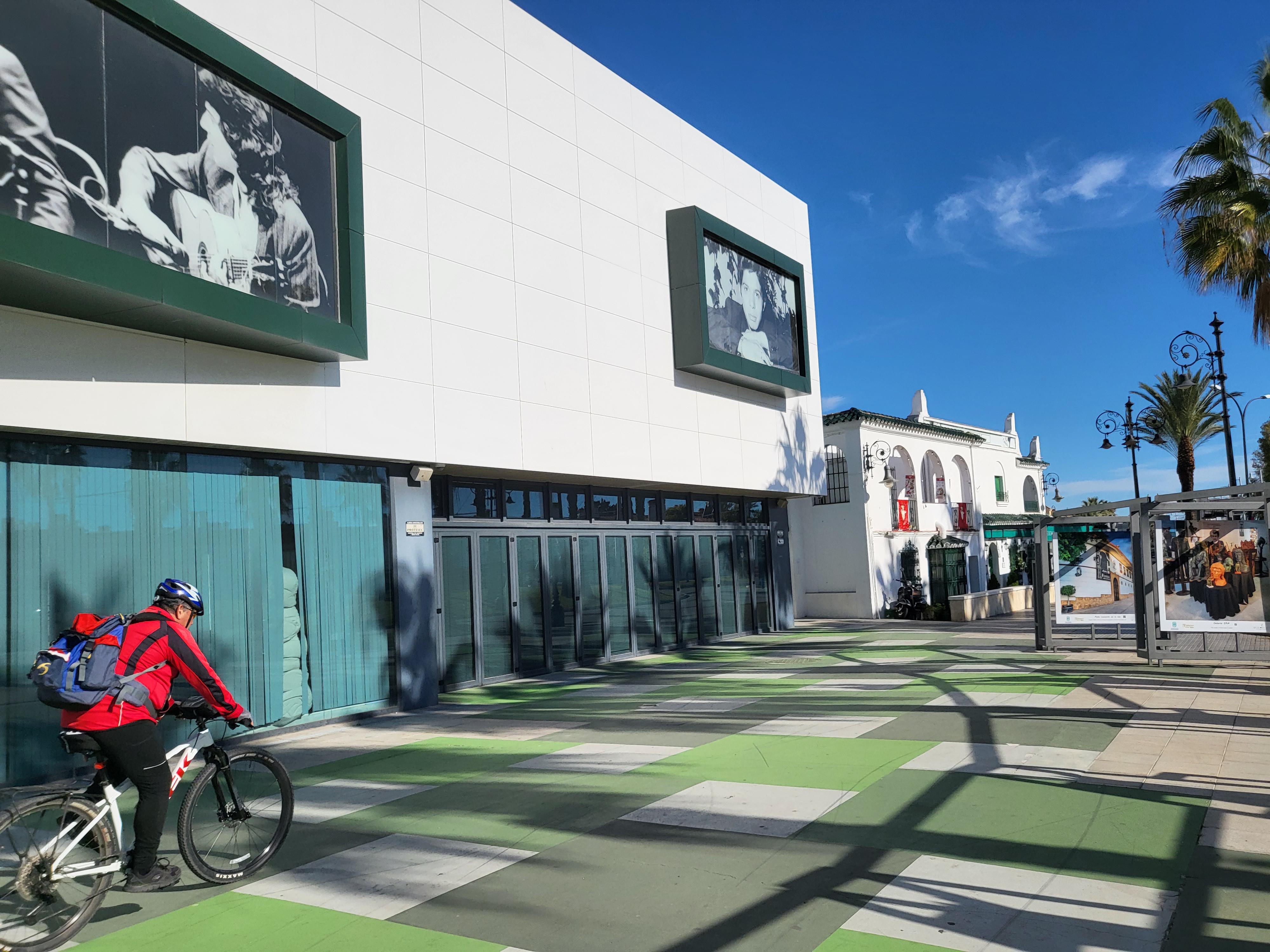
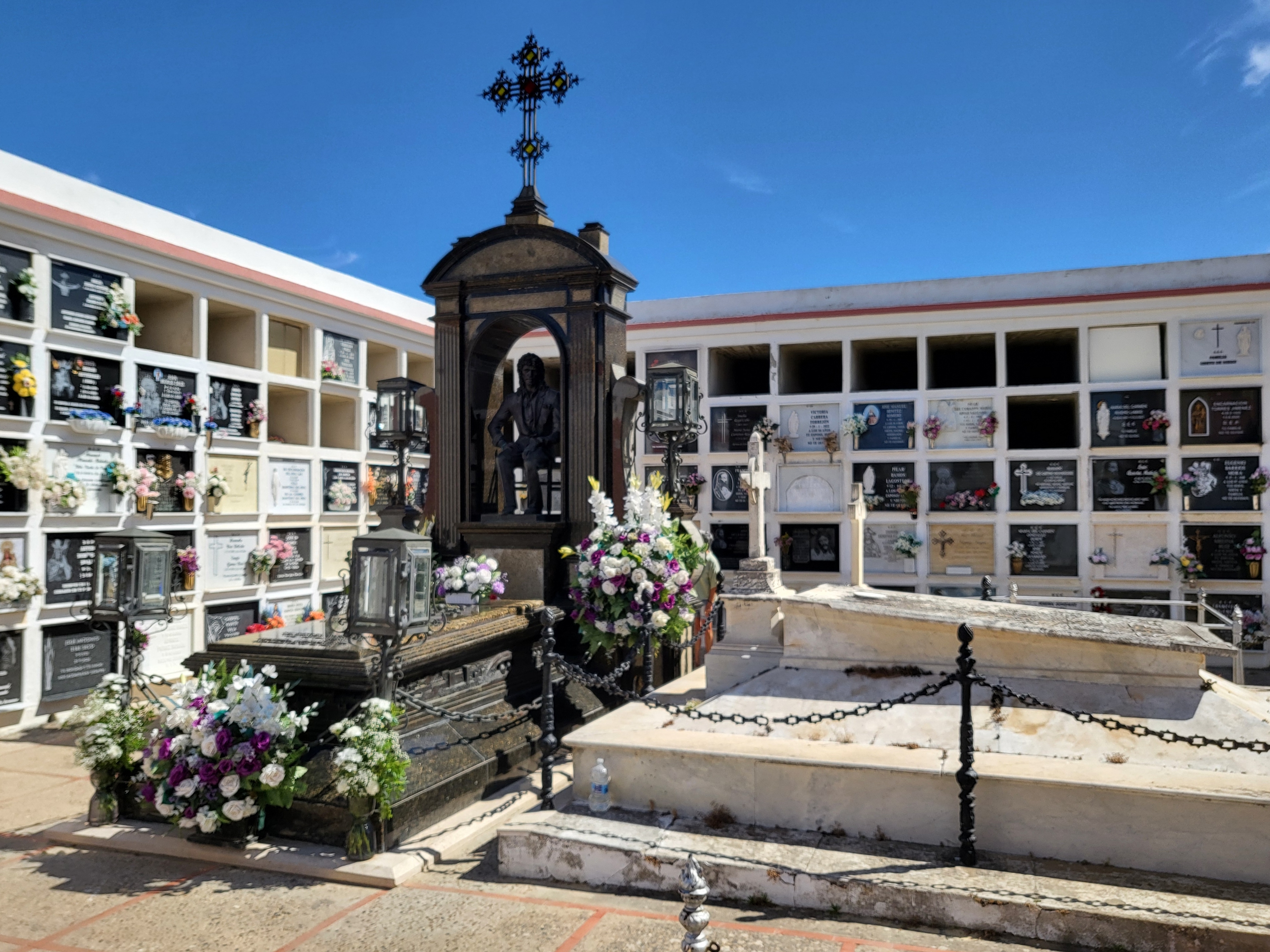
Camarón died in Badalona on 2 July 1992, aged forty-one. His death brought widespread public mourning, and Andalusian institutions subsequently formalized his exceptional standing. He received the Gold Medal of Andalusia posthumously in 1993 and the Llave de Oro del Cante in 2000, an honor granted only a handful of times since the nineteenth century. An interpretation center opened in San Fernando in 2021, organizing its account of his life around "Origin, Legend and Revolution" and holding family objects and extensive audiovisual materials.
Career Highlights
Began a professional stage career at sixteen with the companies of Miguel de los Reyes and Dolores Vargas. Junta de Andalucía Junta de Andalucía
Released the first album in his major recording partnership with Paco de Lucía. Junta de Andalucía education resource Junta de Andalucía education resource
Appeared at age twenty-three in RTVE's Rito y geografía del cante, filmed in a Madrid studio and in San Fernando. Instituto Andaluz del Flamenco Instituto Andaluz del Flamenco
Completed the initial nine-album sequence with Paco de Lucía. Junta de Andalucía education resource Junta de Andalucía education resource
Released La leyenda del tiempo, produced by Ricardo Pachón and incorporating rock, jazz and expanded instrumentation. Universal Music Spain Universal Music Spain
Released Como el agua, reconnecting with Paco de Lucía while continuing the expanded post-1979 sound. Universal Music Spain Universal Music Spain
Released Soy gitano, one of the late studio landmarks represented in Universal's career anthology. Universal Music Spain Universal Music Spain
Released Potro de rabia y miel and died on 2 July in Badalona. Instituto Andaluz del Flamenco Instituto Andaluz del Flamenco
Received the Gold Medal of Andalusia posthumously. Junta de Andalucía Junta de Andalucía
Received the Llave de Oro del Cante posthumously. Junta de Andalucía Junta de Andalucía
The Centro de Interpretación Camarón de la Isla opened in San Fernando. Instituto Andaluz del Flamenco Instituto Andaluz del Flamenco
Gallery
Legacy & Impact
Camarón matters to flamenco dancers because cante, compás and the live negotiation among singer, guitarist and dancer are inseparable. His recordings made inherited palos newly audible to mass audiences while his vocal timing complicated metronomic readings of rhythm. Dancers encounter his legacy in the specific demands of each palo and in the permission his work gave artists to innovate without treating tradition as disposable. His vocal elasticity and structural invention changed the environment in which late-twentieth-century flamenco dance developed.


Explore More Legends
Discover the dancers, teachers, choreographers, and cultural icons who shaped how the world moves.
Keep the thread going
Dance history, technique, and the occasional rabbit hole — in your inbox. Thoughtful, infrequent, unsubscribe anytime.
Free. No spam. One click to leave.