Performer · Stage Icon
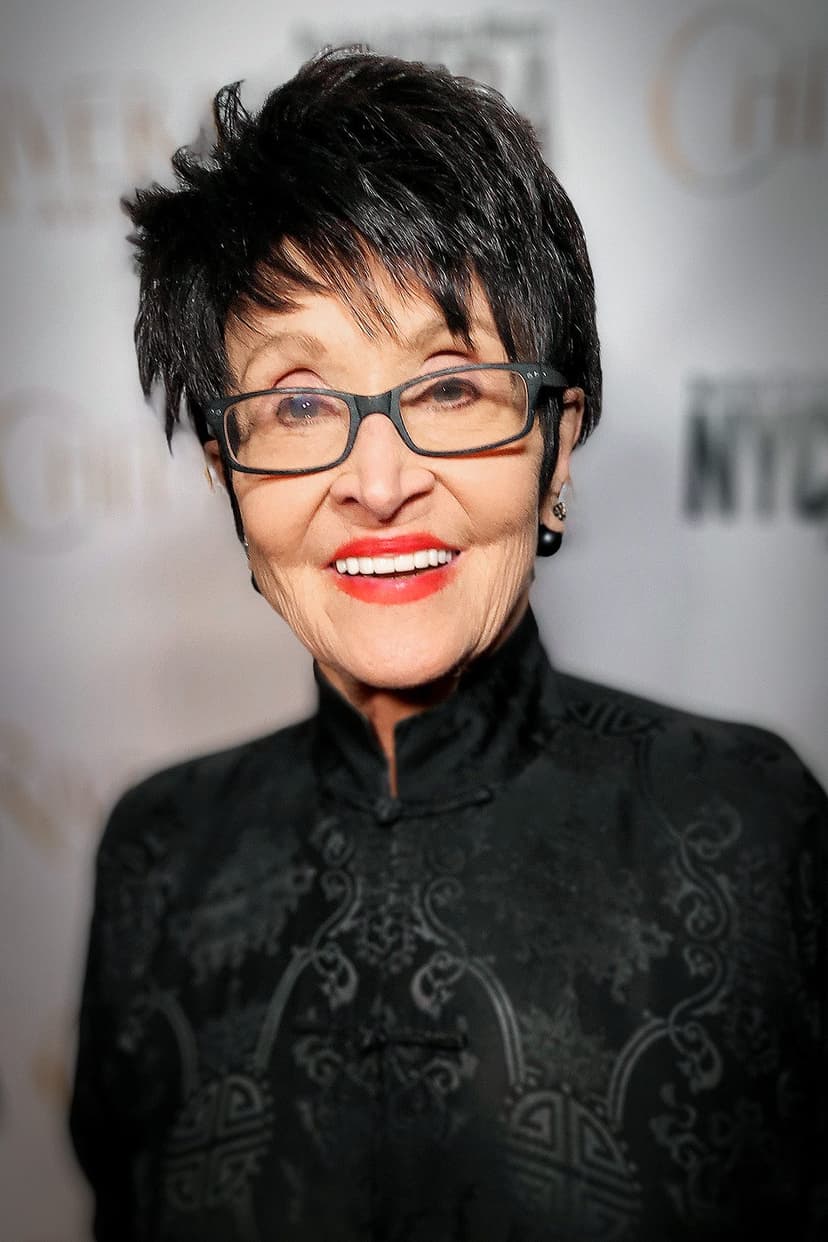
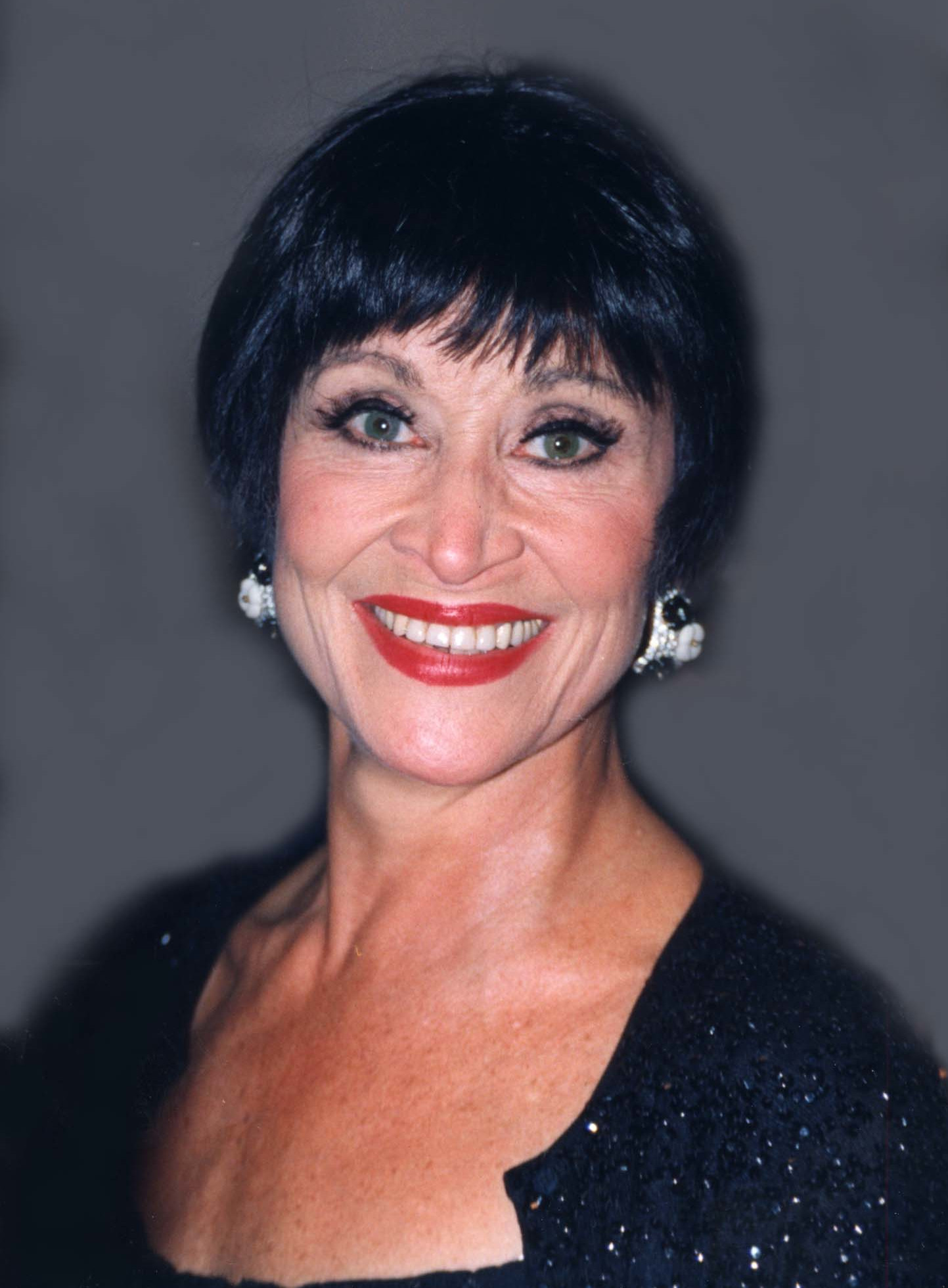
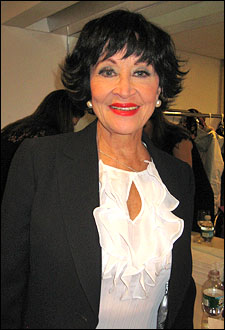
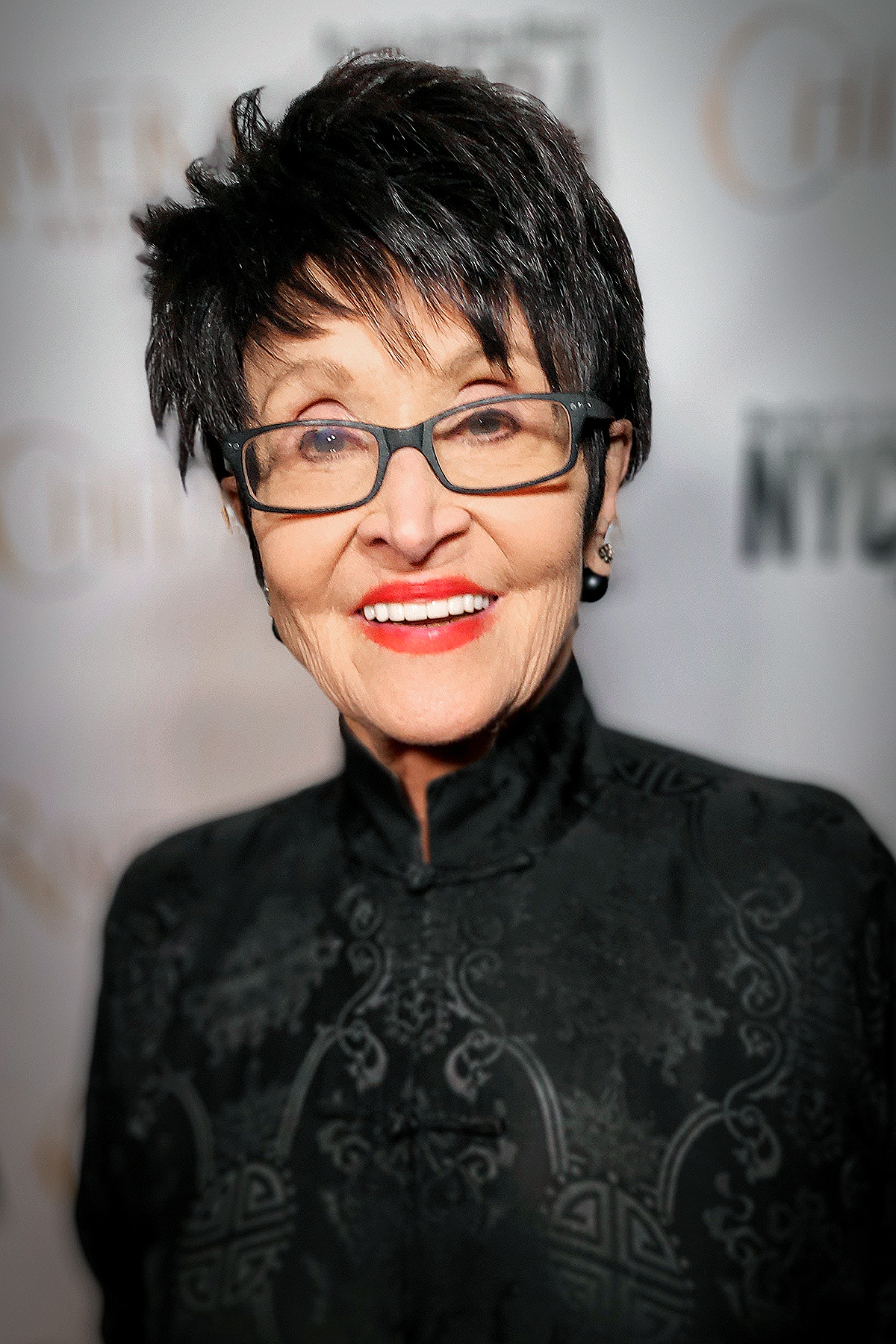
Chita Rivera
Broadway's Eternal Flame
Why They Matter
She defined Broadway dance excellence across multiple eras and proved that a Latina woman could be Broadway's biggest star.
Known For
Biography
Dolores Conchita Figueroa del Rivero was born in Washington, D.C., on January 23, 1933, one of five children of a Puerto Rico-born U.S. Navy Band musician who died when she was seven. A physically irrepressible child, she was directed toward ballet, training at Washington's Jones-Haywood Dance School before winning a scholarship, at about fourteen, to the School of American Ballet in New York, where she studied with Muriel Stuart, Anatole Oboukhoff and Felia Doubrovska. That classical foundation - speed, balance, clean placement and disciplined rehearsal - underpinned everything she later did on Broadway.
Her first professional work came in the touring company of Call Me Madam, choreographed by Jerome Robbins, followed by replacement and touring assignments in Guys and Dolls and Can-Can under the name Conchita Del Rivero. Her star-making role arrived in 1957, when she originated Anita in the original Broadway production of West Side Story - conceived and directed by Robbins, with choreography credited to Robbins and Peter Gennaro, music by Leonard Bernstein, lyrics by Stephen Sondheim and book by Arthur Laurents. Anita bound explosive ensemble dancing to wit, pride and grief, helping prove that dancers could carry a musical's narrative and social tension. Rivera originated the role onstage; Rita Moreno and Ariana DeBose played Anita in the 1961 and 2021 films.
She next originated Rose Grant in Bye Bye Birdie (1960), directed and choreographed by Gower Champion, earning her first Tony nomination opposite Dick Van Dyke. In 1975 she originated Velma Kelly, opposite Gwen Verdon's Roxie Hart, in Chicago - Bob Fosse directing and choreographing, with a John Kander and Fred Ebb score - turning hard angles, syncopation, isolation and vaudeville address into an anatomy of ruthless self-promotion.
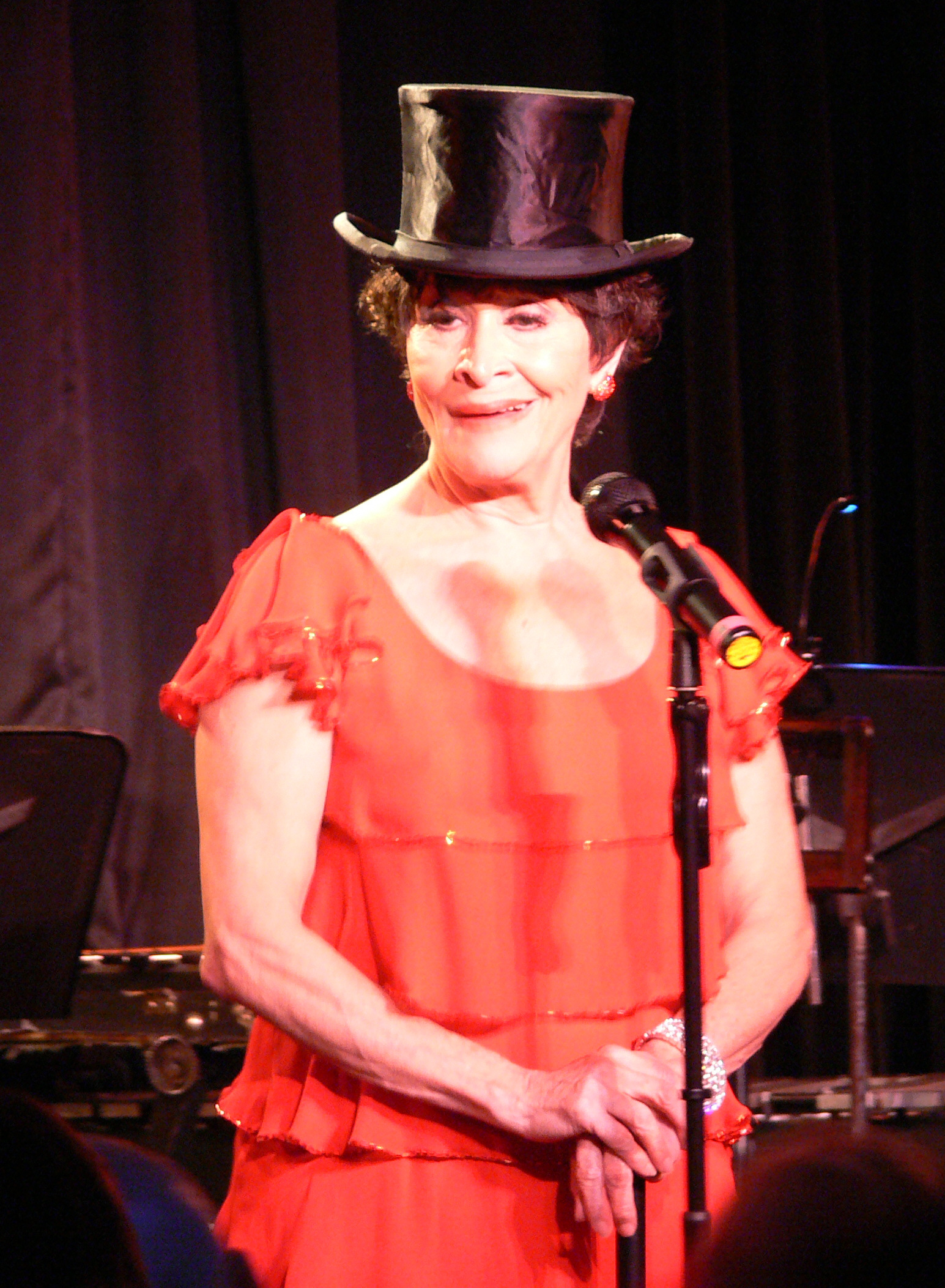
After winning her first competitive Tony in 1984 for Anna in The Rink, Rivera suffered severe multiple leg fractures in a 1986 car collision that required extensive surgery and lengthy rehabilitation. She rebuilt her capacity in cabaret and touring work, led a national revival of Can-Can, and reached a new summit with Kander and Ebb's Kiss of the Spider Woman (1993, directed by Harold Prince), winning a second competitive Tony. Increasingly she could command the stage through economy - a held line, an exact pivot, a measured walk - as powerfully as through youthful athleticism.
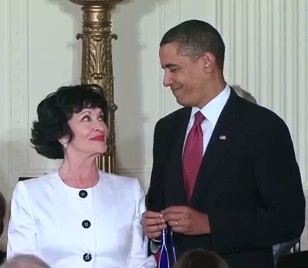
Her honors recognized both artistry and cultural consequence: she became the first Hispanic American Kennedy Center Honoree (2002), received the Presidential Medal of Freedom (2009), and accepted a Special Tony Award for Lifetime Achievement in the Theatre (2018); in 2017 the Astaire Awards were renamed the Chita Rivera Awards for Dance and Choreography. Across more than six decades - ten competitive Tony nominations and two wins - she opened lasting visibility for Latina performers while treating the ensemble, the rehearsal room and the audience as the center of theatrical life. She published Chita: A Memoir in 2023 and died in New York after a brief illness on January 30, 2024, aged 91.
Career Highlights
Entered the School of American Ballet on scholarship after foundational training at Jones-Haywood in Washington. School of American Ballet
Originated Anita in the original Broadway production of West Side Story (direction Jerome Robbins; choreography Robbins and Peter Gennaro). IBDB
Originated Rose Grant in Bye Bye Birdie, earning her first Tony nomination. IBDB
Originated Velma Kelly in Bob Fosse's Chicago, opposite Gwen Verdon.
Won her first competitive Tony and Drama Desk awards for Anna in The Rink.
Won Tony and Drama Desk awards for Aurora and the Spider Woman in Kiss of the Spider Woman.
Became the first Hispanic American to receive a Kennedy Center Honor. official site
Received the Presidential Medal of Freedom from President Barack Obama.
Made her final Broadway appearance in The Visit, earning her tenth competitive Tony nomination. IBDB
Received the Special Tony Award for Lifetime Achievement in the Theatre.
Gallery
Follow & Links
Legacy & Impact
Chita Rivera helped define the dance-acting standard of the integrated Broadway musical, where movement does not interrupt the story but discloses character, conflict and rhythm. From Anita and Rose to Velma, Anna and the Spider Woman, she charted an unusually long arc from virtuoso young dancer to commanding dramatic elder. As a Puerto Rican American who reached Broadway stardom when Latina performers were routinely stereotyped or excluded, she made possibility visible without letting identity become the only measure of her achievement - and passed on a professional ethic: know the choreography, serve the company, tell the truth of the scene, and perform fully for the audience present.


Explore More Legends
Discover the dancers, teachers, choreographers, and cultural icons who shaped how the world moves.
Keep the thread going
Dance history, technique, and the occasional rabbit hole — in your inbox. Thoughtful, infrequent, unsubscribe anytime.
Free. No spam. One click to leave.