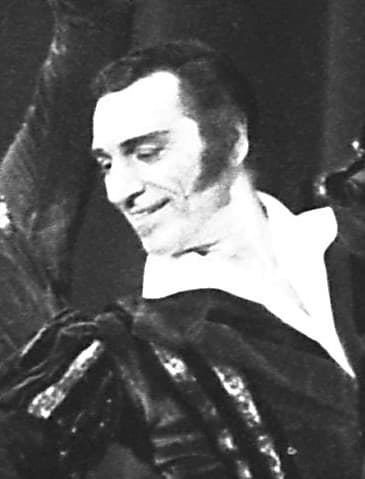
Jose Greco
Legend of Dance
Why They Matter
Greco's importance lies in scale, circulation and mediation. His company made Spanish theatrical dance a commercially powerful international attraction while film and television appearances extended that reach beyond dance audiences. The company also employed and exposed viewers to multiple…
Biography
José Greco, born Costanzo Greco on 23 December 1918 in Montorio nei Frentani, Italy, became an international star who brought Spanish theatrical dance to mass audiences across concert halls, Broadway, television and film. After spending part of his childhood in Seville, Greco's family settled in Brooklyn, New York around 1928, placing him within an immigrant performance world from which he launched his professional career in 1937. In the early 1940s, he joined La Argentinita, the renowned Encarnación López, as featured male dancer and partner. Following her death in 1945, he continued working with her sister Pilar López, touring in Europe and the Americas with companies that fused flamenco with the broader repertory of Spanish theatrical dance.
By 1949, Greco had established his own ensemble, the José Greco Spanish Dance Company, which became the major vehicle through which audiences outside Spain encountered Spanish dance. The company's repertory combined flamenco, regional Spanish forms and theatrical staging, with works including *El Cortijo*, *Bolero*, *La Castellana* and *Andalucía Flamenca*. Extensive international tours cemented his prominence, and his visibility expanded across multiple media: he appeared in films including *Sombrero* (1953), *Around the World in 80 Days* (1956) and *Ship of Fools* (1965), while television appearances brought Spanish dance into American popular entertainment formats. This multimedia presence was exceptional for a male dancer of his period working in flamenco-centered repertory.
In the 1970s, Greco and Nana Lorca founded the José Greco Foundation for Hispanic Dance and opened the Centro de Arte Español in Marbella. He published his autobiography *The Gypsy in My Soul* in 1977 and later returned to touring with members of his family while teaching at Franklin & Marshall College in Lancaster, Pennsylvania. Greco remained active in dance education until the late 1990s and died on 31 December 2000 at his Lancaster home.
Career Highlights
Began his professional dance career in New York. Washington Post/AP
Joined La Argentinita as partner and featured male dancer for an American tour. Washington Post/AP
After La Argentinita's death, continued with Pilar López's company. The Guardian
Established his own Spanish-dance company, according to contemporary retrospective accounts. The Guardian
Opened a London season at Sadler's Wells and was named a New Broadway Personality of the Year. The Guardian
Appeared in the film Sombrero. Washington Post/AP
Appeared with his troupe in Around the World in 80 Days. IMDb
Appeared in the film Ship of Fools. IMDb
Co-founded the José Greco Foundation for Hispanic Dance with Nana Lorca. NYPL graphic materials
Published The Gypsy in My Soul. NYPL graphic materials
Taught dance at Franklin & Marshall College after returning to touring with members of his family. NYPL graphic materials
Legacy & Impact
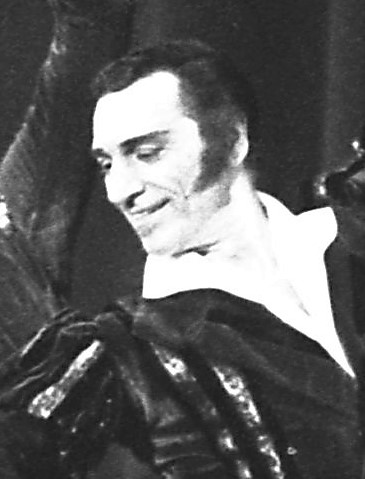
Greco's legacy rests on the scale and reach of his enterprise. His company made Spanish theatrical dance a commercially powerful international attraction while expanding audiences far beyond traditional dance venues through film and television. By employing multiple Spanish-dance specialists and establishing his foundation and family company, Greco connected celebrated performance to training and institutional continuity. His archive demonstrates that mid-century theatrical Spanish dance was a hybrid form combining regional, flamenco and staged elements—a model that shaped how Spanish dance circulated globally and how it was taught.


Explore More Legends
Discover the dancers, teachers, choreographers, and cultural icons who shaped how the world moves.
Keep the thread going
Dance history, technique, and the occasional rabbit hole — in your inbox. Thoughtful, infrequent, unsubscribe anytime.
Free. No spam. One click to leave.