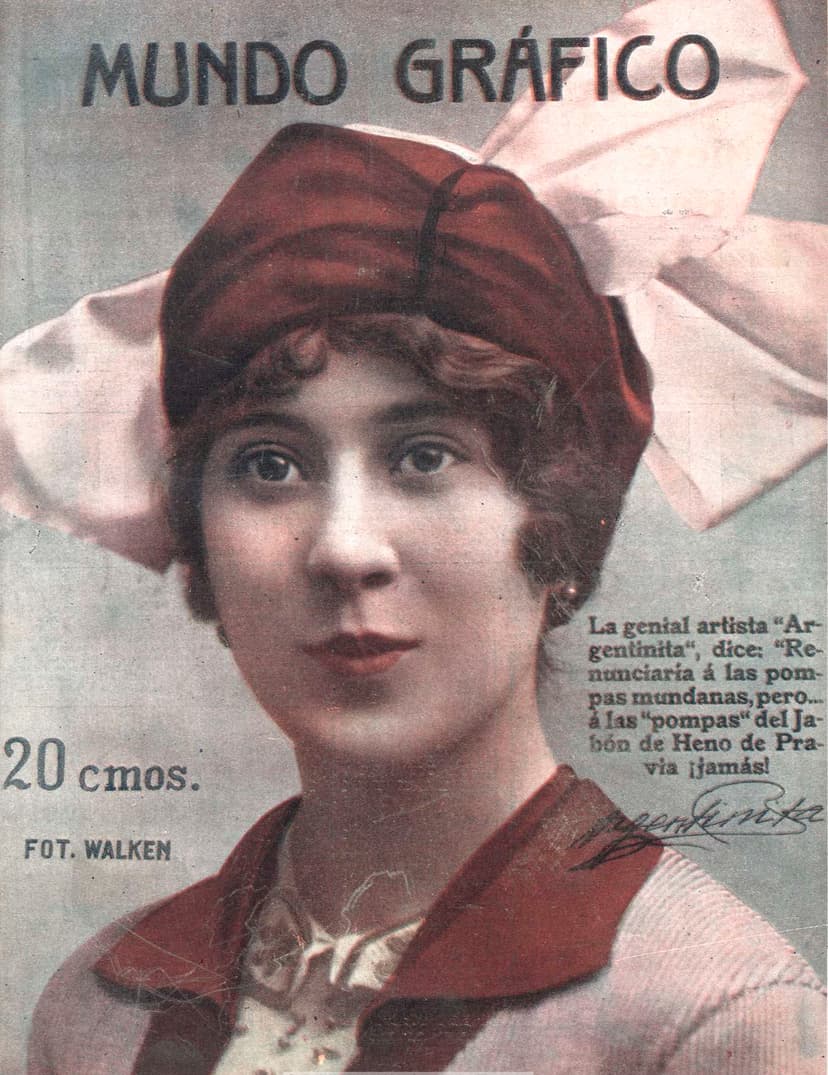
La Argentinita
Legend of Dance
Why They Matter
La Argentinita matters because she made Spanish dance legible as modern theatre without severing it from flamenco performers, regional vocabularies or popular song. Her companies assembled dancers, poets, composers, designers and musicians into coherent productions, providing a model that helped Spa
Biography
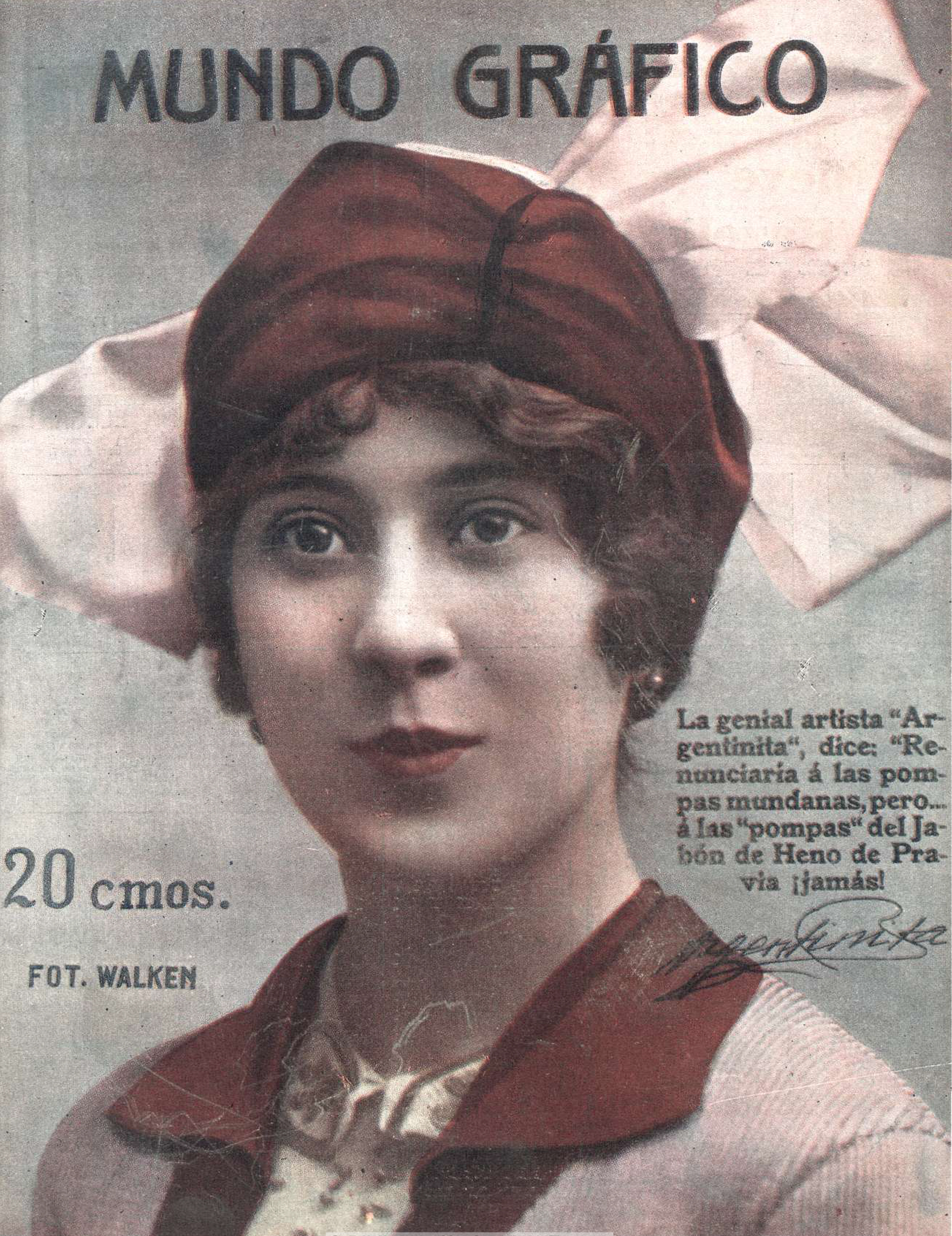
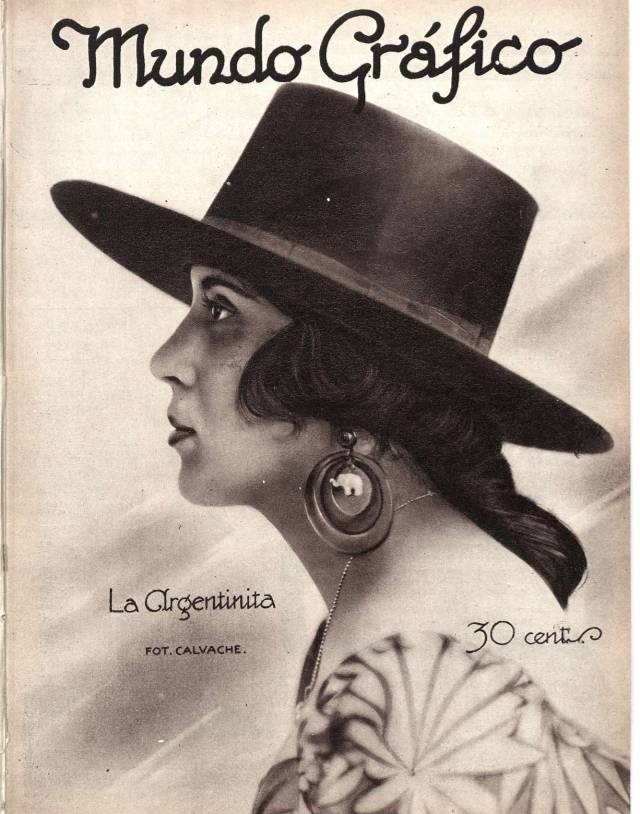
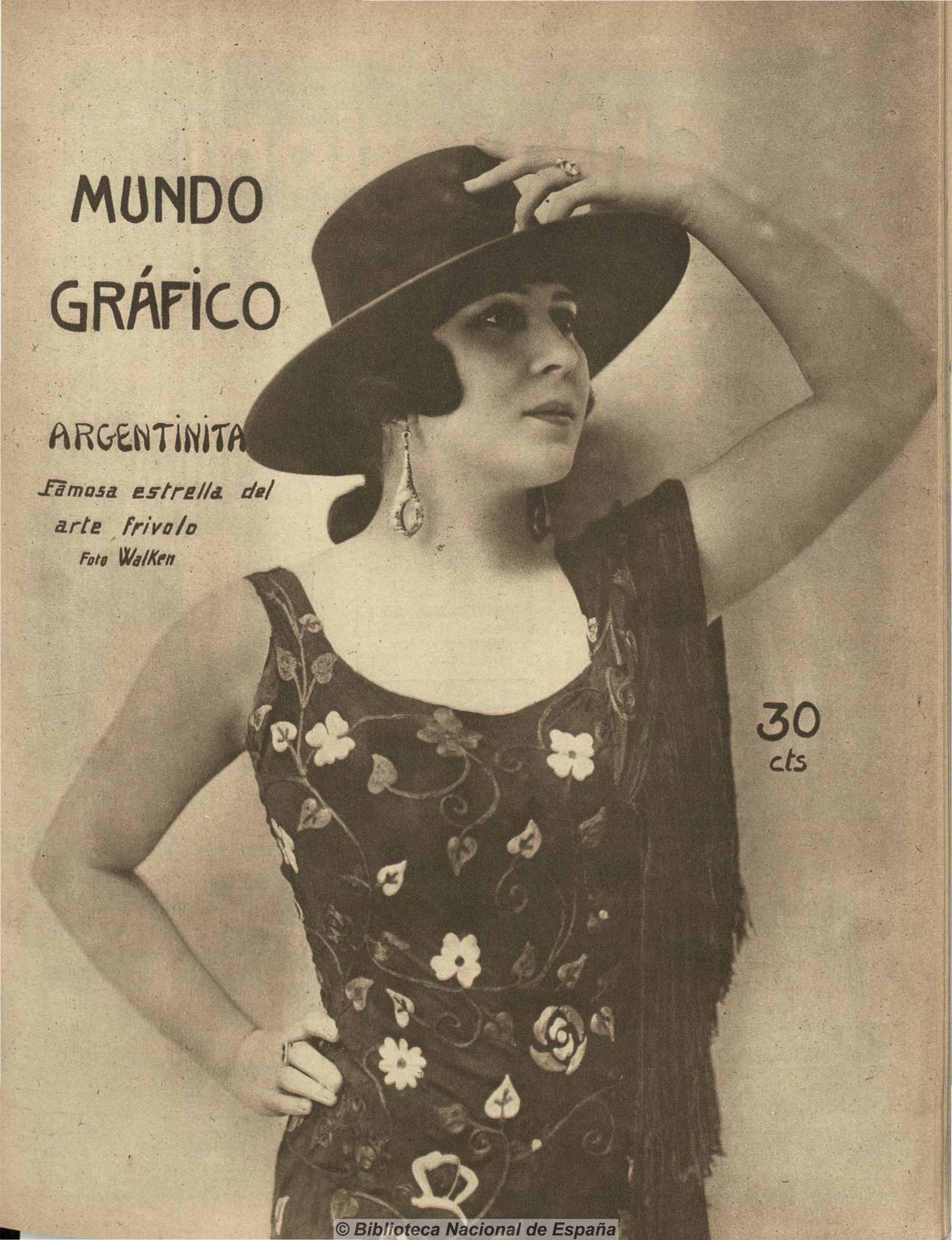
Encarnación López Júlvez, known professionally as La Argentinita, was born in Buenos Aires to Spanish parents and raised in Spain from infancy. She became a central modernizer of theatrical Spanish dance, joining flamenco and regional practice to concert staging and high-art collaboration. Her stage name distinguished her from the already-famous Antonia Mercé, La Argentina.
López Júlvez made her public debut at the Teatro-Circo in San Sebastián at approximately eight years old and toured widely as a child performer. She established herself in Madrid, working across popular theatre, song, regional Spanish dances and flamenco rather than confining herself to a single genre. In 1920 she appeared in the premiere of Federico García Lorca's *El maleficio de la mariposa*, beginning a long artistic friendship with the poet.
In 1931 La Argentinita recorded five 78-rpm discs of Spanish popular songs with García Lorca at the piano. The collaboration presented traditional material—"Los cuatro muleros," "Zorongo gitano," "Anda jaleo," "Nana de Sevilla" and "En el Café de Chinitas"—through Lorca's transcription and harmonization alongside her singing and castanet playing. With her younger sister Pilar López and Lorca's collaboration, she organized the Compañía de Bailes Españoles de La Argentinita, bringing experienced flamenco artists into a concert-theatre frame with works such as *El amor brujo* and *El Café de Chinitas*. This approach did not reject flamenco tradition; it created a new presentational system linking vernacular practice, composed music, dramaturgy, costume and visual design.
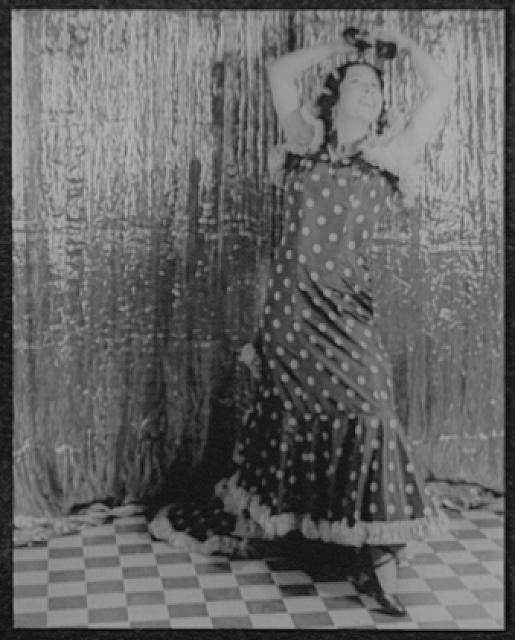
After the death of Ignacio Sánchez Mejías in 1934 and amid the Spanish Civil War, her career became increasingly international. She achieved major success in New York from 1936 onward and ultimately settled in the United States. A 1943 Metropolitan Opera House presentation of *El Café de Chinitas* brought together her choreography, Lorca's texts, Salvador Dalí's designs and José Iturbi's musical direction, with Pilar López and José Greco among the performers. Carl Van Vechten photographed her in New York in 1940, creating one of the best-documented portrait series of her American period. La Argentinita continued performing through 1945 and died in New York on 24 September of that year.
Career Highlights
Made her public debut at the Teatro-Circo in San Sebastián at approximately eight years old. Universo Lorca Universo Lorca
Appeared as the Butterfly in the premiere of García Lorca's El maleficio de la mariposa. Universo Lorca Universo Lorca
Released five gramophone records of popular Spanish songs with García Lorca accompanying her on piano. Universo Lorca Universo Lorca
Developed major theatrical Spanish-dance works including El amor brujo and Las calles de Cádiz with her company. Andalucía tourism biography Andalucía tourism biography
Achieved a major New York success and increasingly based her career outside Spain as civil war began. Universo Lorca Universo Lorca
Was photographed in New York by Carl Van Vechten, creating one of the best-documented portrait series of her American period. Library of Congress Library of Congress
Presented El Café de Chinitas at the Metropolitan Opera House, with collaborators including Pilar López, José Greco, Salvador Dalí and José Iturbi. NYPL Digital Collections NYPL Digital Collections
Gave her final performances in New York before her death on 24 September. Universo Lorca Universo Lorca
Gallery
Legacy & Impact
La Argentinita shaped how Spanish dance traveled and evolved in the twentieth century. She demonstrated that flamenco and regional Spanish forms could enter concert theatre and international stages without losing their roots in vernacular practice. Her model of assembling dancers, poets, composers, designers and musicians into coherent productions influenced her sister Pilar López and subsequent generations of Spanish dance artists. The surviving recordings, photographs and programs reveal an artist whose influence rests as much in the architecture of her productions as in individual steps.


Explore More Legends
Discover the dancers, teachers, choreographers, and cultural icons who shaped how the world moves.
Keep the thread going
Dance history, technique, and the occasional rabbit hole — in your inbox. Thoughtful, infrequent, unsubscribe anytime.
Free. No spam. One click to leave.