Paco De Lucia
Legend of Dance
Why They Matter
Paco de Lucía matters directly to dance because flamenco movement is inseparable from compás, phrasing and the dialogue among baile, cante and toque. His career began inside a dance company, and his later ensembles gave dancers a wider yet still form-conscious rhythmic architecture: bass reinforced…
Biography
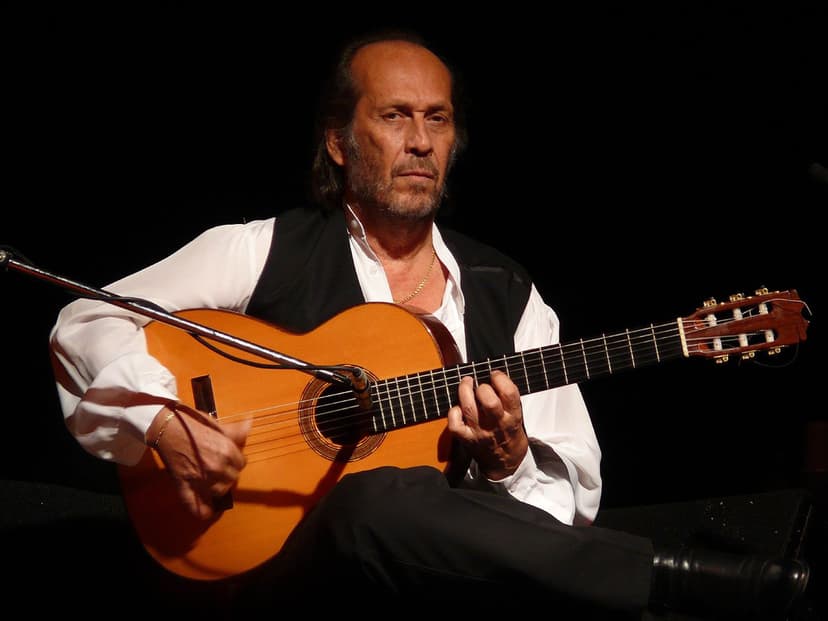
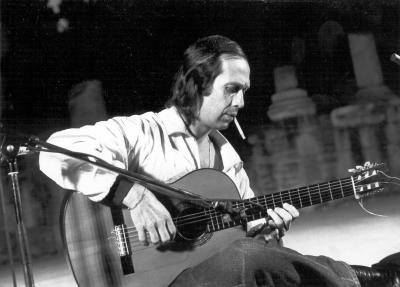
Francisco Sánchez Gómez, known professionally as Paco de Lucía, was born on December 21, 1947, in Algeciras, Cádiz, Spain, into a working flamenco family. His father, guitarist Antonio Sánchez Pecino, directed the musical training of Paco and his brothers Ramón de Algeciras and Pepe de Lucía. The stage name "de Lucía" honored his mother. By age thirteen, de Lucía was working in dancer José Greco's company—an early professional education in the relationship among guitar, cante, choreography and stage timing that would define his career.
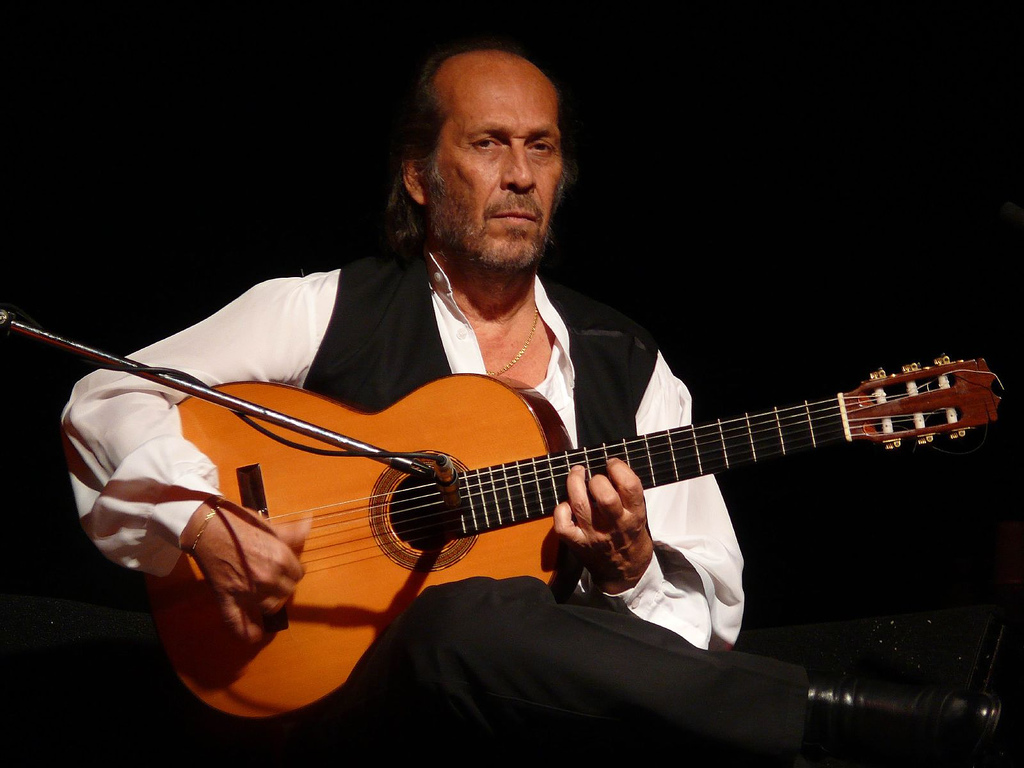
During the 1960s, de Lucía accompanied singers including Fosforito and El Lebrijano, recorded flamenco-jazz projects with saxophonist Pedro Iturralde, and developed a major partnership with Camarón de la Isla. Their recordings joined Camarón's vocal imagination to de Lucía's increasingly expansive guitar language. His first solo album, *La fabulosa guitarra de Paco de Lucía*, appeared in 1967, followed by *Fantasía flamenca* in 1969. The 1973 album *Fuente y caudal* included "Entre dos aguas," an instrumental flamenco rumba with two guitars, bass and bongos that brought his playing to a far wider audience while preserving a flamenco rhythmic identity. His 1975 concert at Madrid's Teatro Real marked decisive institutional recognition for a flamenco guitarist as a concert artist.
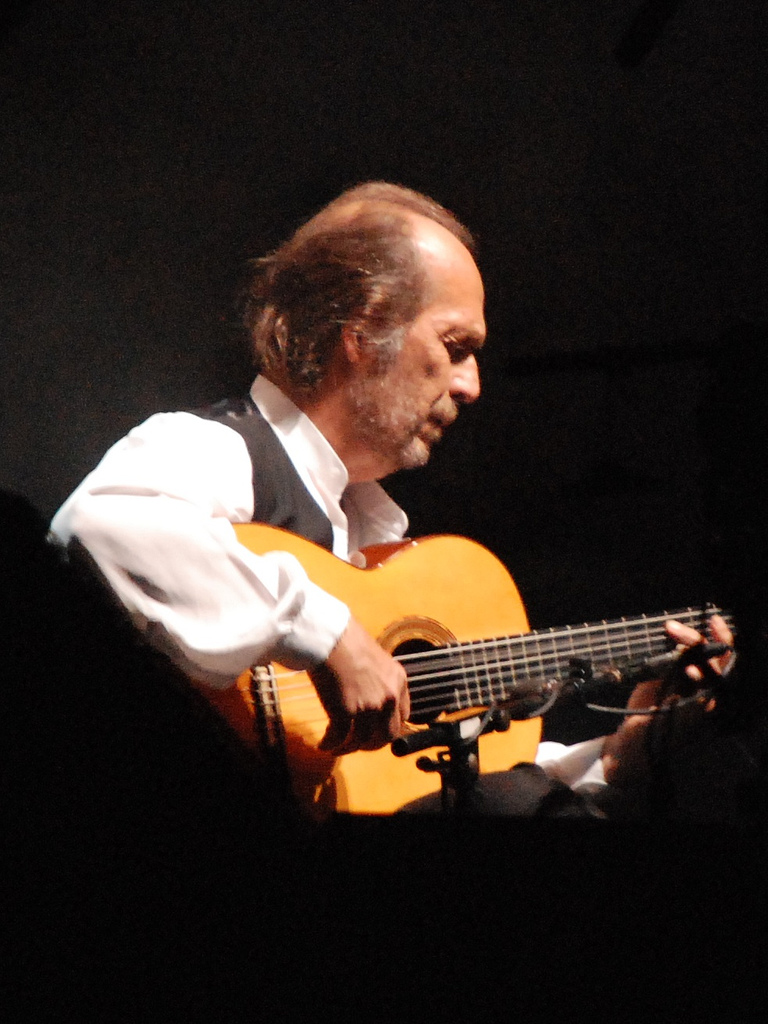
*Almoraima* (1976) widened the palette with electric bass, modern percussion and oud while remaining organized by named flamenco forms—bulerías, alegrías, soleá and others. From the late 1970s, de Lucía entered sustained exchange with jazz guitarists John McLaughlin, Al Di Meola and Larry Coryell and later with pianist Chick Corea. These collaborations tested flamenco's compás, improvisational capacity and harmonic language in new ensemble settings without replacing flamenco itself. In 1981 he formalized a sextet with Ramón de Algeciras, Pepe de Lucía, Jorge Pardo, Carles Benavent and Rubem Dantas. *Sólo quiero caminar* established a concert-group sound in which flute, saxophone, electric bass and percussion operated as flamenco voices. This period marked the decisive adoption of the Peruvian cajón into his ensemble, an instrument that subsequently spread throughout flamenco performance.
Albums such as *Siroco* (1987) and *Zyryab* (1990) show how de Lucía balanced formal roots with an enlarged sound world. *Siroco* explicitly traverses bulerías, tanguillos, alegrías, rumba, taranta, rondeña and soleá; *Zyryab* places Chick Corea's piano in dialogue with flamenco guitar. In 1991 de Lucía recorded Joaquín Rodrigo's *Concierto de Aranjuez* with the Orquestra de Cadaqués, demonstrating his movement between flamenco technique and the concert repertory. Spain awarded him the Gold Medal of Merit in the Fine Arts in 1992. In 2004 he received the Prince of Asturias Award for the Arts; the jury emphasized work that was at once innovative and respectful of flamenco's essence. *Cositas buenas* received the Latin Grammy for Best Flamenco Album, and Berklee College of Music awarded him an honorary doctorate in 2010. De Lucía died on February 25, 2014, in Playa del Carmen, Mexico, aged 66. His final studio album, *Canción andaluza*, appeared posthumously and won the 2014 Latin Grammys for Album of the Year and Best Flamenco Album.
Career Highlights
Began professional work in José Greco’s dance company at about age thirteen. Spanish Ministry of Culture Spanish Ministry of Culture
Released La fabulosa guitarra de Paco de Lucía, his first solo album. Spanish Ministry of Culture Spanish Ministry of Culture
Released Fantasía flamenca, an early statement of his mature solo style. Spanish Ministry of Culture Spanish Ministry of Culture
Released Fuente y caudal, including the instrumental rumba “Entre dos aguas.” Paco de Lucía Foundation Paco de Lucía Foundation
Gave a landmark flamenco-guitar concert at Madrid’s Teatro Real. Spanish Ministry of Culture Spanish Ministry of Culture
Released Almoraima, expanding flamenco instrumentation and harmonic color. Paco de Lucía Foundation Paco de Lucía Foundation
Established the Paco de Lucía Sextet sound on Sólo quiero caminar, with the cajón becoming a consequential part of the ensemble. Paco de Lucía Foundation Paco de Lucía Foundation
Recorded Rodrigo’s Concierto de Aranjuez with the Orquestra de Cadaqués. Spanish Ministry of Culture Spanish Ministry of Culture
Received Spain’s Gold Medal of Merit in the Fine Arts. Spanish Ministry of Culture Spanish Ministry of Culture
Received the Prince of Asturias Award for the Arts and a Latin Grammy for Cositas buenas. Fundación Princesa de Asturias; Paco de Lucía Foundation Fundación Princesa de Asturias
Received an honorary Doctor of Music degree from Berklee College of Music. Berklee Berklee
Died in Playa del Carmen on February 25; Canción andaluza subsequently won Latin Grammy Album of the Year and Best Flamenco Album. Recording Academy; Canción andaluza Recording Academy
Legacy & Impact
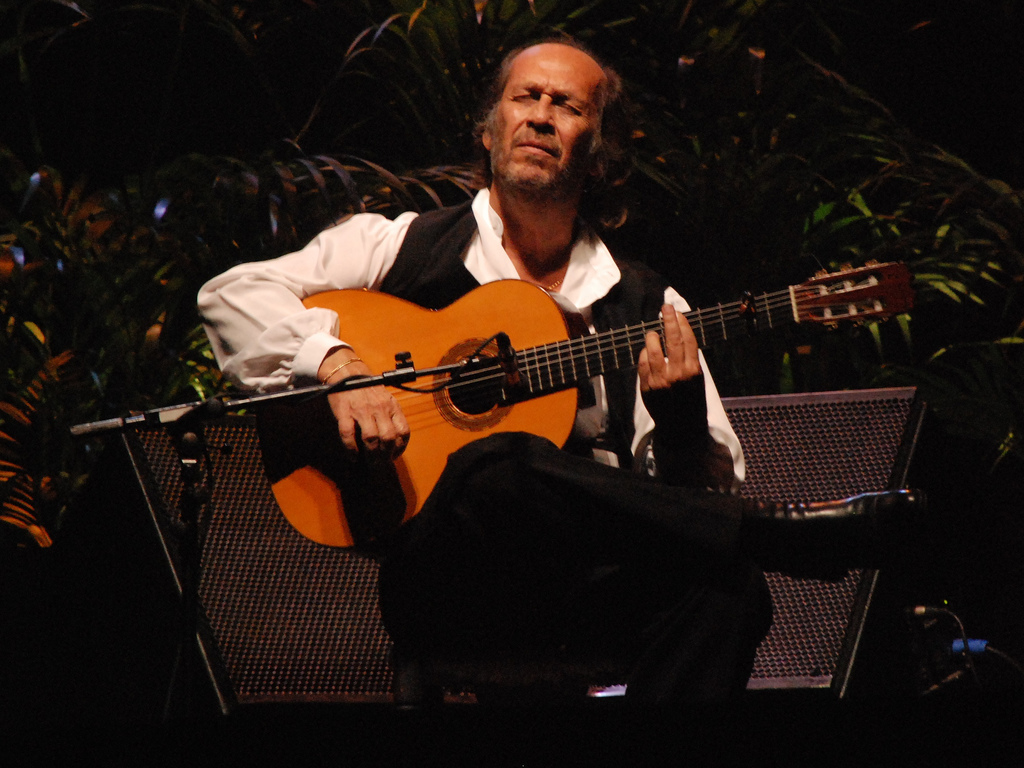
Paco de Lucía matters directly to dancers because flamenco movement is inseparable from compás, phrasing and the dialogue among baile, cante and toque. His career began inside a dance company, and his later ensembles gave dancers a wider yet still form-conscious rhythmic architecture: bass reinforced cycles, flute and saxophone extended melodic counterpoint, and the cajón supplied a portable percussive voice that became standard in contemporary flamenco. He did not invent these traditions; his achievement was to expand the sonic conditions in which flamenco dancers could listen, answer and compose.


Explore More Legends
Discover the dancers, teachers, choreographers, and cultural icons who shaped how the world moves.
Keep the thread going
Dance history, technique, and the occasional rabbit hole — in your inbox. Thoughtful, infrequent, unsubscribe anytime.
Free. No spam. One click to leave.