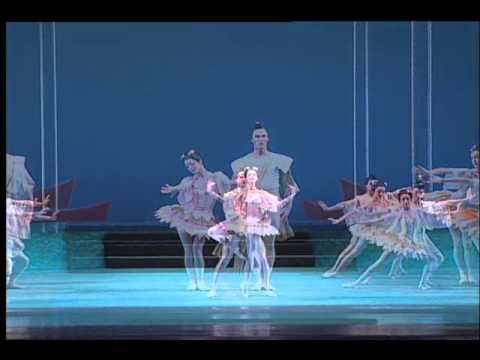
Bugaku is a one-act plotless ballet made by George Balanchine for New York City Ballet to a score of the same name by the Japanese composer Toshiro Mayuzumi, commissioned by the company in 1962 and first given on 30 March 1963 at City Center of Music and Drama in New York. It belongs to the small group of Balanchine works built directly around a commissioned score rather than an existing concert piece, and to his even smaller group of works that engage explicitly with a non-Western performance tradition.
What is danced
The article gives almost no description of the actual choreography — no synopsis, no numbered sections, no account of steps or partnering. What it does establish is the ballet's premise: the title and score take their name from bugaku, the dance component of gagaku, the ceremonial court music and dance tradition of the Japanese imperial household, and the work followed direct contact between NYCB and Japanese performers (a 1958 company tour to Japan and a 1959 US tour by the Imperial Household's Gagaku company). The original cast — Allegra Kent and Edward Villella — indicates the work was built around a lead pas de deux for the company's principal ballerina and danseur of the moment, danced under David Hays' scenery, Karinska's costumes and Ronald Bates' lighting.
Context
The commission sits inside a documented moment of cultural exchange between NYCB and Japan: the company's 1958 tour there and the reciprocal 1959 US tour of the Imperial Household's Gagaku ensemble are both cited in the article as the immediate background to the piece. This places Bugaku among a wider early-1960s pattern of Western choreographers and companies deliberately absorbing non-Western court and ceremonial forms into concert dance, at a time when Balanchine was also expanding NYCB's commissioning relationships beyond his long-standing partnership with Stravinsky.
Staging history
The article does not narrate a stage history, but its reference list cites a New York City Ballet Playbill and repertory listing from the Spring 2008 season, which indicates the work was still being programmed by the company roughly forty-five years after its 1963 premiere. No revivals by other companies, changes of cast, or restaging credits are given.
How to watch it
Watch for how the piece frames a central pas de deux rather than building a corps narrative — the article's only cast credit is the two principals, suggesting the work's weight sits there. Because the title and score are named directly for the dance component of gagaku, audiences and stagers historically read the piece's slow ceremony and its central duet against that source, even though the performers themselves are trained NYCB dancers, not gagaku performers.
More from George Balanchine
Other staged works in the register connected to this one by author or lineage.
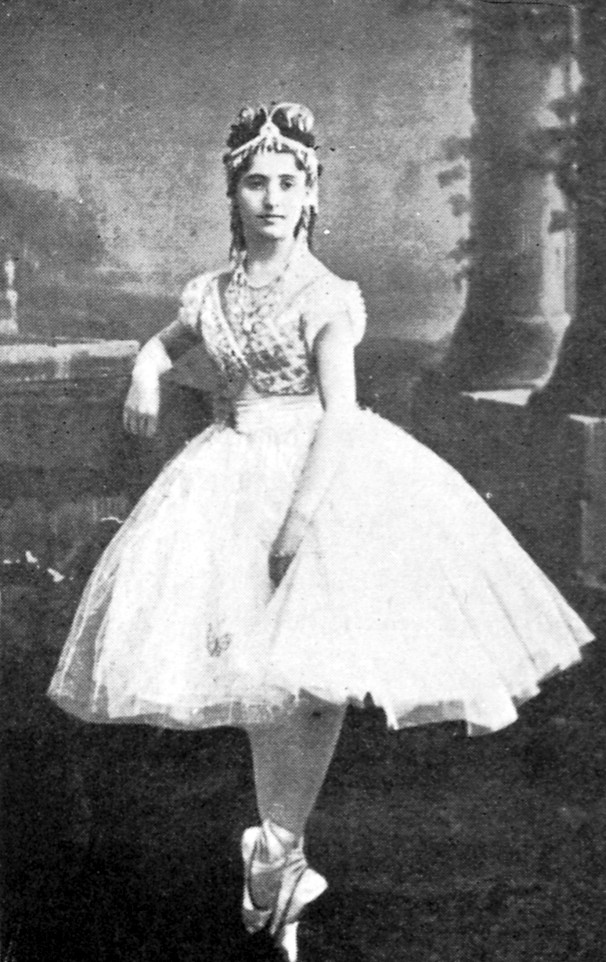 CoppéliaBallet · 1870Balanchine · video
 ApolloBallet · 1928Balanchine · video
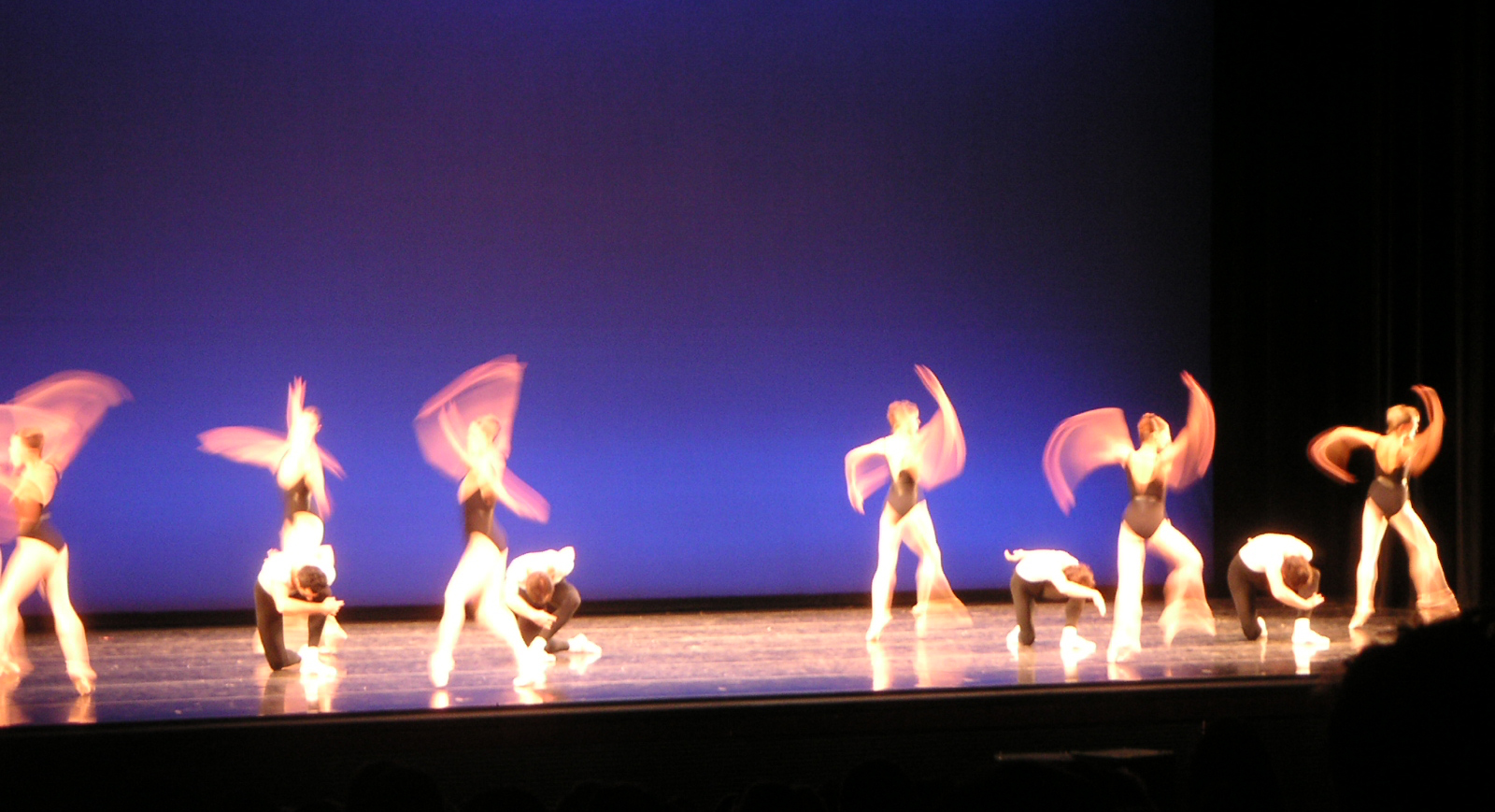 AgonBallet · 1957Balanchine · video
 Le chant du rossignolBallet · 1920Balanchine · video
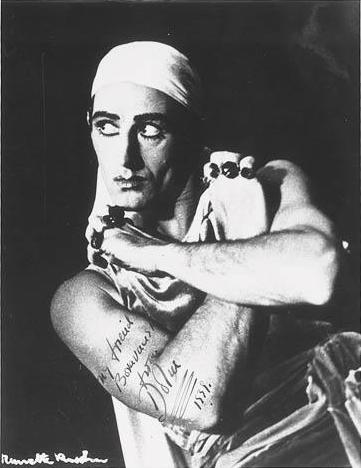 The Prodigal SonBallet · 1929Balanchine · video
 The Seven Deadly SinsBallet · 1933Balanchine · video
 MozartianaBallet · 1933Balanchine · video
- RagtimeRagtimeBallet · 1960Balanchine