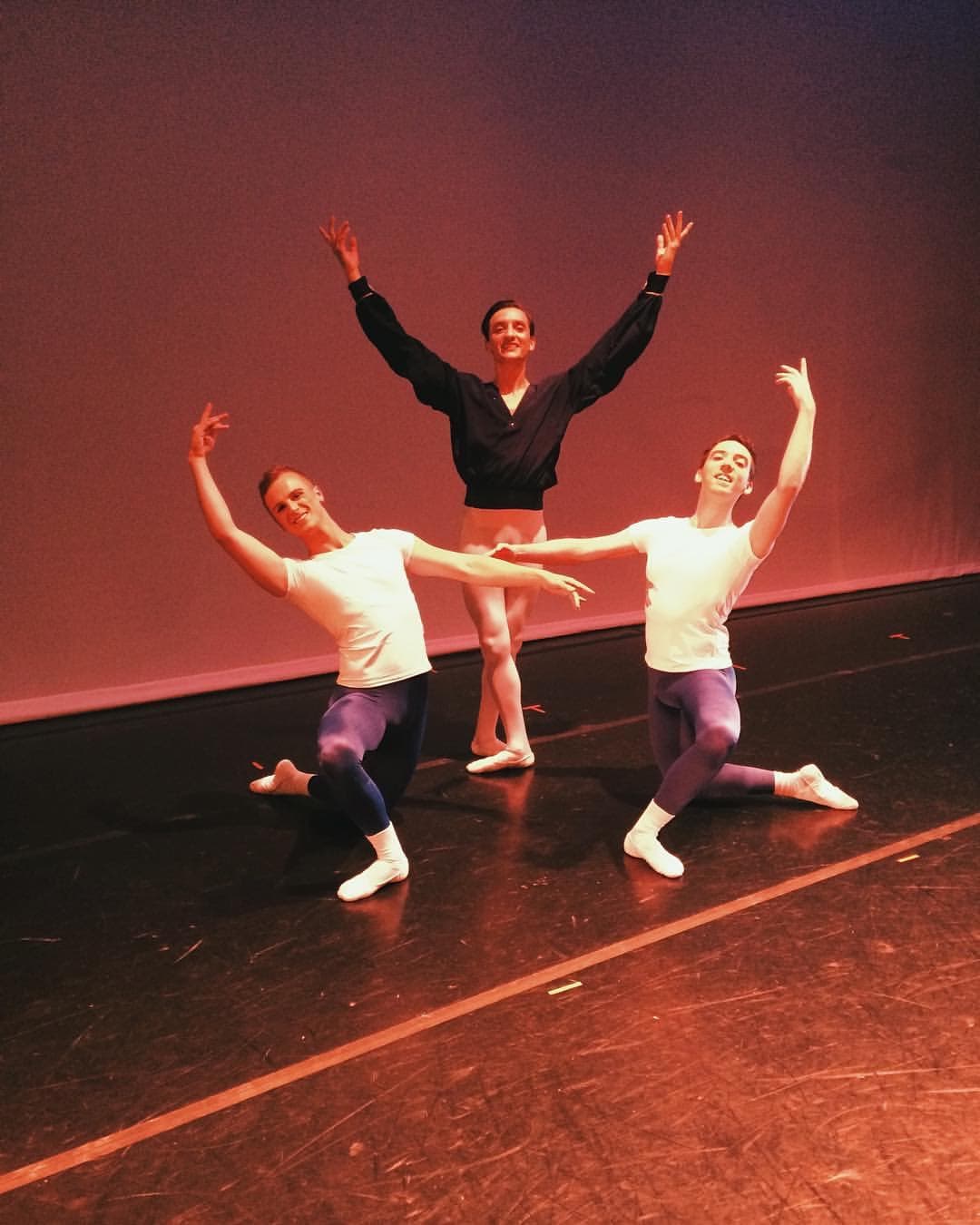
Willthacheerleader18 · CC BY-SA 4.0
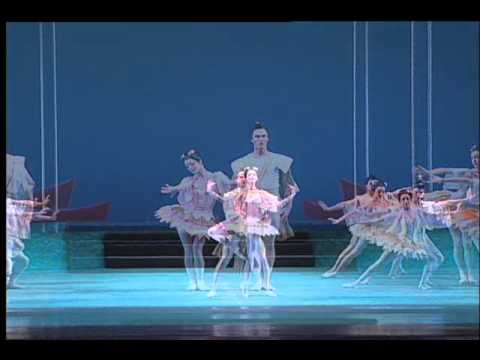
Mozartiana is George Balanchine's neoclassical setting of Tchaikovsky's Orchestral Suite No. 4 (itself a tribute to Mozart), made in its familiar form for New York City Ballet's 1981 Tchaikovsky Festival and generally regarded as Balanchine's last major work. It is a plotless ballet for a principal ballerina, two men, a corps of four women and four girl students, built as a suite of named movements — Preghiera, Gigue, Minuet, Theme and Variations, and a finale — that follow the structure of the Tchaikovsky score rather than a narrative.
What it contains
- Balanchine Method · Whole work — A plotless, small-cast structure built directly from the music's movements — principal ballerina, two men, a corps of four women, and four young girls — typical of Balanchine's spare, musically driven ensemble design. Source: "Mozartiana is danced by a principal ballerina, two men, a corps de ballet of four tall women, and four young girls."
- Neoclassical Ballet — Theme and Variations · Theme and Variations, the principal pas de deux — Opens with separate solos for the man and woman rather than a partnered duet throughout, and the closing duet avoids conventional male/female support patterns, per Farrell's own account of dancing 'separately in a kind of dialogue.' Source: "Unlike traditional pas de deux, it begins with several solos for each of the dancers, and ends with a duet,"
- Neoclassical Ballet — Gigue · Gigue, the male solo — Short, sharply accented steps driven into the floor, with rhythmic phrasing set deliberately against the music's pulse until internalized by the dancer. Source: "The steps were mostly short and had to be very sharp and down into the floor."
What is danced
The ballet is organized around the movements of Tchaikovsky's suite rather than a plot. Preghiera (Prayer) opens the 1981 version and is danced by the principal ballerina with the four child students, described by the article's Balanchine biographer as carrying a memento mori tone despite being technically simple. Gigue is a male solo built on short, sharply accented steps driven into the floor, with rhythms that the originating dancer, Victor Castelli, described as working against the music's surface pulse until the phrasing 'got into your body.' Minuet is danced by the corps of four tall women, and the ballet closes with a finale for the full cast described by a critic as 'joyous, full-blossoming.'
Context
The article frames the 1981 Mozartiana as the culmination of a decades-long relationship between Balanchine and Tchaikovsky's music (he had made thirty-seven ballets to the composer by then), staged as the opening work of NYCB's Tchaikovsky Festival. It followed and completely replaced an earlier Mozartiana Balanchine made in 1933 for his short-lived Paris troupe Les Ballets 1933 — his first major ballet to Tchaikovsky — which had different choreography and designs and was performed by several companies through 1956 before falling out of the repertory.
Staging history
The 1981 version premiered June 4, 1981, at the New York State Theater with Suzanne Farrell and Ib Andersen in the leads and Victor Castelli in the Gigue, made in only three weeks of rehearsal alongside an ongoing performance season. Scheduled repeat performances during the festival were cancelled after Farrell broke a bone in her foot at the premiere and no understudies existed; Castelli took over the missing performances the following year. The ballet later reached Chicago City Ballet (1982, with Farrell and Andersen as guests), and subsequently the Suzanne Farrell Ballet, Paris Opera Ballet, American Ballet Theatre, National Ballet of Canada, Birmingham Royal Ballet, Pacific Northwest Ballet and Kansas City Ballet; NYCB dedicated a 2005 performance to Castelli after his death.
How to watch it
Watch how the central pas de deux resists the usual pas de deux grammar: rather than a continuous partnered duet, it opens with separate solos for the man and woman before the two dance together, so the eye should track independence of phrasing rather than lifts or embrace. In Gigue, note the deliberately off-kilter relationship between the dancer's sharp, floor-driven steps and the underlying musical pulse — a hallmark of Balanchine's musicality that the originating dancer described as counterintuitive until internalized.
Structure
- PreghieraOpening section for the principal ballerina and four child students; noted by a biographer for its memento mori tone despite simple steps.
- GigueMale solo of short, sharp, floor-driven steps with rhythms that work against the music's surface pulse.
- MinuetDanced by the corps of four tall women.
- Theme and VariationsPrincipal pas de deux that opens with separate solos for each dancer before ending in a duet, departing from conventional romantic partnering.
- FinaleFull cast section described by a critic as joyous and full-blossoming.
Structure read from an encyclopaedia article, not from a libretto or score we hold. Confirm against a programme before treating the numbering as authoritative.
Credits
- composer: Pyotr Ilyich Tchaikovsky
More from George Balanchine
Other staged works in the register connected to this one by author or lineage.
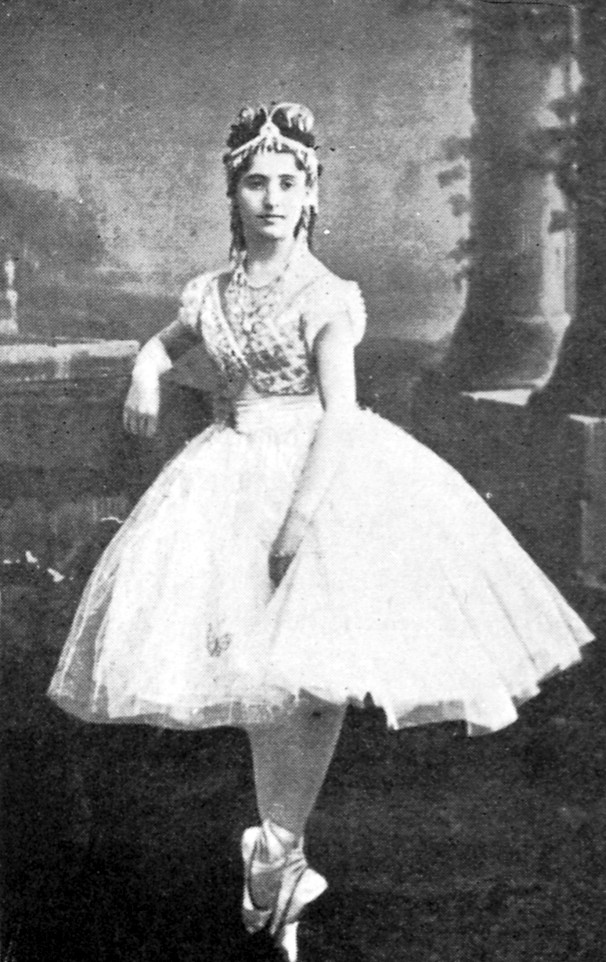 CoppéliaBallet · 1870Balanchine · video
 ApolloBallet · 1928Balanchine · video
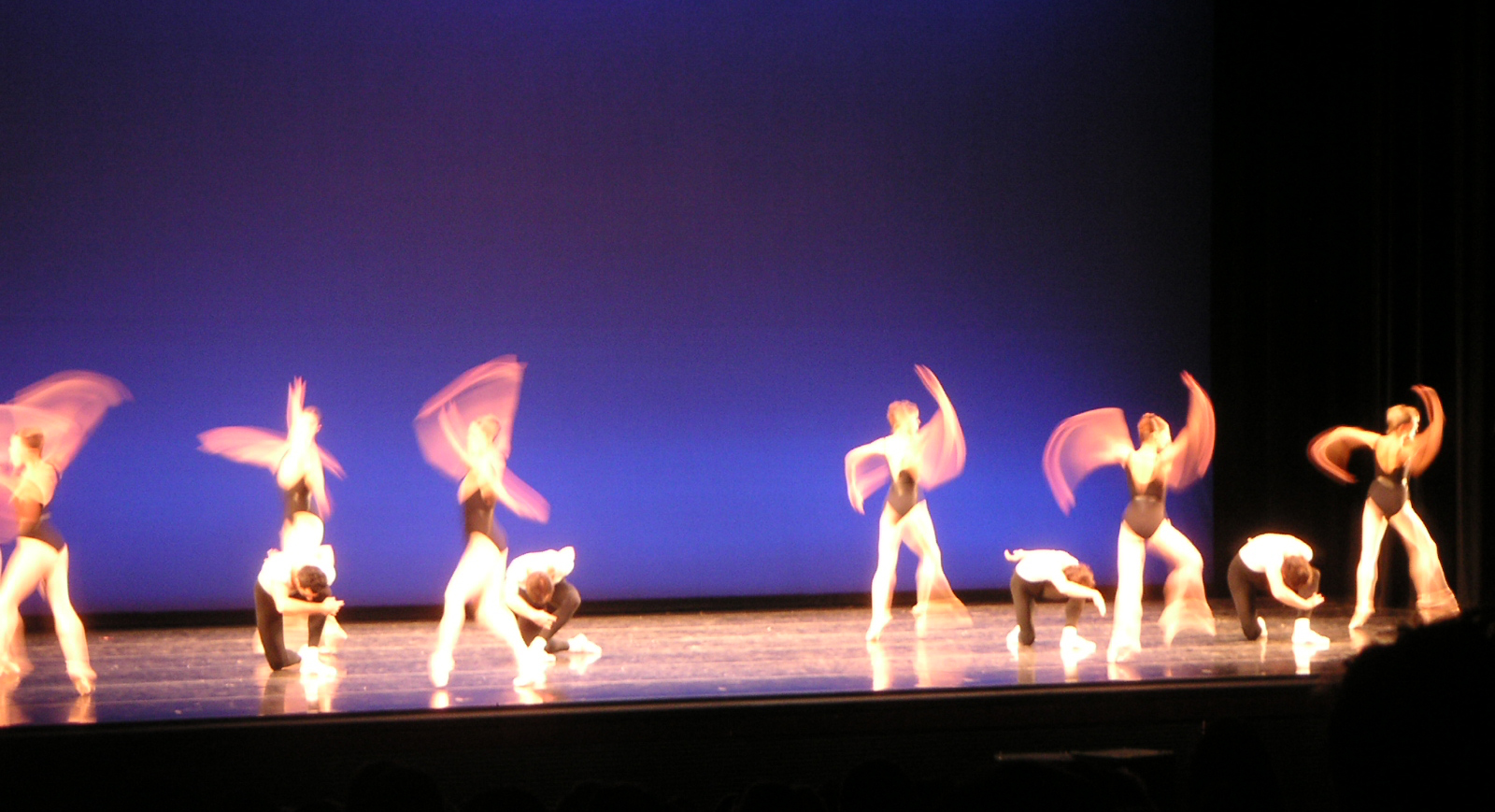 AgonBallet · 1957Balanchine · video
 Le chant du rossignolBallet · 1920Balanchine · video
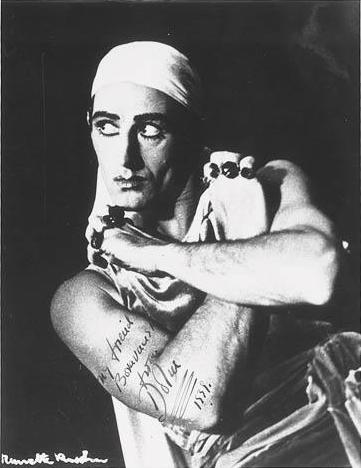 The Prodigal SonBallet · 1929Balanchine · video
 The Seven Deadly SinsBallet · 1933Balanchine · video
 BugakuBallet · 1963Balanchine · video
 ChaconneBallet · 1976Balanchine · video