This is the first of two ballets Balanchine made for New York City Ballet using Stravinsky's 1918 chamber score Ragtime for Eleven Instruments (a third, informal setting dates to Balanchine's student years in St. Petersburg in 1922). It premiered on December 7, 1960 at City Center of Music and Drama as one quarter of a mixed bill called Jazz Concert, sharing the program with jazz-based works by Todd Bolender, Francisco Moncion and John Taras.
What is danced
The article gives no synopsis, scene breakdown, or description of steps, so nothing here can be stated about actual vocabulary, holds, or technical demands with textual support. What can be established is context: the piece was made for two dancers, led at the premiere by Diana Adams and Bill Carter, and it reused Robert Drew's scenery originally built for Lew Christensen's 1947 Ballet Society work Blackface, with new costumes by Karinska and lighting by David Hays.
Context
The ballet belongs to a cluster of Stravinsky-score, jazz-adjacent works NYCB produced in this period, and its billing on a program explicitly titled Jazz Concert (alongside Bolender's Creation of the World, Moncion's Les biches, and Taras's Ebony Concerto) signals a house-wide interest in bringing jazz-inflected instrumentation and idiom into the classical repertory rather than a single choreographer's isolated experiment. Balanchine himself had already tried the same Stravinsky score decades earlier, among the 'informal little things' he made in St. Petersburg in 1922, so this 1960 staging is a return to material he had worked with as a very young choreographer.
Staging history
The article records only the 1960 premiere and notes that Balanchine returned to the same score again in 1966 with a second, distinct ballet also called Ragtime, made for the same company. It gives no further performance or revival history for the 1960 work.
How to watch it
Because the article supplies no choreographic description, there is no textual basis for directing attention to specific steps or phrasing; a viewer would need to consult performance footage or reconstruction notes rather than this record. What is worth watching for, per the production credits, is how the reused Blackface scenery and the new Karinska costumes and David Hays lighting were adapted to a work distinct from the one they were built for.
Credits
- composer: Igor Stravinsky
Related works
Other staged works in the register connected to this one by author or lineage.
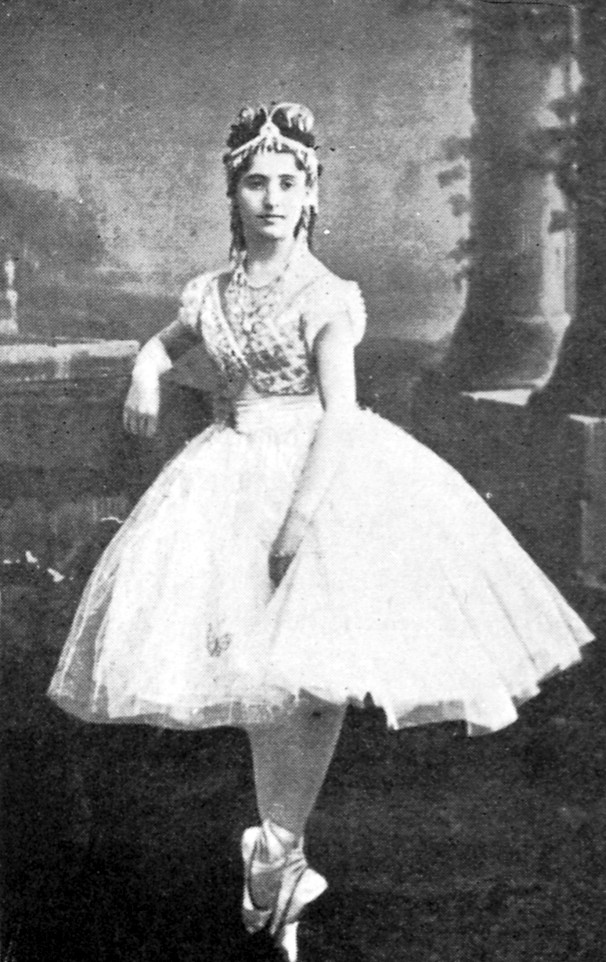 CoppéliaBallet · 1870Balanchine · video
 ApolloBallet · 1928Balanchine · video
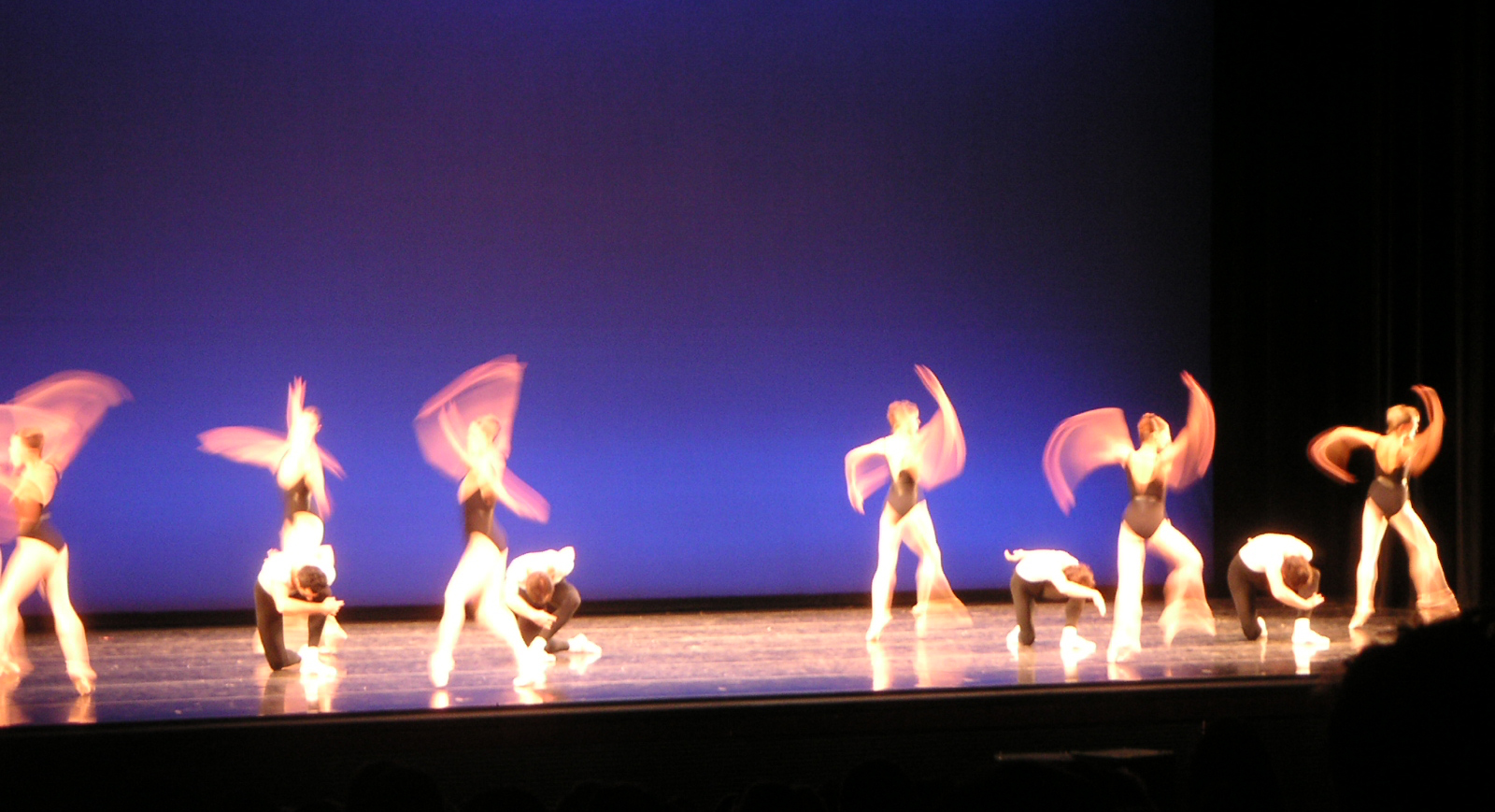 AgonBallet · 1957Balanchine · video
 Le chant du rossignolBallet · 1920Balanchine · video
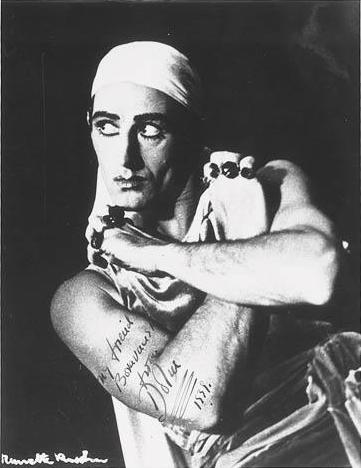 The Prodigal SonBallet · 1929Balanchine · video
 The Seven Deadly SinsBallet · 1933Balanchine · video
 The CageBallet · 1951Music by Stravinsky · video
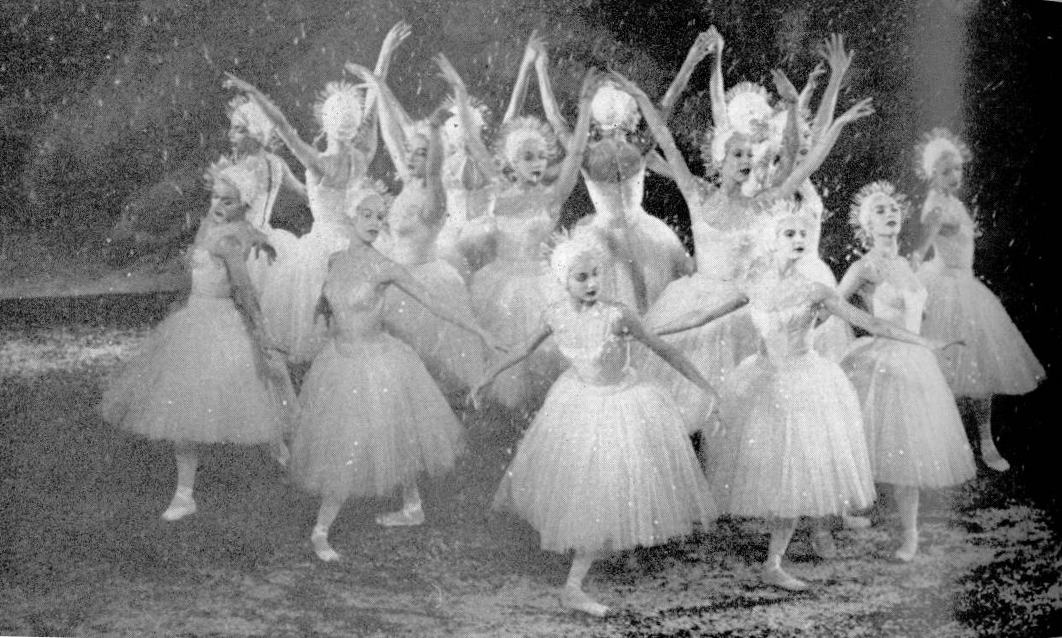 The NutcrackerBallet · 1954Balanchine · video