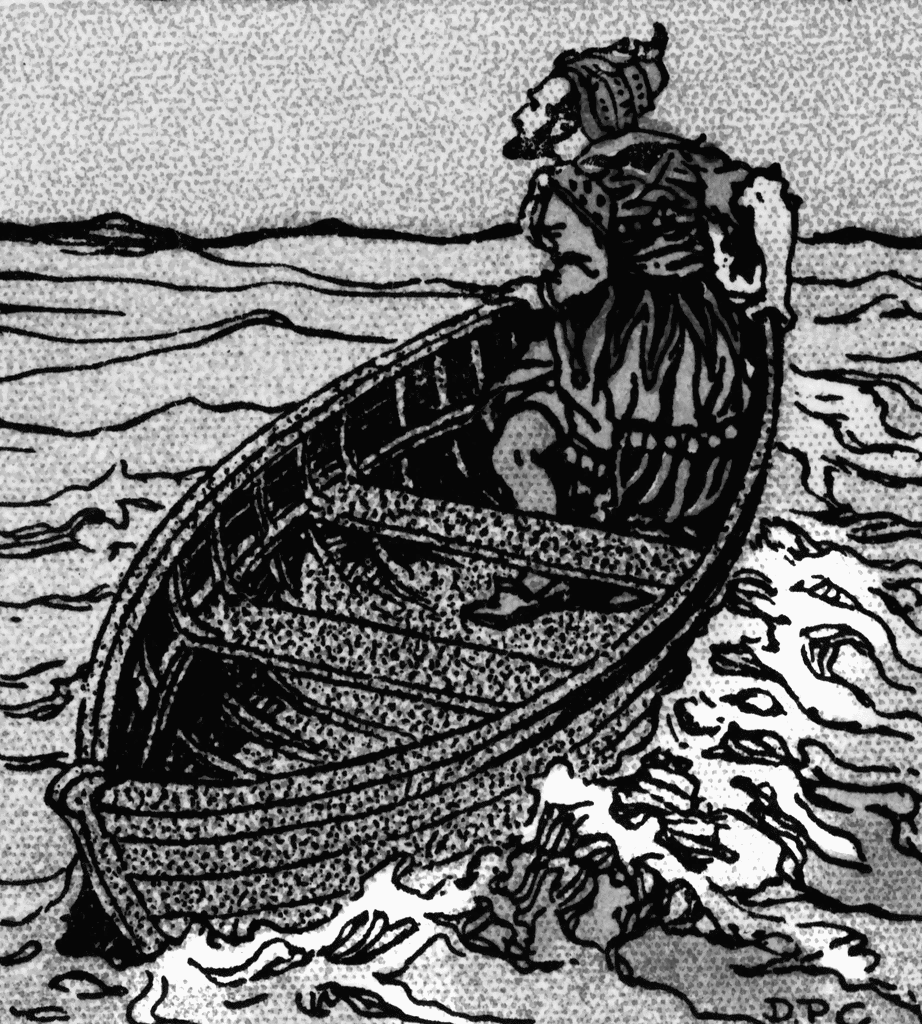
Donn P. (Donn Philip) Crane (19th centurydate QS:P,+1850-00-00T00:00:00Z/7/20th centurydate QS:P,+1950-00-00T00:00:00Z/7), illustration see:https://id.loc.gov/authorities/names/n97874350.html https://www.tumblr.com/tagged/the%20enchanted%20island?sort=top — http://etc.usf.edu/clipart/21500/21575/island4_21575.htm · Public domain
L'Île Enchantée (1864)
L'Île Enchantée is a one-act ballet score by Arthur Sullivan, composed as the afterpiece divertissement following a Covent Garden production of Bellini's La Sonnambula. The article records its premiere on 16 May 1864, with choreography by Henri Desplaces, who also danced the role of the Mariner; it ran for thirteen performances that season, a run the article's critic reads as a sign the piece succeeded in its intended job of entertaining an audience already through two and a half hours of opera.
What it contains
- Romantic Ballet — Pas de deux · No. 5, the Pas de deux — the love scene between the Mariner and the Fairy Queen — A sustained partnered adagio duet built around the ballet's central romance; the contemporary reviewer notes its unusual descriptive/emotional weight compared with the rest of the divertissement, consistent with a Romantic-era love pas de deux. Source: "Of the love scene between the shipwrecked mariner and The Queen of the Fairies (No. 5), the reviewer comments: "The descriptive force of the music which accompanies this scene is especially remarkable.""
- Galop — Galop · No. 3, Galop — A named galop number, the fast duple-time social dance form used here as a bravura set piece within the divertissement. Source: "No. 3 Galop No. 4 Storm - Entrance of the Gnomes - Entrance of Fairy Queen"
- Galop — Galop · No. 12, Galop — A second named galop number late in the ballet, again functioning as an ensemble display dance rather than narrative mime. Source: "No. 11 No. 12 Galop No. 13 Finale"
- Mazurka — Mazurka · No. 6, Mazurka — A named mazurka number followed by its own solo Variation, used as a national/character dance interlude in the divertissement structure. Source: "No. 5 Pas de deux No. 6 Mazurka No. 6a Variation"
- Romantic Ballet — Pas de trois · No. 9, Pas de trois — A formal three-dancer classical showcase number typical of the soloist-display sections built into Romantic-era ballet divertissements. Source: "No. 8a Variation for Mlle. Carmine No. 9 Pas de trois No. 10 Scène de jalousie"
- Victorian Waltz — Tempo di valse · No. 8, Tempo di valse — A waltz-tempo number with its own following Variation for a named soloist; likely a Victorian-era ballroom-derived waltz set as a ballet display dance. Source: "No. 8 Tempo di valse No. 8a Variation for Mlle. Carmine"
What is danced
The ballet is built from thirteen numbered dances (with two sub-numbered variations) rather than a through-danced narrative: Prelude, a Dance of Nymphs and Satyrs styled as a Pas de Châles (shawl dance), two Galops, a Storm sequence bringing on gnomes and the Fairy Queen, a Pas de deux for the shipwrecked Mariner and the Fairy Queen, a Mazurka with a solo Variation, a mimed Scène des disparitions, a Tempo di valse with a Variation for Mlle. Carmine, a Pas de trois, a mimed Scène de jalousie, an unlisted No. 11, and a Finale. This is the standard skeleton of a mid-Victorian ballet divertissement: set-piece character and national dances (Mazurka, Galop, shawl dance) alternating with the classical showcase forms (pas de deux, pas de trois, solo variations) and passages of mime that carry the plot (the storm, the disappearances, the jealousy scene) without formal dance vocabulary.
The article singles out No. 5, the Pas de deux, as the emotional centre of the piece — the contemporary review of the love scene between the Mariner and the Fairy Queen notes 'the descriptive force of the music which accompanies this scene' — implying a sustained adagio duet rather than a brisk display number. The two Galops and the Mazurka are the pieces most likely to have carried identifiable period ballroom-derived steps; the Pas de Châles for nymphs and satyrs is a named shawl-dance convention the article does not describe in step detail. Beyond the numbers list and the plot synopsis, the article gives no notation, no named steps, and no technique description, so anything beyond 'these are the forms present' is inference from the number titles themselves.
Context
1864 sits within English Romantic-ballet practice, where a short ballet divertissement was routinely tacked onto an opera evening — the article states plainly that 'it was customary for opera companies, when performing a shorter opera, to present a short ballet as an afterpiece on the programme.' Sullivan was writing his second major work and his first ballet score at 22, for the Royal Italian Opera under Michael Costa, in a house where such afterpieces were expected to showcase a resident corps and named soloists (Mdlle. Salvioni, Mdlle. Carmine, Mdlle. Navarre, Mdlle. Assunta, W. H. Payne) rather than advance a serious dramatic argument. The critic quoted in the article makes the genre expectation explicit: the piece 'is just what it says on the tin – a divertissement,' with 'little if any dramatic context' beyond the storm and the jealousy scene, existing mainly 'to display the dancing talents of the performers.'
Staging history
According to the article, the ballet premiered 16 May 1864 at Covent Garden and had thirteen performances that season, following different operas on different nights (Flotow's Stradella, Rossini's Otello, Donizetti's La Figlia del Reggimento and L'Elisir d'Amore, Verdi's La Traviata), and was given in concert at The Crystal Palace in 1865. Sullivan's holograph full score was long thought lost; the surviving orchestral parts allowed a reconstruction in the 1980s, and the holograph itself later surfaced in the collection of Fredric Woodbridge Wilson, who gave it to the Morgan Library & Museum in 1996. The Sir Arthur Sullivan Society staged the first performance since 1867 in June 1990, and the score has since been recorded twice (RTÉ Concert Orchestra/Andrew Penny, 1992; BBC Concert Orchestra/John Andrews, 2022), the later recording benefiting from the rediscovered score and restored movements.
How to watch it
Watch for the alternation between formal display numbers (the two Galops, the Mazurka, the Pas de deux, the Pas de trois, the named solo Variations) and the mimed narrative scenes (the Storm, the Scène des disparitions, the Scène de jalousie) that carry the plot without dancing — this split is the defining convention of the Victorian opera afterpiece ballet. The Pas de deux (No. 5) is flagged by contemporary review as the dramatic and musical high point, so a staging's success often rests on how that duet is built between the Mariner and the Fairy Queen.
Structure
- PreludeOpening music; no dance described.
- Dance of Nymphs and Satyrs - Pas de ChâlesSatyrs enter and wake sleeping nymphs on the sea-shore.
- GalopSet-piece galop number.
- Storm - Entrance of the Gnomes - Entrance of Fairy QueenA storm frightens the fairies away and washes an exhausted shipwrecked sailor ashore; gnomes and the Fairy Queen enter.
- Pas de deuxThe Fairy Queen enchants the sailor and brings him to the fairy bower; their love scene.
- MazurkaSet-piece mazurka number.
- VariationSolo variation following the Mazurka.
- Scène des disparitionsA mimed scene of disappearances.
- Tempo di valseWaltz-tempo number.
- Variation for Mlle. CarmineSolo variation for the dancer Mdlle. Carmine.
- Pas de troisFormal three-dancer showcase number.
- Scène de jalousieScenes of jealousy involving the characters' former lovers.
- GalopSecond set-piece galop number.
- FinaleThe Fairy Queen and the sailor kiss; she is transformed into a mortal and bestows her hand upon him.
Structure read from an encyclopaedia article, not from a libretto or score we hold. Confirm against a programme before treating the numbering as authoritative.
Credits
- composer: Arthur Sullivan
In the same lineage
Other staged works in the register connected to this one by author or lineage.
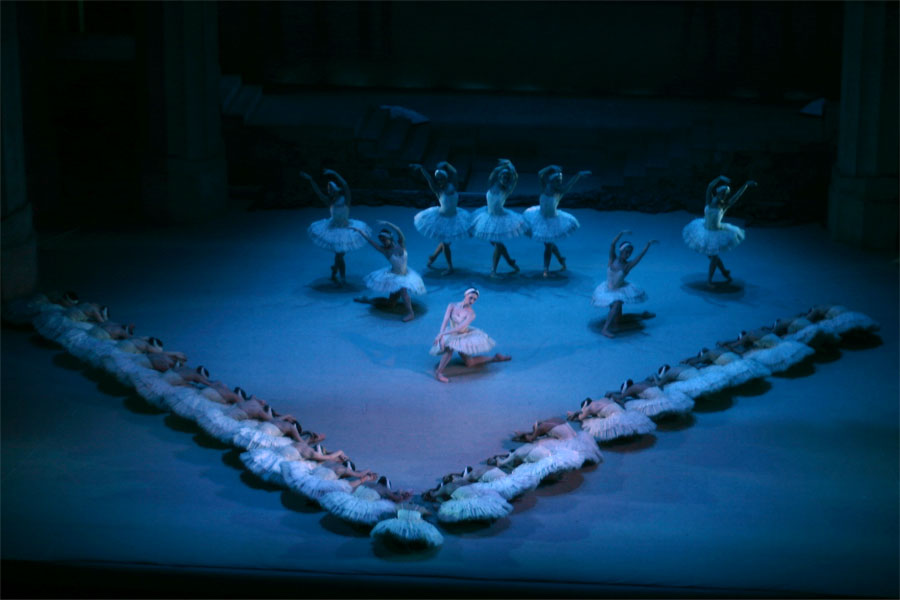 Swan LakeBallet · 1877Same lineage · video
 GiselleBallet · 1841Same lineage · video
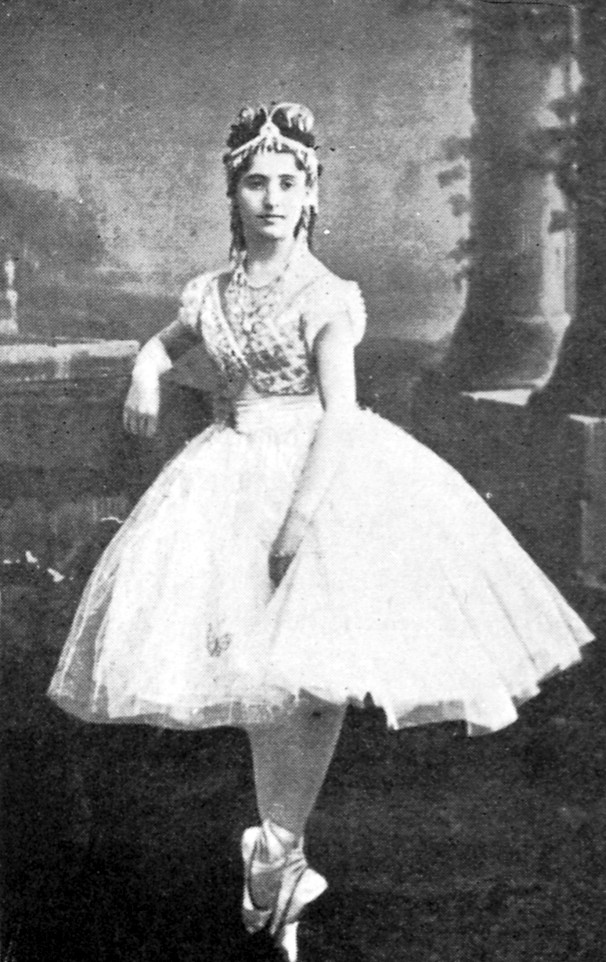 CoppéliaBallet · 1870Same lineage · video
 La SylphideBallet · 1832Same lineage · video
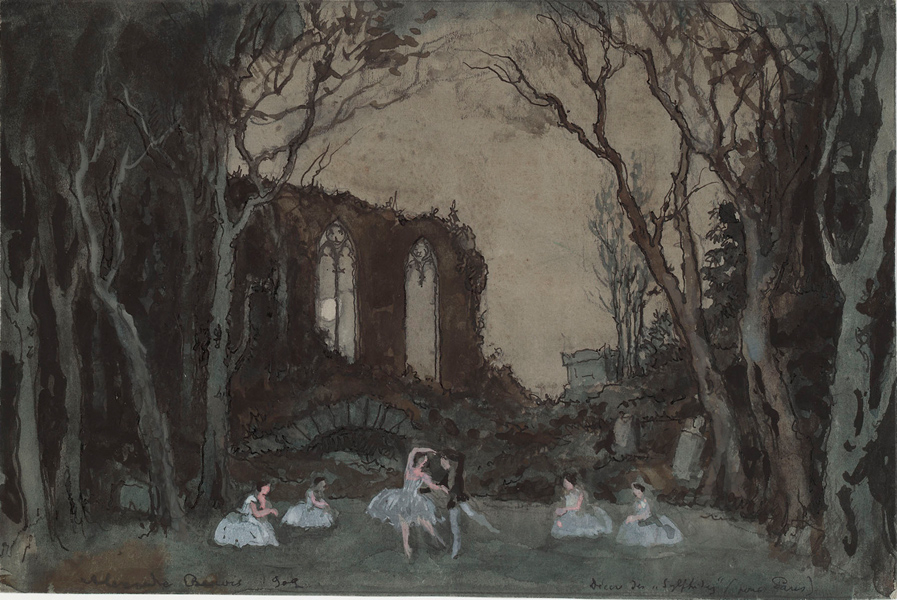 Les SylphidesBallet · 1908Same lineage · video
 La fille mal gardéeBallet · 1789Same lineage · video
- Le Petit Elfe Ferme-l'œilLe Petit Elfe Ferme-l'œilBallet · 1924Same lineage
 NamounaBallet · 1882Same lineage · video