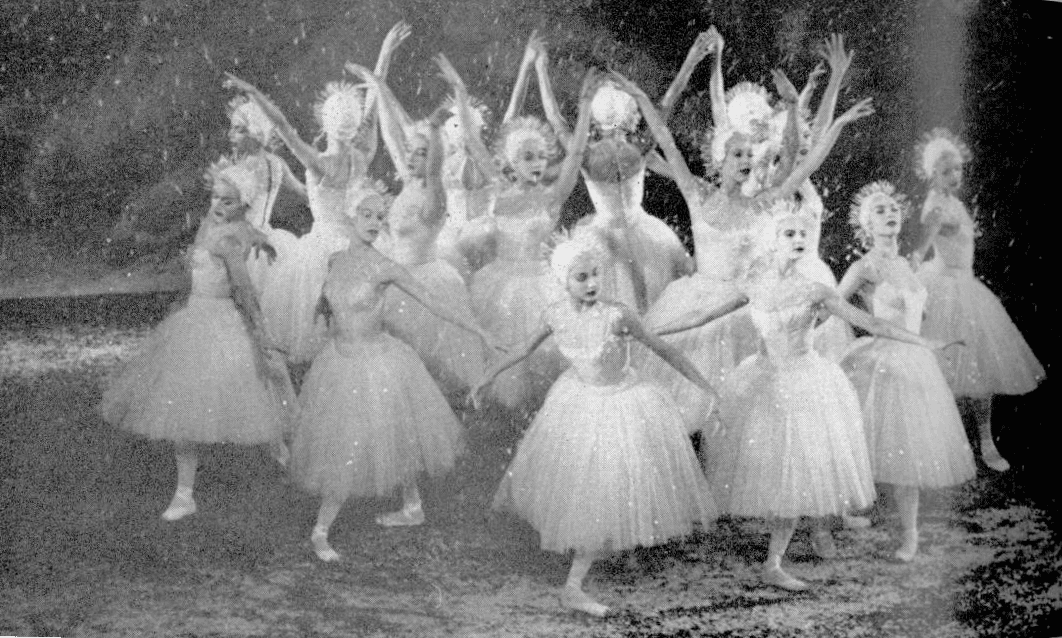
Fred Fehl · Public domain
This entry documents George Balanchine's staging of The Nutcracker, made for New York City Ballet and first given on February 2, 1954, at City Center in New York, with designs by Karinska (costumes), Horace Armistead (sets) and Jean Rosenthal (lighting/production). It sets Petipa and Tchaikovsky's 1892 ballet in a specific American production lineage rather than being a new ballet: it is the version most US audiences and regional companies know or imitate, and it has anchored the New York holiday season almost without interruption since its premiere.
What is danced
The article gives production and staging facts rather than step-by-step choreographic description, so what follows is structural, not technical. The defining change from other stagings is that Clara/Marie and Drosselmeyer's Nephew/Nutcracker/Prince are danced by children rather than adults; this simplifies their choreography and confines them, for most of Act II, to the role of onstage observers rather than active dancers. The one exception is the Prince, who performs a re-enactment of the fight with the Mouse King. The production also removes the conventional Snow pas de deux: instead of a partnered dance, Clara/Marie faints onto her bed during the battle and is carried across the stage on it while the Nutcracker transforms into the Prince — a scenic transition standing where a duet would otherwise be.
Musically, Balanchine relocates the Dance of the Sugar Plum Fairy to early in Act II, immediately after her first entrance, cutting the preceding tarantella to smooth the join; in other stagings this variation sits near the end of the act. He also inserts an entr'acte originally written for Act II of The Sleeping Beauty, used here as underscoring for Drosselmeyer's repair of the Nutcracker's jaw rather than as a separate dance number. The 1993 film reprises the Trepak (Russian dance) and the Waltz of the Flowers over the closing credits, though the article does not describe how these numbers are danced within the staged production itself.
Because the source material is a production/broadcast history rather than a synopsis or repertory note with movement description, we cannot characterize the actual step vocabulary, partnering, or technical demands of the divertissements, the Snowflakes, the Flowers, or the Sugar Plum Fairy's variation from this article alone.
Context
This staging dates from the first years of New York City Ballet, the company Balanchine had co-founded shortly before, and it is a rare full-evening narrative work within a career otherwise identified with plotless, music-driven neoclassicism. Its emphasis on children in principal roles, and on simplifying their choreography so amateur or student dancers can carry the leads, set a template that many American companies later adopted wholesale, either through licensed use of the Balanchine staging or through close imitation.
Staging history
Performed annually in New York since 1954 with the sole break of the 2020 COVID-19 pandemic, this production has also had an unusually long broadcast history: an abridged CBS television version in 1957 (the first Nutcracker of any kind on TV), a fuller color broadcast on Playhouse 90 in 1958 with Balanchine himself dancing Drosselmeyer, and excerpts on variety programs including The Bell Telephone Hour and The Ed Sullivan Show. It reached feature film in 1993, directed by Emile Ardolino and starring Macaulay Culkin as the Nutcracker/Prince/Nephew, and returned to television in 2011 via PBS's Live from Lincoln Center, the first US broadcast of the Balanchine version in over fifty years, earning an Emmy nomination.
How to watch it
Watch how the production handles its child leads: Clara/Marie and the Prince largely stand and watch rather than dance through most of Act II, so the choreographic weight shifts onto the corps, the character dances, and the Sugar Plum Fairy. Note the absence of a Snow pas de deux — the scene resolves through a moving bed and a costume transformation rather than a duet — and the earlier placement of the Sugar Plum Fairy's dance relative to other stagings of the same score.
Structure
- Act IIClara/Marie and the Nephew/Prince appear mainly as onstage observers in Act II, with the Prince alone re-enacting the fight with the Mouse King.
- Act I · Journey Through the SnowThe conventional pas de deux is replaced: Clara/Marie faints onto her bed during the Mouse King battle and the bed is moved across the stage while the Nutcracker transforms into the Prince.
- Act II · Dance of the Sugar Plum FairyMoved to just after the Sugar Plum Fairy's first appearance near the start of Act II, with the preceding tarantella cut to ease the transition.
- Trepak (Russian dance) and Waltz of the FlowersReprised together over the closing credits of the 1993 film version.
Structure read from an encyclopaedia article, not from a libretto or score we hold. Confirm against a programme before treating the numbering as authoritative.
More from George Balanchine
Other staged works in the register connected to this one by author or lineage.
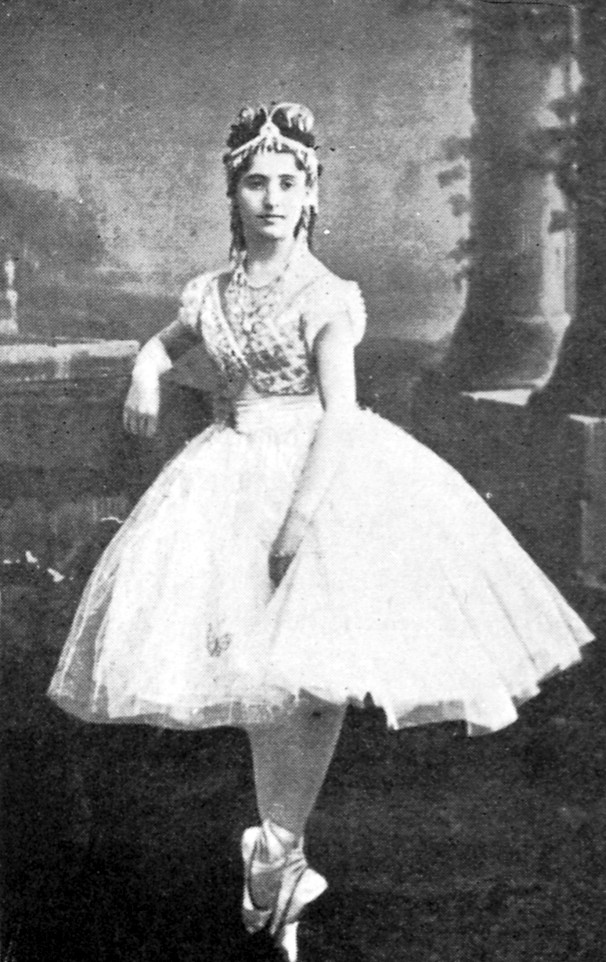 CoppéliaBallet · 1870Balanchine · video
 ApolloBallet · 1928Balanchine · video
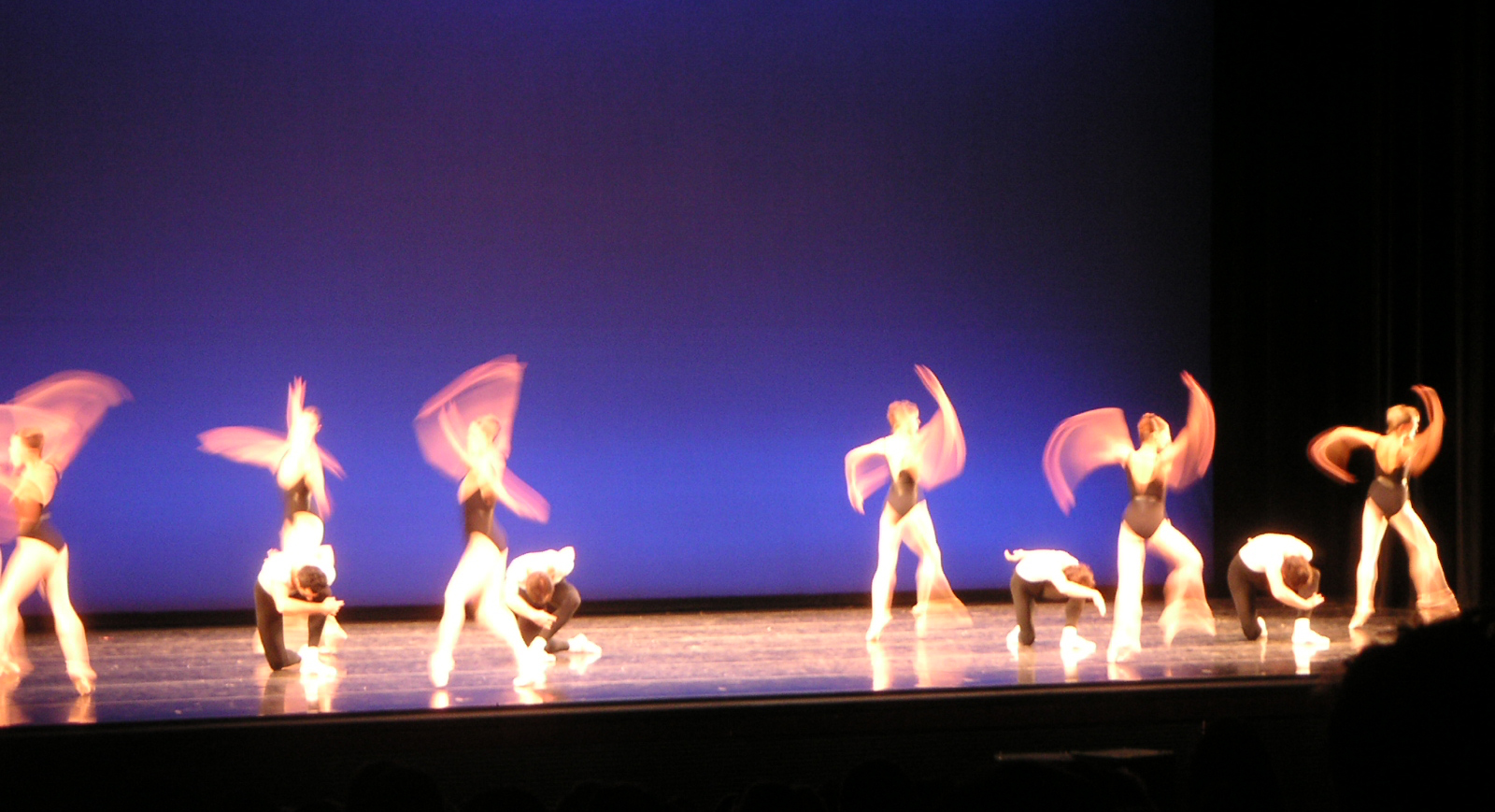 AgonBallet · 1957Balanchine · video
 Le chant du rossignolBallet · 1920Balanchine · video
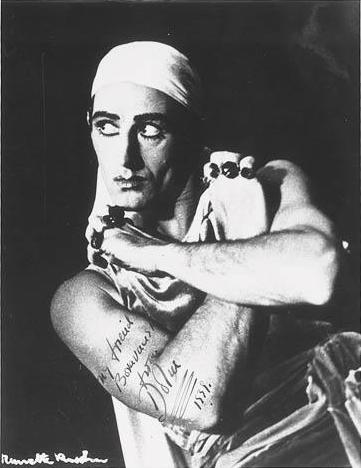 The Prodigal SonBallet · 1929Balanchine · video
 The Seven Deadly SinsBallet · 1933Balanchine · video
 Allegro BrillanteBallet · 1956Balanchine · video
 Brahms–Schoenberg QuartetBallet · 1966Balanchine · video