Symphony in Three Movements is a neoclassical ballet made by George Balanchine to Stravinsky's 1945 symphony of the same name, created for the New York City Ballet Stravinsky Festival of 1972 as a memorial to the composer, who had died the previous year. It is one of seven Balanchine premieres from that single festival week, and sits within the long Balanchine-Stravinsky collaboration that also produced Agon and Apollo.
What it contains
- Neoclassical Ballet · The entire ballet, across all three movements — Plotless structure built directly on the symphony's own three movements, with principal/soloist/corps hierarchy used for shifting group patterns rather than mime or story, and a pas de deux built on emotional restraint rather than Romantic-style union. Source: "Symphony in Three Movements is a neoclassical ballet choreographed by George Balanchine to the music of the same name by Igor Stravinsky."
- Neoclassical Ballet — First movement · First movement — Sixteen women in a diagonal line, then overlapping entrances of six principals and five soloist couples leaping and spinning against a continuously moving corps de ballet. Source: "Dancers leap on, followed by small entourages, or spin their way among the jogging corps."
- Neoclassical Ballet — Second movement (pas de deux) · Second movement, the pas de deux — A duet in which partnering occurs but is deliberately withheld from full emotional or physical closeness, a hallmark of Balanchine's cooler neoclassical pas de deux writing. Source: "Although there is some partnering, the dancers keep an emotional and sometimes physical distance."
- Neoclassical Ballet — Third movement · Third movement — Full-cast ensemble work described as aggressive and mysterious, building to static massed formations read as abstracted martial imagery. Source: "The movement for everyone here is aggressive, mysterious and frightening."
What is danced
The ballet is built in three sections that follow the symphony's own movements rather than a narrative. The first opens with sixteen women arranged in a diagonal line before six principal dancers and five soloist couples enter in overlapping waves; the choreography stacks entrances of leaping principals and spinning soloists against a corps that keeps up a steady jogging pulse underneath them, a texture that Edward Villella, one of the originating principals, called the single biggest musical challenge he had faced in the score. The second movement strips the stage down to one pas de deux, described by a critic as sensuous but held at a remove: partnering is present but the two dancers are reported to keep an emotional and sometimes physical distance from one another rather than resolving into a conventional romantic duet. The third movement returns the full cast to the stage for what Villella described as aggressive, mysterious and frightening group work, building to massed formations that a New York Times critic read as "dancers frozen in semaphores and abstractions of warriors at the ready" — an oblique gesture toward the war references in Stravinsky's score.
Context
The ballet came out of an intensely compressed creative process: Balanchine is said to have completed the choreography for a full cast with intricate, hard-to-count music in about a week, driven by the demands of staging 22 premieres across a single festival. Dancers and staff who were there describe a working method of Balanchine throwing large blocks of choreography at the company and then editing it into shape in a single afternoon, with the newly promoted principal Sara Leland used to demonstrate steps to the corps because she absorbed the counts faster than others, including Balanchine himself, who reportedly struggled with the piece's tempos.
Staging history
The ballet premiered on June 18, 1972, at the New York State Theater as part of the NYCB Stravinsky Festival. Sara Leland, who originated one of the six principal roles, later became known for her ability to retain the ballet's difficult counts and went on to stage and coach it herself; Christine Redpath, a New York City Ballet repertory director, also staged the work and credited Leland's memorized counts. Beyond New York City Ballet, the article names San Francisco Ballet and Boston Ballet among companies that have performed it, though no dates for those productions are given.
How to watch it
Watch the first movement for how entrances are layered — principals and soloist couples arriving in waves over a corps that keeps moving underneath them, rather than the corps holding still to frame soloists. In the pas de deux, notice where the partnering pulls back instead of resolving into embrace; that reserve is the point, not an absence of connection. In the finale, watch for the moment the ensemble locks into still, geometric groupings — described as "semaphores" — which is the ballet's closest approach to pictorial or narrative content.
Structure
- First movementSixteen women in a diagonal line are followed by six principal dancers and five soloist couples entering in waves over a moving corps.
- Second movement (pas de deux)A single pas de deux, described as sensuous but emotionally and sometimes physically distant despite partnering.
- Third movementThe full cast returns for aggressive, mysterious group choreography that resolves into massed, frozen formations.
Structure read from an encyclopaedia article, not from a libretto or score we hold. Confirm against a programme before treating the numbering as authoritative.
Credits
- composer: Igor Stravinsky
More from George Balanchine
Other staged works in the register connected to this one by author or lineage.
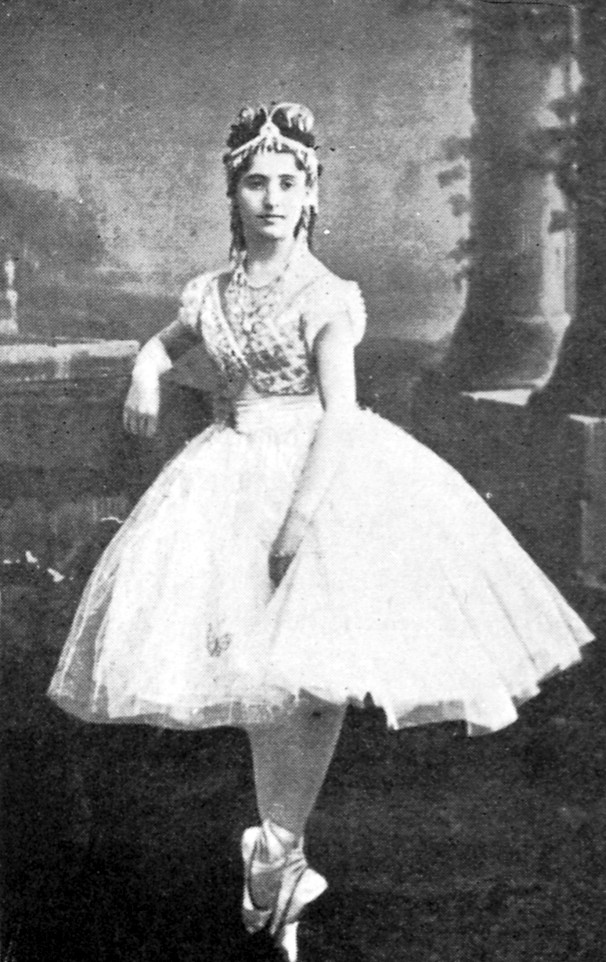 CoppéliaBallet · 1870Balanchine · video
 ApolloBallet · 1928Balanchine · video
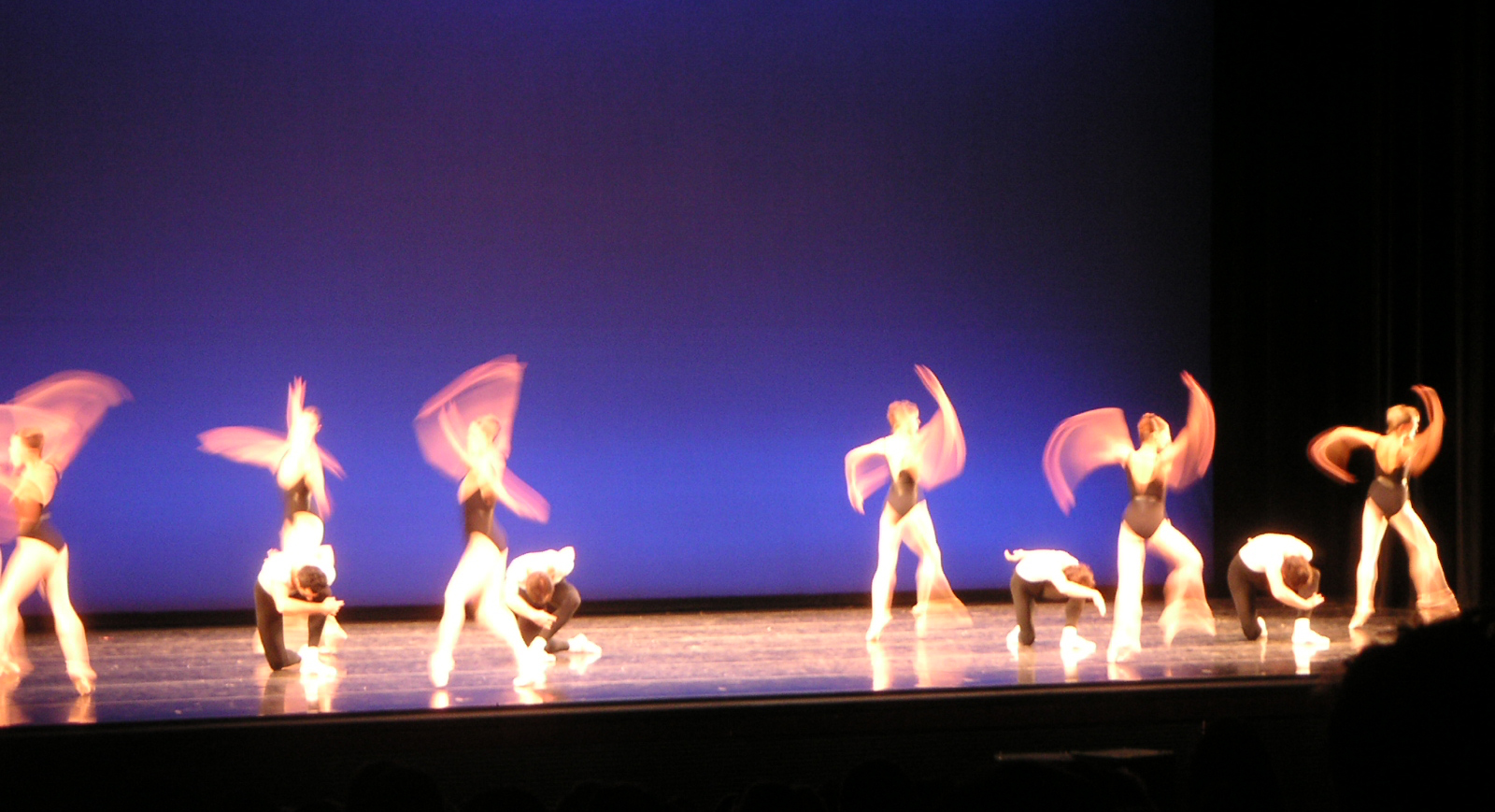 AgonBallet · 1957Balanchine · video
 Le chant du rossignolBallet · 1920Balanchine · video
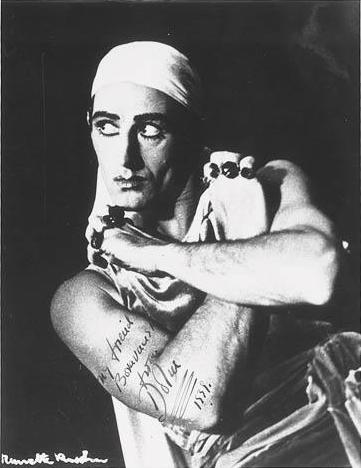 The Prodigal SonBallet · 1929Balanchine · video
 The Seven Deadly SinsBallet · 1933Balanchine · video
 Jazz CalendarBallet · 1968Same lineage · video
- TangoTangoBallet · 1982Balanchine