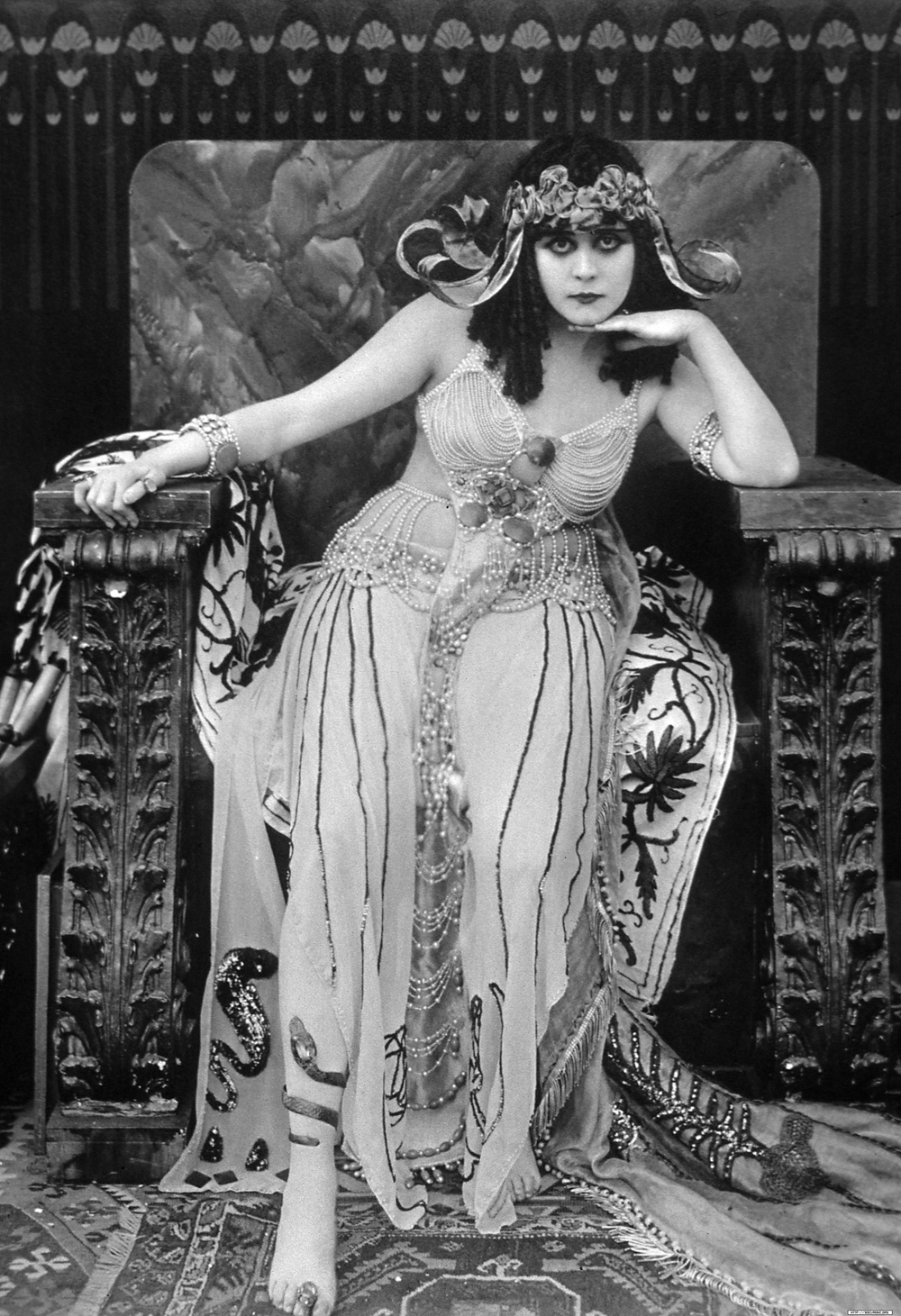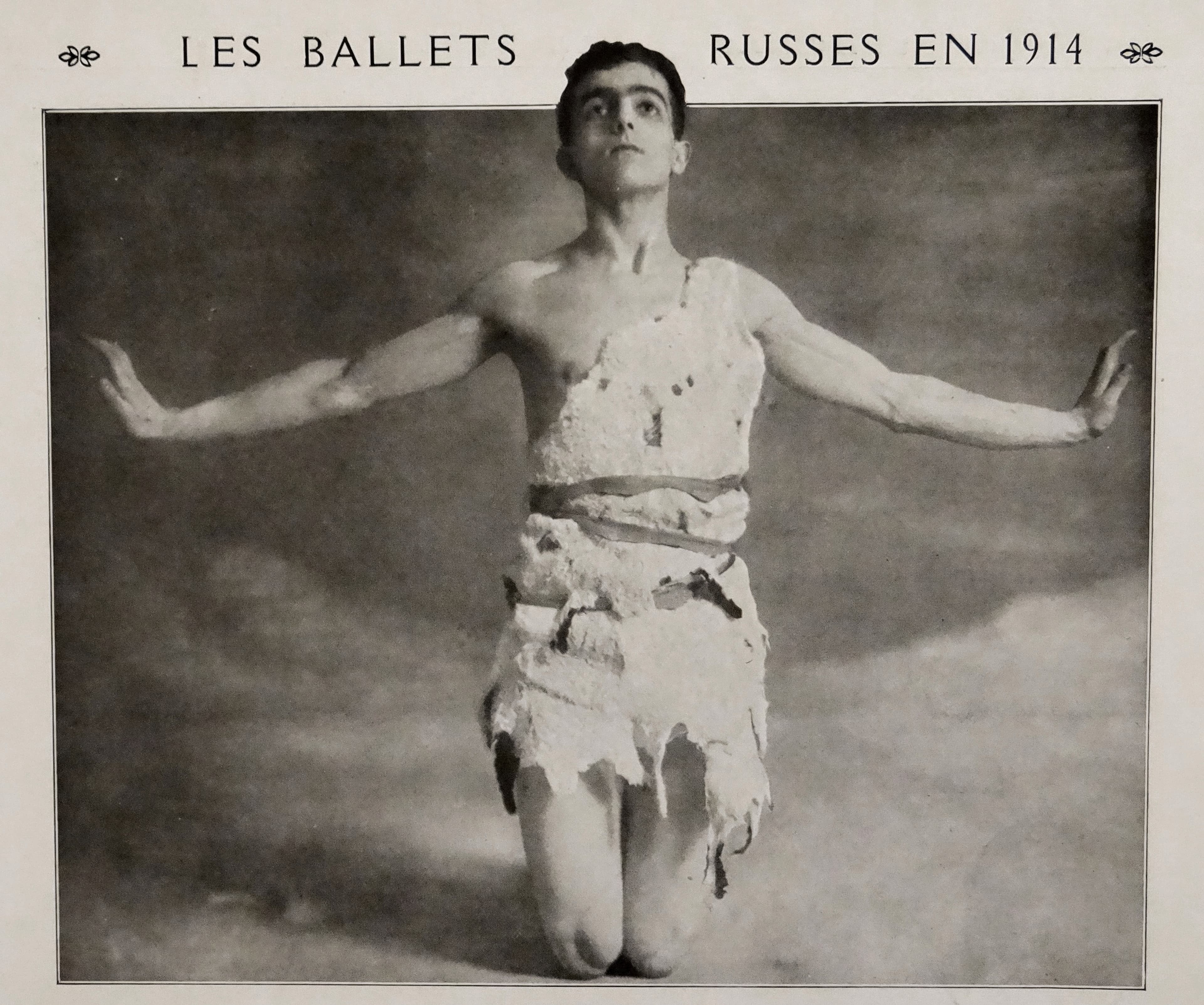
Rudolf Dührkoop — Flickr · Public domain
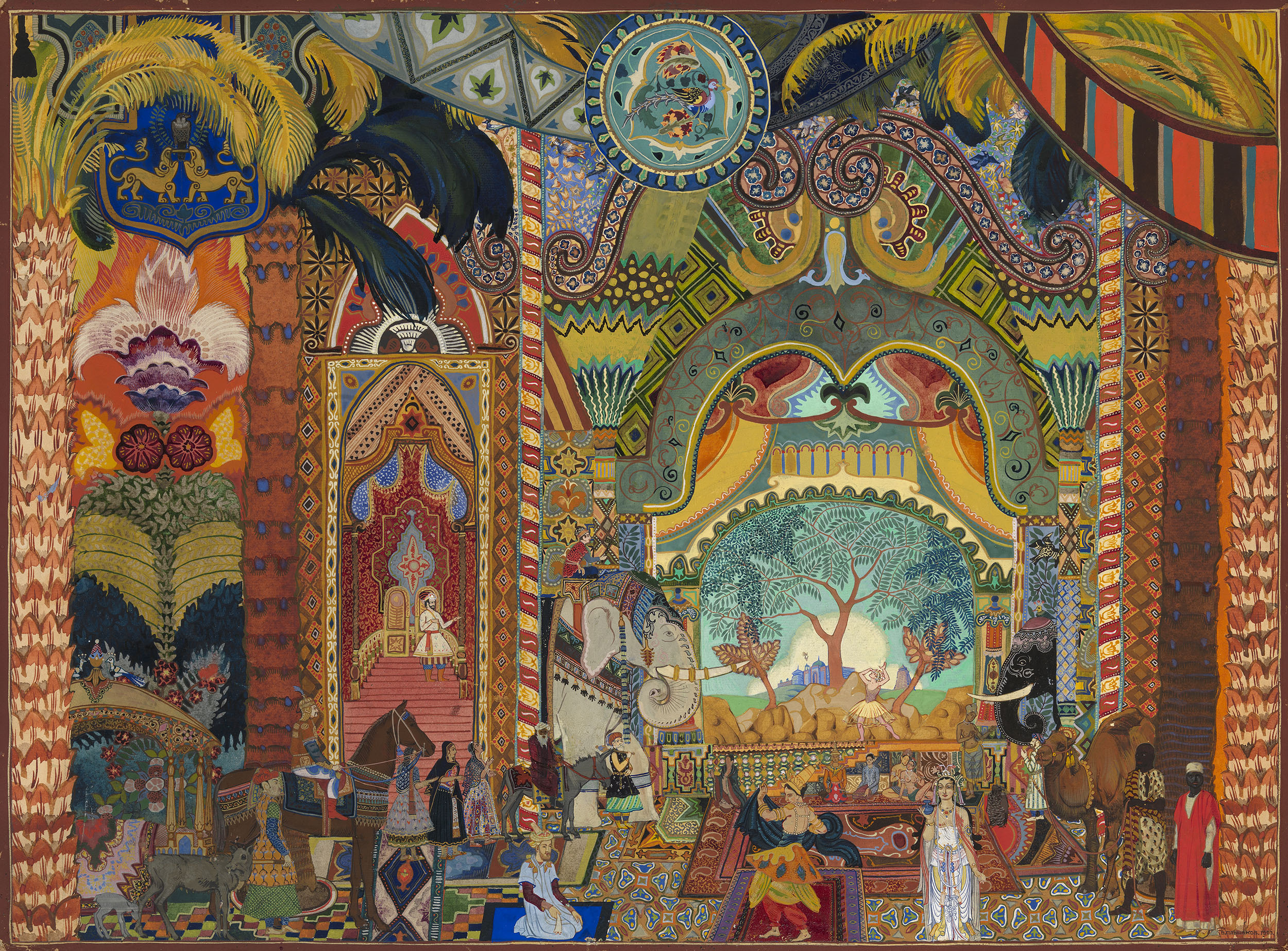
Josephs Legende is a one-act ballet with music by Richard Strauss, composed 1912–1914 to a libretto by Hugo von Hofmannsthal and Harry von Kessler, retelling the biblical story of Joseph and Potiphar's wife. It was created for Diaghilev's Ballets Russes and premiered at the Paris Opéra on 14 May 1914, with sumptuous designs (costumes by Bakst and Benois, sets after Veronese by Josep Maria Sert) and Strauss himself conducting.
What is danced
The article gives no description of steps, holds, or choreographic vocabulary for any version of the ballet — it covers composition history, orchestration, and performance dates, not the movement itself. What can be said with confidence is only structural and biographical: the title role was created for and by Nijinsky, who was then replaced, after his marriage and fall from favour, by Michel Fokine and Léonide Massine as choreographers; later stagings by Balanchine, Tudor and Neumeier are named but none is described in terms of what was actually danced, and the article states outright that none of these later versions was considered more successful than the original.
Context
The ballet belongs to the last phase of pre-war Ballets Russes production, assembled from the company's habitual cross-disciplinary team — Hofmannsthal and Kessler on the book, Strauss on the score, Bakst and Benois on costume, Sert on scenery after Veronese — under Diaghilev's direction. Its choreographic authorship was unsettled even before the premiere: created for Nijinsky, the title role passed to Fokine and Massine after Nijinsky's break with Diaghilev, so the work opened already carrying a substitute choreographic solution rather than a single authorial vision.
Staging history
The Paris premiere ran seven performances in May 1914; a further seven followed in London the same June, with the UK premiere on 23 June conducted alternately by Strauss and by Sir Thomas Beecham, who had personally loaned Diaghilev the money for the commission. The outbreak of war meant Strauss was never paid his fee. The work did not settle into repertory: Balanchine, Tudor and Neumeier each made later versions, and the article notes none surpassed the original in success; Neumeier's Vienna State Ballet production was filmed in 1977 with Judith Jamison and Kevin Haigen.
How to watch it
Because the choreography was never stabilized, a viewer should watch for how each production's choreographer answers the same design and score rather than expecting a fixed textual tradition, as with Petipa repertory. Pay attention to the disjunction the article implies between an opulent, orchestrally exotic score (four harps, castanets, contrabass clarinet) and a title role built around a supposedly 'chaste' protagonist Strauss himself found dramatically inert to set.
Credits
- composer: Richard Strauss
More from Michel Fokine
Other staged works in the register connected to this one by author or lineage.