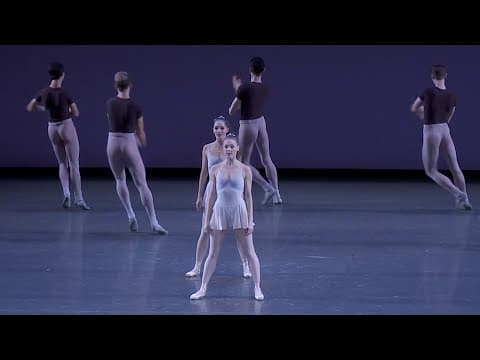
Kammermusik No. 2 is a plotless ballet made by George Balanchine to Paul Hindemith's score of the same name, for solo piano and twelve solo instruments. It premiered on January 26, 1978, at the New York State Theater with New York City Ballet, one of the last works Balanchine made before his death.
What it contains
- Neoclassical Ballet · The whole ballet, for two principal couples and a corps of eight men — Fast, angular, plotless choreography built in close rhythmic counterpoint to a dense modernist chamber score, with corps and principals tracked simultaneously through contrasting material rather than in narrative or mimetic action. Source: "The movement is very angular, very fast. If you lose concentration for one second, you ruin it all."
What is danced
The ballet is built for two lead couples and, unusually for Balanchine, a corps de ballet of eight men rather than women, which led people around the company to call it an inverted Concerto Barocco. Karin von Aroldingen, one of the two originating ballerinas, described the choreography as 'very angular, very fast,' warning that losing concentration for even a second would 'ruin it all' — language that points to sharp, precisely timed, high-velocity phrase work rather than lyrical or narrative dancing. Sean Lavery, the other original male lead, recalled that Balanchine tracked the corps and the principals simultaneously even when they were dancing contrasting material, suggesting contrapuntal structuring between the men's ensemble and the two couples rather than a single unified corps pattern.
The piano part itself was reportedly so difficult that 'even the pianist can't play the notes,' and the dancers took an unusually long time to learn the steps — a sign that the choreography tracks the score's rhythmic and structural complexity closely rather than working against or independently of it. Beyond these first-hand impressions, the article gives no scene-by-scene breakdown of steps or figures.
Context
By 1978 Balanchine had spent decades building a plotless, music-driven idiom for New York City Ballet, and Kammermusik No. 2 followed directly from a stated wish to give the orchestra and dancers a harder problem than his preceding ballet, Ballo della Regina, had posed. Choosing Hindemith's dense chamber score for solo piano and twelve instruments, and building the piece around an all-male corps rather than the more conventional female corps, was itself a departure from the Petipa-descended convention of women's corps de ballet that even his own most celebrated abstract works (such as Concerto Barocco) had followed.
Staging history
The ballet remains with New York City Ballet but, per the article, is revived there less often than other Balanchine works in the repertory. It has also been staged by Los Angeles Ballet, Boston Ballet and Louisville Ballet. After Balanchine's death the performance rights passed to Karin von Aroldingen, one of its two original ballerinas, along with five other of his ballets.
How to watch it
Watch for the interplay between the two principal couples and the eight-man corps — accounts from original cast members describe Balanchine tracking both groups doing different things at once, so the interest is contrapuntal rather than unison. Expect fast, angular phrasing keyed tightly to Hindemith's dense chamber score, including a demanding solo piano part; this is a work about musical and structural rigor rather than mime or story.
More from George Balanchine
Other staged works in the register connected to this one by author or lineage.
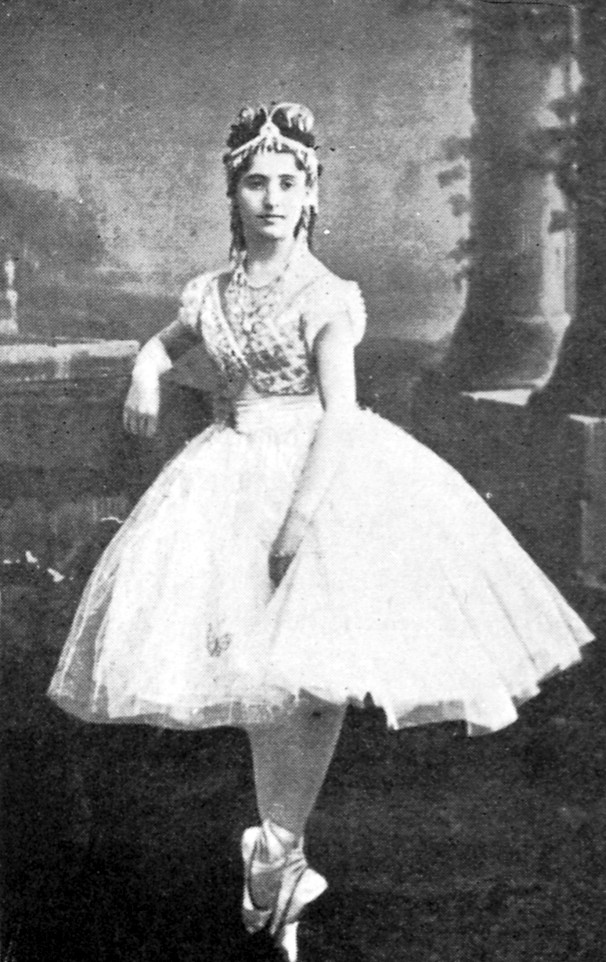 CoppéliaBallet · 1870Balanchine · video
 ApolloBallet · 1928Balanchine · video
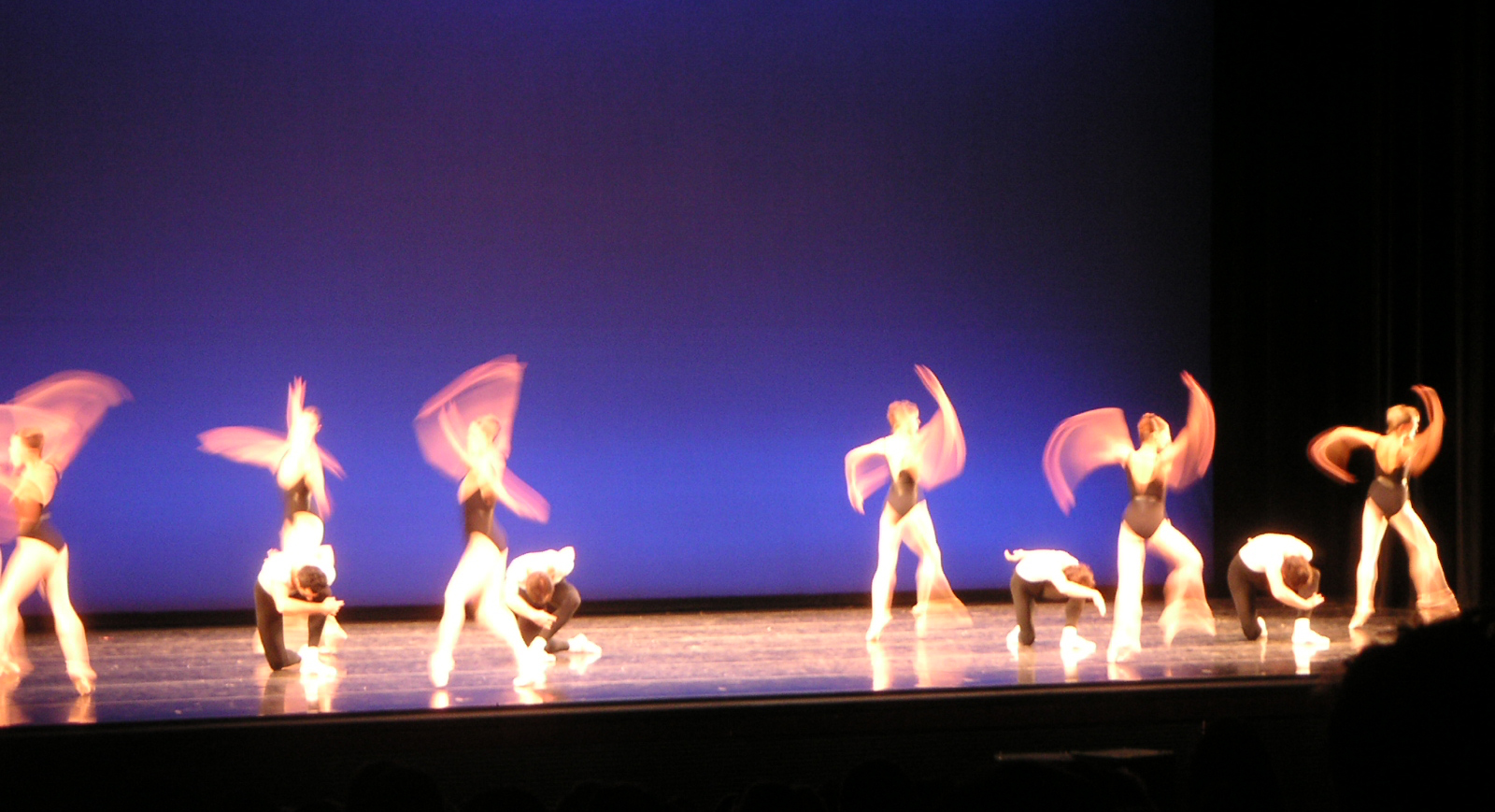 AgonBallet · 1957Balanchine · video
 Le chant du rossignolBallet · 1920Balanchine · video
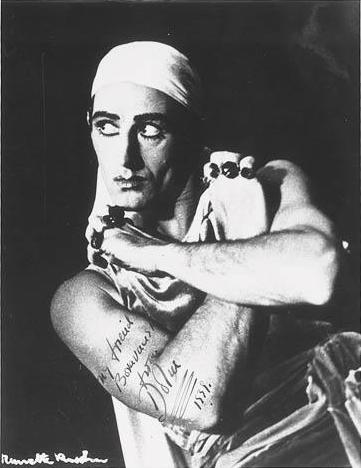 The Prodigal SonBallet · 1929Balanchine · video
 The Seven Deadly SinsBallet · 1933Balanchine · video
- Le Bourgeois GentilhommeLe Bourgeois GentilhommeBallet · 1932Balanchine
 Liebeslieder WalzerBallet · 1960Balanchine · video