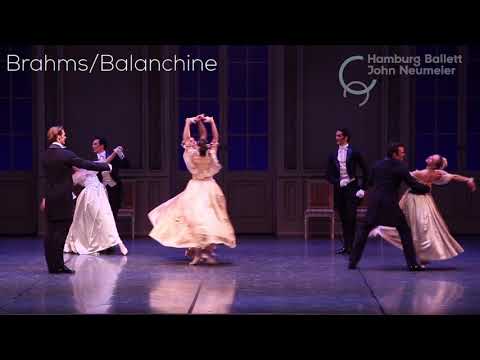
Liebeslieder Walzer is a two-part neoclassical ballet made by George Balanchine to Brahms' Liebeslieder Waltzes, Op. 52 and Neue Liebeslieder, Op. 65, and premiered by New York City Ballet at the New York City Center on 12 November 1960. It is built for four couples only, with a live vocal quartet and two pianists performing on stage, and it has no plot in the conventional sense — Balanchine described it simply as being about the 'changing aspects of love.'
What it contains
- Classical Ballet · Second part of the ballet, after the women change into tutus and pointe shoes — Women dance in romantic tutus and pointe shoes and the choreography adopts classical ballet vocabulary, described directly as resembling classical ballet in style. Source: "This section's style resemble classical ballet"
- Neoclassical Ballet · the whole ballet, both parts — Balanchine-made choreography for four couples that moves between social ballroom partnering and pointe-based classical vocabulary within a single, plotless structure built directly on the Brahms score. Source: "Liebeslieder Walzer is a two-part neoclassical ballet choreographed by George Balanchine"
- Viennese Waltz · First part of the ballet, before the costume change — Couples dance in ballroom dress, heels and tailcoats, performing ballroom waltz partnering rather than turned-out ballet steps. Source: "while the men wears tailcoats, dancing ballroom waltz"
What is danced
The ballet is built in two halves that use two different dance idioms on the same four couples. In the first half the women wear satin ballroom dresses and heels and the men wear tailcoats, and the choreography is danced as ballroom waltz — social partnering built on the sweep and turn of the Brahms waltz rather than turned-out ballet vocabulary. After a brief pause with the curtain down, the women change into romantic tutus and pointe shoes (the men merely remove their gloves), and the same doors open onto a view of the sky; from this point the choreography shifts into classical ballet vocabulary proper, danced on pointe. The ballet closes with the four couples returning two by two in their first-half costumes to listen, motionless, to the final song — a deliberate withholding of dance at the very end.
The article singles out the couples' interplay — 'different kinds of emotions and subtle behavior' — as the hardest thing to bring off, meaning the demands here are less about steps than about sustaining adult, undemonstrative partner-to-partner acting through long stretches of waltz-based and then classical partnering. There are no featured virtuoso variations described; the difficulty is ensemble and interpretive, spread evenly across the four couples rather than concentrated in a lead pair.
Context
The article does not describe the broader dance landscape of 1960 in any detail, so context here is limited to what it states about the piece's own making: Balanchine said he 'had to do dances set to this music' despite its unusual length (33 songs across two Brahms opuses), and he later distinguished the two halves as 'the real people' dancing versus 'their souls,' framing the shift from ballroom dress to tutu and pointe as a shift in register rather than in story.
Staging history
The original 1960 production used a bourgeois-salon set by David Hays; in 1984, a year after Balanchine's death, Lincoln Kirstein commissioned a new Rococo-inspired set from David Mitchell, modelled on Nymphenburg Palace, which the article states was closer to what Balanchine himself had originally envisioned. Rights passed to Karin von Aroldingen, who had danced the role created for Diana Adams and had taught the ballet at Balanchine's own request during his lifetime; the work has since been staged by Vienna State Ballet, The Royal Ballet, Ballett Zürich, Pacific Northwest Ballet, Boston Ballet and San Francisco Ballet. In 2020 New York City Ballet released two archival extracts online (a 2012 recording with Maria Kowroski and Jonathan Stafford, and a 2016 recording with Lauren Lovette, in a role debut, and Jared Angle) during pandemic performance cancellations.
How to watch it
Watch for the costume change at the midpoint: the same four couples, the same room, but the women move from heels and ballroom gowns to pointe shoes and tutus, and the dancing visibly shifts from social waltz-partnering to classical ballet vocabulary. The onstage singers and pianists, dressed identically to the dancers, are part of the visual composition, not an offstage pit. The final tableau — couples motionless in their first-half clothes through the last song — is the piece's deliberate refusal of a closing dance.
Credits
- composer: Johannes Brahms
More from George Balanchine
Other staged works in the register connected to this one by author or lineage.
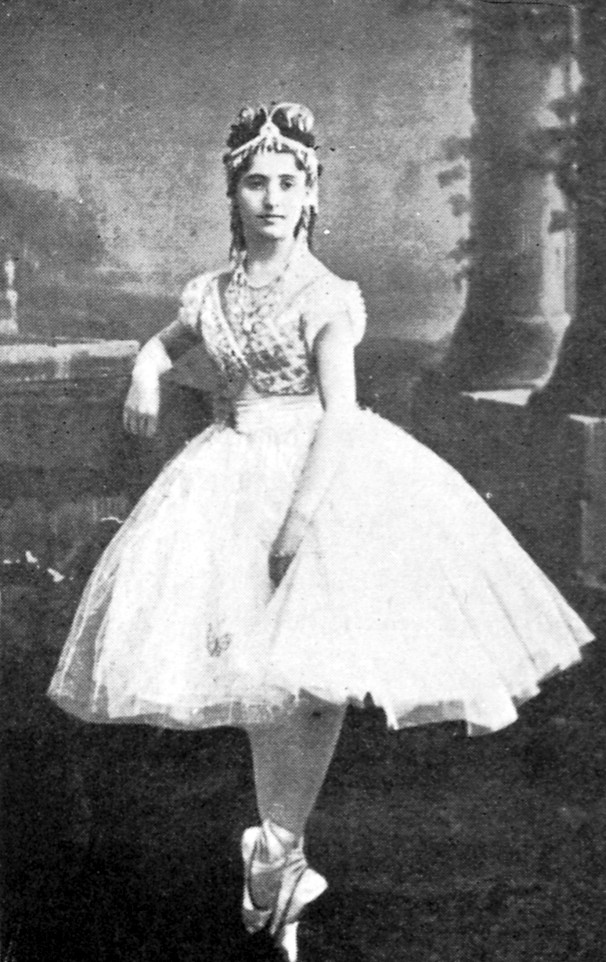 CoppéliaBallet · 1870Balanchine · video
 ApolloBallet · 1928Balanchine · video
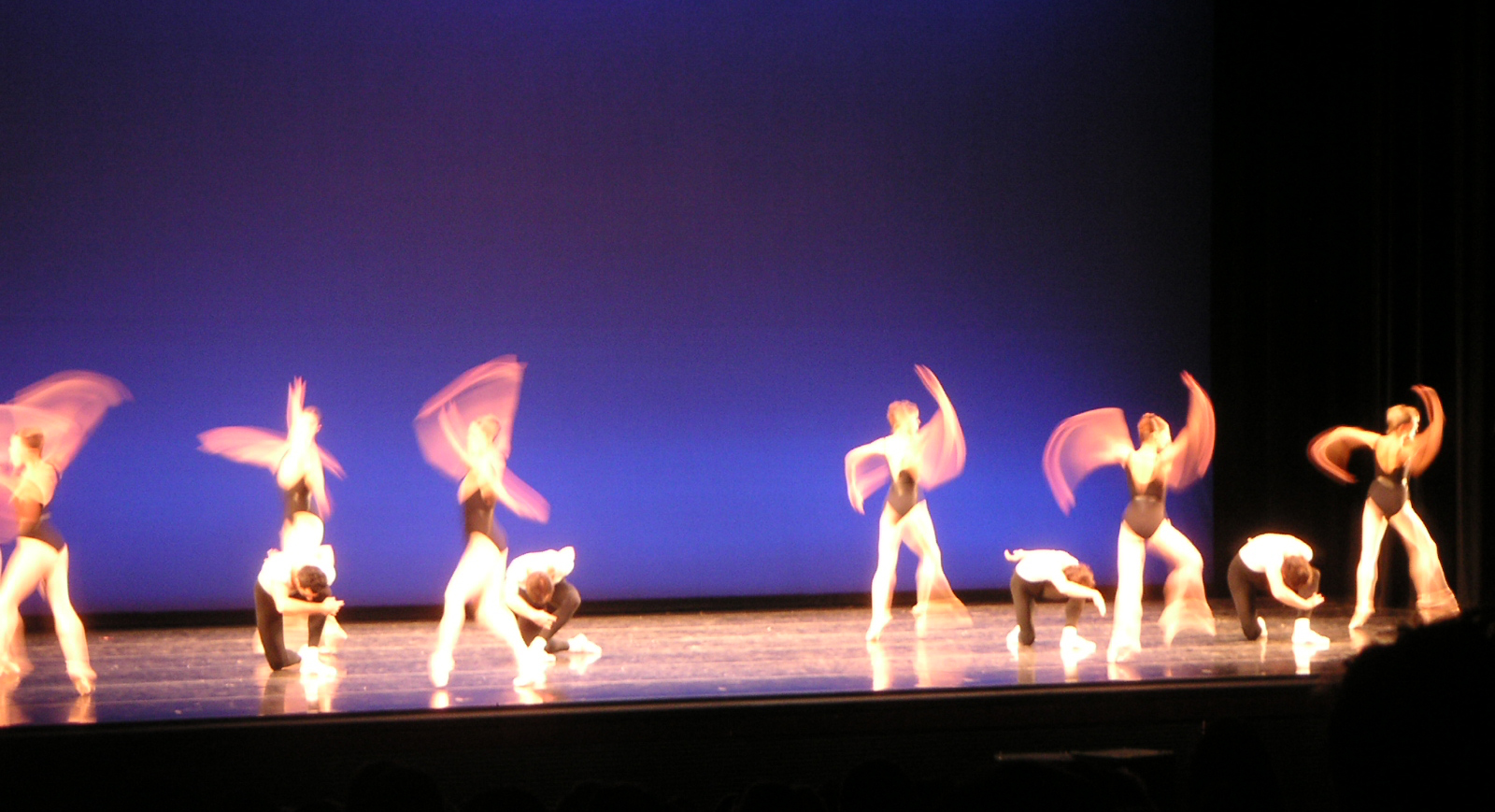 AgonBallet · 1957Balanchine · video
 Le chant du rossignolBallet · 1920Balanchine · video
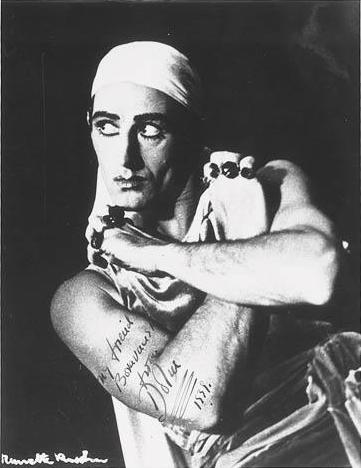 The Prodigal SonBallet · 1929Balanchine · video
 The Seven Deadly SinsBallet · 1933Balanchine · video
 Ballo della ReginaBallet · 1978Balanchine · video
 Raymonda VariationsBallet · 1961Balanchine · video