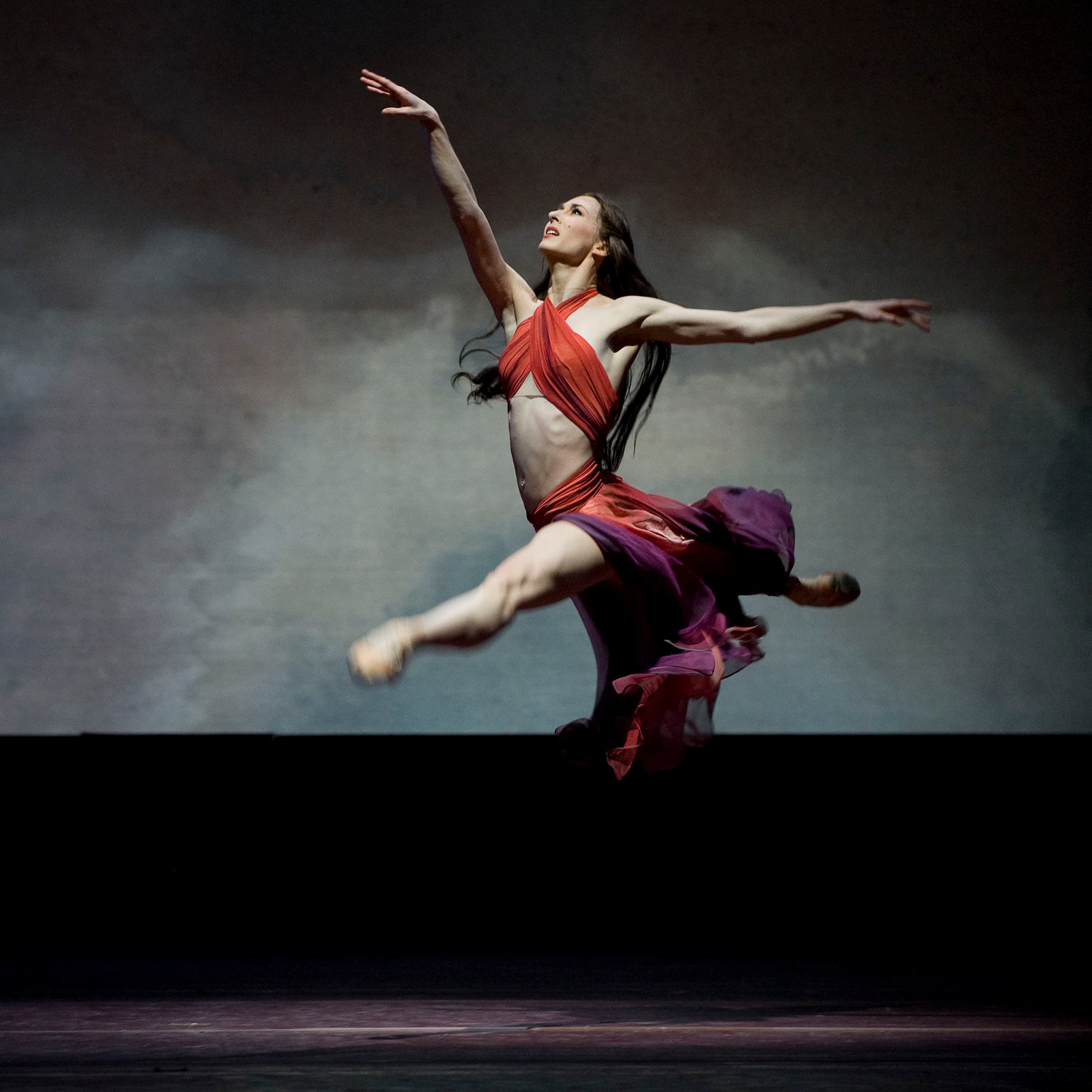
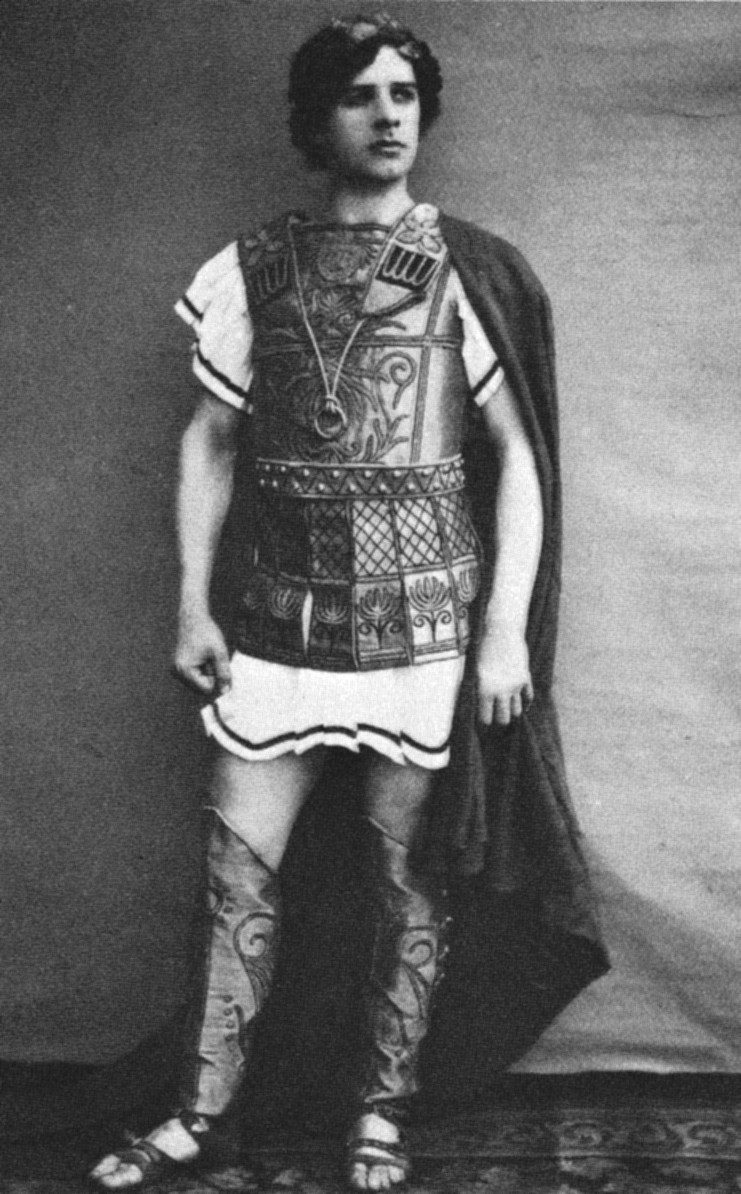
Alexander Kenney — http://www.mynewsdesk.com/se/pressroom/kungliga_operan/image/view/ringaren-i-notre-dame-99283 · CC BY 3.0
La Esmeralda is a Romantic-into-classical narrative ballet in three acts and five scenes, choreographed by Jules Perrot to music by Cesare Pugni and based on Victor Hugo's 1831 novel Notre-Dame de Paris. It premiered at Her Majesty's Theatre, London, on 9 March 1844, with Carlotta Grisi as Esmeralda, Perrot himself as Gringoire, Arthur Saint-Léon as Phoebus, Adelaide Frassi as Fleur de Lys and Antoine Louis Coulon as Quasimodo, with designs by William Grieve and Mme. Copère.
What it contains
- Classical Ballet · The surviving excerpted numbers performed outside the full ballet: the La Esmeralda pas de deux, La Esmeralda pas de six, and the frequently paired (though unrelated) Diane and Actéon pas de deux — Partnered adagio-allegro pas de deux and ensemble pas de six built on classical danse d'école vocabulary - pointe work, turns, extensions and lifts - plus solo variations extracted for competition use, which demand sustained balances, precise petit and grand allegro, and clean turning sequences. Source: "Most Western ballet companies perform only two Esmeralda-related pieces—La Esmeralda pas de deux and La Esmeralda pas de six—and the Diane and Actéon Pas de Deux"
- Romantic Ballet · The original 1844 production as a whole — A ballerina-centred vehicle (created for Carlotta Grisi) combining mime-driven dramatic scenes with featured solo and pas de deux dancing for the heroine, in the house style Perrot and Pugni were working in at Her Majesty's Theatre in the mid-1840s. Source: "first presented by the Ballet of her Majesty's Theatre, London on 9 March 1844, with Carlotta Grisi as Esmeralda, Jules Perrot as Gringoire, Arthur Saint-Leon as Phoebus, Adelaide Frassi as Fleur de Lys, and Antoine Louis Coulon as Quasimodo."
What is danced
The article gives plot but almost no step-level detail, so what can be said about the dancing has to be pieced together from structure and later performance practice. The original construction follows the standard Romantic-ballet pattern of mime-driven dramatic scenes (the abduction attempt, the courtroom-style condemnation, the tavern confrontation between Frollo, Phoebus and Esmeralda) alternating with formal danced set pieces for the ballerina - the plot itself notes that at Fleur de Lys's engagement celebration Esmeralda "arrives to entertain the guests," i.e. dances a featured solo within the drama rather than outside it.
What survives in the general Western repertory today is not the full ballet but two extracted numbers, the La Esmeralda pas de deux and La Esmeralda pas de six, plus solo variations that are staples of the student-competition circuit - meaning the technical content that dancers now train on is classical partnered adagio-allegro work and demanding solo variations (turns, jumps, sustained balances) rather than the original pantomime scenes.
The Diane and Actéon pas de deux, though almost always billed alongside Esmeralda excerpts, is not from this ballet at all: it was assembled by Agrippina Vaganova in 1935 from a hunting-themed pas de diane in Petipa's Le Roi Candaule, as a showpiece for Galina Ulanova and Vakhtang Chabukiani, and only later attached to Esmeralda's reputation by mistake.
Petipa's 19th-century revivals layered further star vehicles onto the ballet for specific ballerinas - a Pas de deux for Claudina Cucchi (the "Pas Cucchi"), a Pas de dix for Eugenia Sokolova, and a Pas de cinq for Adèle Grantzow - none of which are described in movement terms in the article, but which show the work being repeatedly retooled as a display piece for individual technique in the manner typical of the Imperial Ballet.
Context
The 1844 premiere sits at the height of Romantic ballet in London and Paris, with Perrot and Pugni working around the same star, Carlotta Grisi, who had created Giselle two years earlier; the ballet's mix of Gothic melodrama and virtuoso dance for its ballerina is characteristic of the period's house style. The work then crossed into the Imperial Russian repertory, where Petipa's 1886 and 1899 revivals (with musical additions by Riccardo Drigo and others) reshaped it toward the grander, more spectacle-driven structure of late-19th-century classical ballet, and where Soviet-era stagings by Vaganova and Gusev kept adapting it further, including grafting on the now-famous but historically unrelated Diane and Actéon pas de deux.
Staging history
Perrot restaged the ballet for the Imperial Ballet in St Petersburg in 1849 for Fanny Elssler, with Pugni revising his own score. Petipa mounted new productions in 1886 (for Virginia Zucchi, with musical revisions and additions by Drigo) and 1899 (for Mathilde Kschessinskaya), having already inserted extra numbers for other ballerinas in 1866, 1871 and 1872. Vaganova revived it for the Kirov in 1935, adding the borrowed Diane and Actéon pas de deux; Gusev restaged it for the Kirov again in 1949; and in 2009 Yuri Burlaka and Vasily Medvedev reconstructed Petipa's 1899 version for the Bolshoi Ballet. Outside Russia and Eastern Europe the full ballet is rare - the New Jersey Ballet gave the first complete American staging in 2004 and Russian Ballet Orlando followed in 2021 - while most other companies perform only the extracted pas de deux, pas de six, and the misattributed Diane and Actéon pas de deux.
How to watch it
Watch for the alternation between extended dramatic pantomime (the abduction, the trial, the tavern scene) and set-piece dancing for the ballerina - this alternation is the Romantic-ballet convention the piece was built on. If you see only the pas de deux, pas de six, or the Diane and Actéon pas de deux on a gala programme, remember the last of these is not actually from Esmeralda despite the billing; treat the surviving excerpts as classical showpieces detached from their original plot function rather than as evidence of the full ballet's dramaturgy.
More from Jules Perrot
Other staged works in the register connected to this one by author or lineage.
 GiselleBallet · 1841Perrot · video
 Pas de QuatreBallet · 1845Perrot · video
- Catarina or La Fille du BanditBallet · 1846Perrot
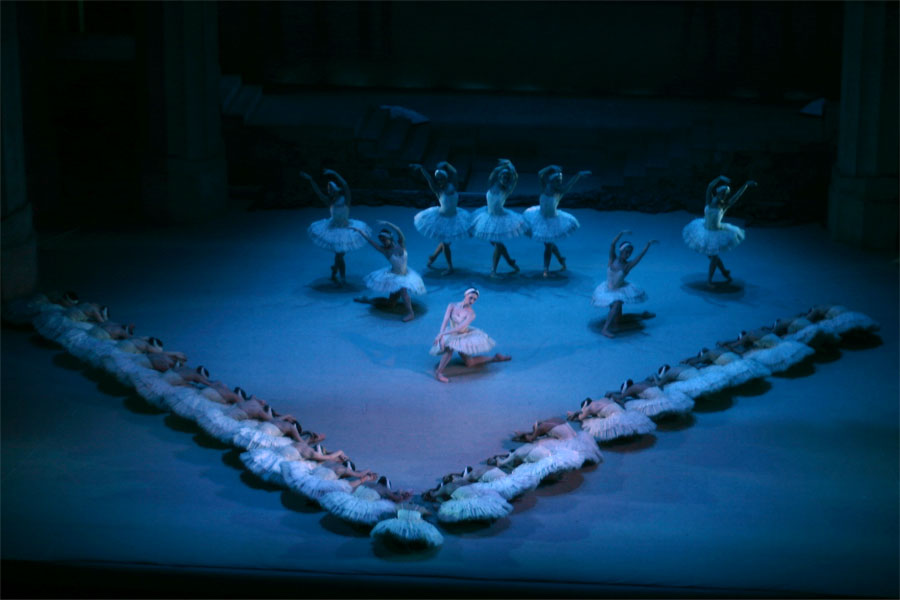 Swan LakeBallet · 1877Same lineage · video
 The NutcrackerBallet · 1892Same lineage · video
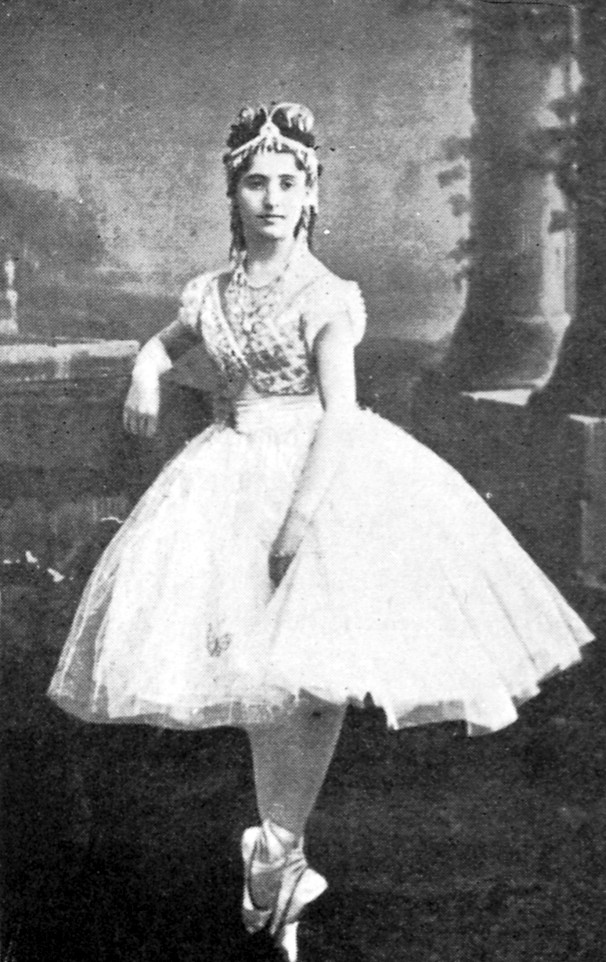 CoppéliaBallet · 1870Same lineage · video
 La sonnambulaBallet · 1946Same lineage · video
 The VestalBallet · 1888Same lineage
