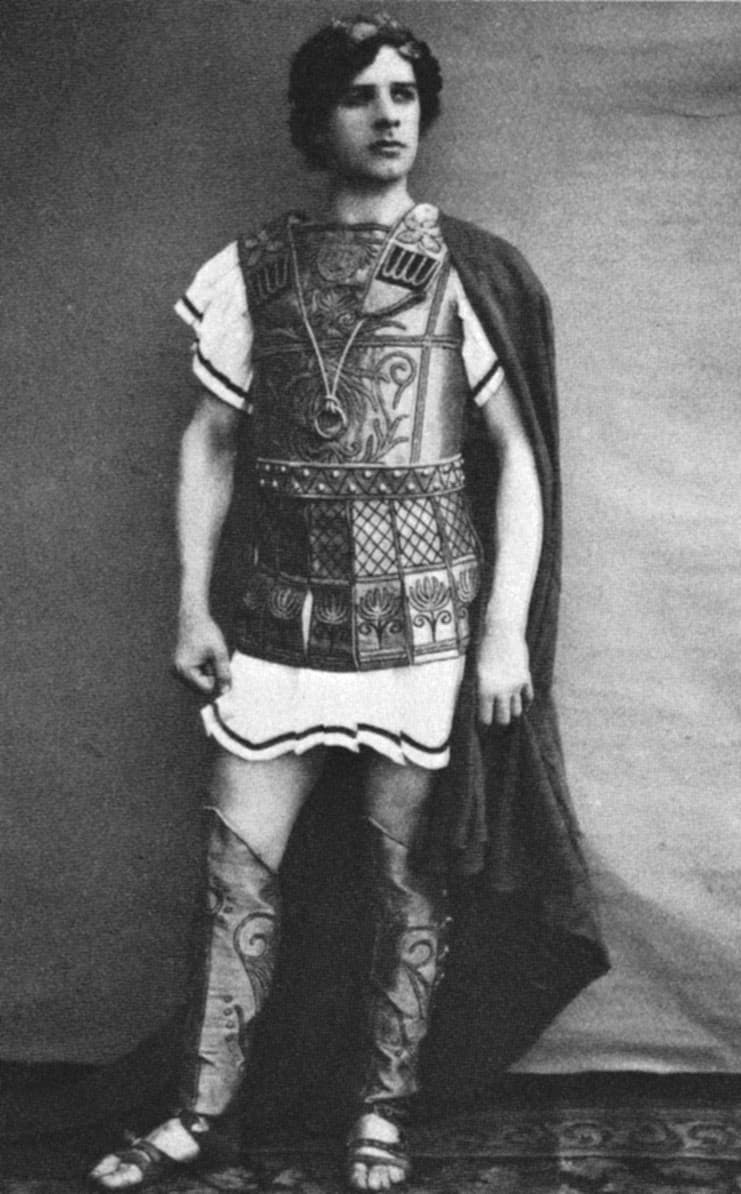
The Vestal (La Vestale) was a grand three-act, four-scene ballet made by Marius Petipa to music specially composed by Mikhail Ivanov, given its premiere on 29 January/17 February 1888 at the Imperial Mariinsky Theatre in St Petersburg as a benefit performance for the Italian ballerina Elena Cornalba. Set in Ancient Rome with gods, goddesses and emperors, it was staged on a scale that contemporaries called the epitome of the Ballet à Grand Spectacle, and ballet historians regard it as a direct forerunner of Petipa's own The Sleeping Beauty two years later.
What it contains
- Classical Ballet · the whole ballet, as staged in 1888 for the Imperial Ballet — Described by contemporaries as the epitome of grand-spectacle Imperial ballet and by later historians as the direct predecessor of The Sleeping Beauty, placing it in the classical vocabulary and grand narrative structure Petipa was consolidating in the late 1880s. Source: "the work was the epitome of the Ballet à Grand Spectacle"
What is danced
No choreographic notation of The Vestal survives, and the article does not describe the steps of any scene or set piece, so the entry cannot reconstruct what was actually danced act by act. What can be said with confidence is that the work belonged to the grand-spectacle mode Petipa was developing in the late 1880s for virtuoso Italian ballerinas — the same current that produced The Sleeping Beauty — and that it was built around fantastical, mythological subject matter (gods, goddesses, emperors) staged with the most elaborate sets, costumes and props then seen on the Imperial stage.
Two fragments of the original score survive as independent solo variations, which is the closest the article gets to concrete movement information: a variation for Cupid, the God of Love, titled L'Amour, and a variation composed for Cornalba herself titled L'Echo, both added to Ivanov's score by Riccardo Drigo. Both are the standard Petipa-era form of a single bravura ballerina or demi-caractère solo, and both now circulate outside The Vestal entirely — L'Amour inside the Paquita Grand Pas Classique, L'Echo inside the Awakening of Flora Pas de quatre, both as staged by Yuri Burlaka for the Bolshoi Ballet.
Context
The Vestal was created in the wake of Virginia Zucchi's sensational St Petersburg performances in La Esmeralda, which convinced Petipa that Italian virtuosa ballerinas could carry works of unprecedented scenic ambition. It sits in the run of showcase ballets Petipa built for these dancers in the mid-to-late 1880s, and its score is noted as the first ballet music for the Imperial stage supplied by a trained symphonic composer rather than a house ballet composer — a step toward the more musically serious scores (Tchaikovsky's above all) that followed. Its identification by historians as the direct predecessor of The Sleeping Beauty (1890) places it at the hinge point where Petipa's grand-spectacle style was consolidating into the form that would define classical ballet for the rest of the century.
Staging history
The ballet itself has not survived in performable form — it was never notated and is not staged today. Its afterlife exists only through two Drigo variations lifted from its score: L'Amour (for Cupid) and L'Echo (composed for Cornalba), both revived by choreographer Yuri Burlaka and incorporated into unrelated Petipa-repertory reconstructions — the Paquita Grand Pas Classique and the Awakening of Flora Pas de quatre — rather than performed as part of The Vestal.
How to watch it
There is no complete staging to watch; the work survives only as a historical reference point and as two orphaned musical variations. To hear anything connected to The Vestal in performance, one has to watch the Paquita Grand Pas Classique (for the Cupid variation L'Amour) or the Awakening of Flora Pas de quatre (for L'Echo), both in Yuri Burlaka's stagings for the Bolshoi Ballet, and understand them as fragments of a much larger lost grand-spectacle ballet rather than as choreography Petipa made for those pieces.
Credits
- composer: Mikhail Ivanov
More from Marius Petipa
Other staged works in the register connected to this one by author or lineage.
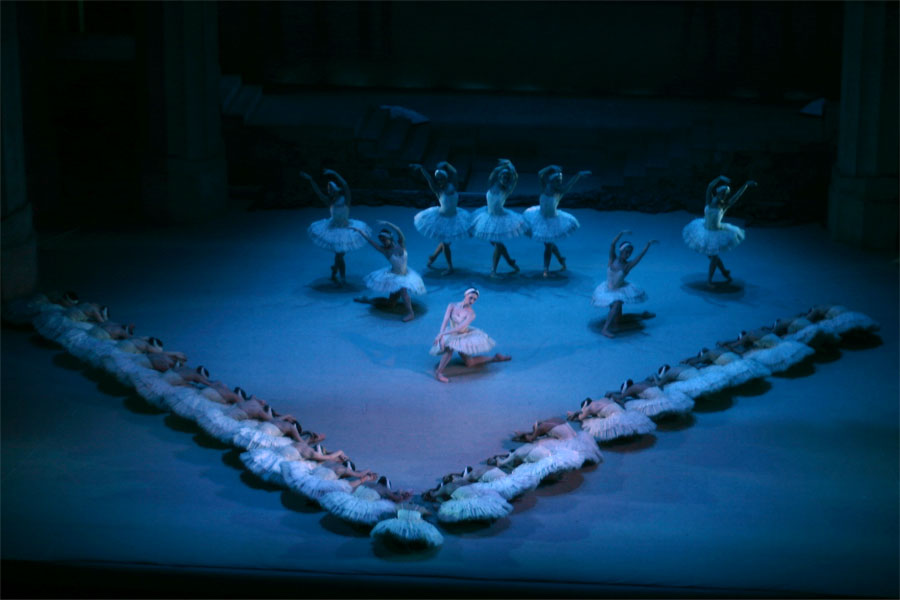 Swan LakeBallet · 1877Petipa · video
 The NutcrackerBallet · 1892Petipa · video
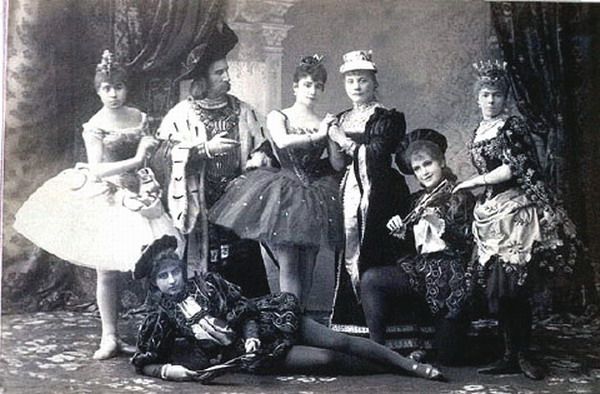 The Sleeping BeautyBallet · 1890Petipa · video
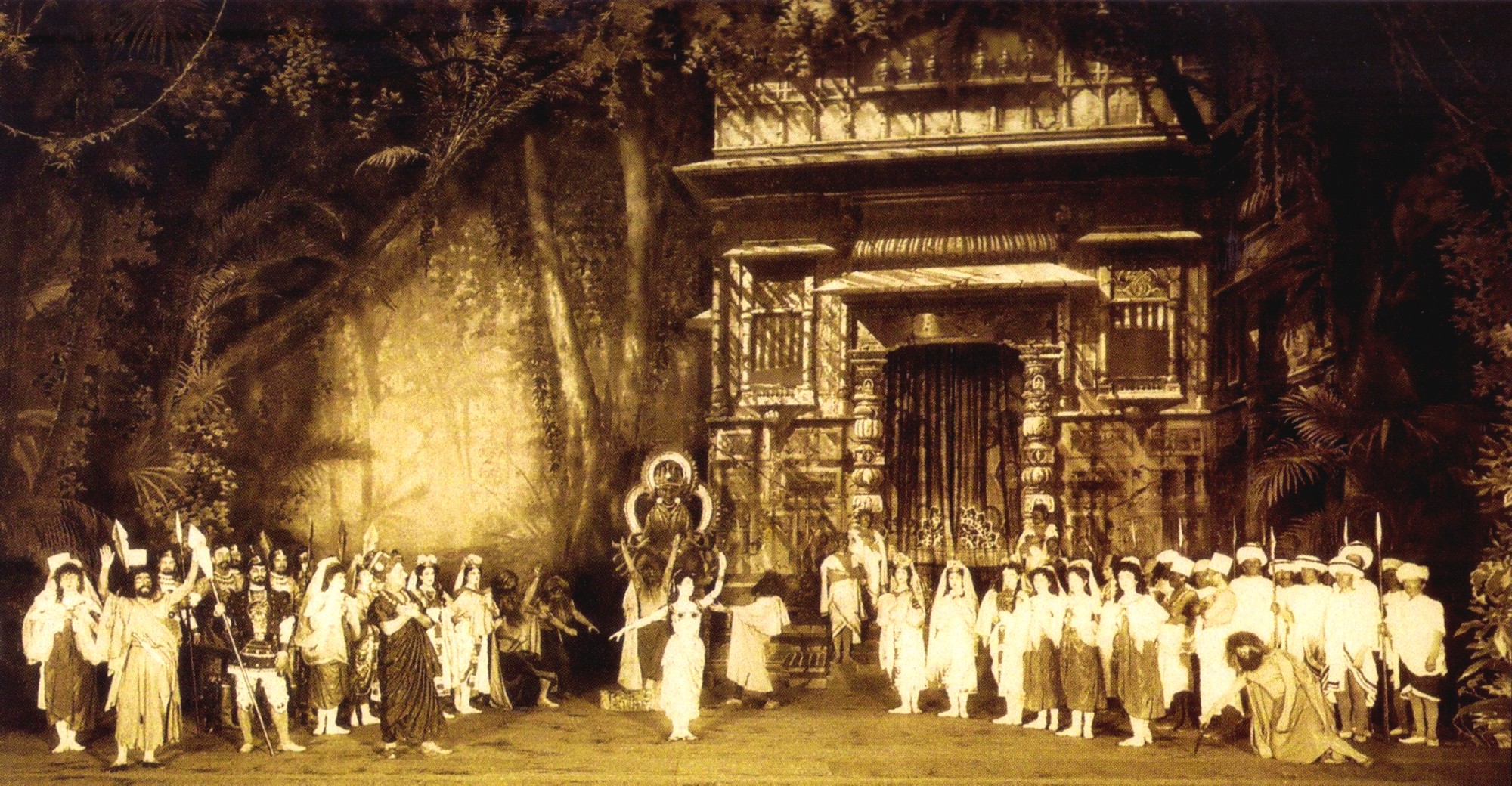 La BayadèreBallet · 1877Petipa · video
 Don QuixoteBallet · 1869Petipa · video
 RaymondaBallet · 1898Petipa · video
 La PériBallet · 1912Same lineage · video
 FaçadeBallet · 1931Same lineage · video