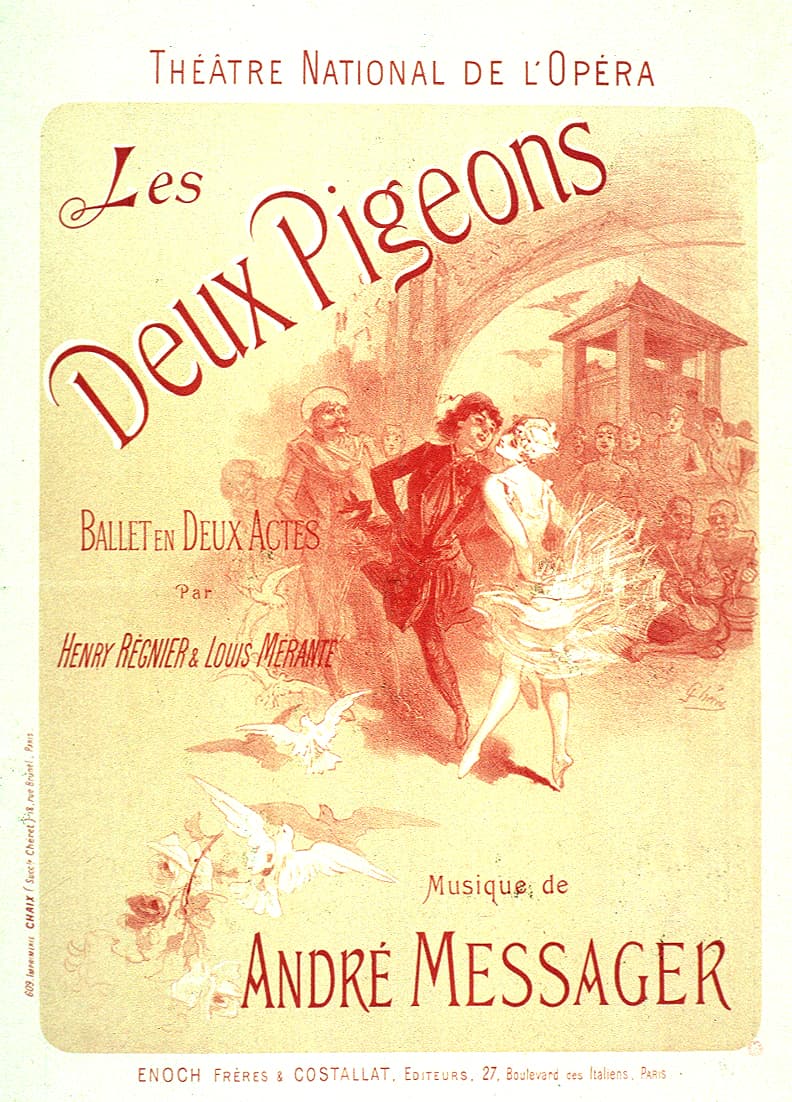
Jules Chéret — Bibliothèque municipale de Lyon · Public domain
Les Deux Pigeons is a two-act ballet-pantomime made by Louis Mérante to a score by André Messager, first given at the Paris Opéra on 18 October 1886 with Rosita Mauri and Marie Sanlaville, based on La Fontaine's fable The Two Pigeons. It belongs to the late-nineteenth-century Opéra tradition of fable ballets built around a central mimed pas de deux and a divertissement of 'exotic' character dance, here supplied by a troupe of gypsies.
What it contains
- Classical Ballet · Original 1886 version, Act I, the opening pas de deux between Pépio and Gourouli — A partnered pas de deux danced as a literal enactment of two pigeons — small, irritated head movements standing in for a quarrel, resolving into a coming-together; the sequence establishes the ballet's central mimetic duet form. Source: "their pas de deux at the start in imitation of two pigeons they have been observing, quarrelling with small irritated movements of the head and then coming together to make up."
What is danced
The ballet turns on a device rather than a set step vocabulary: the two lovers' opening pas de deux is danced as a literal imitation of quarrelling and reconciling pigeons, with small, sharp head movements standing in for the quarrel before the partners come together. This mimetic duet frames the whole piece and returns, transformed, at the reunion. Around it sits a block of character/national dance: the gypsy troupe's 'energetic czardas' seduces the hero away from home, and in the camp scene the heroine, disguised, dances a seductive solo with her hair unbound rather than in the pink wig of act one — a costume-driven change of register within the same dancer's dual role. The storm and robbery that follow are staged as mimed action rather than described as danced steps. The published concert suite's movement titles (Entrée des tziganes, Danse hongroise, Scène et pas de deux des pigeons, Thème et variations, Finale) confirm that gypsy/Hungarian character dance and a formal pas de deux and variations sequence were structural set pieces, though the article gives no step-by-step technical detail beyond this.
Context
The work sits in the French Opéra's tradition of ballet-pantomime built on a fable or genre subject, danced alongside opera on a mixed bill — it premiered the same evening as a performance of La Favorite. Messager's commission, backed by Saint-Saëns, followed his lighter ballets for the Folies Bergère, and the piece is part of a late-nineteenth-century Paris repertoire increasingly leaning on character/exotic divertissement (here gypsy dance) around a central mimed love story, rather than the supernatural machinery of earlier Romantic ballet. Messager's own score-related revisions decades later fed directly into Frederick Ashton's independent 1961 ballet The Two Pigeons, meaning this score has a double afterlife in twentieth-century British narrative ballet as well as in the nineteenth-century French repertoire.
Staging history
The work was shortened by Messager himself for a London production in 1906 (choreography by François Ambroisiny) and this shortened score became the published 'final version', used again for the 1912 Opéra revival. Albert Aveline made a one-act version at the Opéra in 1919, and it was not until 1942 that a man first danced the role of Pépio, which had originally been created for and long retained by a woman. The 1906 shortened score also prompted Ashton to create an entirely separate, newly choreographed ballet to the same music, premiered as The Two Pigeons at Covent Garden on 14 February 1961 with Lynn Seymour and Christopher Gable, subsequently staged by companies including Houston Ballet (1983), CAPAB and Australian Ballet.
How to watch it
Watch the framing pas de deux for its head-and-shoulder 'bird' gestures rather than for bravura steps — the quarrel-and-reconciliation logic is the point. Note the ballerina's costume change (pink wig to unbound black hair) as the visible marker of her disguise across the two acts, and watch the gypsy troupe's dances as the 'exotic' contrast block that pulls the hero away from the domestic pas de deux.
Structure
- Act IThe lovers' opening pas de deux mimics quarrelling and reconciling pigeons; a troupe of visiting gypsies dances an energetic czardas, seducing Pépio, who flirts with Djali and leaves with them.
- Act IIDisguised as a gypsy with her hair unbound (rather than the pink wig of act one), Gourouli infiltrates the camp and bribes a man to torment Pépio; a storm allows the gypsies to rob him, and he returns home to ask forgiveness.
- Act IIn Ashton's version a painter and his restless model are interrupted by gypsies; a quarrel breaks out over a chair between the model and a 'hot-blooded Carmen' figure, and the painter leaves with the gypsy troupe.
- Act IIThe painter is thrown out of the gypsy encampment, returns to his lover, and the pair are reconciled, with both live pigeons perching above them.
Structure read from an encyclopaedia article, not from a libretto or score we hold. Confirm against a programme before treating the numbering as authoritative.
Credits
- composer: André Messager
More from Louis Mérante
Other staged works in the register connected to this one by author or lineage.
 SylviaBallet · 1876Mérante · video
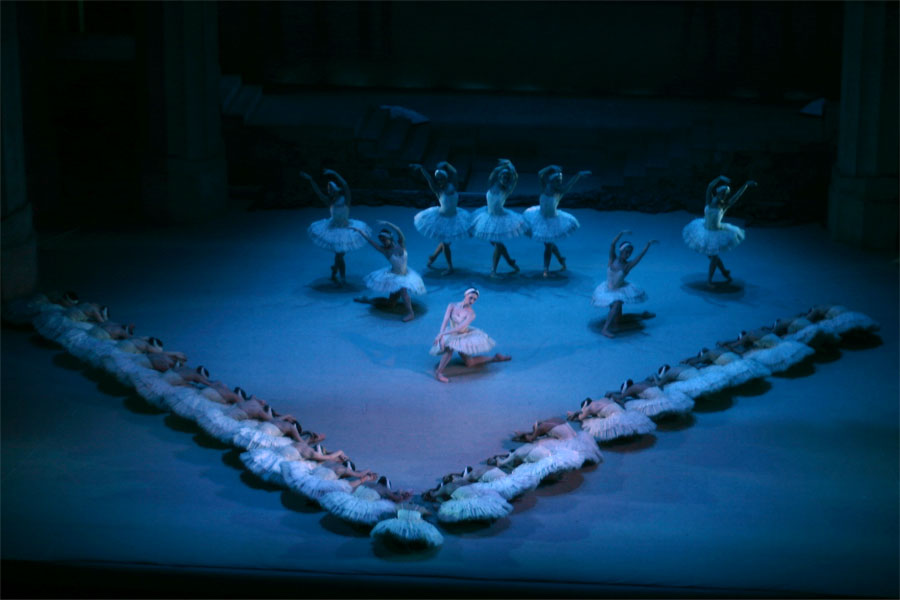 Swan LakeBallet · 1877Same lineage · video
 The NutcrackerBallet · 1892Same lineage · video
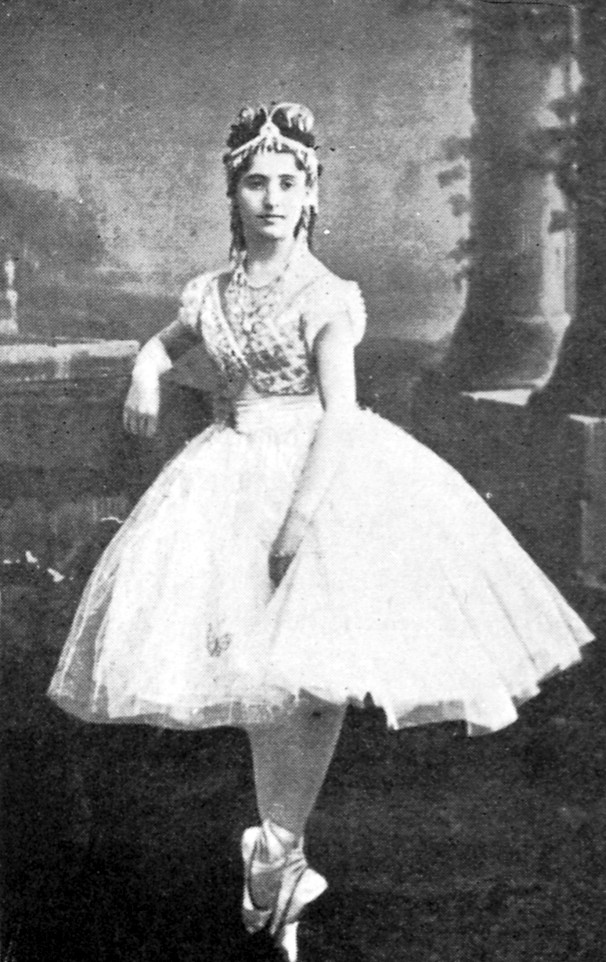 CoppéliaBallet · 1870Same lineage · video
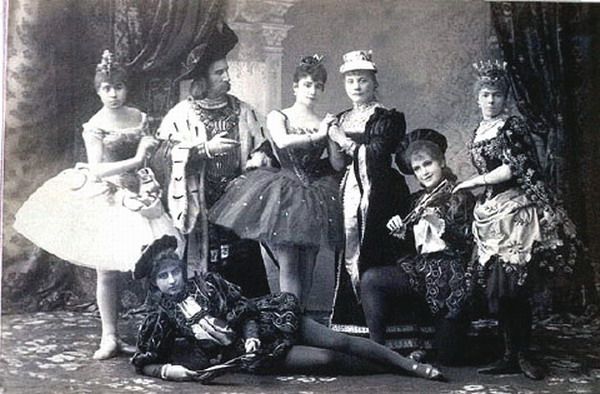 The Sleeping BeautyBallet · 1890Same lineage · video
 The FirebirdBallet · 1910Same lineage · video
 Stars and StripesBallet · 1958Same lineage · video
 La PériBallet · 1912Same lineage · video