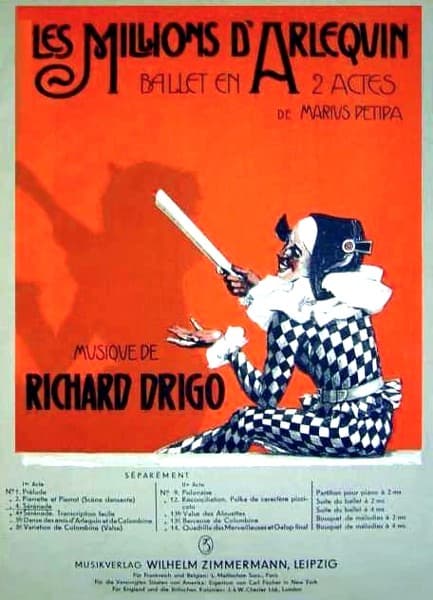
Mikhail Zimmerman, European publisher of sheet music. — Self-scanned · Public domain
Les Millions d'Arlequin is a two-act, two-tableau "ballet comique" made by Marius Petipa to a score by Riccardo Drigo, built around the stock Commedia dell'arte figures of Harlequin, Columbine, Pierrot, Pierrette, Cassandre and Leandre. It was one of three short ballets Petipa produced on commission from Ivan Vsevolozhsky for private court performance, premiered at the Hermitage Theatre in February 1900 with a cast drawn from the top rank of the Imperial Ballet (Kschessinskaya, Preobrajenskaya, Cecchetti among them), and given a public follow-up at the Mariinsky days later.
What it contains
- Classical Ballet — Le rendezvous des amoureux (Pas d'ensemble) · Throughout, in the numbered pas d'ensemble, pas d'action, ballabili and codas of the printed programme — The ballet is built from the standard Petipa vocabulary of the period: an andante leading to a corps ballabile, solo variations for the ballerina and premier danseur, and a coda, repeated across a pas d'ensemble and a pas d'action structure Source: "No. 05 Le rendezvous des amoureux (Pas d'ensemble)—"
- Galop — Quadrille des merveilleuses et galop final · Act II, No. 11, the closing number of the ballet — The finale is explicitly titled as a galop, the fast couple/ensemble dance used to close the ballet at speed Source: "No. 11 Quadrille des merveilleuses et galop final ("Marlborough s'en va-t-en fuerre", vieille chanson populaire française)"
- Quadrille — Quadrille des merveilleuses et galop final · Act II, No. 11, immediately before the closing galop — A quadrille for the 'merveilleuses' (fashionable Directoire-era ladies) is named as a distinct set piece preceding the final galop Source: "No. 11 Quadrille des merveilleuses et galop final ("Marlborough s'en va-t-en fuerre", vieille chanson populaire française)"
What is danced
The article preserves the original 1900 programme in full, and its structure is the clearest evidence of what the ballet actually danced: numbered ballabili, a pas d'ensemble with andante and a solo variation for Columbine, a pas d'action ("La chasse aux alouettes") with entrée, andante, waltz, a variation for Harlequin, a berceuse-variation for Columbine and a coda, and a children's ballabile ("Arlequinade") built from successive character dances for Polichinelles, Harlequins and Columbines, Pierrots and Pierrettes, and Scaramouches. This is the standard Petipa architecture of the period — soloist variations framed by ensemble ballabili and closed with codas — applied to commedia dell'arte material rather than to a fairy-tale or exotic setting.
Context
The ballet was made in 1900, at the very end of Petipa's tenure as Premier maître de ballet, for a court audience rather than the paying public — one of three short works commissioned for private performance at the Hermitage theatre alongside Les Ruses d'amour and Les Saisons. It sits at the close of the great period of Imperial narrative ballet Petipa had defined, using the Commedia dell'arte as a lighter, more intimate frame than the full-length story ballets of the 1890s, and its warm reception (an unusual breach of court protocol when the audience applauded) marks a late high point for Petipa and Drigo working together.
Staging history
Petipa's original production stayed in the Imperial Ballet repertory into the 1920s. In 1933 Fyodor Lopukhov reduced it to one act as Arlekinada for the newly formed Maly Theatre Ballet of Leningrad, a version still occasionally performed and staged elsewhere from that redaction. In 1965 George Balanchine made an independent version for New York City Ballet, titled Harlequinade, which remains in that company's active repertory. Because Petipa's choreography survives in Stepanov notation in the Sergeyev Collection at Harvard, Alexei Ratmansky was able to reconstruct the 1900 original for American Ballet Theatre in 2018, with period-accurate décor and costumes, later staged for the Australian Ballet in 2022.
How to watch it
Watch for the balance between comic pantomime business (the stolen key, the enchanted bat, the reconciliation of Pierrot and Pierrette) and formal classical set-pieces — the pas d'ensemble and pas d'action carry the technical weight, with variations for Columbine and Harlequin framed by corps ballabili. The Ratmansky reconstruction is the version to see for the closest approximation of the 1900 Petipa text; Balanchine's Harlequinade is a distinct, independently choreographed work under a related title and should not be mistaken for a revival of the original.
Structure
- Act I · La clef dérobéeA mimed episode built around a stolen key, part of the comic business of Act I.
- Act I · Ballabile par une compagnie de masquesAn ensemble ballabile danced by a company of masked figures.
- Act I · La sérénadeColumbine appears on her balcony and is serenaded from the street by Harlequin and his friends; the source of the ballet's famous standalone melody.
- Act I · Le rendezvous des amoureux (Pas d'ensemble)An ensemble number in three parts — an andante, a dance for the friends of Columbine and Harlequin, and a solo variation for Columbine.
- Act I · La batte enchantéeA comic scene built around Harlequin's magic slapstick/wand.
- Act II · PolonaiseA processional number opening Act II.
- Act II · Arlequinade: Ballabile des enfantsA children's ballabile built from successive dances for Polichinelles, Harlequins and Columbines, Pierrots and Pierrettes, and Scaramouches, closing in a coda.
- Act II · Pizzicato: La réconciliation de Pierrot avec PierretteA mimed reconciliation scene between Pierrot and Pierrette set to pizzicato music.
- Act II · La chasse aux alouettes (Pas d'action)A classical pas d'action with entrée, andante, a waltz of the larks, a variation for Harlequin, a berceuse-variation for Columbine, and a coda.
- Act II · Quadrille des merveilleuses et galop finalA closing quadrille and galop set to the old French popular tune "Marlborough s'en va-t-en guerre".
Structure read from an encyclopaedia article, not from a libretto or score we hold. Confirm against a programme before treating the numbering as authoritative.
Credits
- composer: Riccardo Drigo
More from Marius Petipa
Other staged works in the register connected to this one by author or lineage.
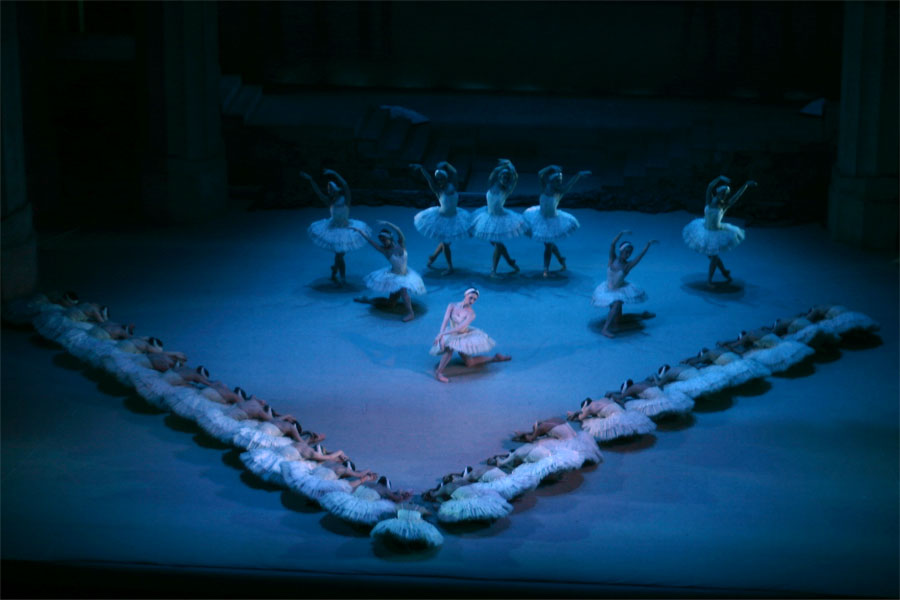 Swan LakeBallet · 1877Petipa · video
 The NutcrackerBallet · 1892Petipa · video
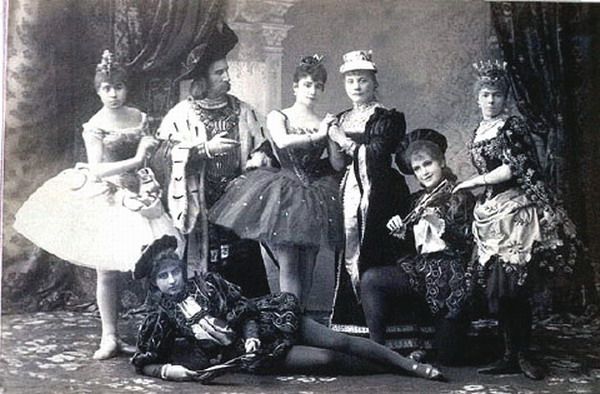 The Sleeping BeautyBallet · 1890Petipa · video
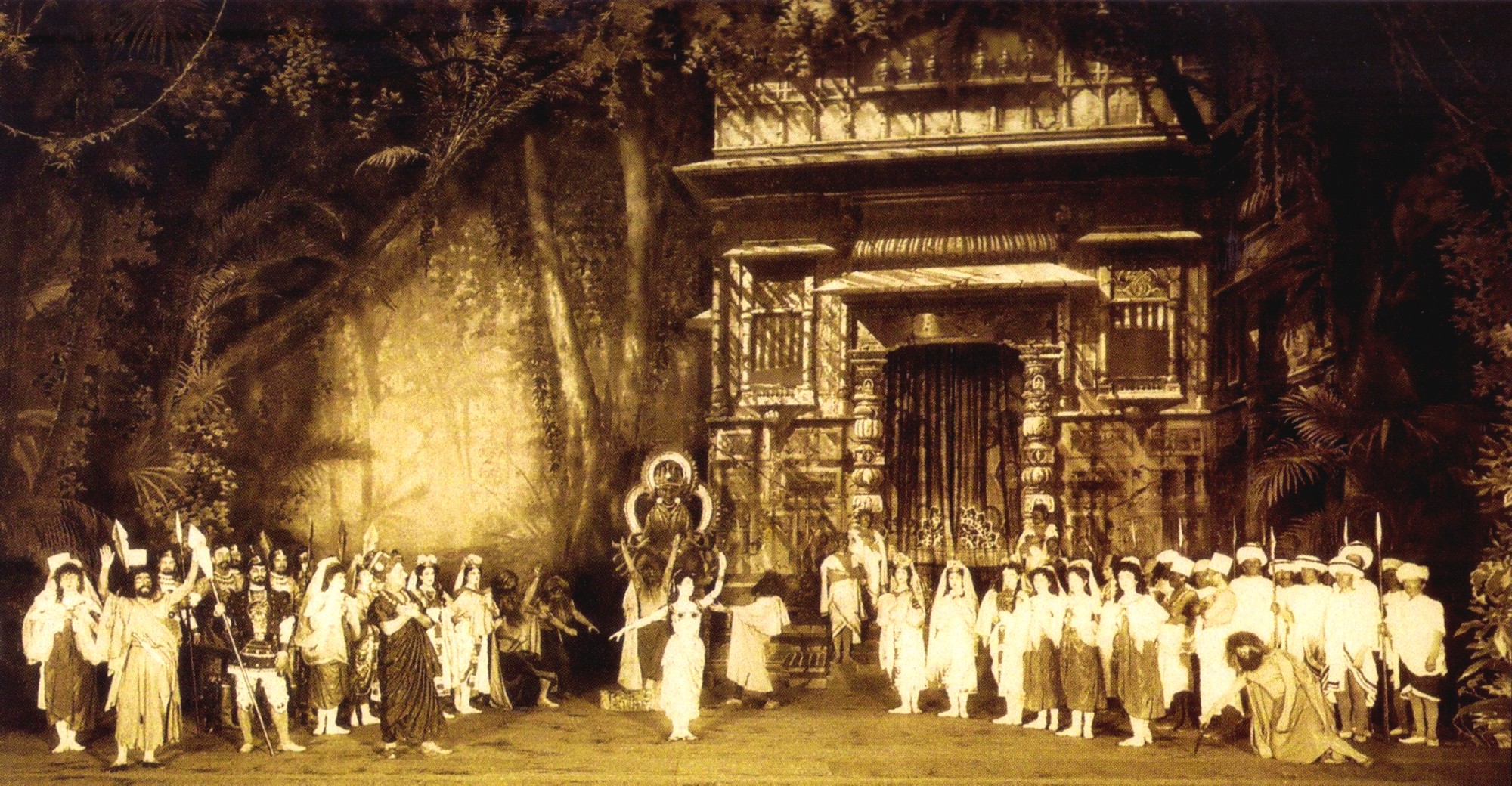 La BayadèreBallet · 1877Petipa · video
 Don QuixoteBallet · 1869Petipa · video
 RaymondaBallet · 1898Petipa · video
 ZenobiaBallet · 1936Same lineage · video
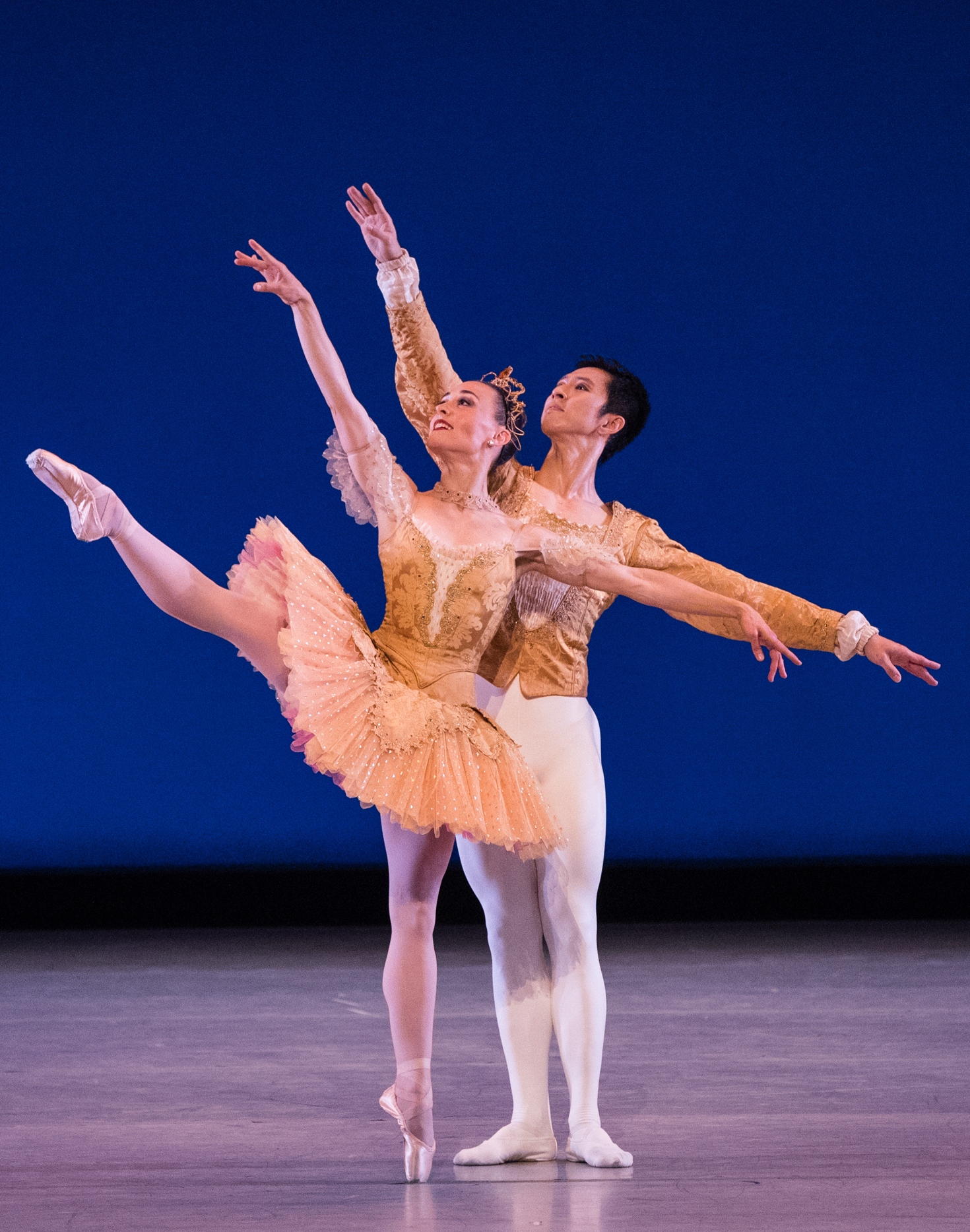 Theme and VariationsBallet · 1947Same lineage · video