Metastaseis and Pithoprakta is a plotless ballet George Balanchine made to two independent orchestral scores by the composer and architect-engineer Iannis Xenakis: Metastaseis (1953–54) and Pithoprakta (1955–56). It had its premiere on 18 January 1968 at the New York State Theater, Lincoln Center, with lighting by Ronald Bates.
What is danced
The source article records no synopsis, no described steps, and no named dancers for the original cast, so nothing can be said here about the actual vocabulary, partnering, or technical demands with textual support. What is documented is structural: the ballet is built from two separately titled, freestanding orchestral works by Xenakis rather than a single continuous score, which is itself a significant staging fact for anyone reconstructing or discussing the piece, since a revival (see Staging History) has been mounted using only the Pithoprakta half.
Context
The article gives only compositional dates for the two Xenakis scores (1953–54 and 1955–56) and the 1968 premiere date; it does not describe the surrounding artistic climate, Balanchine's other work of the period, or how the ballet was received. No historical narrative can be drawn from the text beyond these bare dates.
Staging history
The original production listed cast headings for both Metastaseis and Pithoprakta but the article preserves no names against them. The work was later revived, at least in part, by the Suzanne Farrell Ballet: a Pithoprakta staging is recorded for Washington DC in 2007 and again at New York City Center for the 2008 Fall for Dance festival, with a Washington Post article dated 16 November 2007 associated with the piece. The article does not indicate whether Metastaseis was revived alongside Pithoprakta in these later stagings.
How to watch it
Attend to the fact that the ballet is assembled from two independently composed, differently dated orchestral works rather than a single through-written score — the seam between Metastaseis and Pithoprakta is a structural feature to listen and watch for, not an accident. Beyond that, the article supports no specific guidance on choreographic convention, so any expectation of a Balanchine 'black-and-white leotard' idiom here should be treated as the reader's own inference, not documented fact.
Credits
- composer: Iannis Xenakis
More from George Balanchine
Other staged works in the register connected to this one by author or lineage.
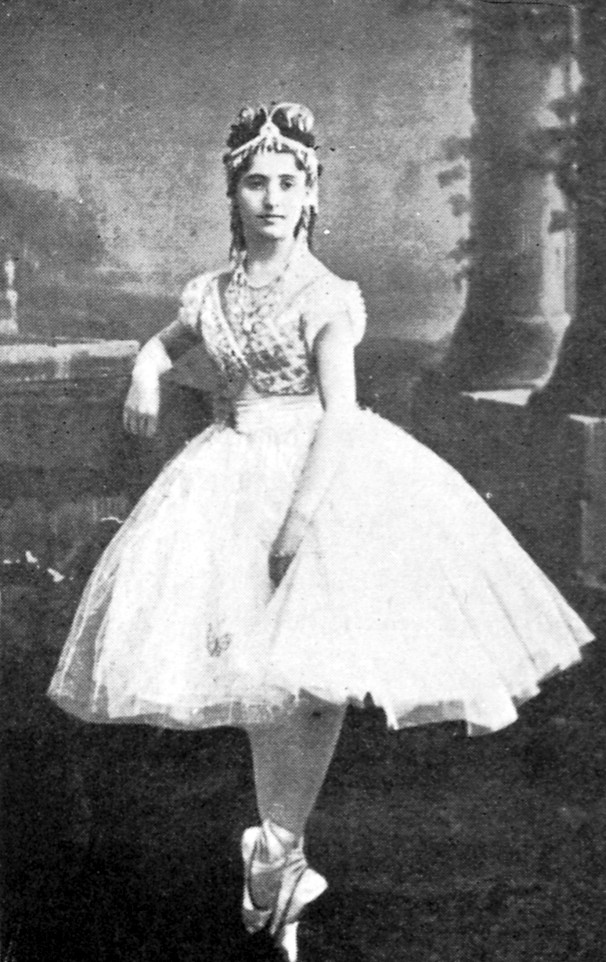 CoppéliaBallet · 1870Balanchine · video
 ApolloBallet · 1928Balanchine · video
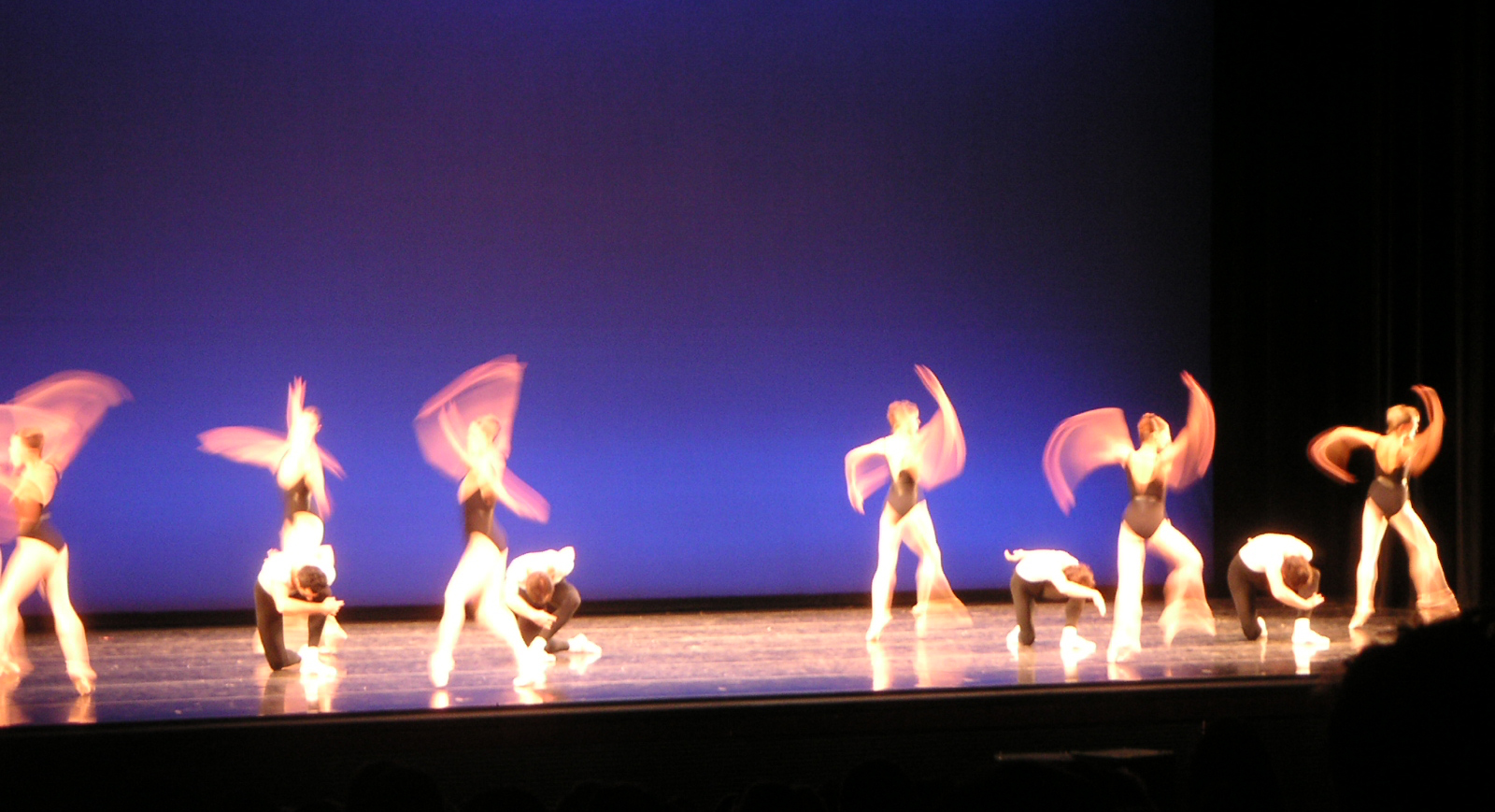 AgonBallet · 1957Balanchine · video
 Le chant du rossignolBallet · 1920Balanchine · video
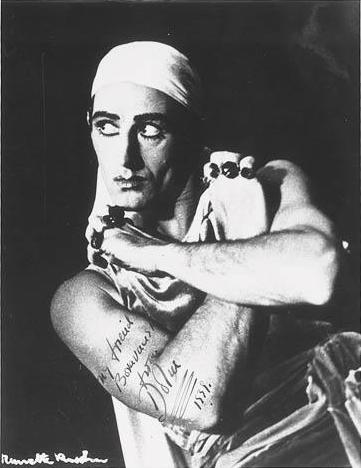 The Prodigal SonBallet · 1929Balanchine · video
 The Seven Deadly SinsBallet · 1933Balanchine · video
 Union JackBallet · 1976Balanchine · video
 Stars and StripesBallet · 1958Balanchine · video