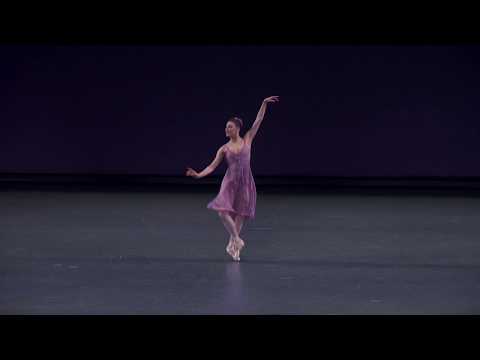
Other Dances (1976)
Other Dances is a plotless pas de deux made by Jerome Robbins to five pieces by Chopin (four mazurkas and a waltz), created in 1976 for Natalia Makarova and Mikhail Baryshnikov as a benefit piece for the New York Public Library for the Performing Arts. It was quickly absorbed into the regular repertories of both American Ballet Theatre and New York City Ballet, and sits alongside Robbins's other Chopin ballets, Dances at a Gathering and In the Night, as one of his 'piano ballets' with the pianist visible onstage.
What it contains
- Classical Ballet · Whole work, organized as duet, two solos and coda — Danced in academic pas-de-deux form — a duet, a solo apiece, and a coda — built for two classically trained principal dancers with no mime or narrative gesture. Source: "While the ballet follows the structure of a classical a pas de deux, with pas de deux, two solos and a coda, Baryshnikov noted it could have worked with any order."
- Mazurka · Throughout, threaded through the classical pas-de-deux structure — Mazurka-derived stamping steps and a distinctive arm carriage drawn from Slavic character dancing are folded into the otherwise academic ballet vocabulary. Source: "He also noted the use of mazurka, stamping and arms were stem from character dancing."
What is danced
The ballet is built on the classical pas-de-deux template — an opening duet, a solo for each dancer performed while the other is offstage resting, and a closing coda — though both Baryshnikov and the choreography's own logic suggest the sections could be reordered without damage to the whole. There is no mime, no narrative gesture, and Baryshnikov was explicit that 'there is no idea for Other Dances, there is no story'; the interest is entirely in the dancing itself and in the musicality of its phrasing.
The vocabulary is classical ballet inflected with Slavic character dancing drawn from the mazurka: stamping accents, a particular carriage and use of the arms (which Makarova's phrasing especially shaped, and which Robbins built the choreography around), and the folk-rooted rhythmic bite of the mazurka score set against otherwise pure danse d'école lines. Baryshnikov called this combination 'utterly Slavic,' and traced the stamping and arm-work directly to character-dance convention rather than to academic ballet alone. Makarova described the movement quality as fine-grained and understated — 'the body seems to be weaving a shawl of valenciennes lace' — with an emphasis on hesitation and nuance rather than bravura, even though both dancers found sustaining that relaxed, unforced quality over a full 20-minute duet technically demanding in its own right.
Context
By 1976 Robbins had already used Chopin's piano music repeatedly (The Concert, Dances at a Gathering, In the Night) to strip ballet back to plotless, musically-driven duet and ensemble work, part of a broader mid-century move away from narrative full-length ballet toward abstracted, score-led choreography. Other Dances extends that project into a single sustained pas de deux made specifically around the temperaments of two named virtuoso dancers — both recent Soviet defectors — rather than around interchangeable corps roles, and it folds Polish/Slavic character-dance idiom (the mazurka's stamps and arm carriage) directly into academic vocabulary rather than treating it as exotic divertissement.
Staging history
Made as a one-off gift for a 1976 gala, it was acquired by American Ballet Theatre almost immediately after its acclaimed premiere, and New York City Ballet mounted its own production that November with Suzanne Farrell and Peter Martins, in new mauve costumes by the same designer, Santo Loquasto, who had used blue for the original. The ballet has continued to circulate as a repertory showpiece for its originating pair of dancers' generation: an excerpt was danced by Tiler Peck when Makarova received the Kennedy Center Honors in 2012, and a 1980 filmed performance with Makarova and Baryshnikov was broadcast on PBS's Dance in America.
How to watch it
Watch for how the mazurka's stamped accents and arm phrasing surface inside otherwise academic classical lines, particularly in the sections built around the four mazurkas rather than the waltz. Note the formal device of having each dancer leave the stage entirely during the other's solo, and the deliberate pause for the audience to applaud after each section — a break with continuous classical pas-de-deux convention that Robbins built in on purpose. The piano is visible onstage throughout, tying the dancing overtly to the live musical performance rather than a pit orchestra.
Credits
- composer: Frédéric Chopin
More from Frédéric Chopin
Other staged works in the register connected to this one by author or lineage.
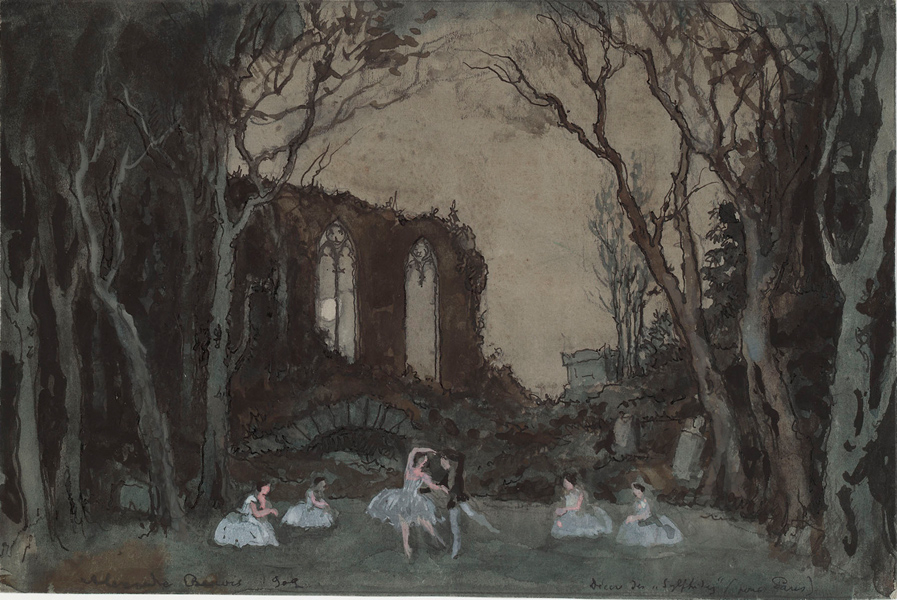 Les SylphidesBallet · 1908Music by Chopin · video
 Dances at a GatheringBallet · 1969Music by Chopin · video
 The ConcertBallet · 1956Music by Chopin · video
 A Month in the CountryBallet · 1976Music by Chopin · video
 In the NightBallet · 1970Music by Chopin · video
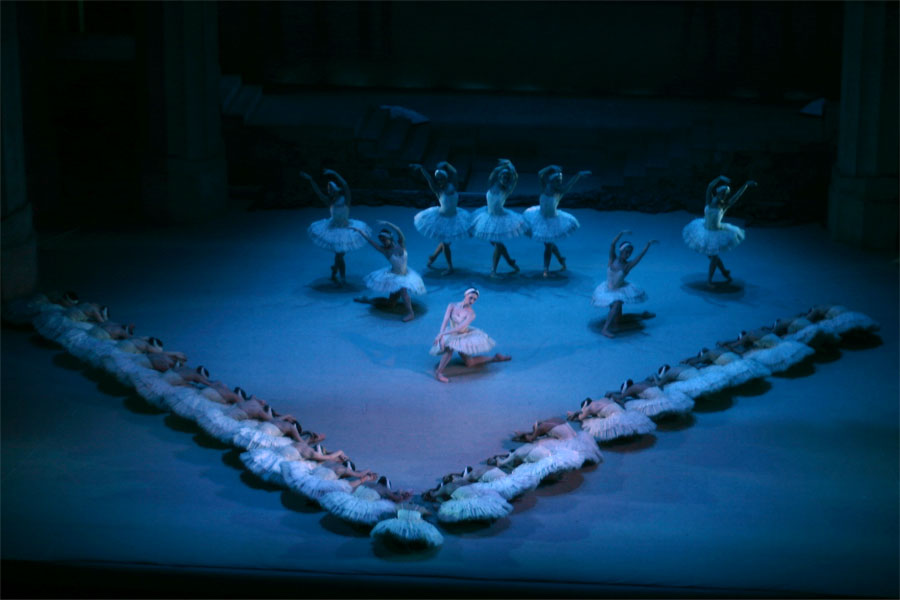 Swan LakeBallet · 1877Same lineage · video
 Jazz CalendarBallet · 1968Same lineage · video
 Tschaikovsky Piano Concerto No. 2Ballet · 1941Same lineage · video