Requiem Canticles is a short ballet George Balanchine made for New York City Ballet to Igor Stravinsky's 1966 choral-orchestral score of the same name, created as a memorial tribute to Martin Luther King, Jr. The article records it as receiving a single performance, on May 2, 1968, at the New York State Theater, Lincoln Center, with a small design team (Rouben Ter-Arutunian for costumes and candelabra, Ronald Bates for lighting) and a vocal-orchestral apparatus (conductor Robert Irving, contralto Margaret Wilson, bass John Ostendorf).
What it contains
- Neoclassical Ballet · the whole work, a single continuous stage picture with no scene divisions given — corps de ballet moves as a massed ritual formation carrying a candelabra, a solo woman searches through them, and the piece closes on an ensemble lift raising a symbolic figure aloft Source: "the corps de ballet in long white robes bearing a three-branched candelabra. A lone woman searches among them and at the end a figure in purple representing Martin Luther King, Jr., is raised aloft."
What is danced
The article's description of the choreography is limited to a single sentence of staging imagery: the corps de ballet appears in long white robes carrying a three-branched candelabra, a lone woman searches among them, and at the close a purple-clad figure representing Martin Luther King, Jr. is raised aloft. That gives a processional, ritual stage picture built around massed corps formation, a searching solo figure moving through the group, and a culminating ensemble lift — but the article does not describe steps, technique, partnering vocabulary, or pointe versus non-pointe work, so no detailed movement vocabulary can be drawn from it.
Context
The article situates the work only by naming Balanchine as New York City Ballet's co-founder and balletmaster and by dating the Stravinsky score to 1966; it gives no further context about the choreographic climate of the period. Because the piece is described as memorial in intent and occasion (made in memoriam Martin Luther King, Jr., not long after his assassination), and given only a single recorded performance, the article positions it as an occasional, commemorative work rather than a repertory staple, though it does not state this explicitly.
Staging history
The article records only one performance, on May 2, 1968, at the New York State Theater, Lincoln Center, conducted by Robert Irving with soloists Margaret Wilson and John Ostendorf. It gives no information on any subsequent revival, restaging, or company beyond New York City Ballet, so the staging history beyond that single date cannot be established from this source.
How to watch it
Watch for the contrast between the massed, robed corps de ballet moving as a ritual body around the candelabra and the isolated searching movement of the lone woman cutting across that formation. The final raising aloft of the purple-clad figure is the work's central symbolic gesture and the moment the piece is built toward; treat it as an emblematic tableau rather than a technical showcase, since the article gives no evidence of virtuosic set pieces.
More from George Balanchine
Other staged works in the register connected to this one by author or lineage.
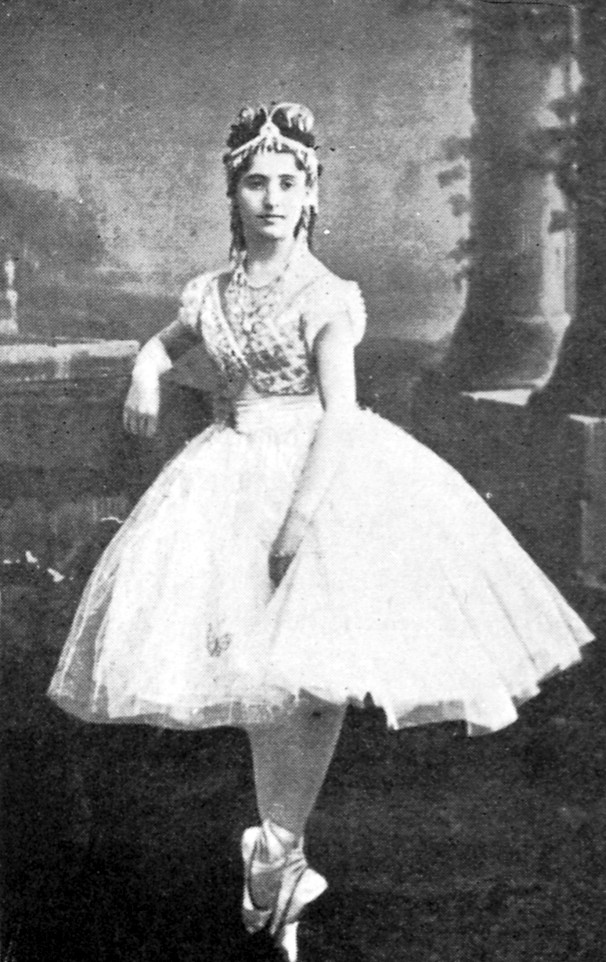 CoppéliaBallet · 1870Balanchine · video
 ApolloBallet · 1928Balanchine · video
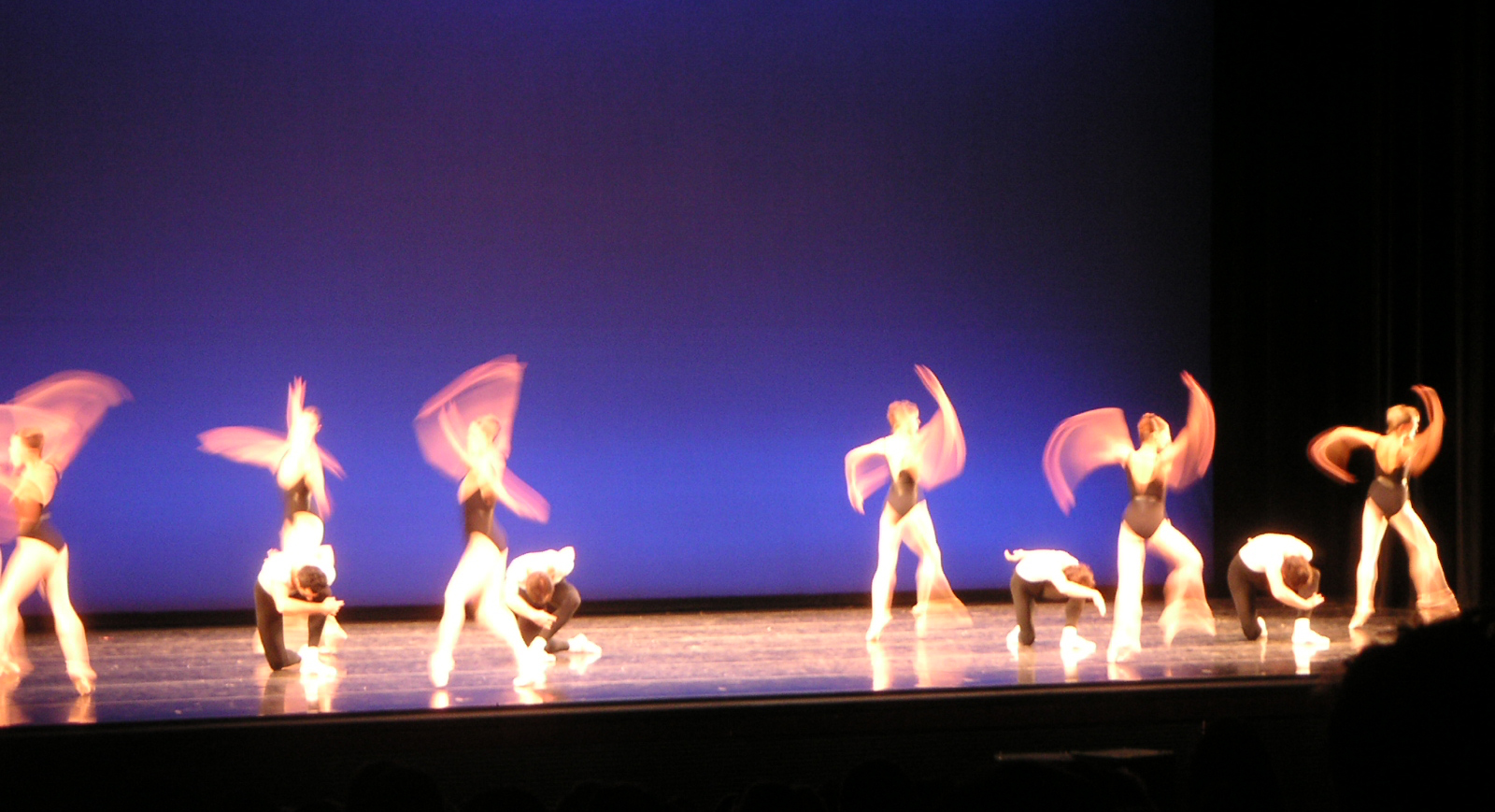 AgonBallet · 1957Balanchine · video
 Le chant du rossignolBallet · 1920Balanchine · video
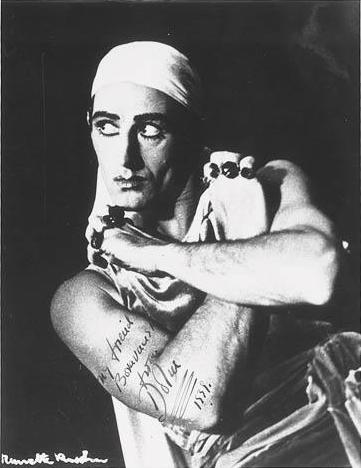 The Prodigal SonBallet · 1929Balanchine · video
 The Seven Deadly SinsBallet · 1933Balanchine · video
 Jeu de cartesBallet · 1937Balanchine · video
 The FloodBallet · 1962Balanchine · video