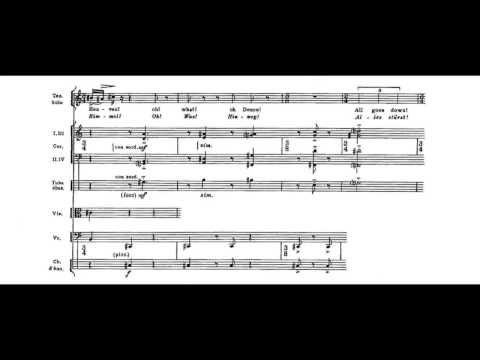
The Flood is a short biblical music-drama by Igor Stravinsky, composed in his late serial idiom, that interleaves the story of Creation with that of Noah. It combines sung and spoken text (compiled by Robert Craft from Genesis and the York and Chester mystery-play cycles) with orchestral and choral episodes, and was built from the outset to include staged movement. It sits in the dance catalogue because its 1962 premiere production carried choreography by George Balanchine, making it one of the rarer instances of a Balanchine collaboration created for television rather than for the stage.
What is danced
The article confirms that the work 'contains singing, spoken dialogue, and ballet sequences' and credits the premiere production's choreography to George Balanchine, but it gives no description of steps, holds, or vocabulary for those sequences, no cast list of dancers, and no indication of which of the seven unnamed parts of the piece carried the danced material. Without a synopsis, scene breakdown, or repertory note describing the choreography itself, nothing about the actual movement content can be responsibly reconstructed from this source.
Context
The Flood dates from 1962, during Stravinsky's late serial period, and from the peak of his creative partnership with Robert Craft, who both compiled the text and conducted every documented performance named in the article. Balanchine's involvement links the piece to his long-running association with Stravinsky's music at New York City Ballet, but the article documents this particular collaboration only as a television commission, not as part of that repertory.
Staging history
The work premiered as a television broadcast on CBS on 14 June 1962, conducted by Robert Craft and choreographed by Balanchine, with dramatic actors Laurence Harvey, Sebastian Cabot and Elsa Lanchester in spoken roles. Robert Craft also conducted the first staged (theatrical) performance, given by the Santa Fe Opera in New Mexico later in 1962, and again in Hamburg on 30 April 1963; the article does not say whether Balanchine's choreography carried over to either staged production.
How to watch it
As documented, this was a television production mixing narration, song, and staged movement rather than a conventional evening-length ballet; a viewer should expect the danced sequences to be embedded within a spoken and sung biblical narrative rather than presented as self-contained set pieces. The article gives no guidance on how to distinguish the ballet sequences from the dramatic and choral scenes on screen.
Credits
- composer: Igor Stravinsky
More from George Balanchine
Other staged works in the register connected to this one by author or lineage.
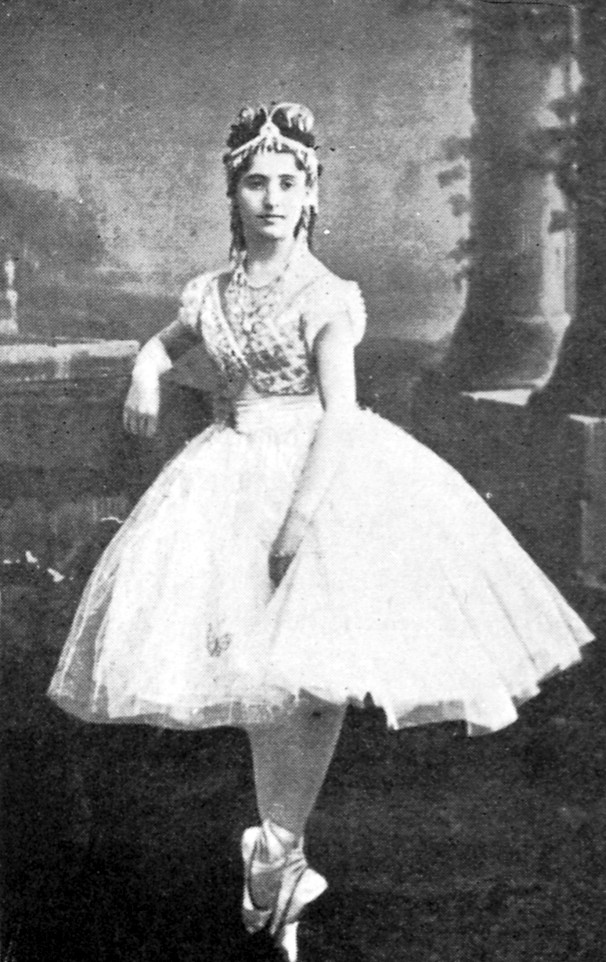 CoppéliaBallet · 1870Balanchine · video
 ApolloBallet · 1928Balanchine · video
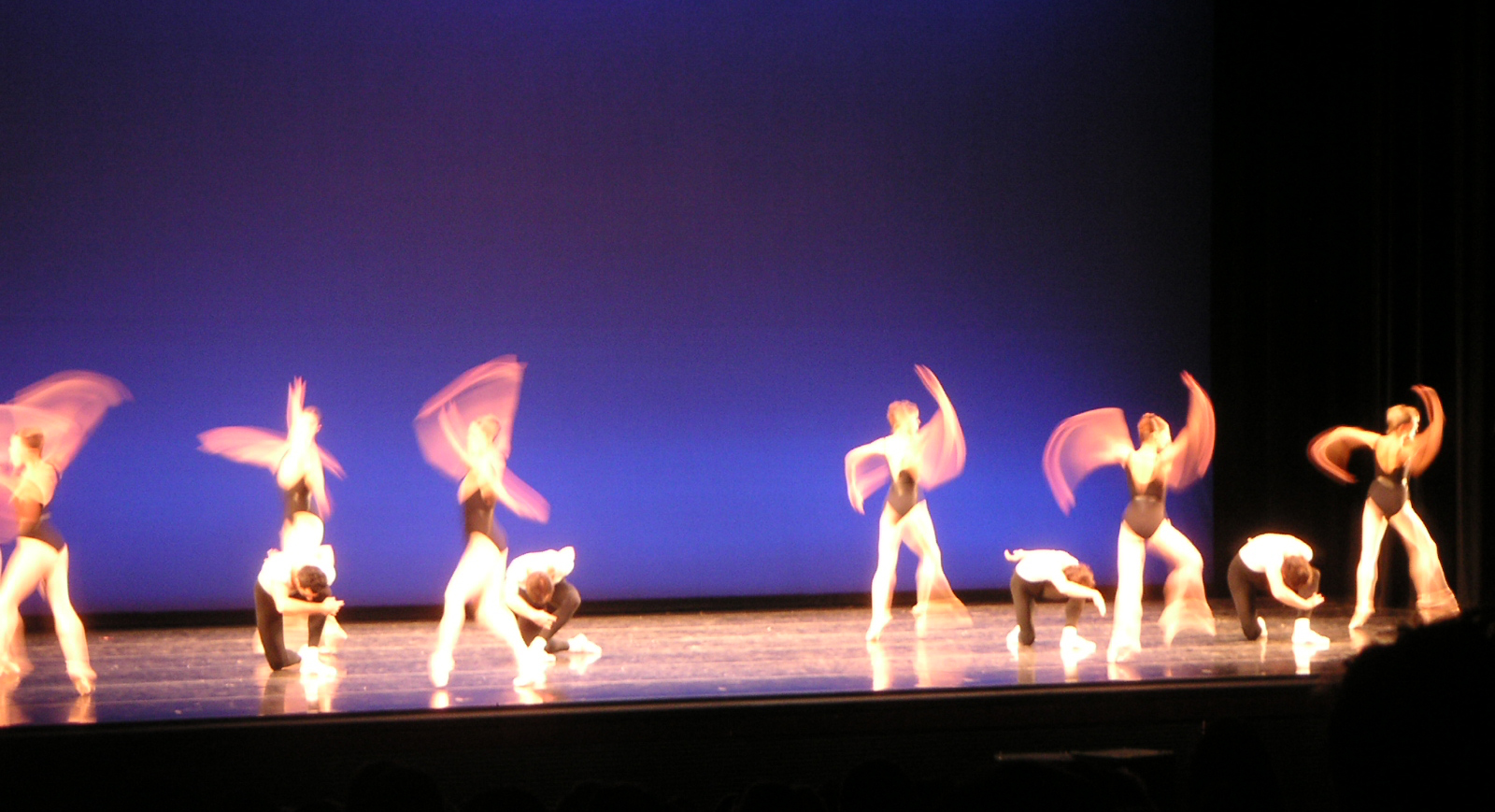 AgonBallet · 1957Balanchine · video
 Le chant du rossignolBallet · 1920Balanchine · video
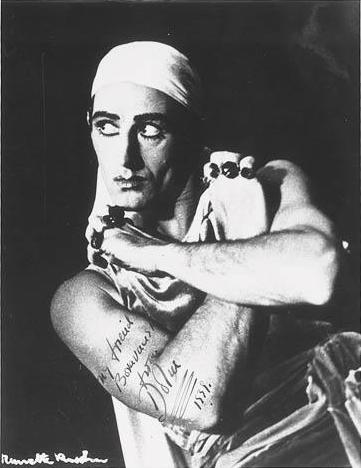 The Prodigal SonBallet · 1929Balanchine · video
 The Seven Deadly SinsBallet · 1933Balanchine · video
 Allegro BrillanteBallet · 1956Balanchine · video
 Stars and StripesBallet · 1958Balanchine · video