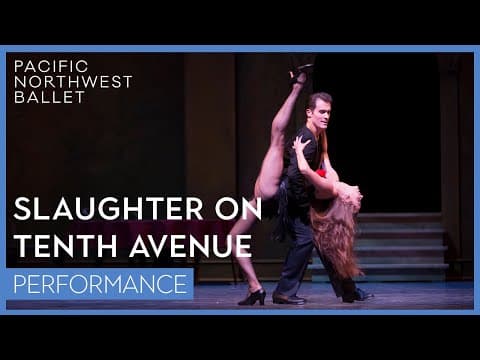
Slaughter on Tenth Avenue is the ballet sequence Richard Rodgers and George Balanchine created for the climax of Rodgers and Hart's 1936 Broadway musical On Your Toes. Within the show it is a play-within-a-play: two gangsters watch it from box seats with orders to shoot the leading dancer, who is tipped off and survives by dancing at full speed even after the ballet's own music has ended, until police arrest the assassins. The piece has a double life the catalogue should register: as a book-musical number performed by a succession of stage and film casts, and, from 1968, as a stand-alone work in the New York City Ballet repertory.
What it contains
- Vaudeville Jazz · The whole ballet sequence as performed within On Your Toes and its later stagings — The central role is a 'hoofer' — Broadway/vaudeville slang for a virtuoso eccentric solo dancer, the type Ray Bolger built his career on — who dances a mimed love-and-murder story and then sustains full-speed dancing past the music's end to survive an assassination attempt. Source: "Slaughter is the story of a hoofer who falls in love with a dance hall girl who is then shot and killed by her jealous boyfriend."
- Musical Theatre Character Dance · The whole ballet sequence, staged as a play-within-the-musical — The dance is structured entirely around dramatic pantomime specific to characters and plot — courtship, a jealous shooting, a retaliatory shooting, a police arrest — rather than abstract or plotless steps. Source: "The hoofer then shoots the boyfriend."
What is danced
The article gives the story rather than the steps: a 'hoofer' (a Broadway/vaudeville term for a virtuoso eccentric dancer, the role created by Ray Bolger) falls for a dance-hall girl, who is shot by her jealous boyfriend; the hoofer shoots the boyfriend in turn. The number's signature theatrical device is durational and dramatic rather than purely stylistic: the lead dancer, warned that gunmen are watching, keeps dancing past the point where the ballet's own music has finished, using continued motion itself as a survival strategy until the police intervene. This makes the piece as much a piece of stage suspense built from sustained solo dancing as it is a set of steps.
Context
The article situates the ballet at the end of a 1936 Broadway show, with a first radio broadcast that same year (BBC, conducted by Lew Stone) and a first television airing around 1950-51 on NBC's Garroway at Large — evidence of a work that circulated as concert music and broadcast entertainment well before it was treated as ballet repertory in its own right. Its move into the New York City Ballet repertoire only in 1968, danced by Suzanne Farrell and Arthur Mitchell, is the point at which it formally became a ballet independent of the book musical that produced it. (Independent of the article: this sits in the period, widely discussed in dance scholarship, when Balanchine was moving between Broadway choreography and the founding of American ballet institutions — noted here as recall, not sourced to this article.)
Staging history
Originally danced by Ray Bolger and Tamara Geva in the 1936 stage production of On Your Toes, the ballet was re-cast with Eddie Albert and Vera Zorina for the film version. In the 1948 Technicolor biopic Words and Music, Gene Kelly supplied new choreography for himself and Vera-Ellen, revising the story to a more tragic ending in which the boyfriend kills the hoofer as well as the dance-hall girl. It entered New York City Ballet's own repertory in 1968, first danced by Suzanne Farrell and Arthur Mitchell, and continues to be licensed through the Balanchine Trust.
How to watch it
Watch for the frame device: the number is staged as a performance-within-a-performance, watched by armed men in box seats, so the dancer's sustained energy after the music has apparently ended is the dramatic payoff, not an encore. Compare versions if possible — the Broadway/NYCB tradition descending from Balanchine's original against Gene Kelly's tragic film rechoreography — since the article notes the story itself changes (who lives, who dies) between them.
More from George Balanchine
Other staged works in the register connected to this one by author or lineage.
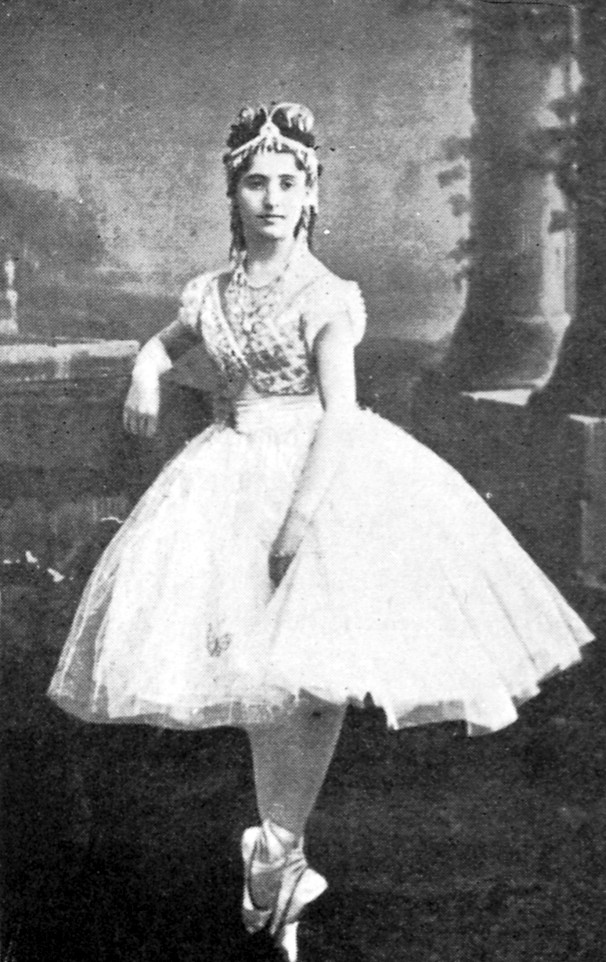 CoppéliaBallet · 1870Balanchine · video
 ApolloBallet · 1928Balanchine · video
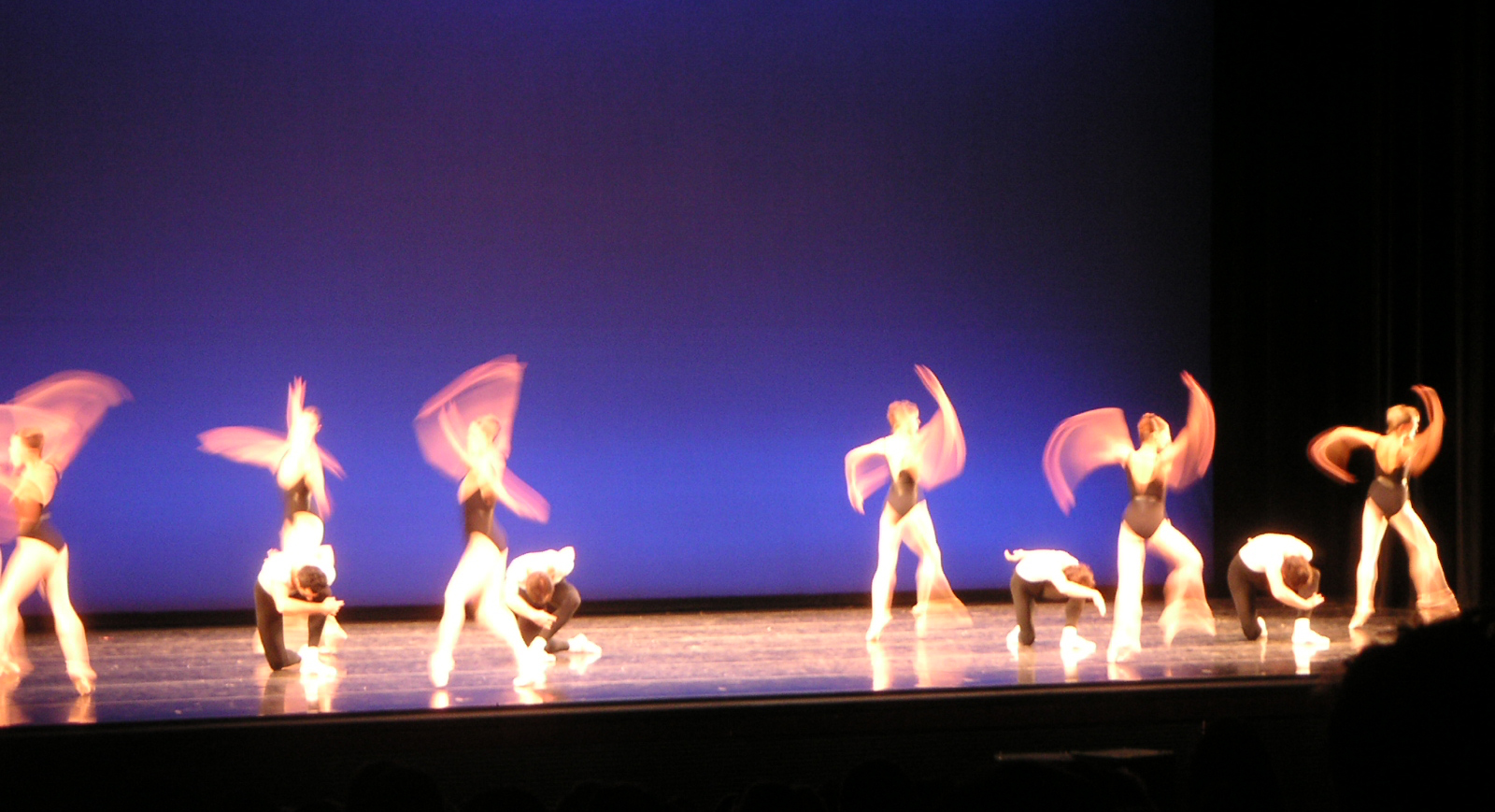 AgonBallet · 1957Balanchine · video
 Le chant du rossignolBallet · 1920Balanchine · video
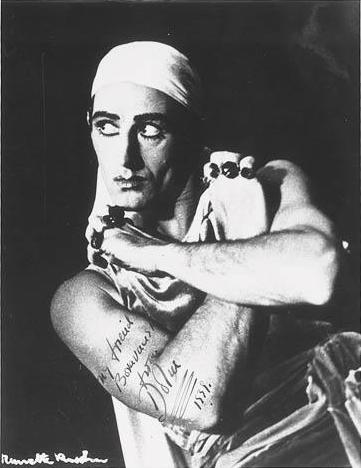 The Prodigal SonBallet · 1929Balanchine · video
 The Seven Deadly SinsBallet · 1933Balanchine · video
 Jeu de cartesBallet · 1937Balanchine · video
 Robert Schumann's DavidsbündlertänzeBallet · 1980Balanchine · video