A Tragedy of Fashion, or the Scarlet Scissors was Frederick Ashton's first choreographed work, made and danced for a 1926 London revue with Marie Rambert as his co-star. It reworks the legend of the 17th-century chef François Vatel, who killed himself over a delayed fish delivery, into a satire of the fashion world: a couturier despairs when his designs are rejected and kills himself with a pair of scissors instead of a sword.
What is danced
The article does not describe specific steps, holds, or a movement vocabulary for this work. What it gives instead is cast and character: Marie Rambert as 'an impudently vivacious mannequin' and Ashton himself as 'a distracted man modist' leading the dancing, in a piece it calls 'chic' and describes as stylistically indebted to Diaghilev-era productions such as Les biches. That comparison points toward the sophisticated, satirical character-comedy idiom of 1920s Ballets Russes work rather than pure academic classicism, but the source gives no concrete choreographic detail (no named enchaînements, no described lifts, no pointe or character-shoe distinction) to code with confidence.
Context
The ballet was made in 1926, in the middle of Diaghilev's later Ballets Russes period, when works like Nijinska's Les biches were setting a template for witty, socially observed ballet built on contemporary manners rather than fairy-tale narrative. Ashton, then an unknown dancer, choreographed it for a commercial revue staged by Nigel Playfair and Ashley Dukes (Rambert's husband), with Rambert as his lead performer and Eugene Goossens' score arranged by Ernest Irving.
Staging history
The 1926 premiere is described by the BBC as launching both Ashton's choreographic career and the company that became Ballet Rambert. In 2004, Ballet Rambert revived the work as part of its celebration of Ashton's birth centenary, with choreographer Ian Spink reinterpreting and restyling it after six months of research; The Guardian gave the revival four stars, praising Spink's collaborators for recapturing 'the quality that made Ashton irresistible – his charm.'
How to watch it
Approach it as a satirical character piece rather than a classical showpiece: the drama sits in the comic opposition between Rambert's flirtatious mannequin and Ashton's overwrought couturier, set to a Goossens score. The designs by Sophie Fedorovitch, who went on to be Ashton's long-term collaborator, would have shaped the 'chic' fashion-house atmosphere the contemporary Observer review singled out.
Credits
- composer: Eugene Aynsley Goossens
More from Frederick Ashton
Other staged works in the register connected to this one by author or lineage.
 SylviaBallet · 1876Ashton · video
 Les PatineursBallet · 1937Ashton · video
 Symphonic VariationsBallet · 1946Ashton · video
 Marguerite and ArmandBallet · 1963Ashton · video
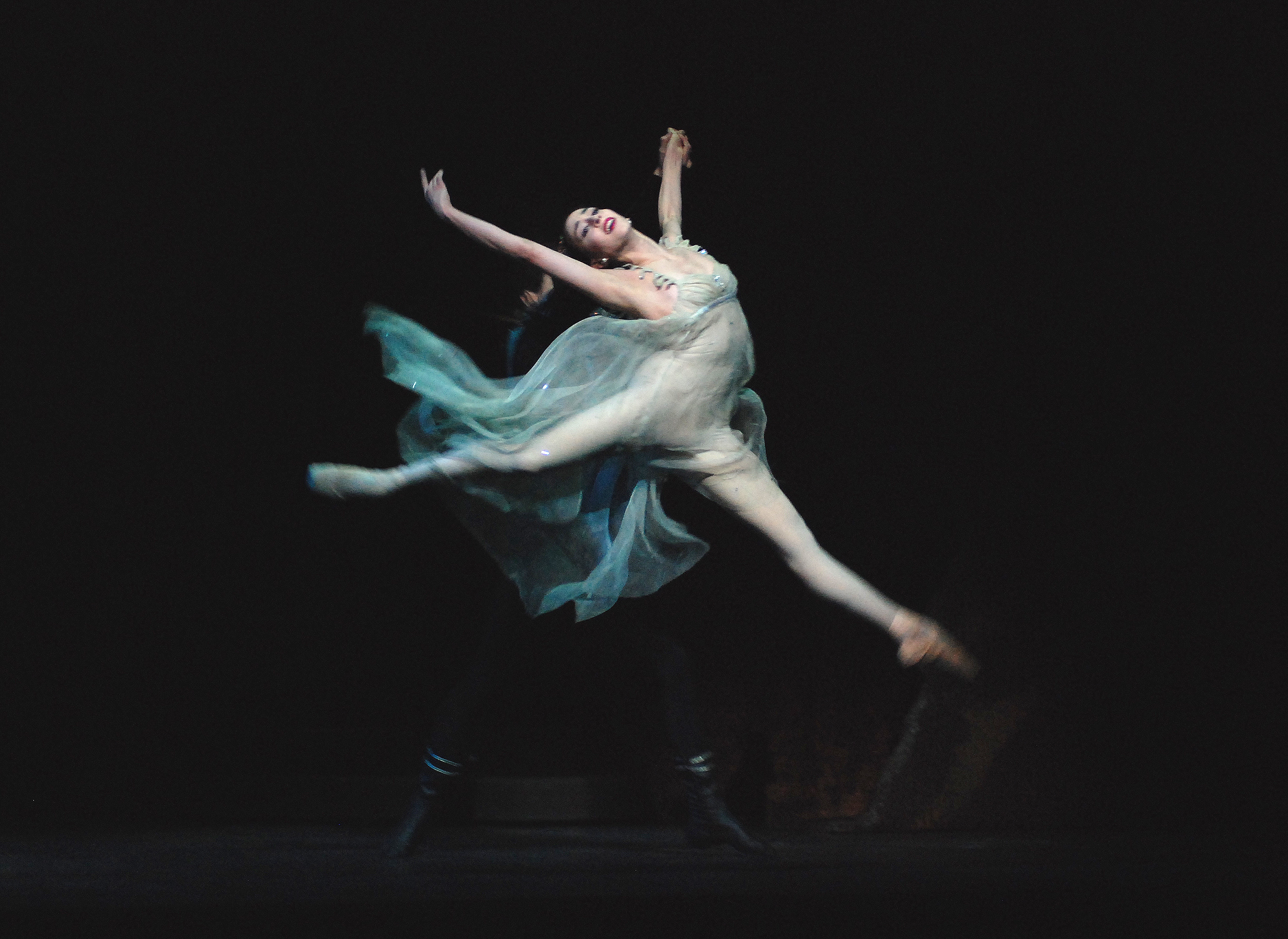 OndineBallet · 1958Ashton · video
 A Month in the CountryBallet · 1976Ashton · video
 Five Brahms Waltzes in the Manner of Isadora DuncanBallet · 1975Ashton · video
 Les RendezvousBallet · 1933Ashton · video