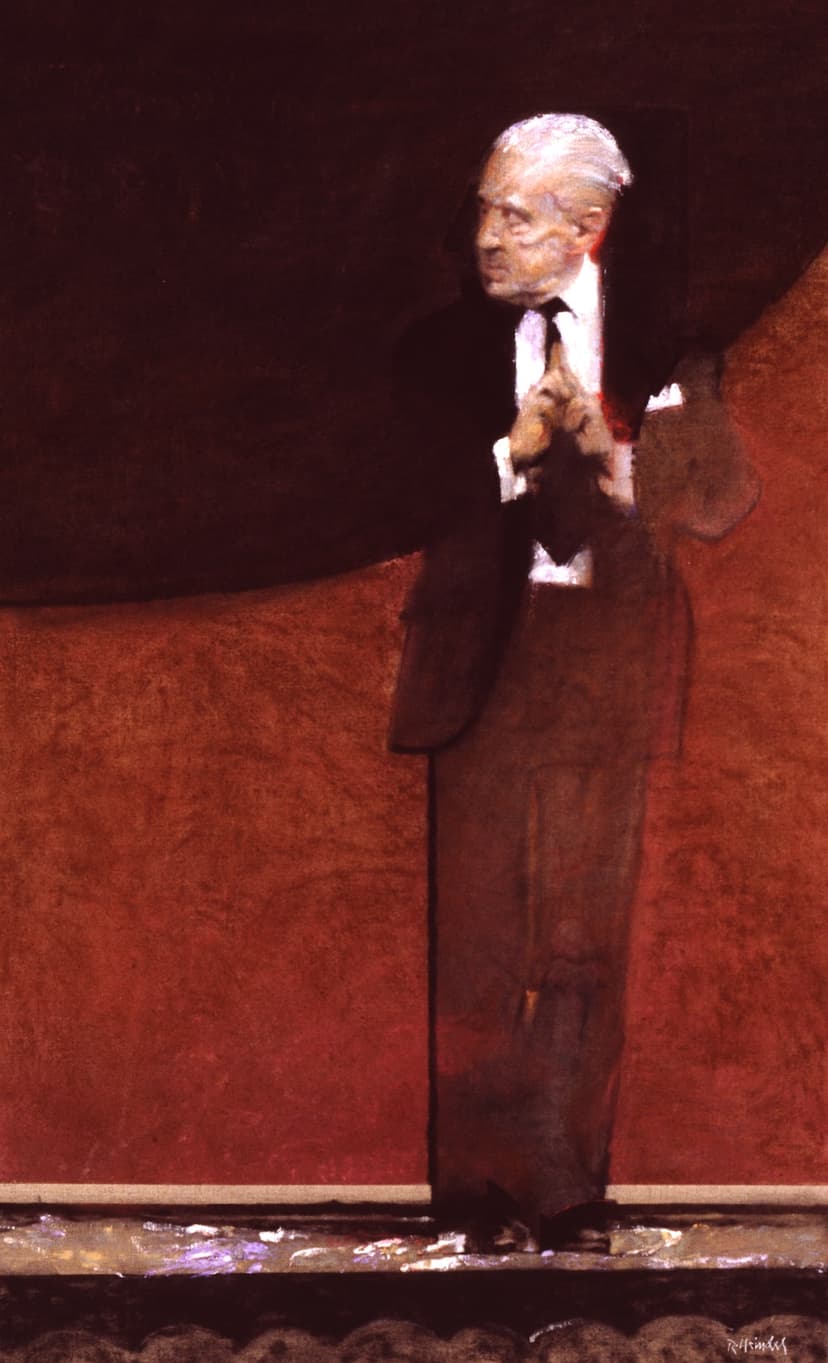
Choreographer · Innovator · Stage Icon
Frederick Ashton
Father of English Ballet Style
Why They Matter
He created the English ballet style, emphasizing lyricism, épaulement, and musicality, giving British ballet its own voice alongside the Russian and American schools.
Known For
Styles Frederick Ashton shaped
Each one links to the style’s own page — its origins, music, tempo and video.
Biography
Frederick William Mallandaine Ashton was born on 17 September 1904 in Guayaquil, Ecuador, to British parents and grew up chiefly in Lima, Peru. A 1917 performance by Anna Pavlova in Lima transformed his adolescence; the thirteen-year-old resolved to dance despite beginning formal training late and without the physique he felt ballet then demanded. After schooling in England and an unsatisfying office job, he sought lessons from Léonide Massine and became a regular pupil of Marie Rambert, who gave him the environment in which dancer and choreographer could develop together.
Ashton made his performing debut in 1925 and choreographed *A Tragedy of Fashion* for a 1926 revue organized by Nigel Playfair and Rambert. The work began a long creative partnership with designer Sophie Fedorovitch, whose visual intelligence shaped the atmosphere of many Ashton ballets. In 1928 he joined Ida Rubinstein's company in Paris, where Bronislava Nijinska's example sharpened his understanding of choreographic structure, ensemble design and the expressive possibilities of classical vocabulary. Returning to Britain, he worked with Rambert's Ballet Club and became a founder member of the Camargo Society in 1930.
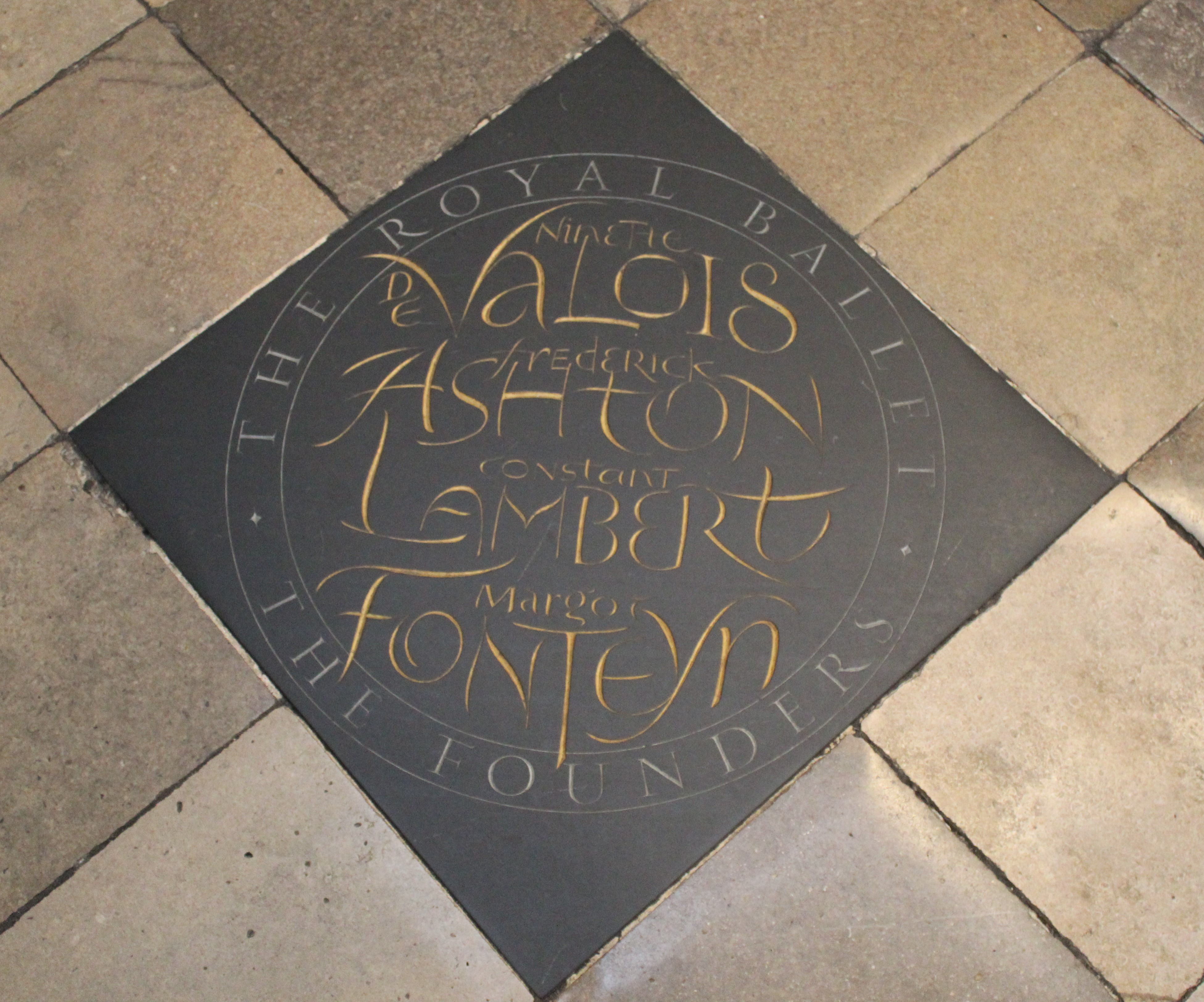
Ashton's early repertory established both range and recognizable theatrical voice. *Façade* (1931), made to William Walton's music and associated with Edith Sitwell's poems, converted social and popular-dance manners into exact ballet comedy. *Les Rendezvous* (1933), *Foyer de danse* (1934) and other works provided vehicles for performers including Alicia Markova. In 1935 Ninette de Valois appointed Ashton resident choreographer and principal dancer of the Vic-Wells Ballet, the company that developed into The Royal Ballet. This appointment made him an institutional partner in de Valois's project: she founded and directed the organization, while he built a repertory and a choreographic identity responsive to its dancers.
The 1930s and wartime years broadened Ashton's language. *Les Patineurs* (1937) displayed fleet classical dancing and vivid characterization; the darker *Dante Sonata* (1940) answered a Europe at war with massed, symbolic movement. Ashton served as an RAF intelligence officer from 1941 while continuing to choreograph when duties permitted. After the company reopened the Royal Opera House in 1946, he made *Symphonic Variations*, a six-dancer ballet to César Franck with designs by Fedorovitch and an original cast of Margot Fonteyn, Pamela May, Moira Shearer, Michael Somes, Henry Danton and Brian Shaw. Its spatial clarity and sustained musical argument made it a cornerstone of his mature classicism.
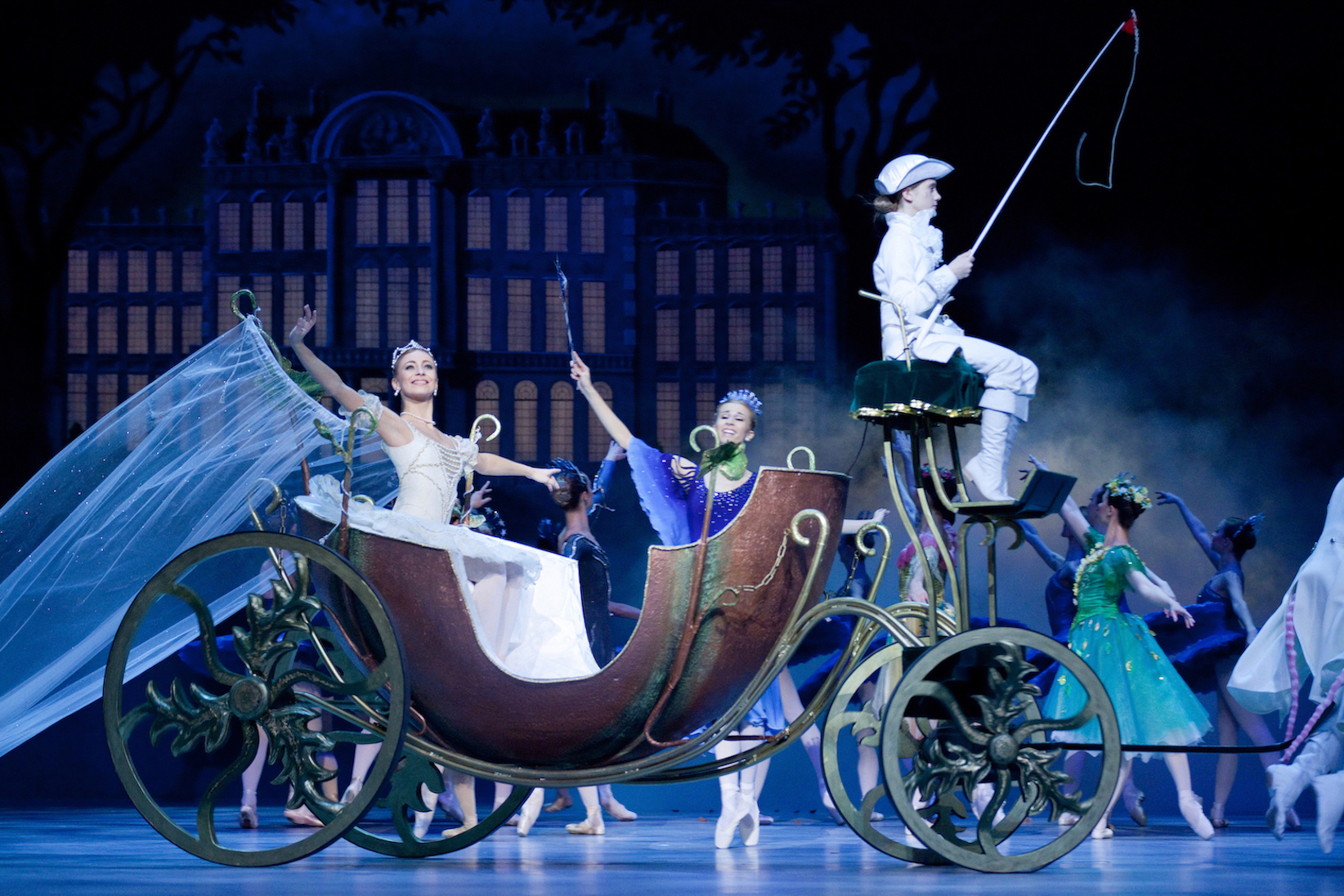
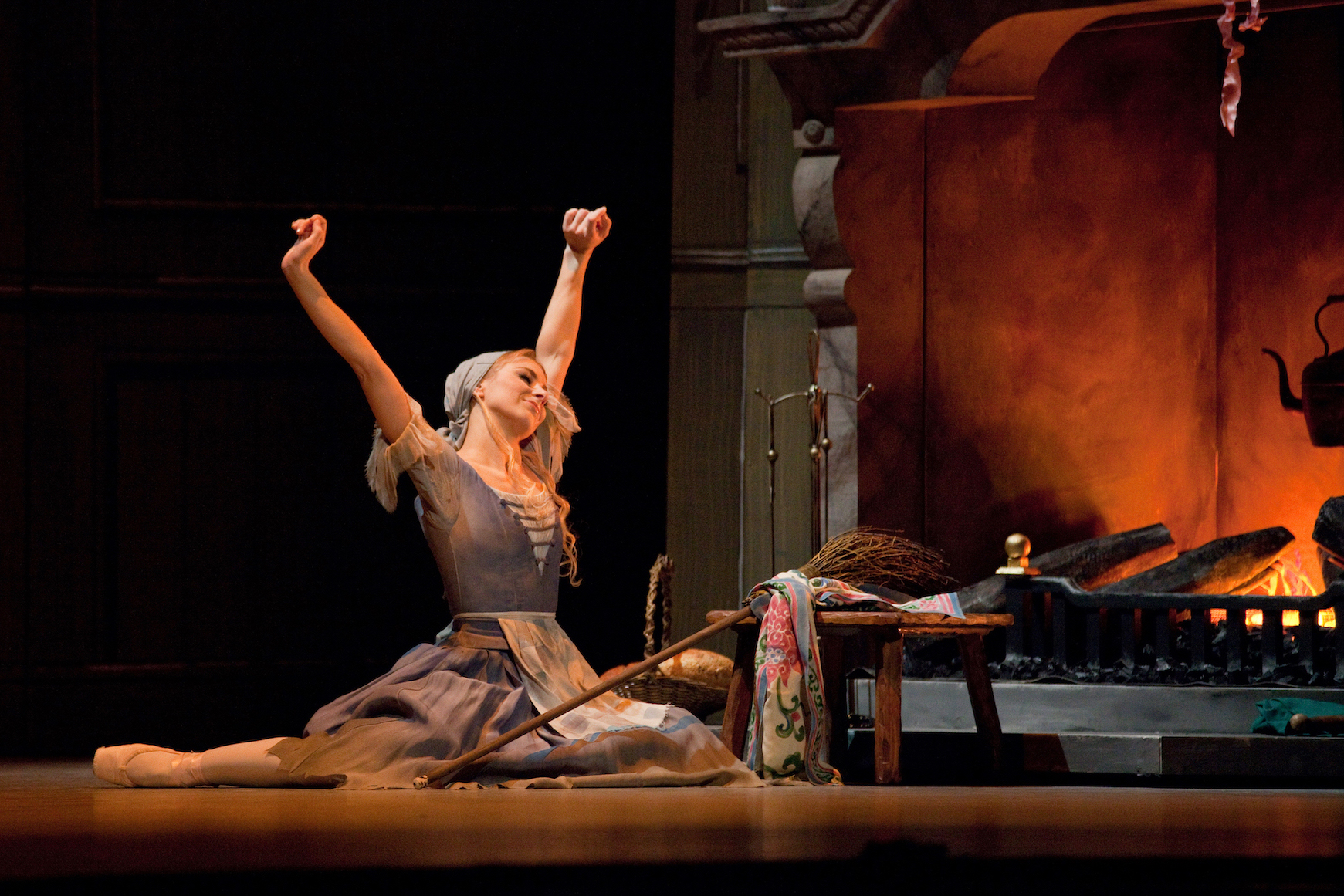
Ashton's postwar works helped define the company's public image. *Scènes de ballet* and the first full-length British production of Prokofiev's *Cinderella* followed in 1948; Ashton also performed one of Cinderella's Ugly Sisters, making comic character acting part of his authorship in performance. *Sylvia* (1952), *Ondine* (1958) and *La Fille mal gardée* (1960) demonstrate contrasting approaches to myth, psychological ambiguity and pastoral comedy. Margot Fonteyn was crucial to this repertory, as were Michael Somes and later generations of dancers whose individual qualities Ashton observed and choreographed. His 1955 *Romeo and Juliet* was created for the Royal Danish Ballet.
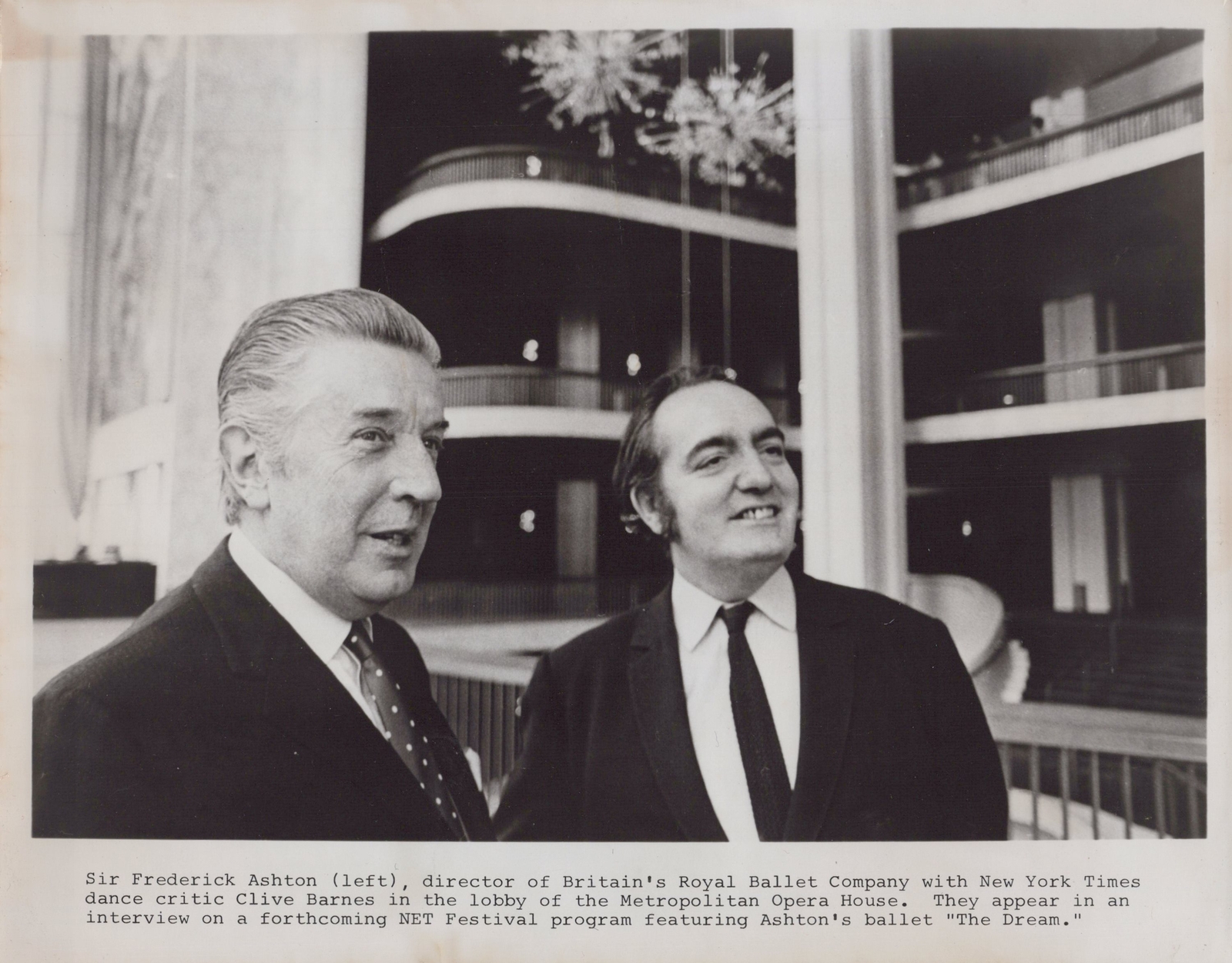
Knighted in 1962, Ashton succeeded de Valois as Director of The Royal Ballet in 1963. During his directorship he created *Marguerite and Armand* (1963) for Fonteyn and Rudolf Nureyev, *The Dream* (1964), *Monotones I and II* (1965–66) and *Enigma Variations* (1968). The last, set to Elgar and designed by Julia Trevelyon Oman, uses a network of portraits to explore friendship, private feeling and creative isolation. Ashton retired as director in 1970 but continued making work, including *A Month in the Country* and *Five Brahms Waltzes in the Manner of Isadora Duncan* (both 1976), *Rhapsody* (1980) and *Varii Capricci* (1983). He was appointed Companion of Honour in 1970 and to the Order of Merit in 1977.
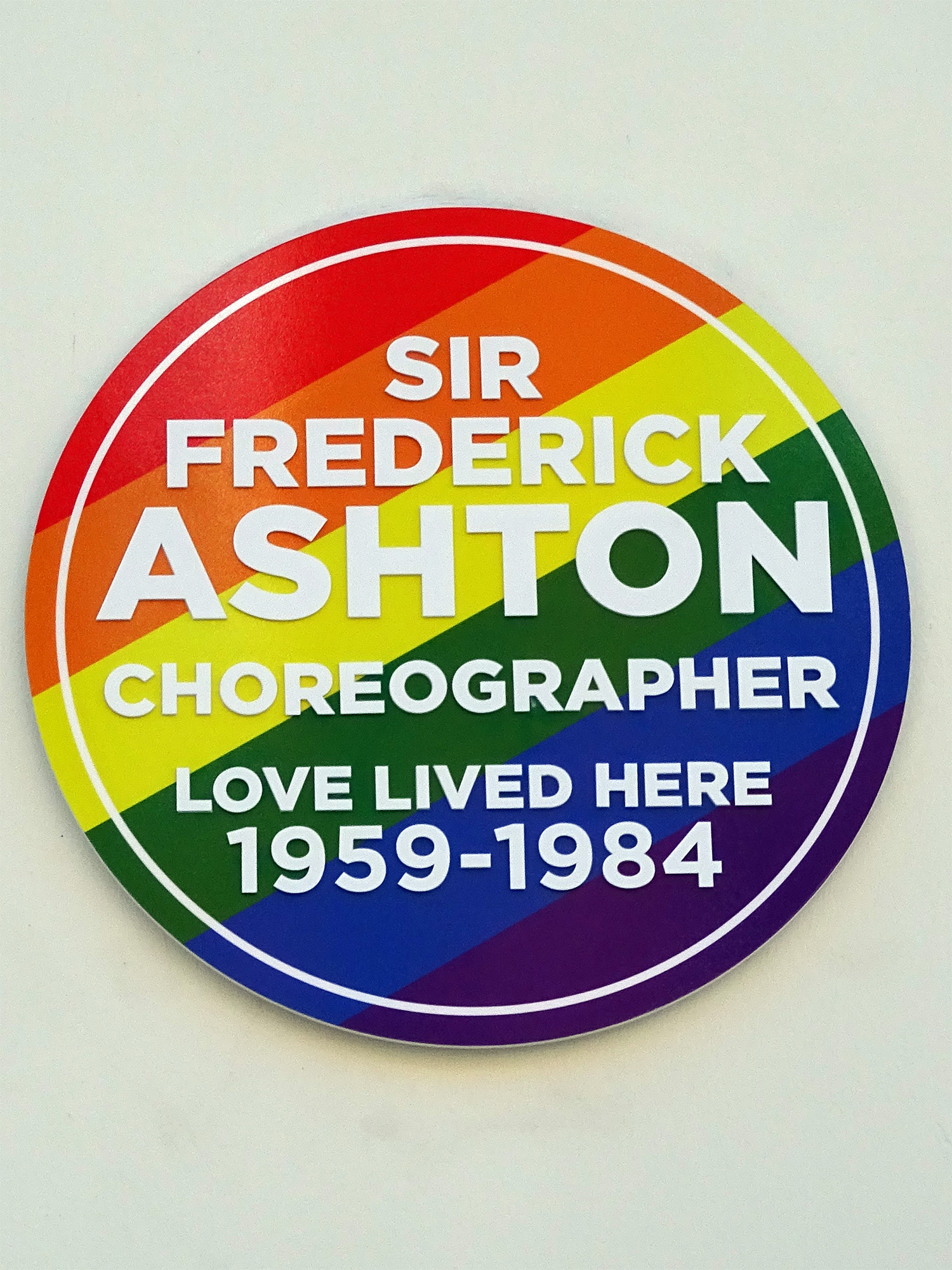
Ashton spent his later years at Chandos Lodge in Eye, Suffolk, while coaching, revisiting roles and protecting the detail of his ballets. He died there overnight on 18–19 August 1988. His works did not pass into a single, uncomplicated repertory system: staging knowledge resides in dancers, coaches, notation, film and archives, while rights in individual ballets are distributed among designated legatees. That structure makes faithful transmission a continuing act of interpretation and collaboration rather than mechanical reproduction.
Career Highlights
Sees Anna Pavlova perform in Lima and decides to pursue dance. Foundation biography Foundation biography
Choreographs his first ballet, A Tragedy of Fashion, with designs by Sophie Fedorovitch. Foundation timeline Foundation timeline
Creates Façade, an enduring early demonstration of his musical and social-dance wit. Foundation timeline Foundation timeline
Ninette de Valois appoints him resident choreographer and principal dancer of the Vic-Wells Ballet. Foundation timeline Foundation timeline
Premieres Les Patineurs. Foundation timeline Foundation timeline
Symphonic Variations premieres at the Royal Opera House on 24 April with six dancers and designs by Sophie Fedorovitch. Foundation work page Foundation work page
Creates Scènes de ballet and Cinderella. Foundation timeline Foundation timeline
Premieres his production of La Fille mal gardée, now a defining Royal Ballet comedy. Foundation timeline Foundation timeline
Becomes Director of The Royal Ballet and creates Marguerite and Armand for Margot Fonteyn and Rudolf Nureyev. Foundation timeline Foundation timeline
Creates The Dream, condensing Shakespeare’s comedy into a one-act ballet. Foundation timeline Foundation timeline
Premieres Enigma Variations at the Royal Opera House on 25 October. Foundation essay Foundation essay
Creates A Month in the Country and Five Brahms Waltzes in the Manner of Isadora Duncan. Foundation timeline Foundation timeline
Gallery
Works
15 stage works credited to Frederick Ashton, 1876–1978.
- Sylvia (1876)Ballet · Choreographer
- A Tragedy of Fashion (1926)Ballet · Choreographer
- Façade (1931)Ballet · Choreographer
- Les Rendezvous (1933)Ballet · Choreographer
- Les Patineurs (1937)Ballet · Choreographer
- Symphonic Variations (1946)Ballet · Choreographer
- Cinderella (1948)Ballet · Choreographer
- Romeo and Juliet (1955)Ballet · Choreographer
- Birthday Offering (1956)Ballet · Choreographer
- Ondine (1958)Ballet · Choreographer
- La fille mal gardée (1960)Ballet · Choreographer
- Marguerite and Armand (1963)Ballet · Choreographer
- Five Brahms Waltzes in the Manner of Isadora Duncan (1975)Ballet · Choreographer
- A Month in the Country (1976)Ballet · Choreographer
- Voices of Spring (1978)Ballet · Choreographer
Credits sourced from Wikidata (CC0), one citation per field. Works without a recorded premiere date are listed last. Titles link to the work in Limelight.
Legacy & Impact
Ashton matters because he made ballet musical, theatrical and psychologically legible without treating those aims as opposites. His repertory ranges from distilled classicism to comedy, character portraiture, literary adaptation and wartime allegory, yet it repeatedly asks dancers to reveal personality through the coordination of feet, torso, head and gaze. As Founder Choreographer he helped give The Royal Ballet a repertory that could stand beside older European traditions while remaining alert to British performers and stages. That legacy belongs not only to Ashton but also to de Valois, Rambert, Nijinska, Fedorovitch, composers, designers, coaches and generations of dancers who originated and transmitted the work.


Explore More Legends
Discover the dancers, teachers, choreographers, and cultural icons who shaped how the world moves.
Keep the thread going
Dance history, technique, and the occasional rabbit hole — in your inbox. Thoughtful, infrequent, unsubscribe anytime.
Free. No spam. One click to leave.