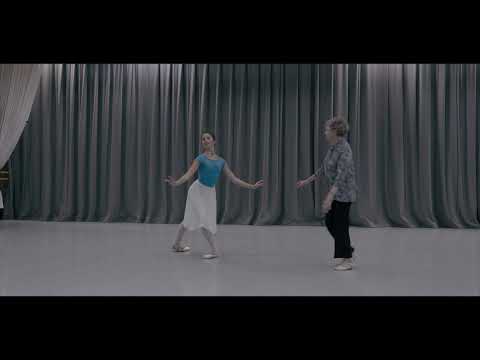
Les Rendezvous is a plotless one-act ballet made by Frederick Ashton in 1933 for the Vic-Wells company, using ballet music by Daniel Auber (originally written for his opera L'enfant prodigue) arranged by Constant Lambert, with designs by William Chappell. It was Ashton's first major work for the company that became the Royal Ballet, and it has stayed in repertory in various revivals ever since.
What it contains
- Classical Ballet · the whole ballet, across its succession of promenade, variation and ensemble numbers — A plotless suite of pas de quatre, solo variations, an adage for the leads, a pas de trois and a pas de six built entirely on academic classical steps, designed to display pointe brilliance in the female lead and jumped elevation in the male lead. Source: "first substantial classical composition and an exultant statement of his idiosyncratic approach to academic ballet."
What is danced
The ballet is built as a suite of set numbers rather than a narrative: an Entrée des Promeneurs for the full company, a Pas de quatre for four girls, a male variation, an Adage des Amoureux for the two principals, a Pas de trois for a girl and two boys, a female variation, a Pas de six for six boys, and a closing Sortie des Promeneurs. This architecture of small ensembles building toward soloist and duet numbers is the classic 'suite ballet' pattern of pure-dance divertissement.
Context
The article situates the work as Ashton's breakthrough for Vic-Wells (the company that would become Sadler's Wells Ballet and then the Royal Ballet), created in December 1933 when British classical ballet was still establishing its own choreographic identity apart from touring Ballets Russes successor companies. It is described as his first substantial classical composition, marking a turn toward the purely academic, plotless idiom he would keep returning to across his career.
Staging history
The choreography was revised in 1934, and the ballet held a place in the company's seasons up to 1945, then again from 1959 to 1963, at one point performed using Sophie Fedorovitch's La Traviata Act 1 set rather than its own designs. It was revived in 1984 for Ashton's 80th birthday and again in 2000 at Covent Garden with updated sets, and the article notes further productions by companies in Norway, the United States and Japan, plus a 1962 television film and studio recordings of the score in 1950 and 1988.
How to watch it
Watch the shape of the piece rather than any story: entries and exits of the corps frame a sequence of soloist showcases (pas de quatre, pas de trois, pas de six) that build toward the central Adage des Amoureux. The original casting was designed around contrast between Alicia Markova's stylistic brilliance and Stanislas Idzikowski's jumping elevation, so the male variation and adage are the places to look for virtuoso classical technique rather than dramatic acting.
Structure
- Entrée des PromeneursThe company enters as strolling friends gathering in the park setting.
- Pas de quatreFour girls dance a group number.
- Male VariationA solo variation for the male lead.
- Adage des AmoureuxThe two leading dancers perform a slow duet.
- Pas de troisA girl and two boys dance together.
- Female VariationA solo variation for the female lead.
- Pas de sixSix boys dance a group number.
- Sortie des PromeneursThe company exits, closing the sequence of park encounters.
Structure read from an encyclopaedia article, not from a libretto or score we hold. Confirm against a programme before treating the numbering as authoritative.
Credits
- composer: Constant Lambert
- composer: Daniel François Esprit Auber
More from Frederick Ashton
Other staged works in the register connected to this one by author or lineage.
 SylviaBallet · 1876Ashton · video
 Les PatineursBallet · 1937Ashton · video
 Symphonic VariationsBallet · 1946Ashton · video
 Marguerite and ArmandBallet · 1963Ashton · video
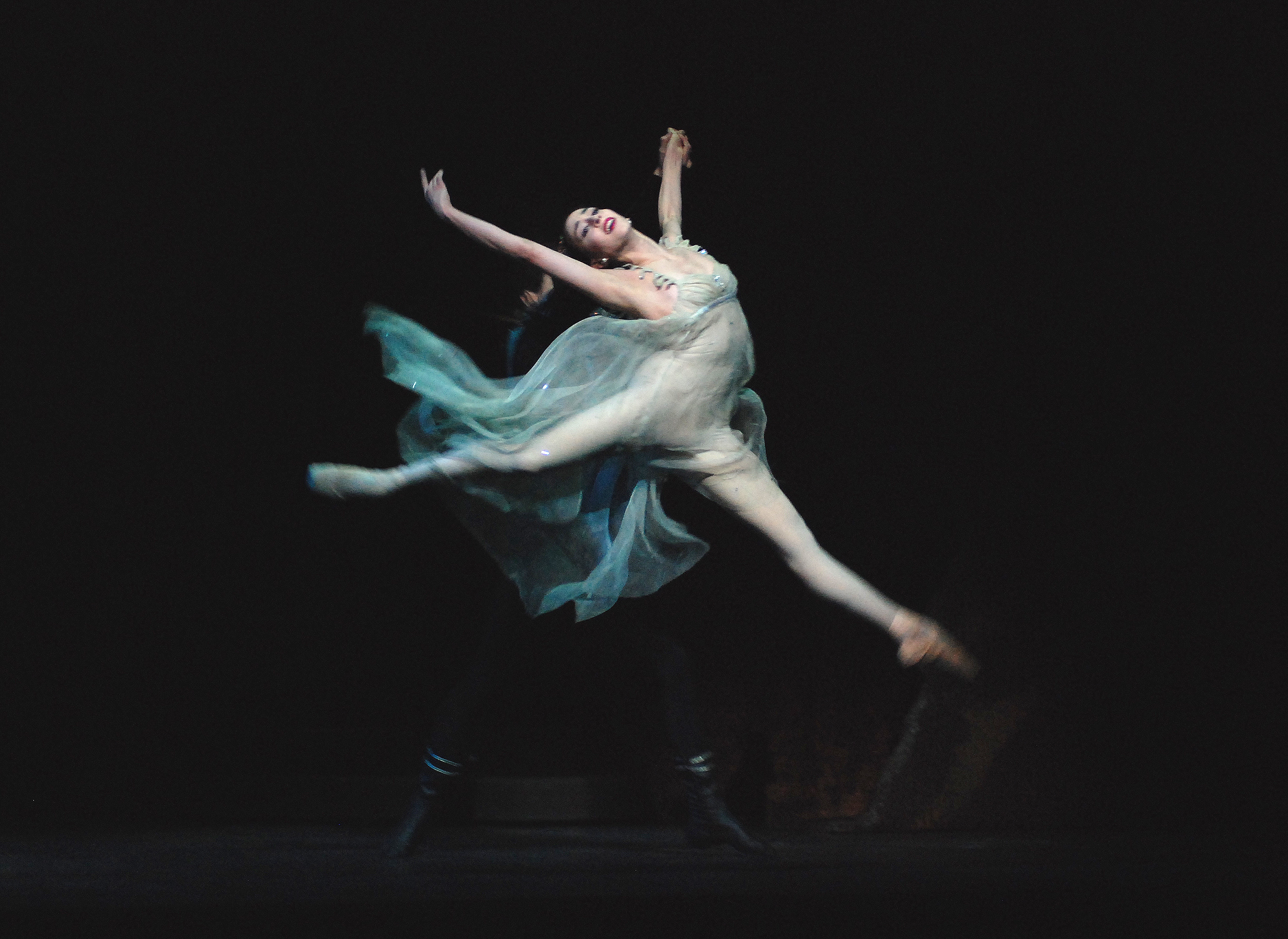 OndineBallet · 1958Ashton · video
 A Month in the CountryBallet · 1976Ashton · video
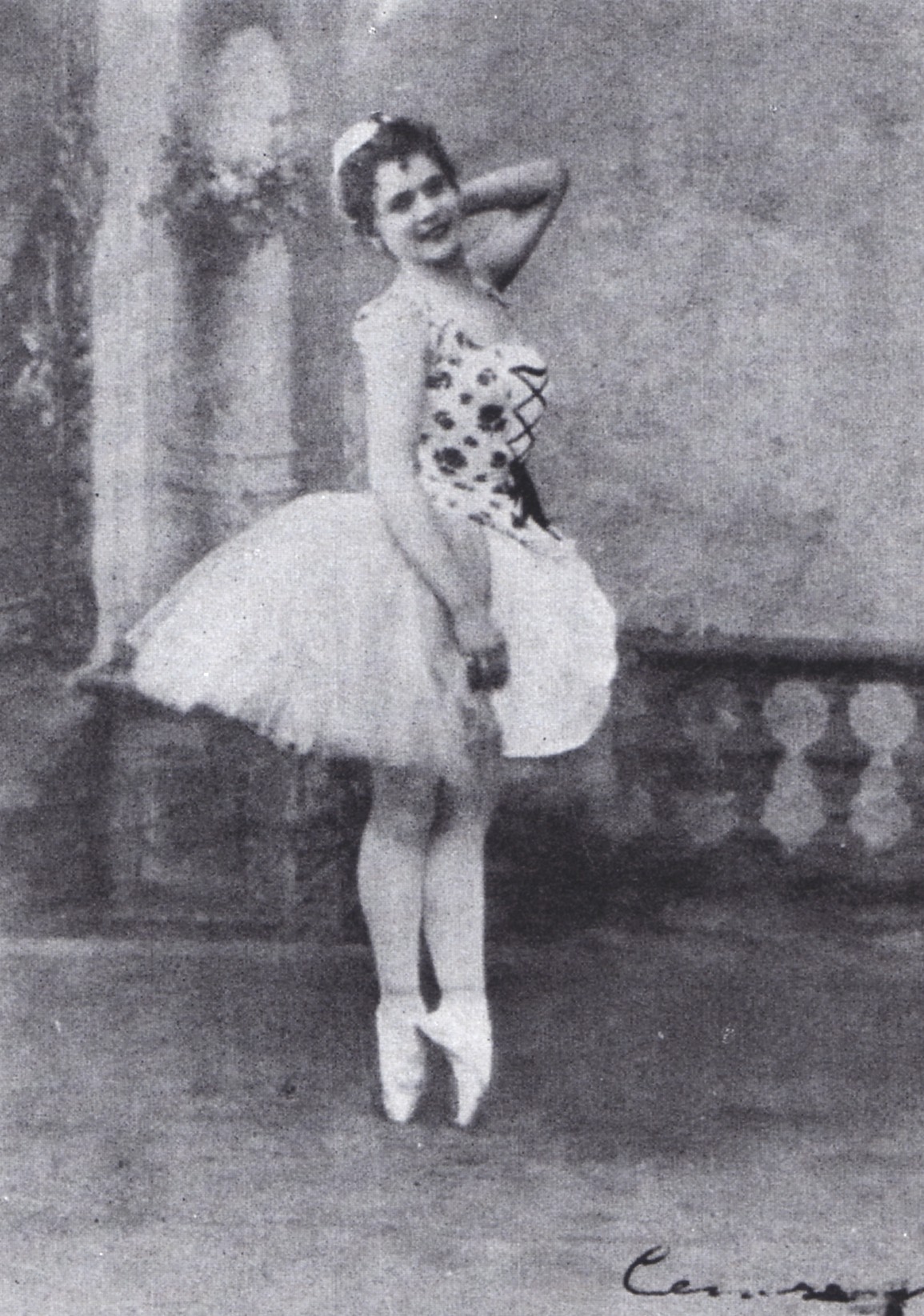 CinderellaBallet · 1893Same lineage
 Stars and StripesBallet · 1958Same lineage · video