Élégie is George Balanchine's choreographic treatment of Igor Stravinsky's 1944 Elegy for solo viola, a short elegiac piece written in memory of Alphonse Onnou, founder of the Pro Arte Quartet. Balanchine did not make one ballet but three distinct versions of it over more than three decades — a pas de deux in 1948, a solo in 1966, and a further solo staging in 1982 — each set live to the viola (or violin) score rather than to a recording or full orchestration.
What it contains
- Neoclassical Ballet · The whole work, across all three choreographic versions (1948, 1966, 1982) — Plotless, score-driven choreography made directly for a solo viola piece, staged first as an adagio pas de deux then twice as a solo, in the idiom the article itself labels neoclassical. Source: "Elegy was later choreographed as a neoclassical ballet by George Balanchine."
What is danced
The article gives no step-by-step description, but the shape of the piece is legible from its structure: the 1948 version is a pas de deux, described by Stravinsky himself as 'a preview of a pas de deux from the ballet Orpheus,' meaning it is built as a duet study in adagio partnering that Balanchine would develop further in that later work. The 1966 and 1982 versions are solos made for and closely identified with Suzanne Farrell, danced against a violist performing live on stage — an unusual staging condition that ties the dancer's phrasing directly to the musician's bowing and to the score's own structure (a chant-like opening over rippling accompaniment, a two-voice fugal middle section, and a recapitulation of the opening).
Context
The piece dates from the same decade as Orpheus and other Balanchine–Stravinsky collaborations that defined American neoclassicism at Ballet Society and, later, New York City Ballet — companies built expressly around plotless, score-driven choreography stripped of narrative apparatus. The article calls Élégie a 'neoclassical ballet,' and its return across three separate stagings, tracking Balanchine's own late-career interest in intimate solo and duet forms built directly from chamber music, situates it within his ongoing project of matching sparse, exposed vocabulary to sparse, exposed scores.
Staging history
The three versions had different premieres and different scales: the pas de deux (1948, Ballet Society, City Center) with Tanaquil Le Clercq and Pat McBride and violist Emanuel Vardi; the first solo (1966) danced by Suzanne Farrell in a Stravinsky programme at Philharmonic Hall before being taken into New York City Ballet's repertory that same month; and a further solo (1982), again for Farrell, made for NYCB's Stravinsky Centennial Celebration, with Warren Laffredo playing viola on stage. After Balanchine's death the following year the work went unperformed until 2012, when Damian Woetzel reconstructed the choreography from tapes of Farrell for Pacific Northwest Ballet's Carla Körbes at the Vail Dance Festival; that performance was streamed online in 2020 during the pandemic.
How to watch it
Watch for how closely the dancer's phrasing tracks the live violist's bowing and breath, since the piece was staged with the musician on stage rather than in the pit. In the 1948 pas de deux, look for the adagio partnering that Balanchine reused and expanded in Orpheus; in the solo versions, watch for how the choreography answers the score's chant-like opening, its brief two-voice fugal passage, and its return to the opening material at the close.
Structure
- 1948 pas de deuxFirst version, a duet premiered April 28, 1948 at Ballet Society, danced by Tanaquil Le Clercq and Pat McBride with violist Emanuel Vardi; described by Stravinsky as a preview of a pas de deux from Orpheus.
- 1966 soloSecond version, a solo premiered July 15, 1966 at Philharmonic Hall, danced by Suzanne Farrell with violist Jesse Levine, later taken into New York City Ballet's repertory.
- 1982 soloThird version, again a solo for Suzanne Farrell, premiered June 13, 1982 at the New York State Theater as part of NYCB's Stravinsky Centennial Celebration, with Warren Laffredo playing viola on stage.
Structure read from an encyclopaedia article, not from a libretto or score we hold. Confirm against a programme before treating the numbering as authoritative.
Credits
- composer: Igor Stravinsky
More from George Balanchine
Other staged works in the register connected to this one by author or lineage.
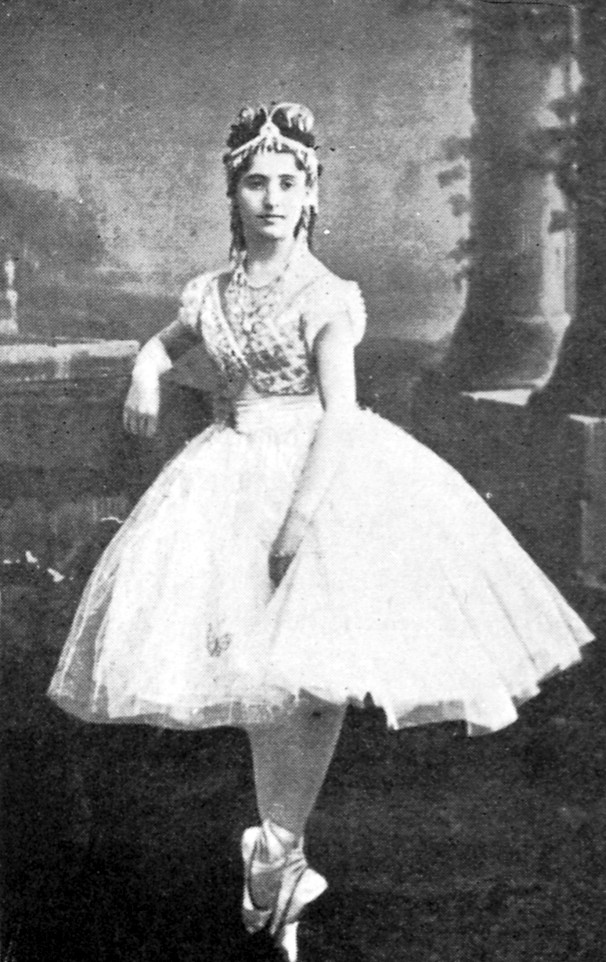 CoppéliaBallet · 1870Balanchine · video
 ApolloBallet · 1928Balanchine · video
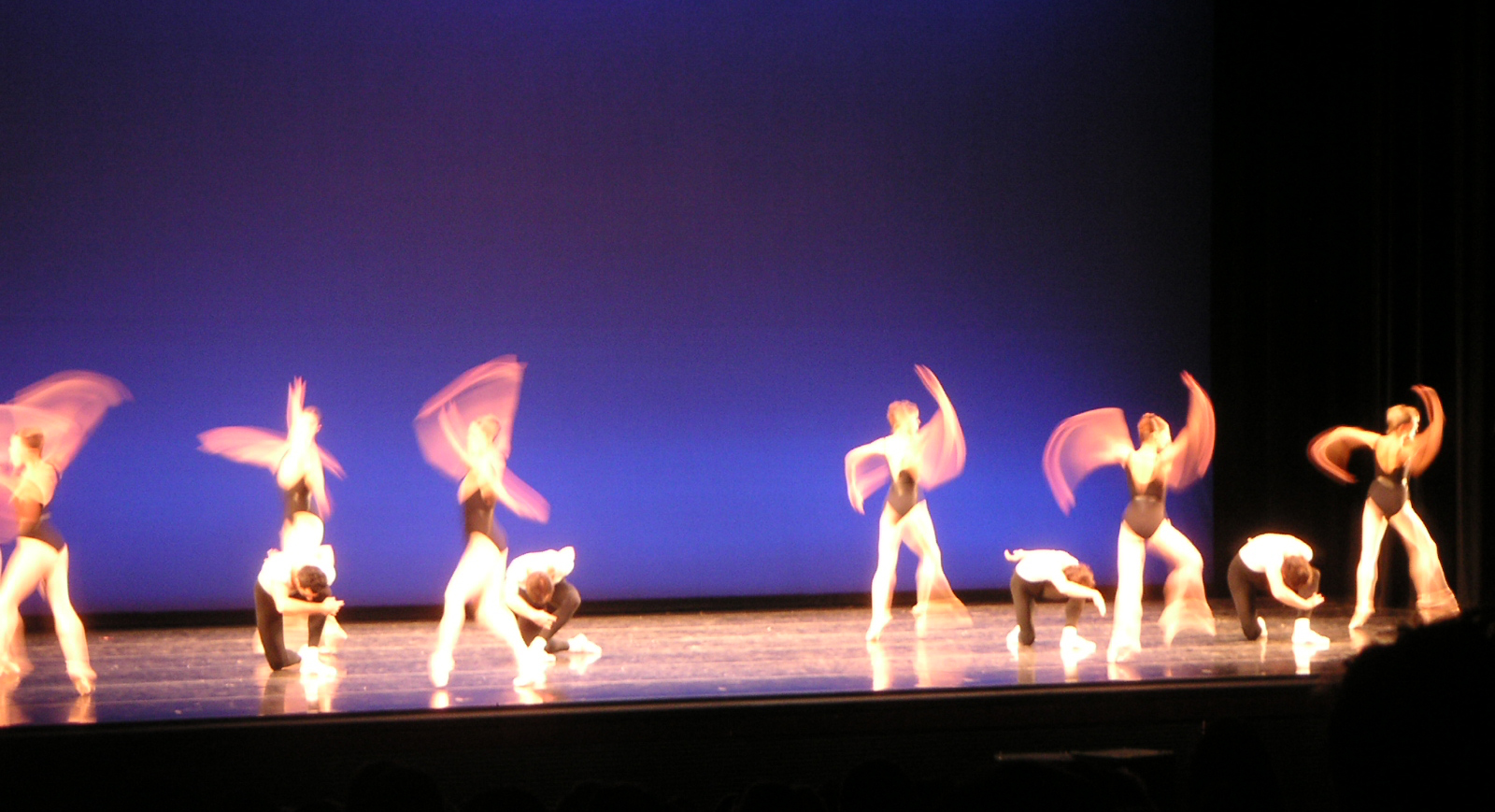 AgonBallet · 1957Balanchine · video
 Le chant du rossignolBallet · 1920Balanchine · video
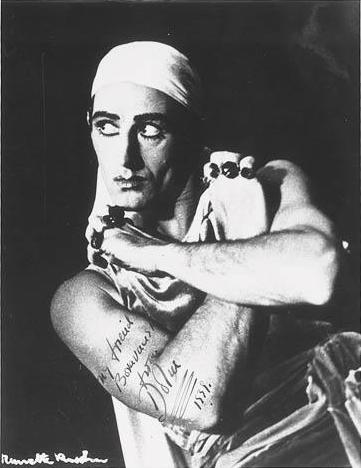 The Prodigal SonBallet · 1929Balanchine · video
 The Seven Deadly SinsBallet · 1933Balanchine · video
 Tschaikovsky Piano Concerto No. 2Ballet · 1941Balanchine · video
 The NutcrackerBallet · 1954Balanchine · video