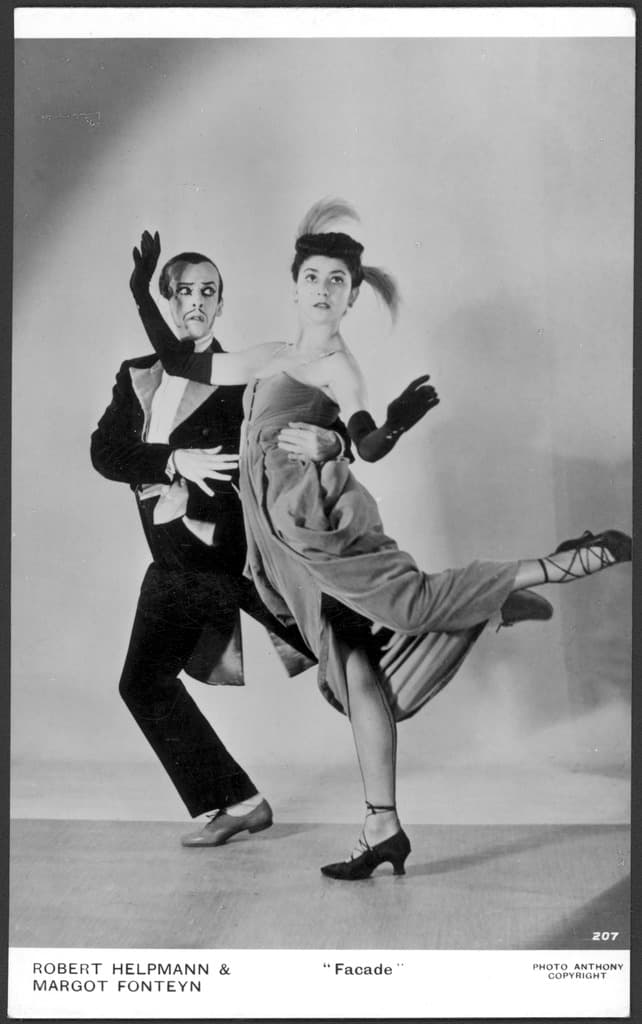
National Library of Australia from Canberra, Australia — Robert Helpmann and Margot Fonteyn, Facade / Anthony · No restrictions
Façade is a plotless, one-act suite of comic divertissements that Frederick Ashton set to William Walton's music, itself drawn from Façade – an Entertainment (1923), the collaboration between Walton and the poet Edith Sitwell in which verses were recited over a small chamber ensemble. Ashton's ballet dropped the recitation (in most productions) and used Walton's 1926 orchestral suite plus two further numbers, turning the material into a sequence of dance parodies rather than a spoken-word entertainment.
What it contains
- Classical Ballet · The whole ballet, across all its divertissements — A plotless suite of numbers performed by classically trained dancers of the Camargo Society, described as choreographic satires on popular dance forms and the performers associated with them, rather than literal social or folk dance. Source: "described by the ballet critic Debra Crane as "choreographic satires on popular dance forms and their dancers""
What is danced
The ballet is built as a string of short numbers rather than a continuous narrative, each one, in the words of critic Debra Crane, a "choreographic satire" on a popular dance form or dance type and its performers. The original 1931 programme ran Scotch Rhapsody, Jodelling Song, Polka, Valse, Popular Song, Tango-Pasodoble and a Finale titled Tarantella Sevillana; Ashton later added Country Dance (1935) and Noche Espagnola and Foxtrot (1940). Casting patterns from the premiere show the numbers built around specific performers and stock comic types — a milkmaid and mountaineers in the Jodelling Song, a soloist turn for Alicia Markova in the Polka, an ensemble Valse for four women, and a comic duo for Lopokova and Ashton himself in the Tango-Pasodoble and the closing Tarantella.
The article does not describe actual steps, holds or technique in any number, so no specific historic-dance vocabulary (waltz hold, polka step, tarantella footwork, etc.) can be confirmed from this source alone; what is documented is that these are stylised, satirical treatments performed by classically trained dancers of the Camargo Society, not straightforward demonstrations of the named social or folk dances. Anyone staging or teaching from this work should treat the titles as comic references rather than literal instructions in period social dance.
Context
The ballet was made for the Camargo Society, founded in 1930 specifically to give British dancers and choreographers a public platform at a time when there was no permanent national ballet company; its premiere at the Cambridge Theatre in April 1931 sits at the very start of the institution-building that would lead to the Vic-Wells and later Royal Ballet. It followed an earlier, unrelated ballet treatment of the same score by Günter Hess for the German Chamber Dance Theatre in 1929, whose choreographer is said to have met Ashton in London in 1930; Sitwell herself refused to let her poems be used for that production, which is part of why Ashton's version proceeds without the spoken text in its standard form.
Staging history
Façade was revived at the Savoy Theatre in 1932, and for the Vic-Wells Ballet in 1935 Ashton added the Country Dance, in a production that featured Margot Fonteyn and Robert Helpmann. In 1940 he further expanded the work with the Foxtrot ("Old Sir Faulk") and the Noche Espagnola ("Nocturne Péruvienne"), additions that have been included or dropped inconsistently in subsequent Sadler's Wells/Royal Ballet revivals (1946, 1949, 1950, 1951, 1956, 1958–9). In 1972 Ashton mounted a version for the Aldeburgh Festival restoring the original chamber score with Sitwell's verses recited live, by Peter Pears, later seen at Sadler's Wells Theatre. Internationally the ballet has passed through many companies' repertories, including the Borovansky Ballet (1946), New Zealand Ballet (1960), PACT Ballet in South Africa (1966), Joffrey Ballet (1969), Australian Ballet (1972), Chicago Ballet (1975), Houston Ballet (1978), Washington Ballet (1983), Royal Winnipeg Ballet (1984), the Ballet of the Teatro Regio, Turin (1992) and Scottish Ballet (2005).
How to watch it
Watch it as a set of comic sketches, not a story: each number is a self-contained joke about a dance type or a dance personality, so the pleasure is in timing, exaggeration and the dancers' comic characterisation rather than in dramatic continuity. Note which numbers a given production includes, since Ashton revised the running order and content across decades (Country Dance added 1935; Foxtrot and Noche Espagnola added 1940), and some revivals restore the 1972 chamber-orchestra version with spoken verse rather than the concert suite normally used.
Structure
- Scotch RhapsodyDanced originally by Prudence Hyman, Maude Lloyd and Antony Tudor.
- Jodelling SongA comic scene with Lydia Lopokova as a milkmaid and Frederick Ashton, William Chappell and Walter Gore as mountaineers.
- PolkaA solo created for and danced by Alicia Markova.
- ValseAn ensemble number for four women: Pearl Argyle, Diana Gould, Maude Lloyd and Prudence Hyman.
- Popular SongA duet for William Chappell and Walter Gore.
- Tango-PasodobleA comic duet for Lydia Lopokova and Frederick Ashton.
- Finale – Tarantella SevillanaA closing ensemble number led by Lydia Lopokova and Frederick Ashton with the full cast.
- Country DanceAdded by Ashton for the Vic-Wells Ballet's 1935 production.
- Foxtrot ("Old Sir Faulk")Added by Ashton in 1940 as part of his expansion of the ballet.
- Noche Espagnola ("Nocturne Péruvienne")Added by Ashton in 1940 alongside the Foxtrot.
Structure read from an encyclopaedia article, not from a libretto or score we hold. Confirm against a programme before treating the numbering as authoritative.
Credits
- composer: William Walton
More from Frederick Ashton
Other staged works in the register connected to this one by author or lineage.
 SylviaBallet · 1876Ashton · video
 Les PatineursBallet · 1937Ashton · video
 Symphonic VariationsBallet · 1946Ashton · video
 Marguerite and ArmandBallet · 1963Ashton · video
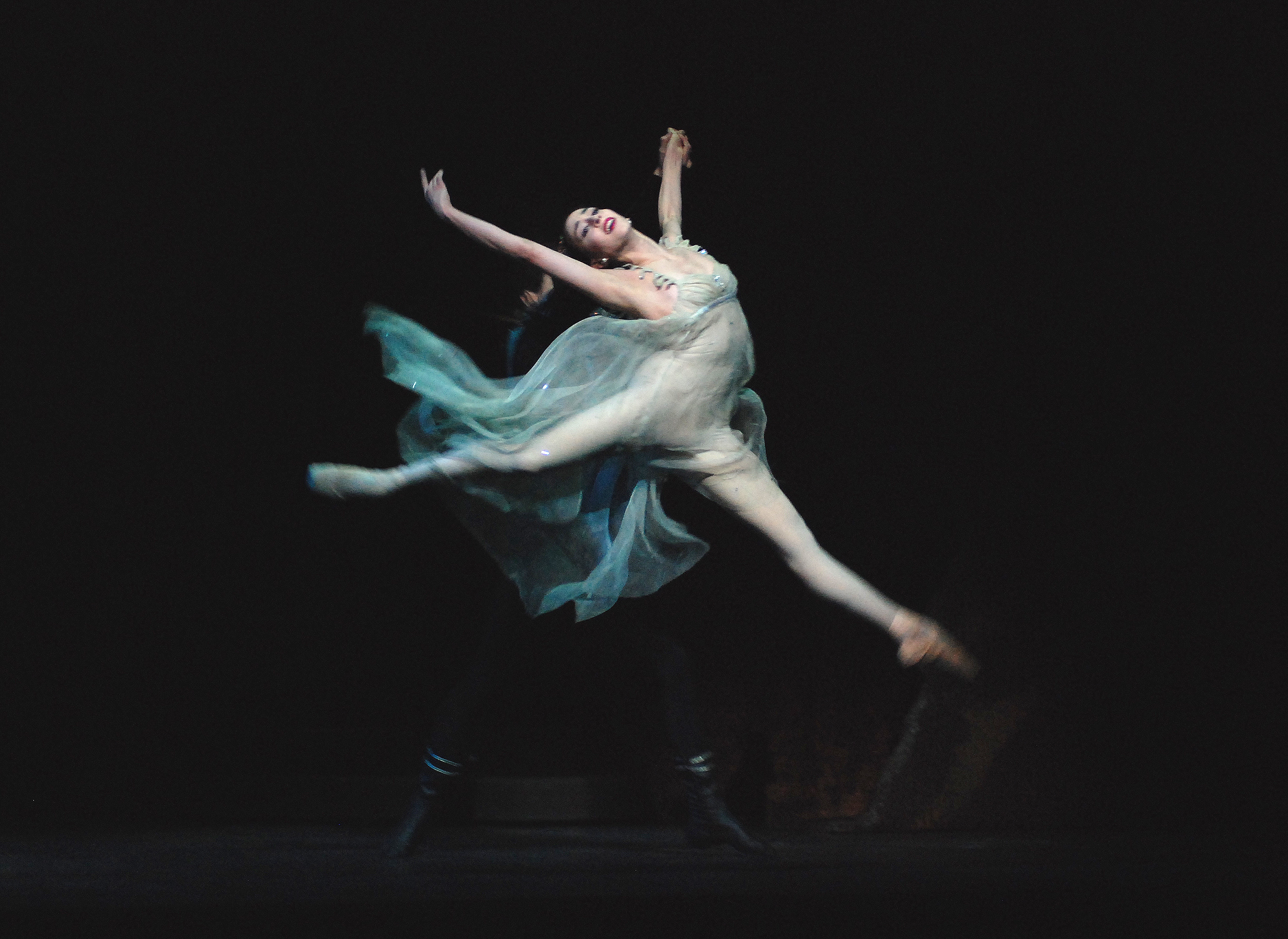 OndineBallet · 1958Ashton · video
 A Month in the CountryBallet · 1976Ashton · video
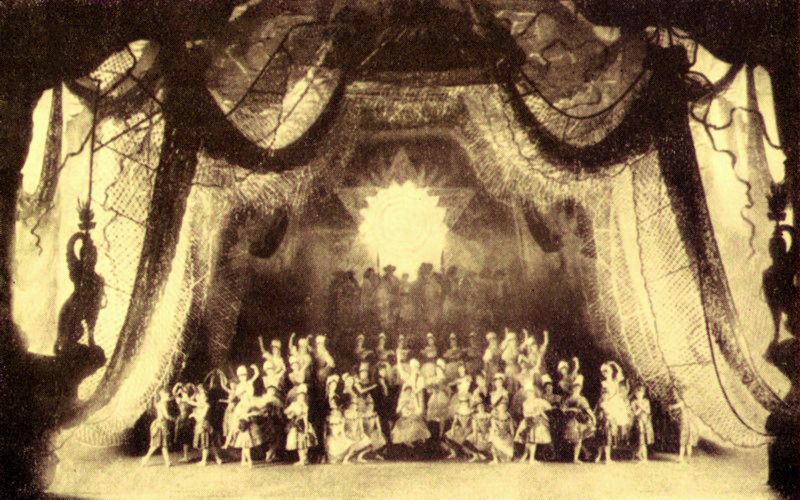 The Magic PillsBallet · 1886Same lineage
 Homage to the QueenBallet · 1953Same lineage · video