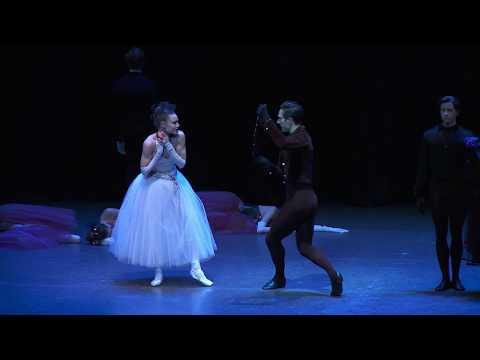
La Valse is a plotless-turned-narrative ballet George Balanchine made for New York City Ballet, set to two Ravel scores — Valses Nobles et Sentimentales and the title work La Valse — joined into a single evening piece. It premiered on 20 February 1951 at the City Center of Music and Drama, with Tanaquil Le Clercq as the central ballerina and Francisco Moncion as a black-clad figure of Death whom Balanchine himself named in rehearsal though never in the program.
What it contains
- Neoclassical Ballet — La Valse · Throughout the ballet, across both the Valses Nobles et Sentimentales and La Valse sections — Corps de ballet, soloist trios, and a central pas de deux built from waltz meter, extended with backbends and an increasingly frantic solo ending in the ballerina's death — academic vocabulary reworked into symbolic narrative rather than pantomime. Source: "a corps de ballet of eight men and sixteen women waltzes, and the fifth waltz couple also returns"
- Balanchine Method — Eighth Waltz · Eighth Waltz solo variation for the ballerina in white — Balanchine directed the dancer toward torso contraction and a quality of 'plastique' rather than pure academic line, illustrating his method's blending of classical steps with expressive distortion. Source: "Balanchine said to think of German-style contractions for it – a feeling for 'plastique.'"
- Classical Ballet — Eighth Waltz · Eighth Waltz of Valses Nobles et Sentimentales, pas de deux for the ballerina in white and her partner — Duet opening with backbends between two figures who seem unfamiliar with each other, danced with formal elegance and closing in a partnered lift as they exit. Source: "They do backbends and at first seem not to know each other. They dance with a ceremonial and slightly depraved elegance."
What is danced
The first half, danced to Valses Nobles et Sentimentales, unfolds waltz by waltz: an overture waltz, a trio for three women, three successive waltzes each given to a couple, a solo for the woman of the fifth waltz, a seventh waltz that regroups those dancers, and an eighth waltz built as a pas de deux for a ballerina in white and her partner — a duet the article describes as opening with backbends between two figures who 'seem not to know each other' and closing in a lift, danced with 'ceremonial and slightly depraved elegance.' Le Clercq recalled Balanchine asking her to draw on 'German-style contractions' and a sense of 'plastique' for this variation, which is a departure from pure classical line even within an otherwise academic vocabulary.
Context
Ravel had written the La Valse score in 1919-1920 as a ballet proposal for Sergei Diaghilev, who turned it down, and the music went on to several unrealized or unsuccessful stage treatments before Balanchine took it up. Made in 1951, only a few years after Balanchine and Lincoln Kirstein founded New York City Ballet, the work belongs to the company's early push to build a repertory that treated the corps de ballet and named soloists within a symphonic dance structure rather than a conventional story ballet — while still, unusually for Balanchine, letting a literal narrative (seduction by Death, followed by death) drive the choreography.
Staging history
The ballet left NYCB's repertory in 1956 when Le Clercq was paralyzed by polio, and was not revived until 1962, when she taught her role to Patricia McBride from outside the studio; Moncion and Nicholas Magallanes were the only original-cast dancers to return for that revival. Balanchine revised the work in 1974 to add a brief, startling appearance by Death within the Eighth Waltz, intended as a premonition of the Death figure who dominates the later La Valse section. The ballet has since been staged by companies including the Kirov Ballet, Stuttgart Ballet, Dutch National Ballet, Pacific Northwest Ballet, Los Angeles Ballet and Suzanne Farrell Ballet, and NYCB filmed it in Paris in 2015 for a 2017 PBS broadcast.
How to watch it
Watch how the piece escalates from social ballroom convention (couples, trios, a corps waltzing) into distortion: the Eighth Waltz pas de deux already bends the classical line before Death appears at all, and once he does, the ballerina's steps accelerate 'almost mindlessly' rather than changing in kind — the horror is built from tempo and repetition, not new gesture. Pay attention to the corps de ballet, which keeps waltzing indifferently around the central drama both before and after the death.
Structure
- Second WaltzThree female soloists dance together.
- Third, Fourth and Fifth WaltzesEach waltz is danced by a couple, with the fifth waltz's woman continuing into a solo.
- Sixth WaltzThe woman from the fifth waltz dances a solo.
- Seventh WaltzHer partner returns joined by the three soloists from the second waltz, and she exits.
- Eighth WaltzA ballerina in white and a man dance a duet of backbends and unfamiliar approach, ending in a lift; in the 1974 revision, Death briefly appears here as a premonition.
- La ValseThe corps de ballet waltzes, the white ballerina and her partner dance, then Death and his servant enter; Death seduces the ballerina, forces her into a frenzied dance, and she dies as the corps resumes waltzing.
Structure read from an encyclopaedia article, not from a libretto or score we hold. Confirm against a programme before treating the numbering as authoritative.
Credits
- composer: Maurice Ravel
More from George Balanchine
Other staged works in the register connected to this one by author or lineage.
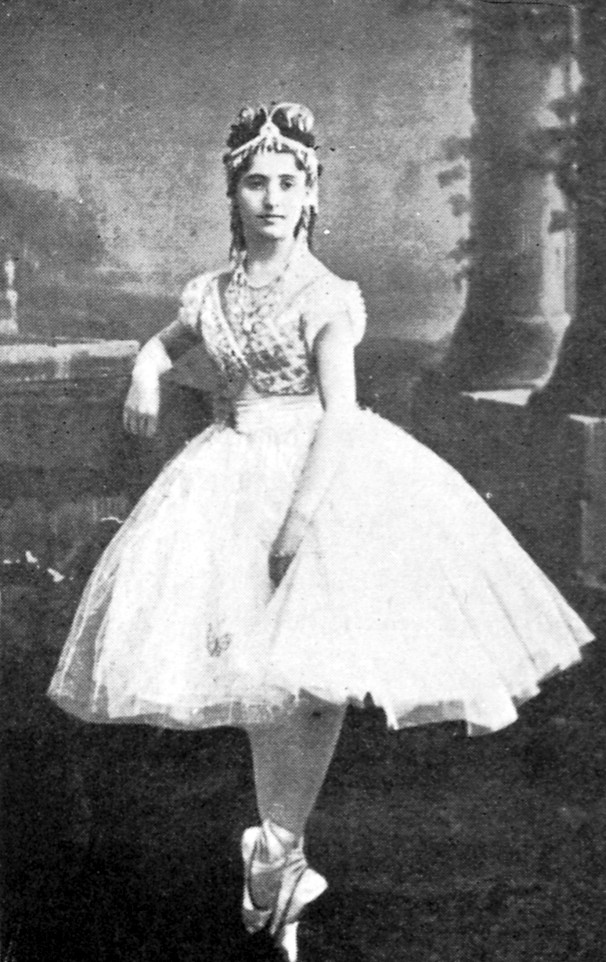 CoppéliaBallet · 1870Balanchine · video
 ApolloBallet · 1928Balanchine · video
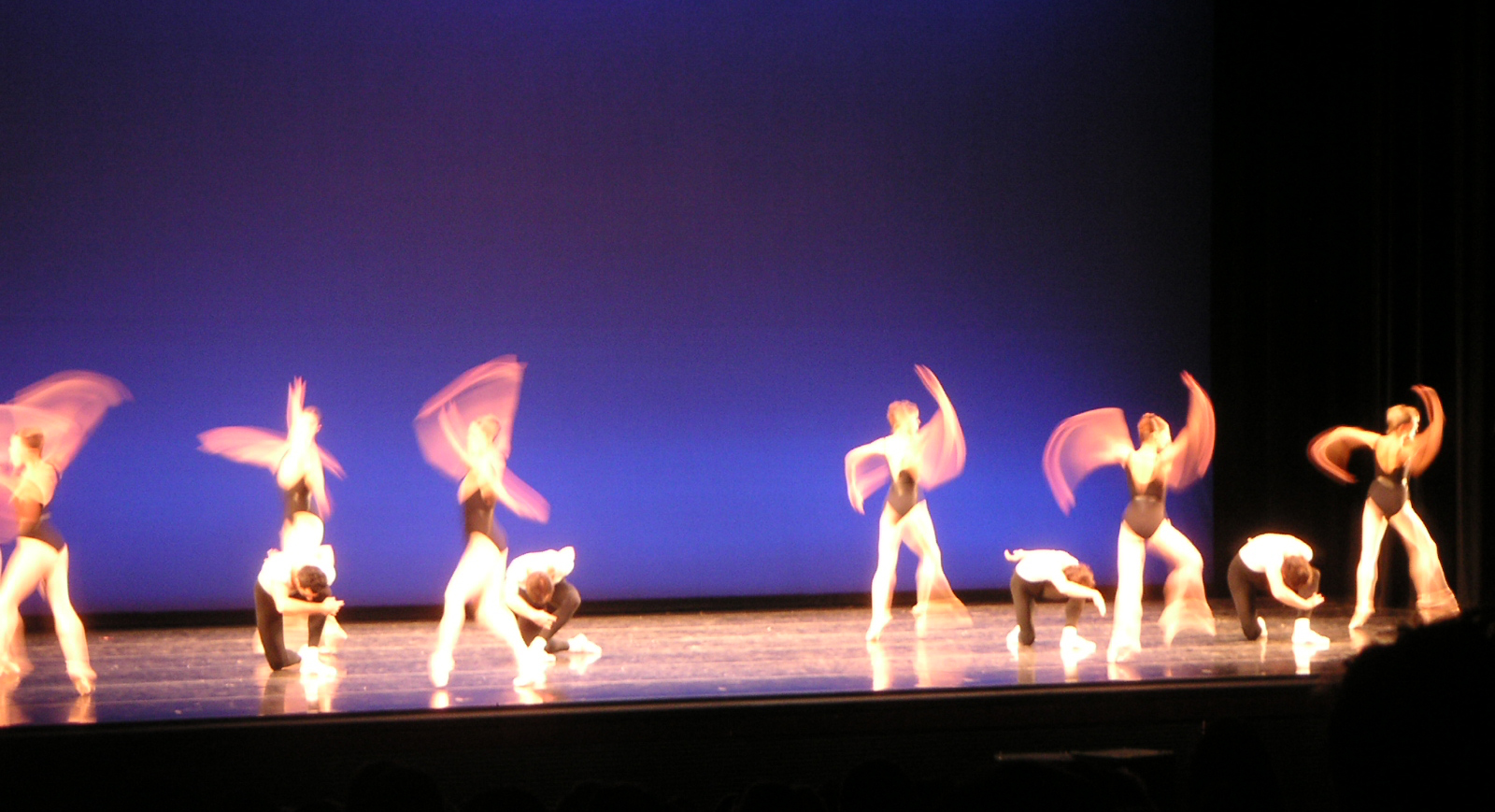 AgonBallet · 1957Balanchine · video
 Le chant du rossignolBallet · 1920Balanchine · video
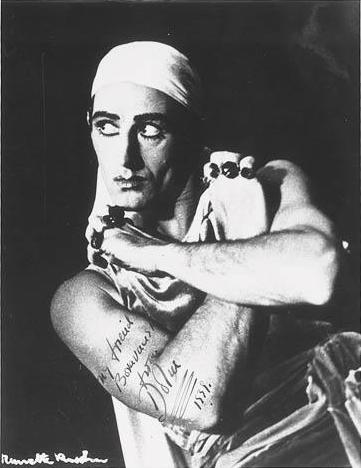 The Prodigal SonBallet · 1929Balanchine · video
 The Seven Deadly SinsBallet · 1933Balanchine · video
 Raymonda VariationsBallet · 1961Balanchine · video
 ZenobiaBallet · 1936Balanchine · video