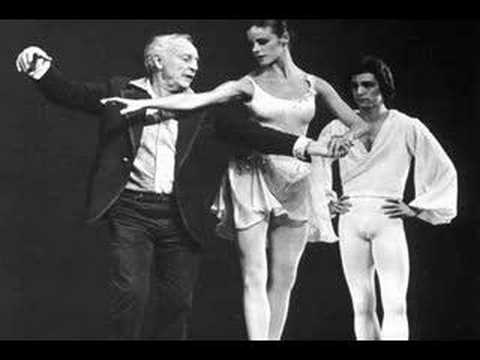
This is George Balanchine's 1975 setting of Ravel's orchestral suite Le Tombeau de Couperin, made for the New York City Ballet's Ravel Festival marking the composer's centenary. It is a plotless ensemble ballet for sixteen dancers, split into two groups the article calls quadrilles, who dance separately rather than as a single corps around principal soloists.
It belongs in the catalogue as one of relatively few Balanchine works made to Ravel's music — the article notes he had made only two such ballets in the preceding forty years — and as an example of his late-career interest in structural, non-narrative choreography built directly from a score's own formal logic rather than from character or story.
What it contains
- Neoclassical Ballet · The entire ballet, danced by two separated groups of eight couples — Plotless ensemble structure with no principal roles or soloistic focus; two groups of paired couples move through geometric formations keyed to the score, described as retaining 'the aura of formal dances' rather than narrative content. Source: "There are no principal roles in the ballet."
What is danced
The ballet has no principal roles: its two groups of eight couples each (sixteen dancers total, called quadrilles) perform separately rather than combining into a single corps focused on soloists. Balanchine himself described the piece as concerned with nothing beyond "the combination of these dancers moving to Ravel's lovely score," which points to a plotless, musically-driven structure rather than a narrative or character-based one. Dancers appear in practice clothes rather than costumes, which the article records without further comment on design intent.
Critics who saw it described its choreographic character in terms of mood and pattern rather than named steps: Richard Buckle called it "both pastoral and elegiac," and Nancy Reynolds argued that while it did not dramatize the score's undercurrents of lament, it kept a "formal dances" quality through paired couples and geometric group formations. Clive Barnes praised its ensemble handling specifically, writing that Balanchine "just uses the ensemble" but with such alignment to the music that "the entire work from beginning to end absolutely sings."
Beyond these general characterizations — separated quadrille groupings, paired couples, geometric patterning, absence of soloistic focus — the article gives no specific step vocabulary, lifts, or technical demands, so a dancer preparing the role would need to consult the Balanchine Trust materials or staging notes rather than this source alone.
Context
The ballet was made for the New York City Ballet's 1975 Ravel Festival, a company-wide celebration of Ravel's centenary for which Balanchine choreographed to a large number of the composer's scores in a short span, despite having made comparatively few Ravel ballets across his career up to that point. The article notes that Ravel's own Le Tombeau de Couperin suite, an homage to François Couperin and to French musical tradition generally, had already been choreographed decades earlier by the Ballets suédois in the 1920s, situating Balanchine's version as a later, distinct approach to the same score rather than a first setting.
Staging history
The ballet premiered May 29, 1975 at the New York State Theater as part of the third program of the Ravel Festival, conducted by Robert Irving, with the New York City Ballet. The article notes an unusual production history: Balanchine finished the choreography early and moved on to other work, so ballet master Rosemary Dunleavy reassembled the cast to preserve it before the premiere, and Balanchine did not watch the piece run start to finish until a late rehearsal he had been delaying. After Balanchine's death, Dunleavy inherited the rights to the ballet. The article also records that students from the School of American Ballet, the company's affiliated school, have performed the work.
How to watch it
Watch the two groups of eight couples (the article's "quadrilles") as separate formal units rather than expecting a lead couple or featured soloist to emerge — the absence of principal roles is structural, not an oversight. Attend to how the geometric group formations and paired couples track the score's own historical references, and to the plain practice clothes, which keep attention on pattern and musicality rather than costume or story.
Credits
- composer: Maurice Ravel
More from George Balanchine
Other staged works in the register connected to this one by author or lineage.
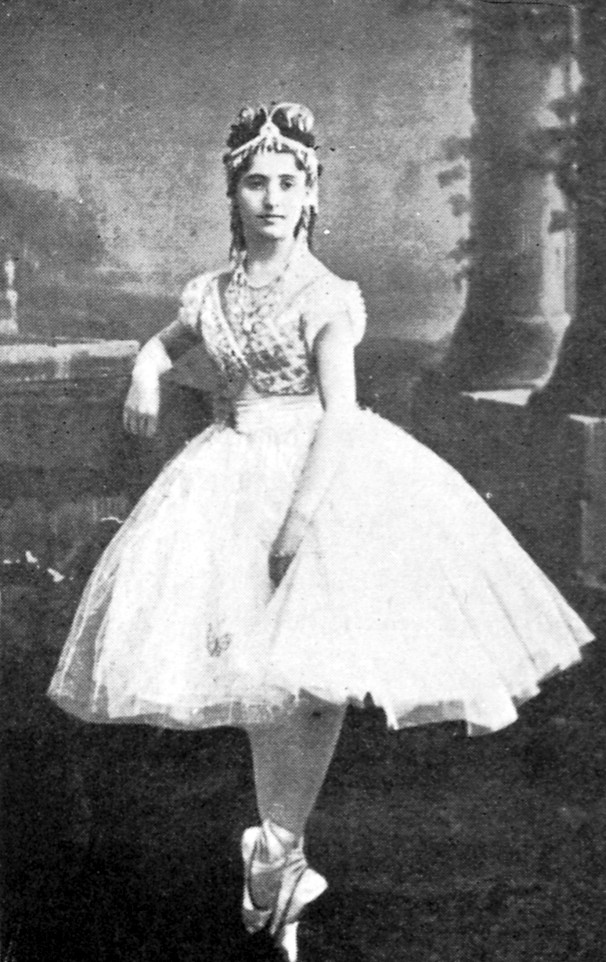 CoppéliaBallet · 1870Balanchine · video
 ApolloBallet · 1928Balanchine · video
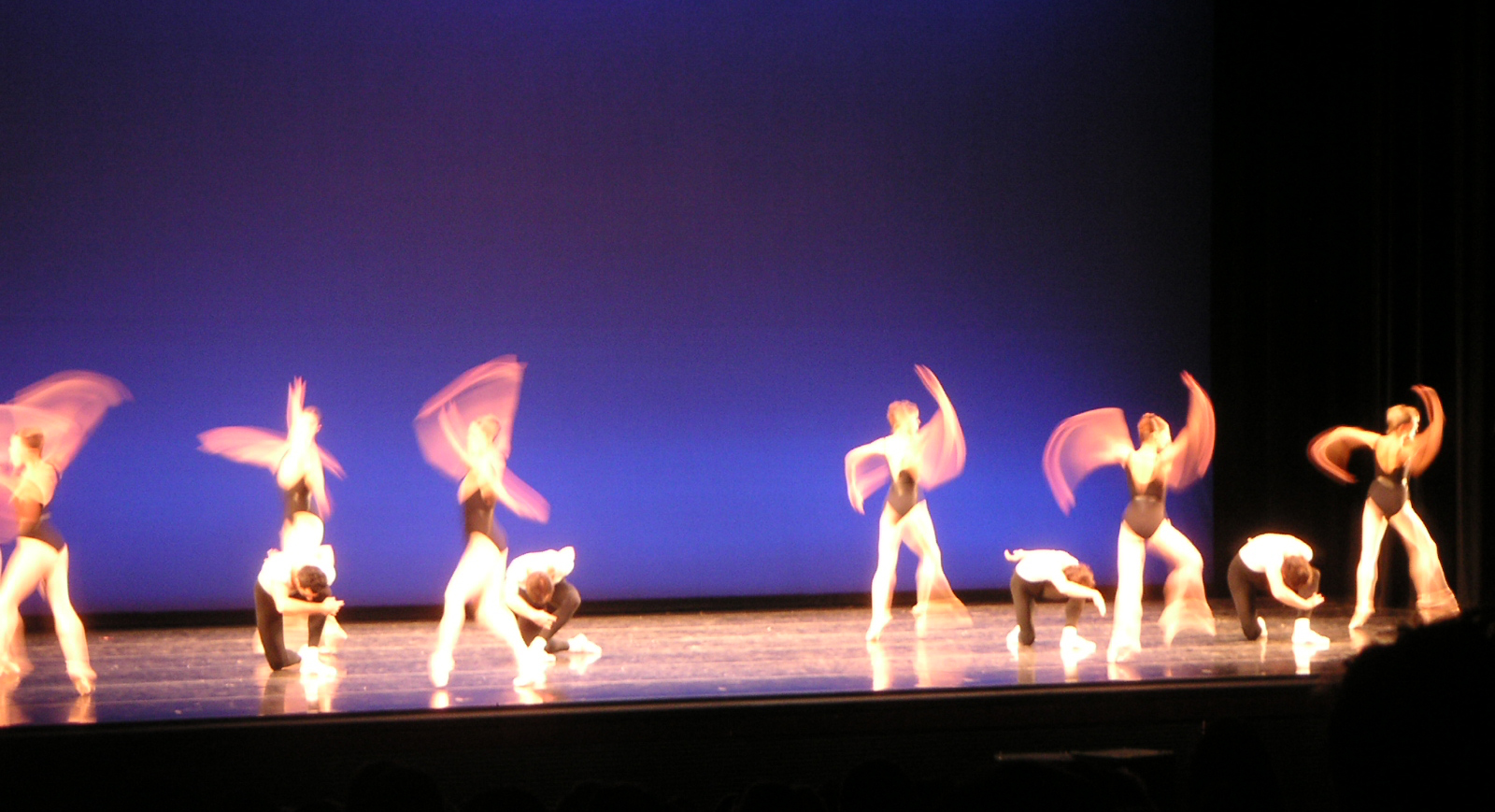 AgonBallet · 1957Balanchine · video
 Le chant du rossignolBallet · 1920Balanchine · video
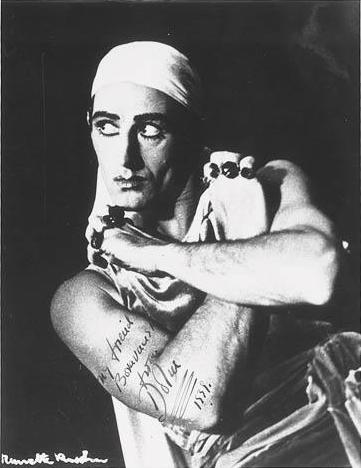 The Prodigal SonBallet · 1929Balanchine · video
 The Seven Deadly SinsBallet · 1933Balanchine · video
 Danses concertantesBallet · 1944Balanchine · video
 Stars and StripesBallet · 1958Balanchine · video