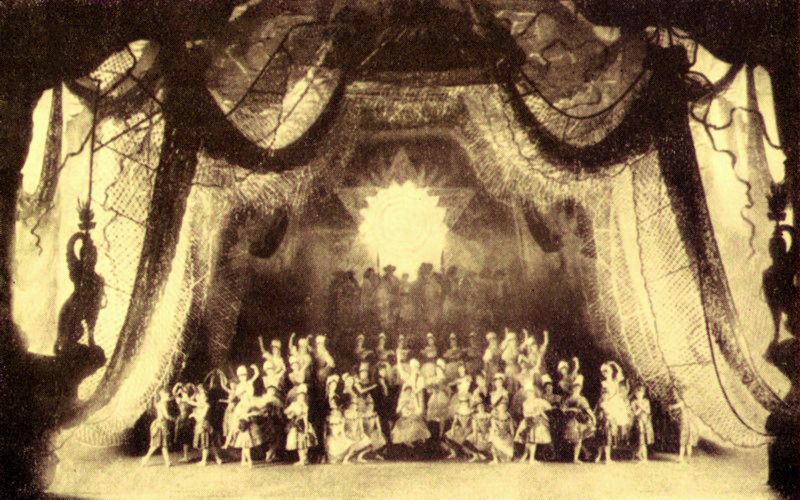
Les Aventures de Pélée is a three-act, five-scene ballet made by Marius Petipa for the Imperial Ballet, first given on 30 January 1876 (18 January Old Style) at the Bolshoi Kammeny Theatre in St Petersburg. Petipa wrote his own libretto from the Greek myth of Thetis and Peleus, and the score was credited to Ludwig Minkus with additional music adapted from Léo Delibes.
What is danced
The article does not include a synopsis, scene-by-scene breakdown, or description of steps, variations, or set pieces, so nothing concrete can be said here about the choreography itself. What survives on the page is the roster of mythological roles danced at the premiere -- Thetis, Peleus, Cupid, Venus, Jupiter, Adonis and Triton -- which points to the kind of Olympian pageant-with-divertissements structure common to Petipa's mid-1870s output, but the article stops short of describing any of it in motion.
Context
The ballet dates from the middle of Petipa's long tenure as chief choreographer of the Imperial Ballet in St Petersburg, in the years just before La Bayadère (1877), when large mythological and fantastical subjects were a staple of the Imperial repertory. The use of a score assembled partly from Minkus, the house ballet composer, and partly adapted from the French composer Delibes, reflects the era's common practice of pastiche and interpolated scores rather than a single integral composition.
Staging history
Petipa returned to the material in 1897, compressing it into one act and three scenes under the title Les Noces de Thétis et Pélée, with Riccardo Drigo adding to and revising the Minkus/Delibes score. This version was given outdoors on Olga Island in the park at Peterhof on 9 August 1897 (28 July Old Style) as a gala for a state visit by Kaiser Wilhelm II, with a cast led by Mathilde Kschessinskaya and Pavel Gerdt, who had also danced Peleus in 1876. The article notes only one further full staging, by the choreographer Alexey Bogdanov, without giving its date or company.
How to watch it
Attend to the difference between the two versions the article records: a full three-act theatre ballet in 1876 versus a compressed one-act court entertainment in 1897 with a revised score by Drigo, staged outdoors for a specific diplomatic occasion rather than a paying public. Beyond that framing, the source gives no detail on choreographic content to watch for.
Credits
- composer: Léo Delibes
- composer: Ludwig Minkus
Related works
Other staged works in the register connected to this one by author or lineage.
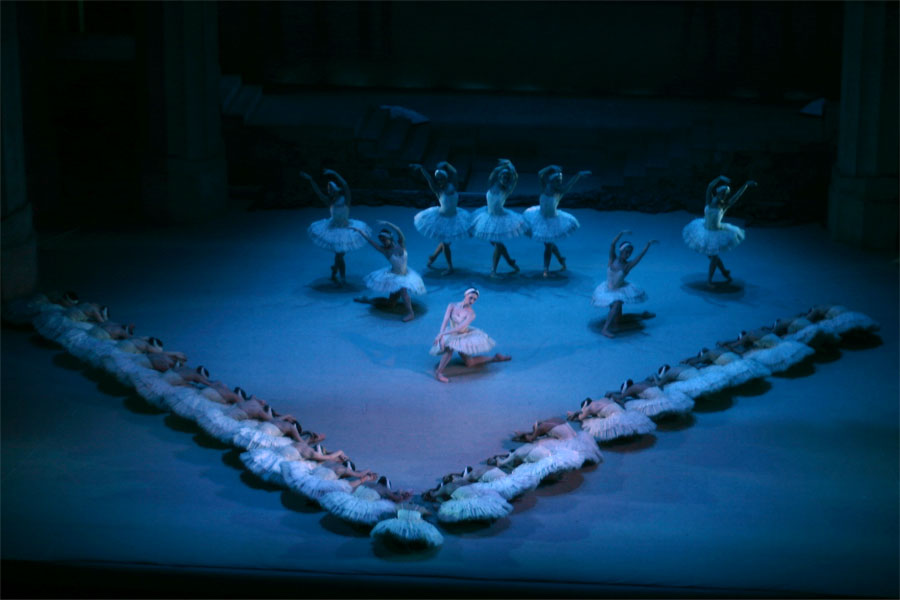 Swan LakeBallet · 1877Petipa · video
 The NutcrackerBallet · 1892Petipa · video
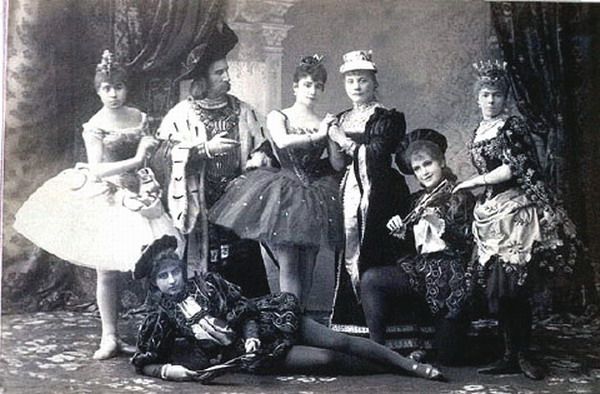 The Sleeping BeautyBallet · 1890Petipa · video
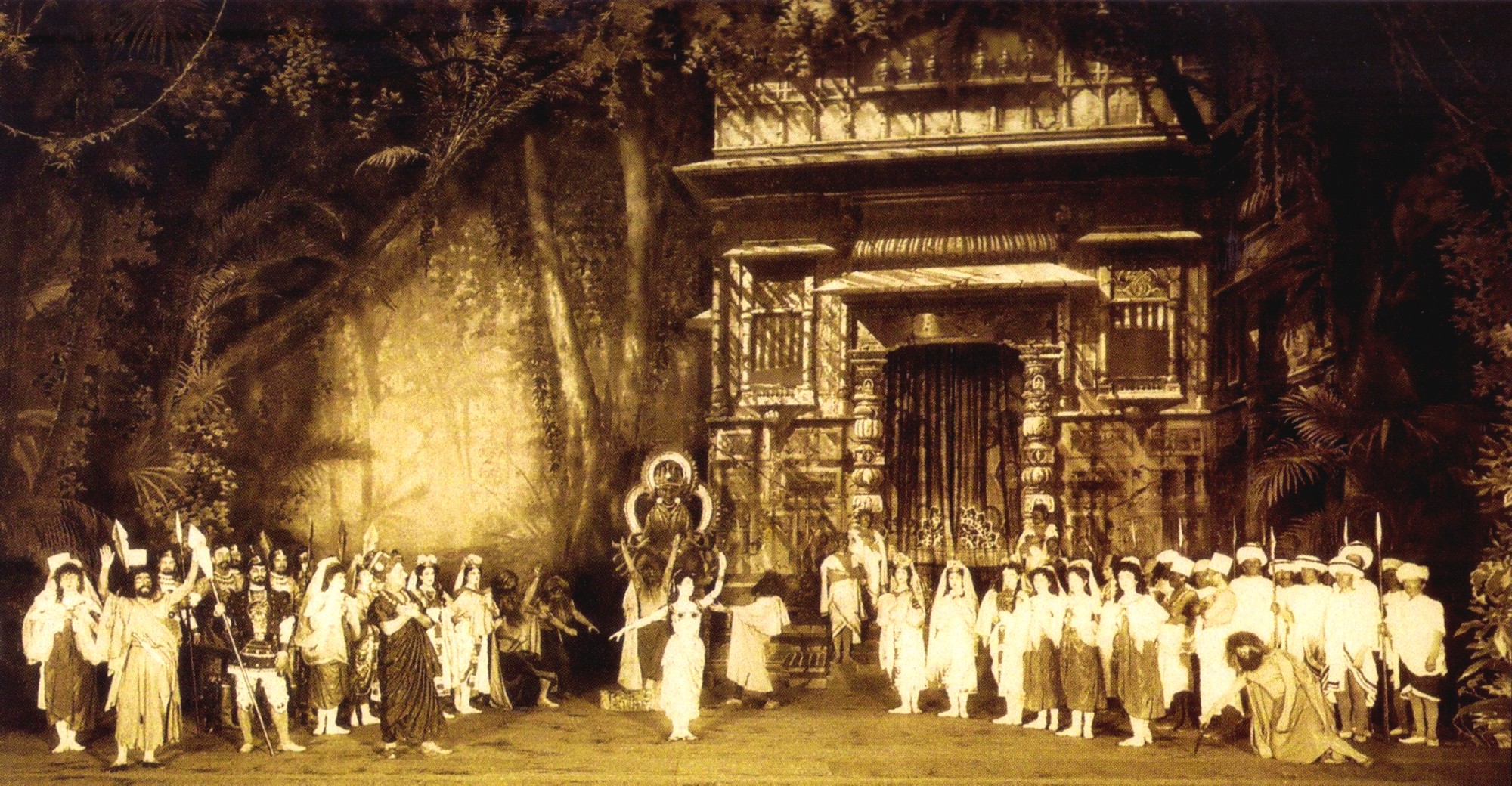 La BayadèreBallet · 1877Petipa · video
 Don QuixoteBallet · 1869Petipa · video
 RaymondaBallet · 1898Petipa · video
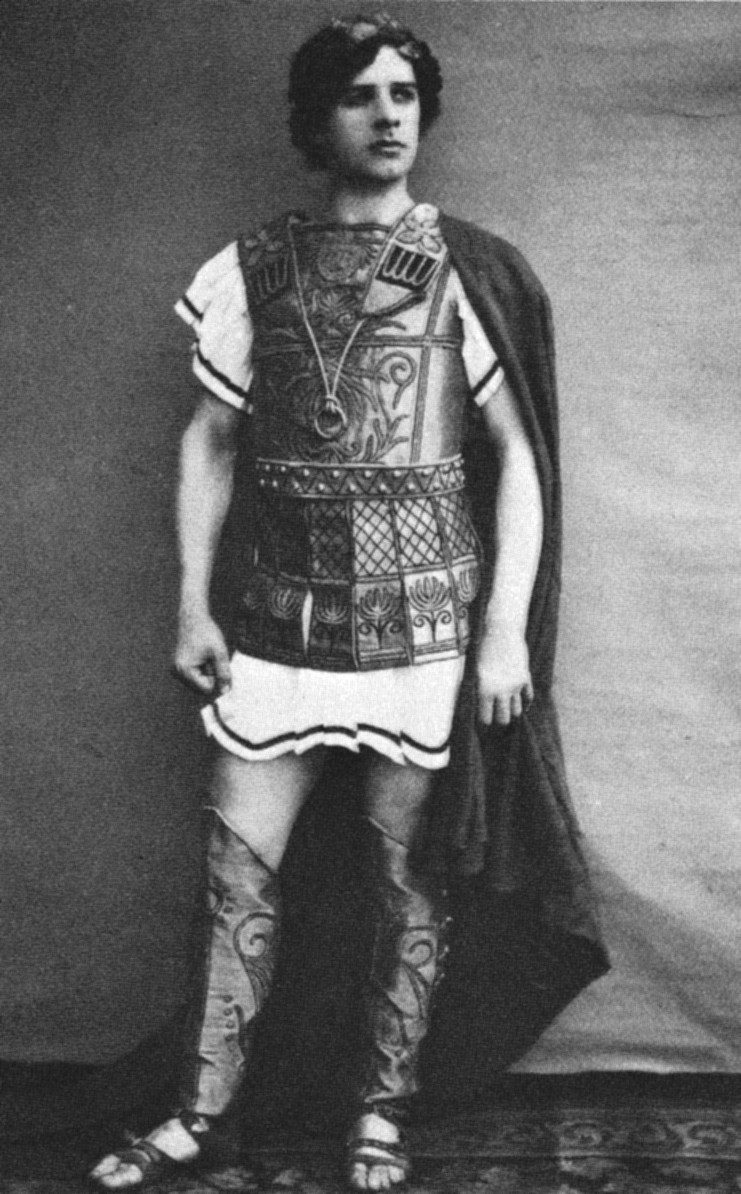 The VestalBallet · 1888Petipa
 The Magic PillsBallet · 1886Music by Minkus