The Traveling Dancer (La Prima Ballerina, ou L'embuscade; also La Danseuse en voyage) is a one-act ballet Marius Petipa staged for the Imperial Ballet, with music by Cesare Pugni and a libretto by Paul Taglioni, adapted from a ballet Taglioni had made for Her Majesty's Theatre in London in 1849. It belongs to the large body of shorter, occasional works Petipa produced for St. Petersburg outside his full-length repertory landmarks.
What is danced
The article does not describe the ballet's choreography, its plot, or any named dances within it, so no reliable statement can be made here about specific steps, holds or vocabulary danced in the piece. What can be said is that it was built around a Prima Ballerina role (danced at the 1864 premiere by Mariia Surovshchikova-Petipa) with a secondary named role, Rinaldo (Timofei Stukolkin), and that it generated at least one independently notable set-piece: a variation Petipa composed in 1905 for Olga Preobrajenskaya, described as the last choreography he ever made. Beyond identifying that a solo variation for a ballerina existed within the work, the source gives no detail on its steps or technical demands.
Context
The ballet dates to the mid-1860s Imperial Ballet under Petipa, a period in which the company regularly absorbed and reworked ballets first made in Western Europe (here, Paul Taglioni's London original of 1849) for the St. Petersburg stage and its own leading dancers. The later revival, restaged by Lev Ivanov with the score edited and expanded by Riccardo Drigo, reflects the routine practice of updating and re-scoring older repertory for court and theatre performance rather than treating such works as fixed texts.
Staging history
The Imperial Ballet premiere is recorded for 16 April 1864 at the Imperial Bolshoi Kamenny Theatre in St. Petersburg, with Surovshchikova-Petipa and Stukolkin in the leading roles. Lev Ivanov revived the work for the Imperial Ballet on 26 July/7 August 1893 at the court theatre of Krasnoe Selo, with Riccardo Drigo editing and adding to Pugni's original score. Separately, in 1905 Petipa composed a variation from this ballet for Olga Preobrajenskaya, which the article identifies as the last piece of choreography he ever created.
How to watch it
As transmitted in the source, this is a production-history record rather than a performance description, so there is nothing here to guide viewing of specific steps or scenes. A viewer or researcher encountering a staged variation billed as being 'from The Traveling Dancer' should treat it as evidence of the ballerina-showcase tradition typical of Petipa's short-form and occasional works, rather than assume it reflects the full original choreography, since the surviving trace is a single excerpted solo, not the ballet entire.
Credits
- composer: Cesare Pugni
More from Marius Petipa
Other staged works in the register connected to this one by author or lineage.
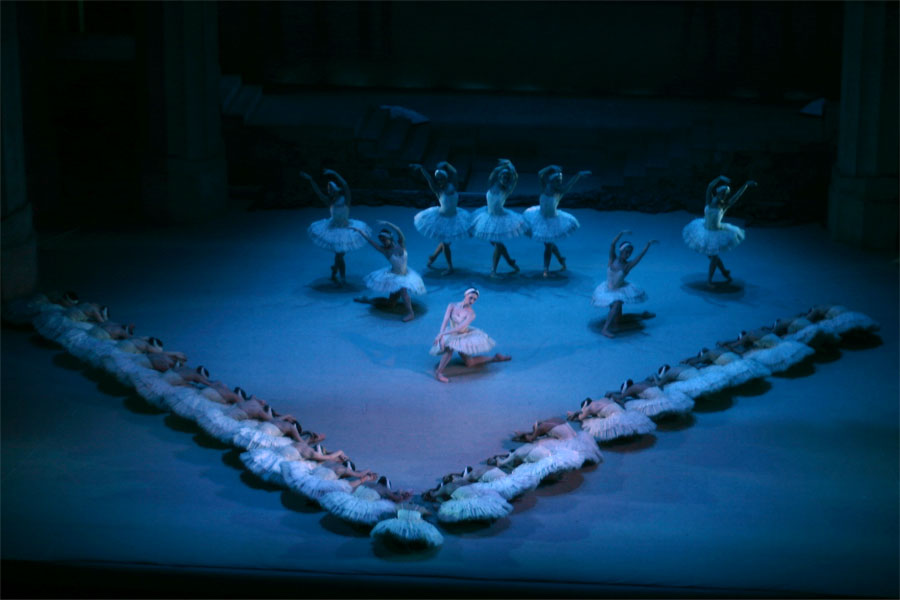 Swan LakeBallet · 1877Petipa · video
 The NutcrackerBallet · 1892Petipa · video
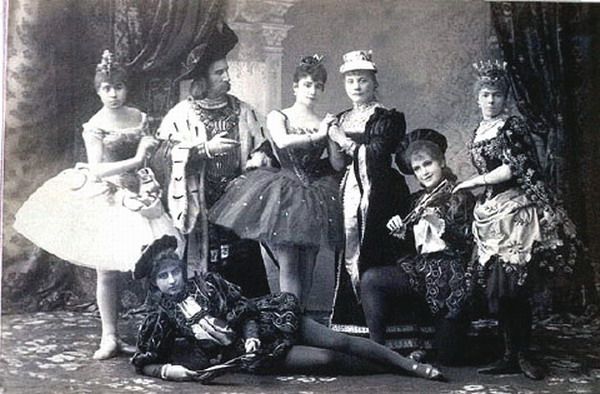 The Sleeping BeautyBallet · 1890Petipa · video
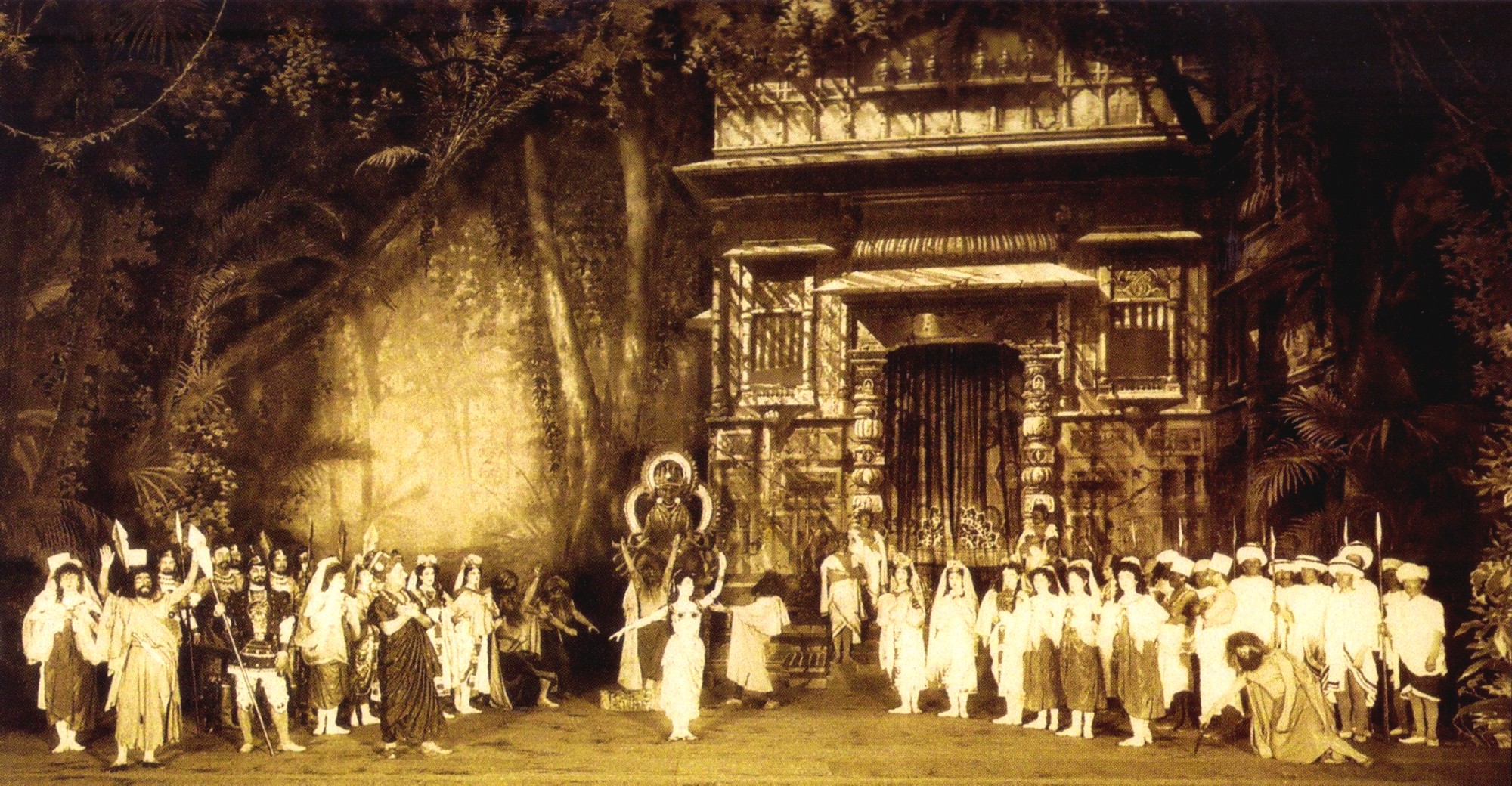 La BayadèreBallet · 1877Petipa · video
 Don QuixoteBallet · 1869Petipa · video
 RaymondaBallet · 1898Petipa · video
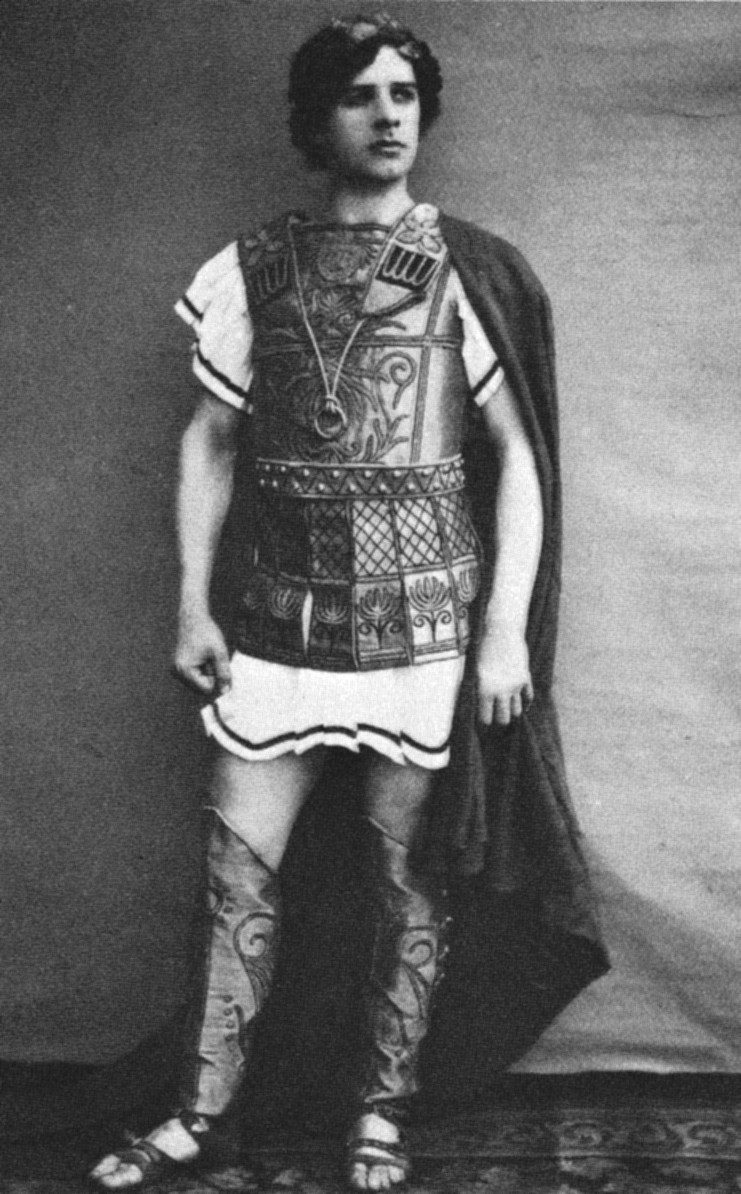 The VestalBallet · 1888Petipa
 The Whims of the ButterflyBallet · 1889Petipa