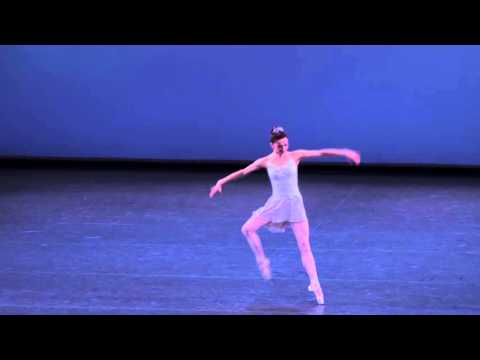
Ballo della Regina is a plotless one-act ballet George Balanchine made for New York City Ballet, set to the Act III ballet divertissement Verdi wrote reluctantly for the Paris Opéra version of Don Carlos and which is usually cut from the opera. Balanchine had no interest in the divertissement's original grotto-and-pearl scenario as narrative; he kept only its atmosphere and used the music as a vehicle for a display piece built around a single virtuoso ballerina role.
What it contains
- Balanchine Method · Whole ballet, especially the lead ballerina's variations and coda — Fast, torque-driven pointe work with spiralling épaulement through the limbs, built specifically to exploit one dancer's speed, precision and extreme range of movement. Source: "The squareness and tension through her shoulders and face dissolved in her mercurial speed, legs slicing, as her torso and hips peeled open with ever extreme torque and an épaulement that spiraled through her limbs and brought her once-studied anatomy to life."
- Neoclassical Ballet · Whole ballet: prologue, pas de deux, variations, coda — A plotless suite built on the classical divertissement skeleton — pas de deux and variations for leads and soloists framed by an all-female corps, with no mime or narrative action. Source: "Ballo della Regina is plotless, and performed by a lead couple, along with an all-female ensemble consisting of four soloists and twelve corps de ballet dancers. It features a prologue, pas de deux, variations for the two lead dancers and four soloists, and a coda."
- Classical Ballet — Variations · The ballerina's variations — Bravura pointe-work display built on classical technique, described as a showcase of virtuoso talent rather than dramatic expression. Source: "a display piece, spotlighting the bravura talent of Merrill Ashley."
What is danced
The ballet follows a classical divertissement shape: a prologue, a pas de deux for the two leads, variations for the two principals and for four female soloists, and a closing coda, danced by a lead couple against an all-female ensemble of four soloists and twelve corps dancers. There is no mime or plot to carry — the entire content is the dancing itself, structured the way Balanchine structured a Verdi chorus, with soloists set off against the corps and given rest before their next demand.
The female lead role, made on Merrill Ashley, was built specifically to exploit her speed and precision: Jennifer Homans describes 'mercurial speed, legs slicing' torso and hips 'peeled open with ever extreme torque' and an épaulement 'that spiraled through her limbs.' The choreography was similarly tailored to the male lead, Robert Weiss, for his jumps and speed. Bernard Taper called the whole ballet 'essentially a display piece, spotlighting the bravura talent' of its ballerina — the emphasis throughout is on attack, quickness, and the ability to sustain difficult combinations that, per Ashley's own account, still flow step to step rather than distorting the body.
Context
The ballet was made in 1978, deep into Balanchine's late New York City Ballet period, when he was continuing to strip narrative away from classical vocabulary and use it instead to explore the technical and musical possibilities of individual dancers — the same impulse that had produced his earlier Verdi-inspired thinking about how to deploy soloists against an ensemble. Balanchine himself connected the piece back to the 'underwater-pearl' ballets he had seen as a child, such as Petipa's La Perle, filtering that inheritance through a plotless, modernist lens rather than restaging it as spectacle.
Staging history
Ballo della Regina premiered on January 12, 1978, at the New York State Theater with Merrill Ashley and Robert Weiss, after a preview at a benefit gala in November 1977. It has since entered the repertories of San Francisco Ballet, Royal Winnipeg Ballet, Cuban National Ballet, Boston Ballet, Miami City Ballet, Pennsylvania Ballet, American Ballet Theatre, Houston Ballet, the Royal Ballet, and Royal Danish Ballet. Balanchine bequeathed the rights to the ballet to Ashley in his will; the work has been filmed for PBS's Dance in America (1979, Ashley and Weiss) and made available in archival recordings by New York City Ballet (2020, Megan Fairchild and Anthony Huxley) and Royal Danish Ballet (Holly Dorger and Jonathan Chmelensky).
How to watch it
Watch the ballerina role for sheer velocity and control rather than dramatic expression — the steps were built to be hard and to still look unforced, so a good performance should make torque and quick épaulement read as musical rather than effortful. The prologue-pas de deux-variations-coda shape is a classical divertissement skeleton stripped of story, so attend to how the four soloists and corps frame the leads rather than looking for any grotto or pearl-fishing narrative.
Structure
- PrologueOpening ensemble section introducing the ballet before the principal pas de deux.
- Pas de deuxThe lead couple dance together, evoking the fisherman and pearl of the opera divertissement.
- VariationsSolo variations for the two lead dancers and the four soloists, showcasing speed and precision.
- CodaClosing ensemble section bringing leads, soloists and corps together.
Structure read from an encyclopaedia article, not from a libretto or score we hold. Confirm against a programme before treating the numbering as authoritative.
Credits
- composer: Giuseppe Verdi
More from George Balanchine
Other staged works in the register connected to this one by author or lineage.
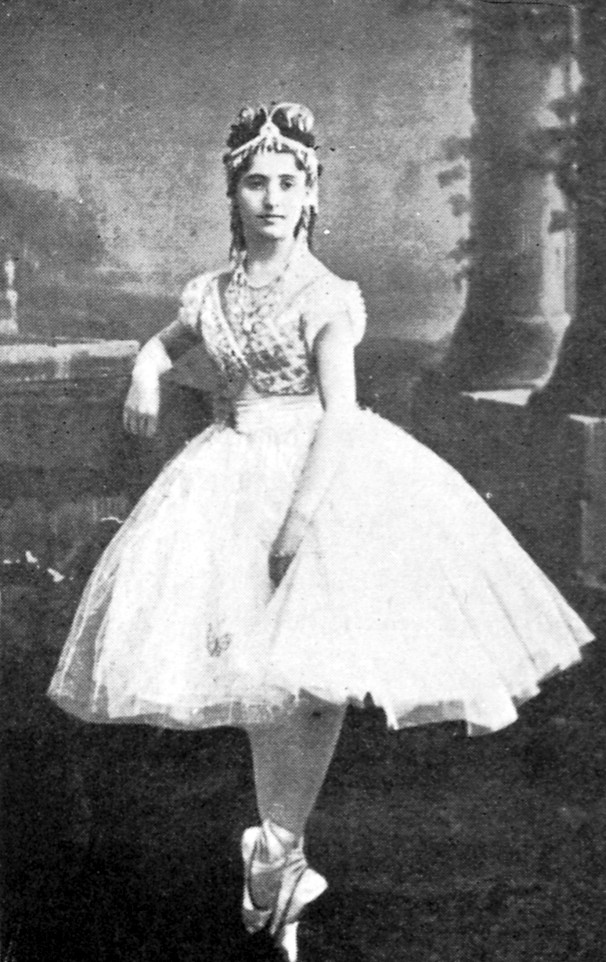 CoppéliaBallet · 1870Balanchine · video
 ApolloBallet · 1928Balanchine · video
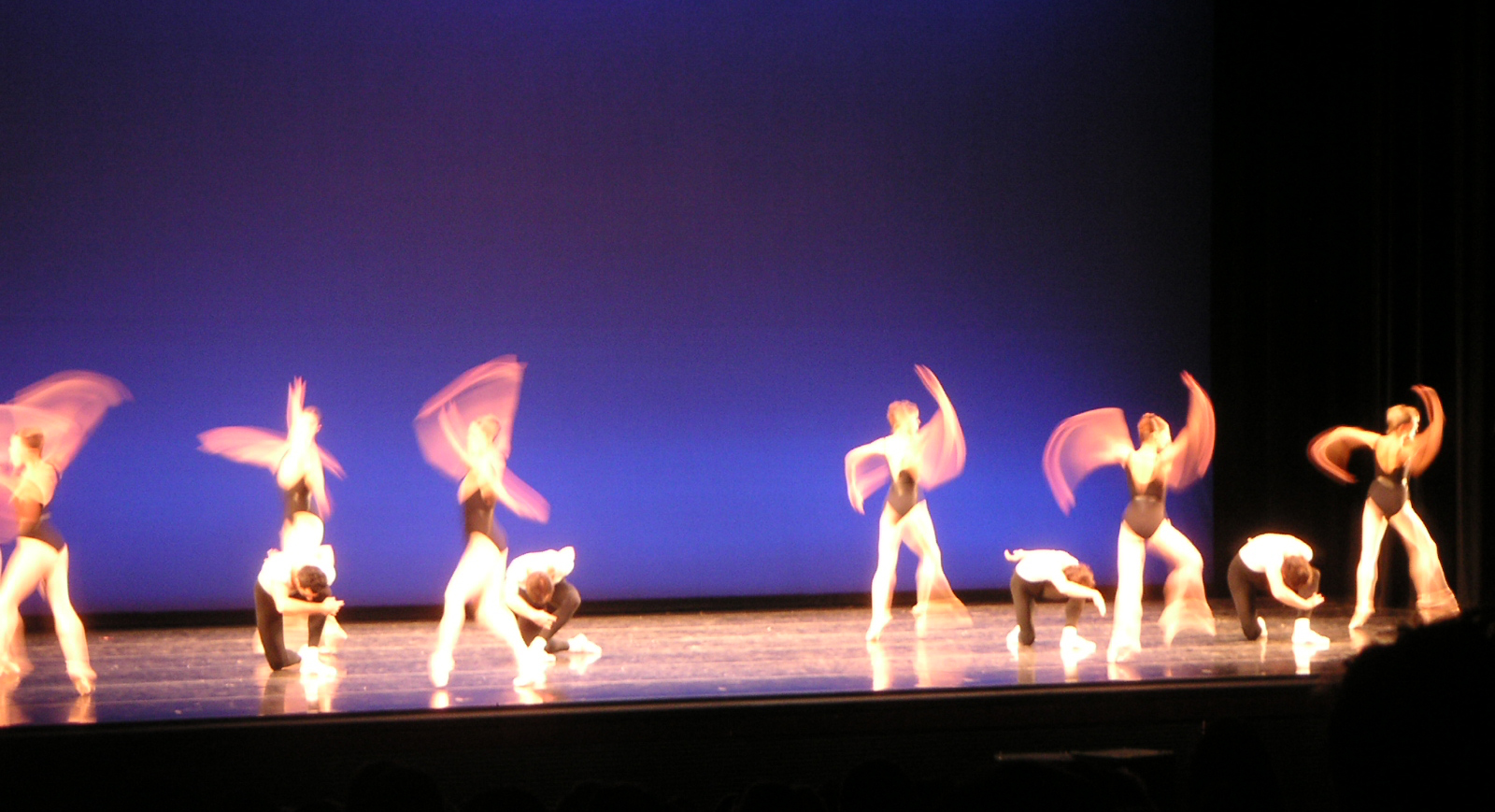 AgonBallet · 1957Balanchine · video
 Le chant du rossignolBallet · 1920Balanchine · video
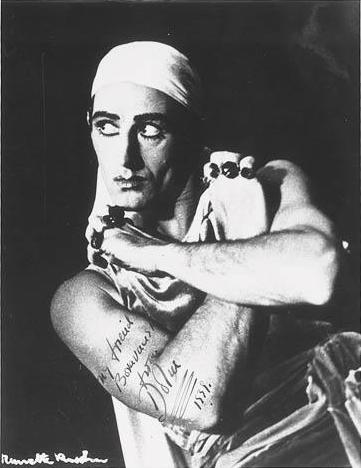 The Prodigal SonBallet · 1929Balanchine · video
 The Seven Deadly SinsBallet · 1933Balanchine · video
 The Magic PillsBallet · 1886Same lineage
 La sonnambulaBallet · 1946Balanchine · video