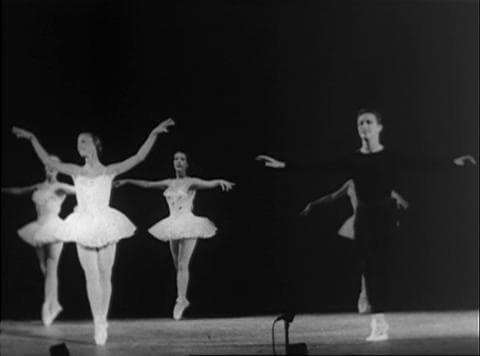
Victor Jessen — https://digitalcollections.nypl.org/items/a15b9530-f879-0130-b907-3c075448cc4b · Public domain
Symphony in C is a plotless, four-movement ballet Balanchine set to Bizet's early symphony, built as a formal showcase for a full company rather than as a story ballet. The article traces it from its 1947 Paris Opéra origin (as Le Palais de Cristal) through its 1948 New York restaging for Ballet Society, after which it entered the founding repertory of New York City Ballet and, eventually, of several other major companies.
What it contains
- Neoclassical Ballet · Whole ballet, across its four movements and finale — Plotless, music-structured ensemble ballet: each movement built on a principal couple, two demi-soloist couples and corps de ballet, resolving in a full-company finale rather than narrative action. Source: "The ballet has four movements, each featuring a principal couple, two demi-soloist couples and the corps de ballet."
What is danced
The article's description of the choreography is structural rather than step-by-step: each of the four movements is built around one principal couple, two demi-soloist couples, and the corps de ballet, with the finale bringing the entire cast on stage together. This is the architecture of a symphonic, plotless ballet — dancers and repertory staff should read 'principal couple / demi-soloist couples / corps' as the load-bearing unit repeated and varied across the four movements, culminating in a full-company finale rather than a narrative climax.
The article gives no further detail on step vocabulary, partnering work, or the specific demands placed on the principal couples versus the corps, so nothing more granular than this ensemble architecture can be stated as reported fact. The one physical detail supplied is scale-dependent: at New York City Center the stage was too small to bring the full cast on for the finale, and only the move to the New York State Theater made the intended full-ensemble finale possible — a staging constraint worth noting for anyone reconstructing the work's original intended scale.
Context
The ballet dates from 1947, when Balanchine was working as a guest ballet master at the Paris Opéra rather than running his own company, and its material cause was practical: Stravinsky had told him of the 1933 rediscovery of a symphony Bizet wrote as a teenager, and Balanchine used it to give the whole Paris company something to dance, reportedly choreographing it in two weeks. The Ballet Society restaging the following year under the title Symphony in C then became part of the first program of the newly formed New York City Ballet, placing this piece at the literal starting point of that company's identity.
Staging history
The work has been staged with at least two distinct costume identities: the original Paris production used gemstone-referencing colours (red, black, green, white) designed by Leonor Fini, an idea Balanchine later revisited in Jewels; from 1950 NYCB instead used black-and-white costumes by Barbara Karinska, a scheme that has persisted through later redesigns (Marc Happel in 2012, using Swarovski crystals) and that other companies, including The Royal Ballet under Anthony Dowell's designs, have also followed with men in black and women in white tutus. Per the article it has since entered the repertories of the Royal Danish Ballet, Dutch National Ballet, Stuttgart Ballet, The Royal Ballet, the Kirov Ballet and American Ballet Theatre, and has been filmed multiple times, including Paris Opera Ballet (2014) and NYCB (2016, 2018) recordings.
How to watch it
Watch how each movement resets the same unit — one principal couple, two demi-soloist couples, corps — so the interest lies in formal variation across movements rather than plot. The finale is the piece's structural payoff: everyone from all four movements returns to the stage at once, a moment the article notes was literally impossible on NYCB's original, smaller City Center stage.
Structure
- FinaleAll four principal couples, the demi-soloist couples and the full corps de ballet from the four preceding movements appear together on stage.
Structure read from an encyclopaedia article, not from a libretto or score we hold. Confirm against a programme before treating the numbering as authoritative.
Credits
- composer: Georges Bizet
More from George Balanchine
Other staged works in the register connected to this one by author or lineage.
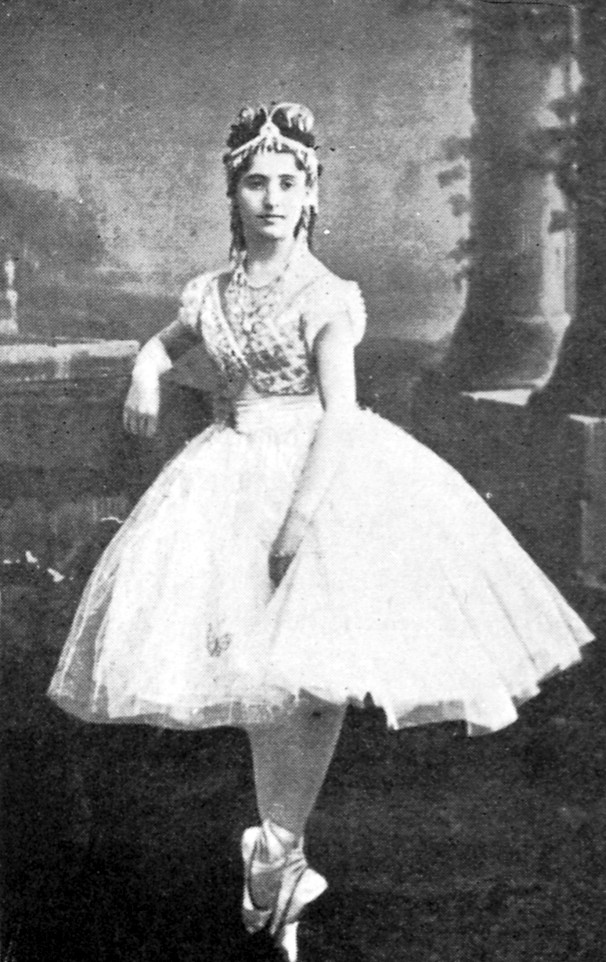 CoppéliaBallet · 1870Balanchine · video
 ApolloBallet · 1928Balanchine · video
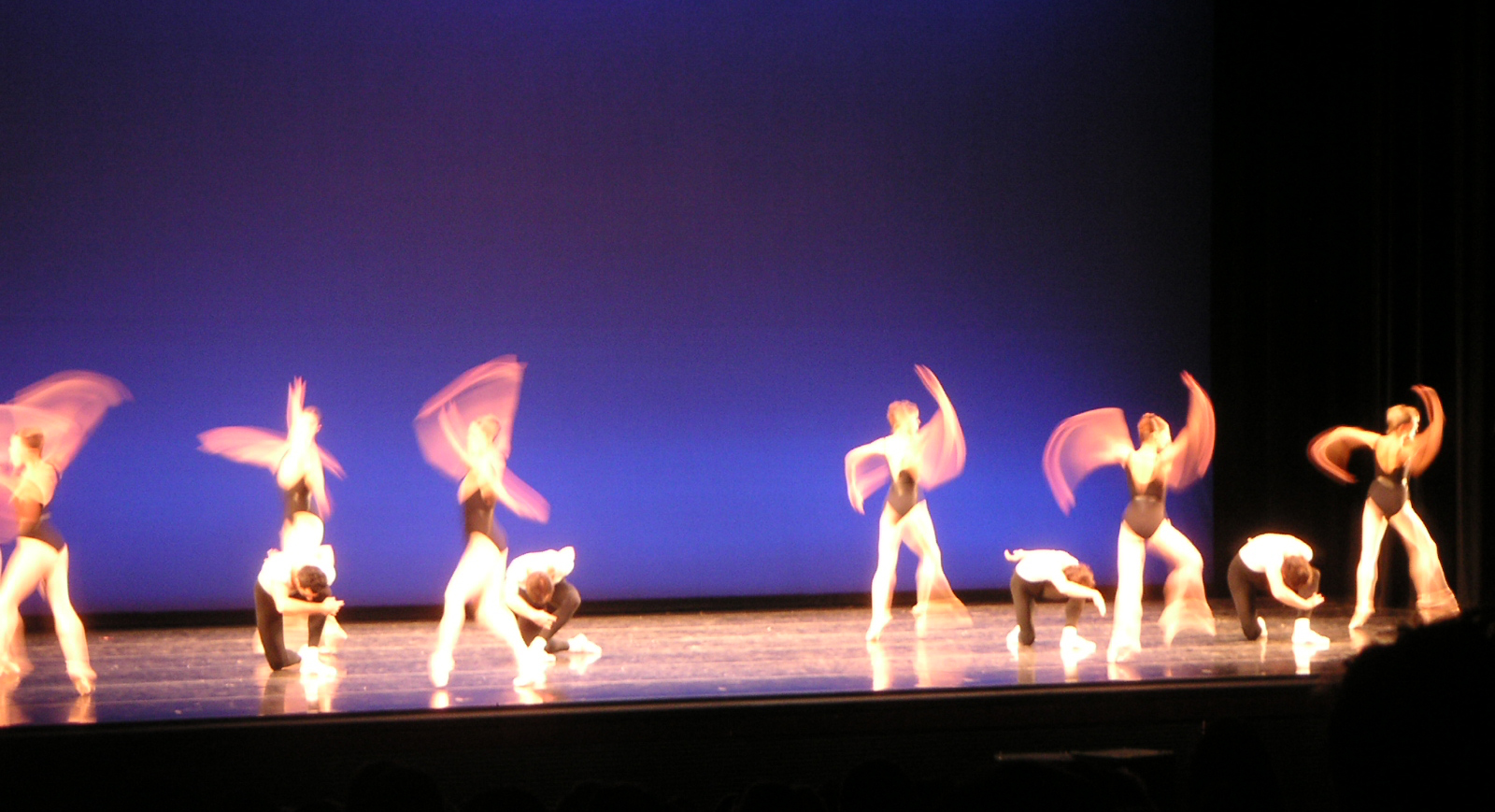 AgonBallet · 1957Balanchine · video
 Le chant du rossignolBallet · 1920Balanchine · video
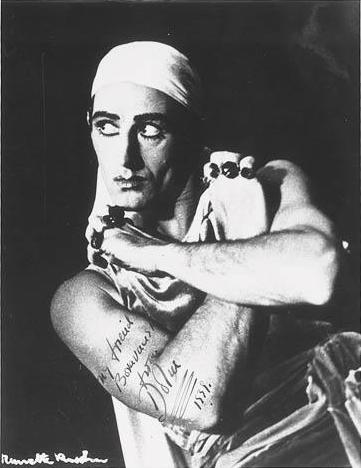 The Prodigal SonBallet · 1929Balanchine · video
 The Seven Deadly SinsBallet · 1933Balanchine · video
 Danses concertantesBallet · 1944Balanchine · video
 Allegro BrillanteBallet · 1956Balanchine · video