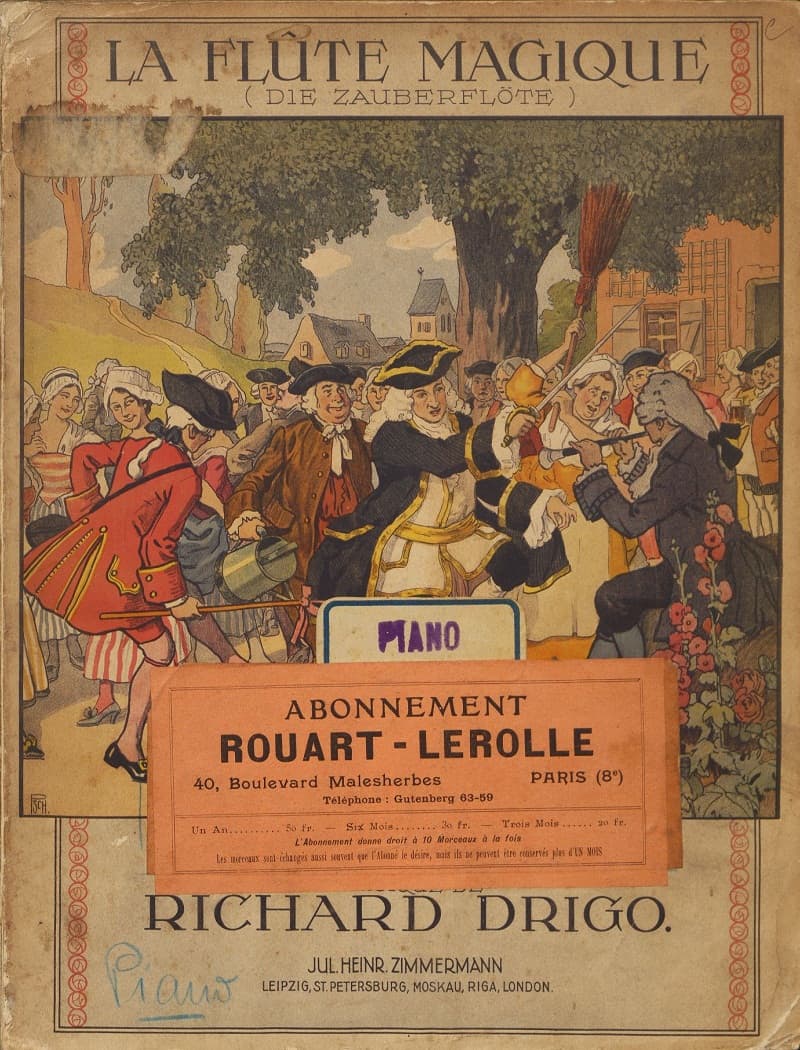
Unknown authorUnknown author — Scanned from the original piano reduction · Public domain
The Magic Flute (1893)
This is the graduation ballet Lev Ivanov made for the students of the Imperial Ballet School, first given at the school's own theatre on 4 February 1893 and transferred within weeks to the Mariinsky stage. It shares its title with Mozart's opera by coincidence only — the article is explicit that the two works have no other connection. Despite its student-showcase origins it became a durable vehicle for star ballerinas, most notably Anna Pavlova, who kept it in the touring repertory of her own company.
What it contains
- Classical Ballet — Grand ballabile · No. 4, Pas de deux, leading into No. 5, Grand ballabile (the closing sequence of the ballet) — The program moves from a principal pas de deux into a grand pas structure — an adagio, solo variations for the two leads and four demi-soloists, and a concluding ensemble ballabile — the standard academic grand pas architecture of the late Imperial repertory. Source: "no.04 Pas de deux no.05 Grand ballabile — a. Grand adage b. Variation pour quatre danseuses c. Variation de Luc (M. Mikhail Fokine) d. Pizzicato de Lise (Mlle. Stanislava Belinskaya) e. Grand ballabile"
What is danced
The published piano score and the 1893 programme give a compact one-act structure of five numbers: an opening village ensemble dance, a pas d'action, a mimed 'danse forcée' set to an anonymous older ballet air, a principal pas de deux, and a closing grand ballabile. That final number is built exactly as the late-Imperial grand pas convention dictates — a grand adage for the leads, a variation for four female demi-soloists, individual variations for the two principals (danced at the premiere by Mikhail Fokine and Stanislava Belinskaya), and a full-ensemble ballabile to close. This is standard academic architecture: adagio partnering, virtuoso solo variations, and a corps finale, the same shape used in Ivanov's other work of the period.
The article gives no description of actual steps, arm positions, or technique beyond these number titles, so specifics of the vocabulary — pointe work, batterie, the character of the 'danse forcée' mime scene — cannot be confirmed from this source alone. What can be said with confidence is the formal shape of the piece and that it was built to display graduating and principal dancers in turn, culminating in a display number for two leads plus four soloists plus corps.
Context
The ballet dates from 1893, in the middle of the Petipa-Ivanov era at the Imperial Ballet, the period that produced the codified grand pas and pas de deux structures still taught as the academic vocabulary of classical ballet. That it began life as a school graduation piece rather than a mainline company premiere is itself notable: such works served to test and display the newest generation of Imperial dancers — here including a young Mikhail Fokine, later the great reformer of Ballets Russes choreography — before they entered the main company.
Staging history
After its school premiere the ballet moved quickly into the Imperial Ballet's own repertory at the Mariinsky Theatre on 23 April 1893, with Anna Johansson and Pavel Gerdt in the lead roles. Anna Pavlova subsequently carried it into the repertory of her own touring company, extending its life well beyond the Imperial stage. In the twentieth century it was restaged by Peter Martins, first for the School of American Ballet (9 May 1981) and then for New York City Ballet (21 January 1982) with new décor by David Mitchell and costumes by Ben Benson; Drigo's score itself was published in piano and orchestral versions by Zimmerman in 1912 and recorded in 1990 by the Royal Opera House orchestra under Richard Bonynge.
How to watch it
Watch the closing grand ballabile as the technical core of the piece: it is built in the classic sequence of adagio, solo variations, and ensemble finale, so the interest lies in how the demi-soloist variations and the two principal variations are differentiated in character before the corps returns. The earlier 'danse forcée' is described as set to an old, unattributed ballet air, suggesting a mimed or pastiche interlude rather than a pure dance number — worth noting as a point of contrast with the surrounding formal numbers.
Structure
- Danse villageoiseOpening ensemble dance for the village setting; no further plot detail is given in the source.
- Pas d'actionA dramatic dance number advancing the plot; the article gives only the title.
- Scène et danse forcée (ancien air de ballet d'auteur inconnu)A staged mimed scene and 'forced dance' set to an older, anonymously authored ballet air.
- Pas de deuxA duet for the principal roles, Luc and Lise.
- Grand ballabileThe closing grand pas sequence: a grand adage for the principals, a variation for four demi-soloist danseuses, individual variations for Luc and Lise, and a concluding ensemble ballabile.
Structure read from an encyclopaedia article, not from a libretto or score we hold. Confirm against a programme before treating the numbering as authoritative.
Credits
- composer: Riccardo Drigo
More from Riccardo Drigo
Other staged works in the register connected to this one by author or lineage.
 The TalismanBallet · 1889Music by Drigo · video
 Le Réveil de FloreBallet · 1894Music by Drigo · video
 Les Millions d'ArlequinBallet · 1900Music by Drigo · video
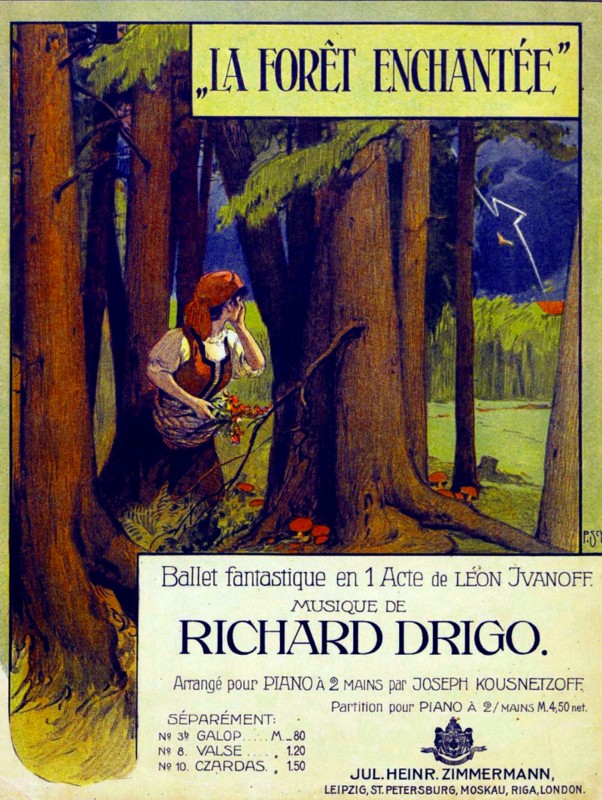 The Enchanted ForestBallet · 1887Music by Drigo · video
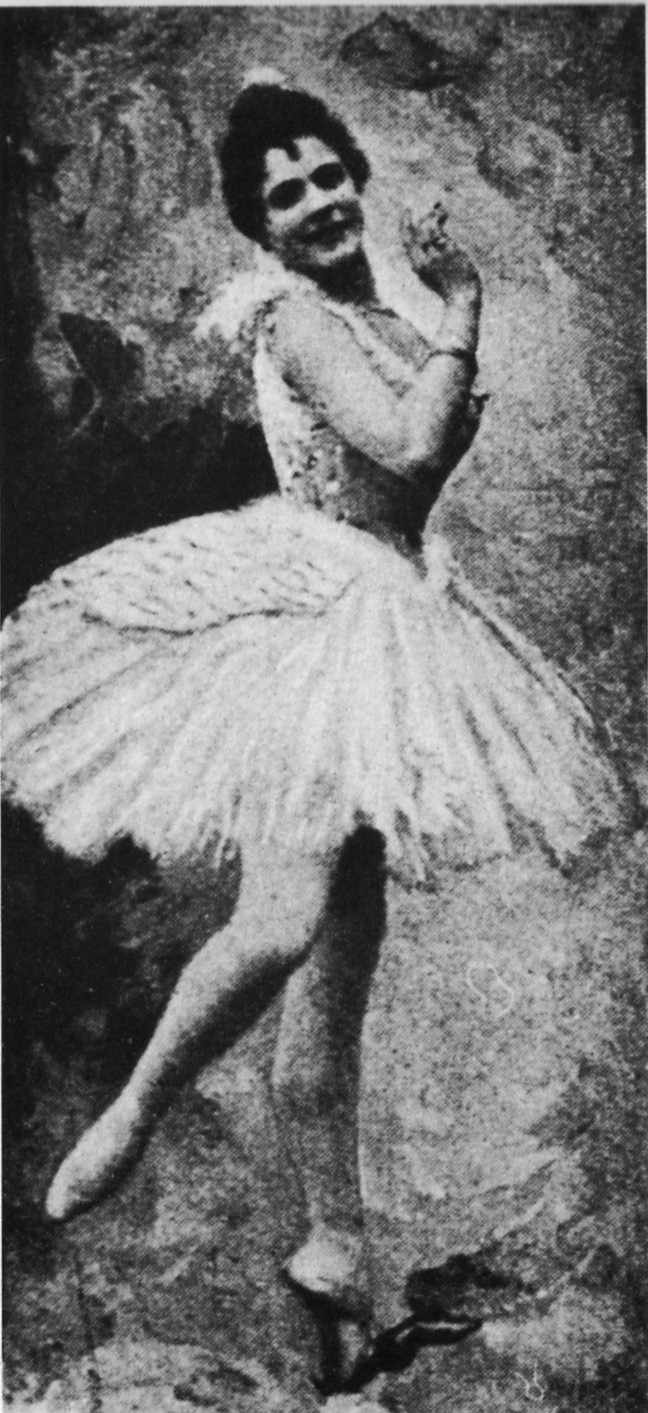 Swan LakeBallet · 1895Music by Drigo · video
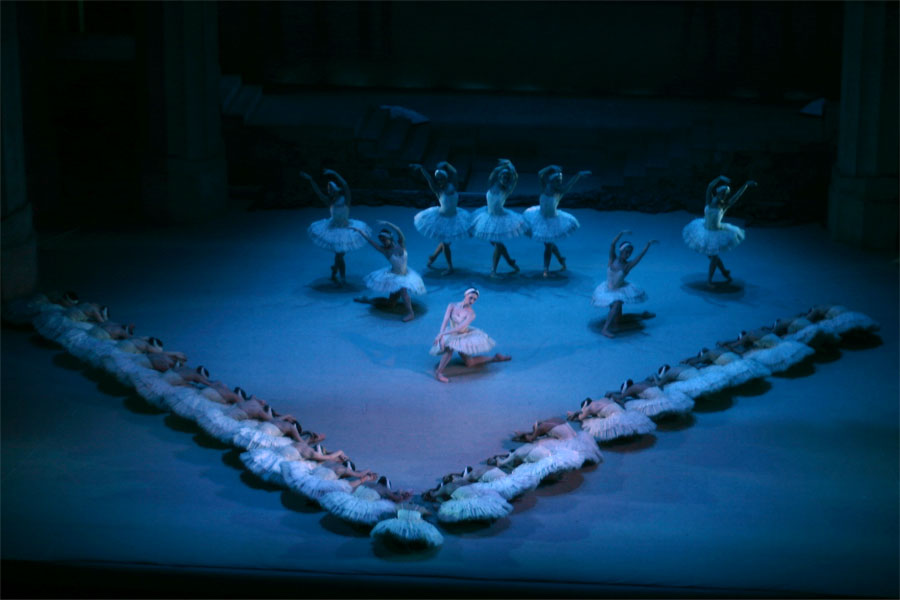 Swan LakeBallet · 1877Same lineage · video
 Arabian NightsBallet · 1979Same lineage · video
 FaçadeBallet · 1931Same lineage · video