Zoraiya, the Moorish Girl in Spain is a grand ballet in four acts and seven scenes, made by Marius Petipa to a score by Ludwig Minkus for the Imperial Ballet, and first given at the Imperial Bolshoi Kamenny Theatre in St. Petersburg on 1/13 February 1881. It belongs to the run of large-scale narrative ballets Petipa and Minkus produced together for the Imperial stage in the 1870s and 1880s, of which this one is now largely known only by reputation and by a single surviving number.
What is danced
The article does not describe the ballet's choreography, its divertissements, or what any of its seven scenes actually staged, so no vocabulary can be reconstructed from it beyond one identifiable set piece: the Grand Pas des toréadors. That number, a Spanish-themed dance built around bullfighter (toréador) characters, originated in Zoraiya and was carried over into Petipa's Don Quixote, where it remains in every modern staging. Beyond this single surviving piece, the source gives no synopsis, cast list, or scene-by-scene breakdown from which to characterise the movement material of the work as a whole.
Context
The ballet dates from the height of Petipa's collaboration with Minkus at the Imperial Ballet, the period that also produced Don Quixote and La Bayadère, when full-evening ballets built around exotic or orientalising settings — Spain, India, the Caucasus — were a staple of the St. Petersburg repertory. Zoraiya, set among Moorish Spain, sits squarely in that vein, though the article gives no detail on plot or setting beyond the title and act/scene count.
Staging history
The article records only the single 1881 premiere by the Imperial Ballet in St. Petersburg and gives no account of revivals, so the ballet as a whole appears to have left no continuing performance record in this source. Its afterlife is instead indirect: the Grand Pas des toréadors was absorbed into Don Quixote, where it has been performed continuously since at least 1882 — the article corrects the long-held assumption that Alexander Gorsky introduced the number in his 1902 restaging, noting it was already published in the Don Quixote score in 1882, and suggesting Petipa himself moved it across.
How to watch it
There is no performance tradition of Zoraiya itself to watch; the closest a dancer or historian gets to it today is the Grand Pas des toréadors as danced inside Don Quixote. Watching that number with this history in mind is a reminder that a 'signature' moment in a canonical ballet can be an import from a lost work rather than original to it.
Credits
- composer: Ludwig Minkus
Related works
Other staged works in the register connected to this one by author or lineage.
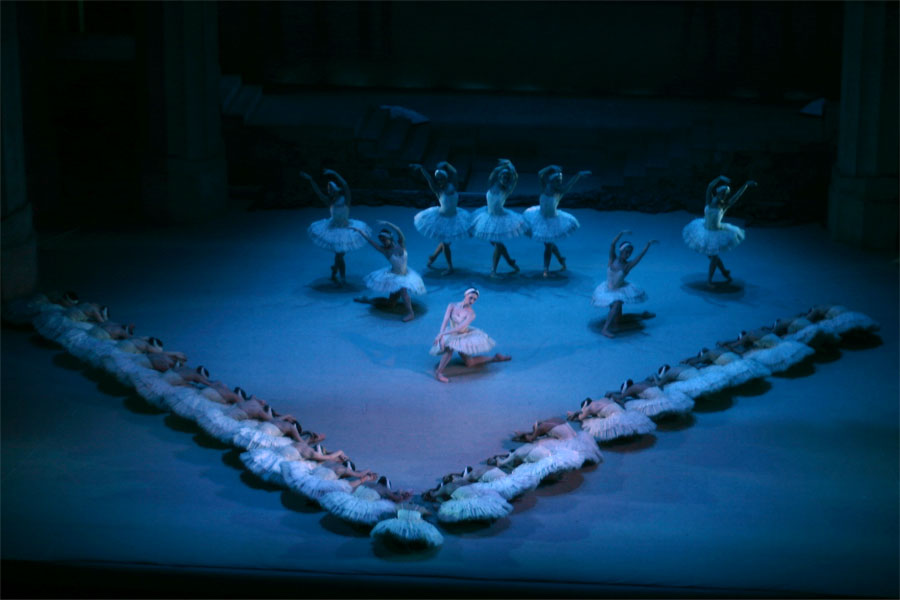 Swan LakeBallet · 1877Petipa · video
 The NutcrackerBallet · 1892Petipa · video
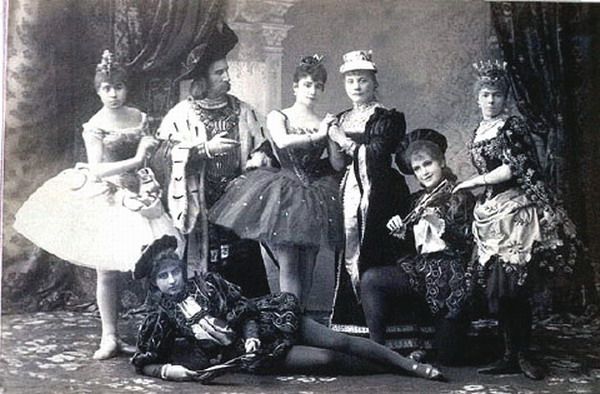 The Sleeping BeautyBallet · 1890Petipa · video
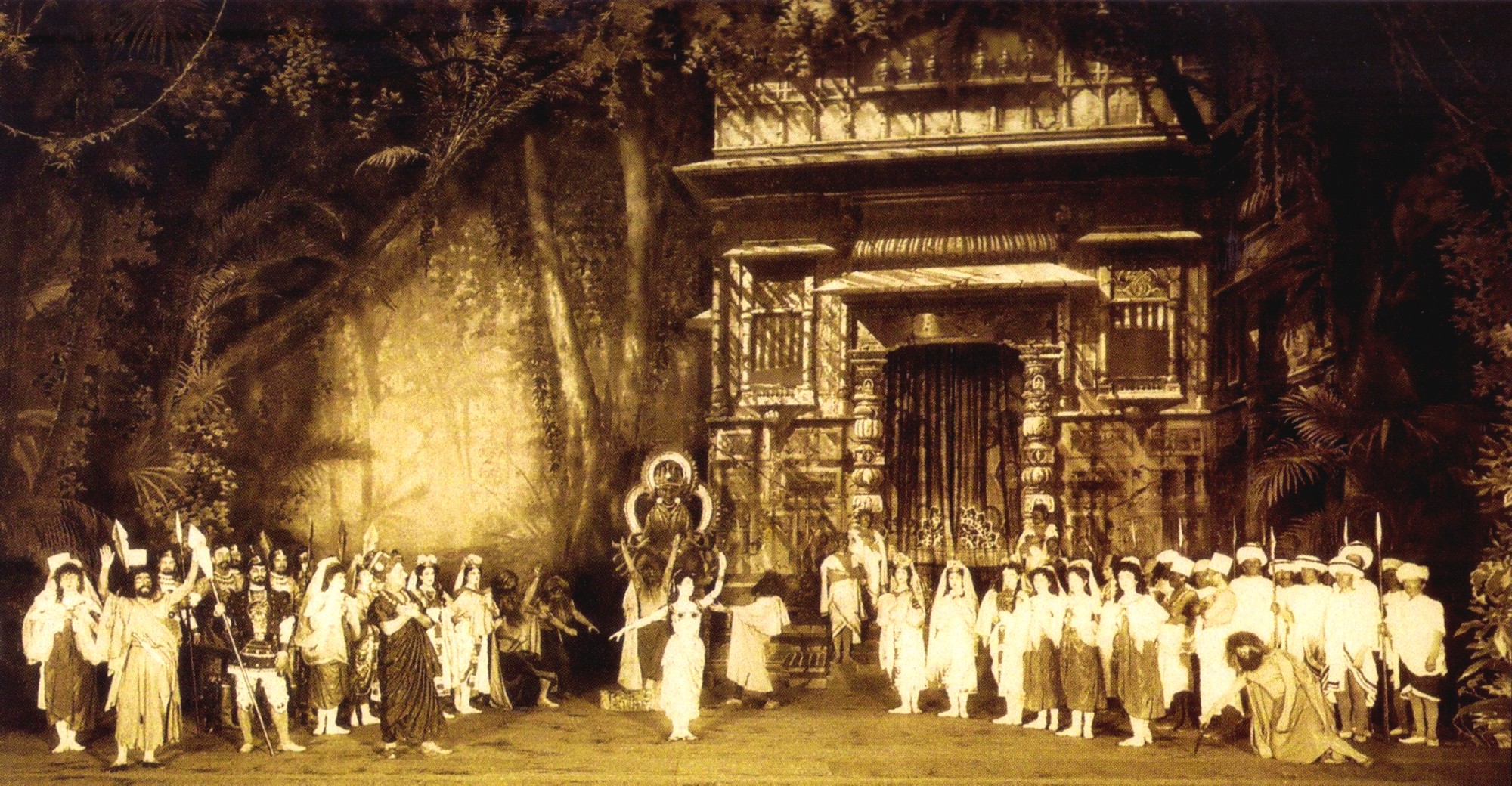 La BayadèreBallet · 1877Petipa · video
 Don QuixoteBallet · 1869Petipa · video
 RaymondaBallet · 1898Petipa · video
 The Whims of the ButterflyBallet · 1889Petipa
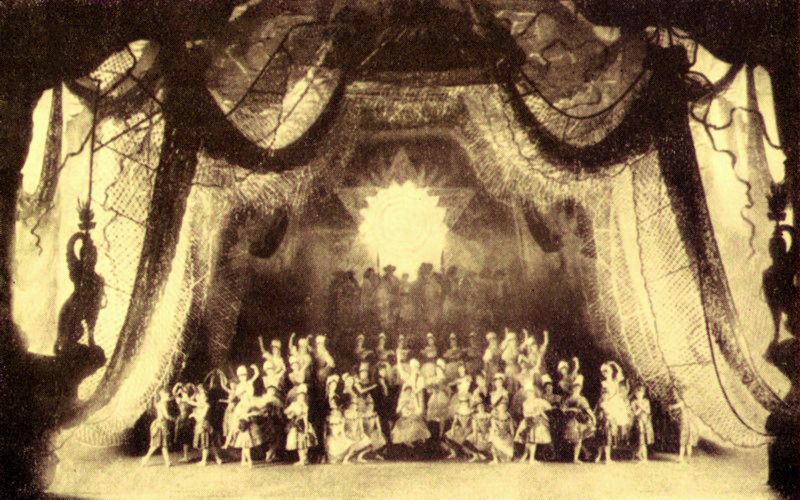 The Magic PillsBallet · 1886Music by Minkus