Fire Staff
Also known as: Staff, Fire staff spinning
History & Cultural Context
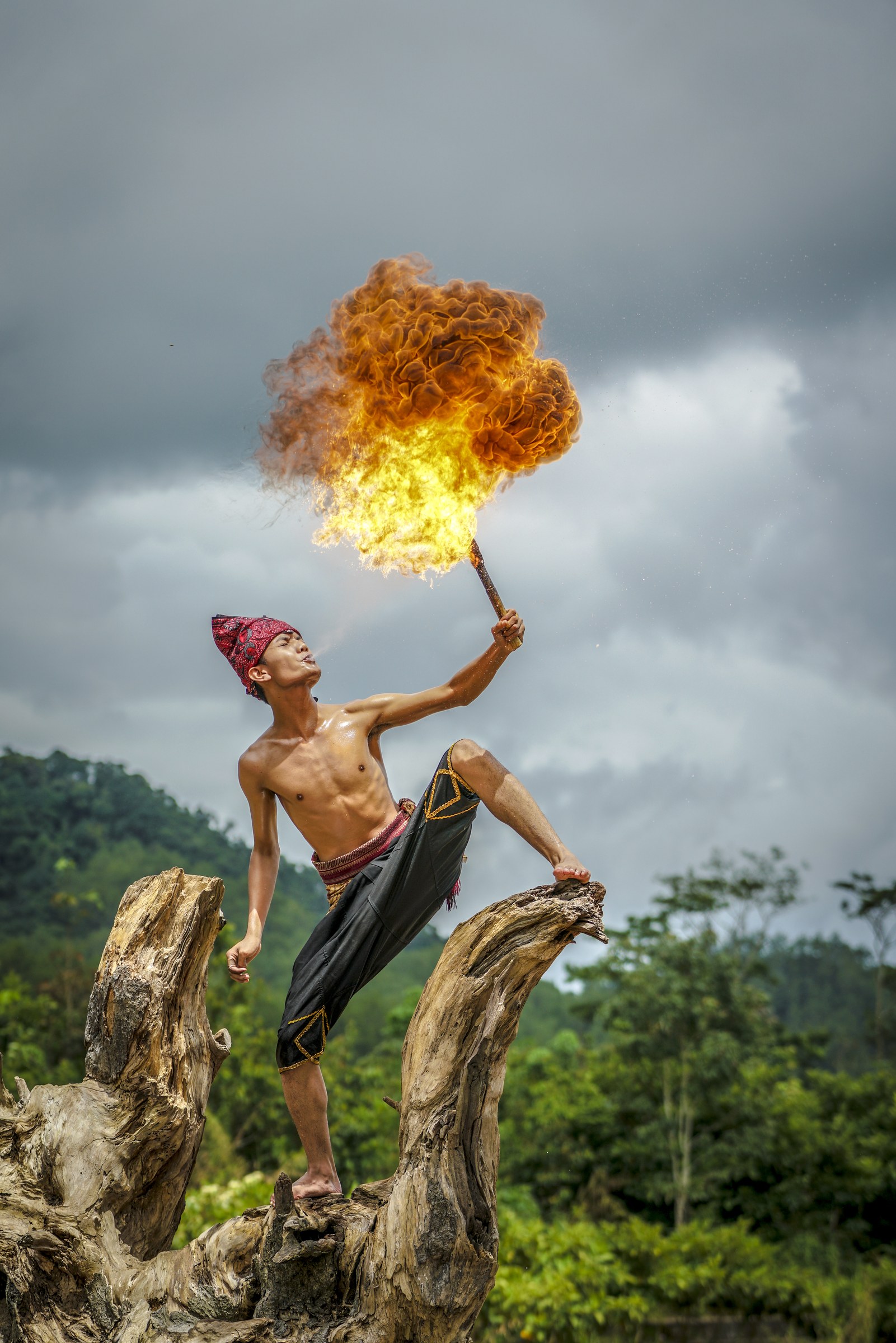
Fire staff is the manipulation of a rigid staff—wicked and lit at one or both ends—through spins, rolls, throws, and 'contact' work in which the staff rolls across the body. Single-staff and double-staff (a shorter staff in each hand) styles exist, drawing on traditions of staff and stick manipulation across many cultures and re-synthesized within the modern flow-arts community. It blends object manipulation with dance and footwork.
Cultural Significance
A core flow-arts and fire-performance prop with single- and double-staff styles.
Characteristic Movement & Technique
Spins, rolls, throws, and contact rolls of the staff integrated with body movement.
Partnering Dynamics
Solo; group performance common.
Competitive Context
Showcase performance.
Regional Variations
Global flow community; draws on worldwide staff traditions.
Common Misconceptions
Staff manipulation is not the same as martial-arts bo work—flow-arts staff prioritizes continuous spinning, contact rolls, and dance over combat technique.
Fire Staff Music & Tempo
Drawn from 25 Fire Staff tracks in the LODance music library.
Example tracks at practice tempo
- CHRYSALIS — CloZee & LSDREAM150 BPM
- Sun Sala — MEMBA122 BPM
- Union — Vindata92 BPM
- Gvaki — Filalete
- Eco — Axel Thesleff
- Ghosts from the Past — Native American Music Consort
Who governs Fire Staff
Federations, councils and examining bodies with a recorded role in this style. No single organisation can tell you this — each one knows only itself.
Fire Staff on screen
Films and television where Fire Staff appears, with the sequences worth watching for.
 This site uses TMDB and the TMDB APIs but is not endorsed, certified, or otherwise approved by TMDB.
Sources & Further Reading
Cultural & Historical Context
Fire Staff emerged from Global flow community during the 1990s—present day. Understanding the cultural roots, musical traditions, and social circumstances of this era enriches appreciation for the dance's characteristics and significance.
Primary Source Documents
The Library of Dance contains public-domain primary sources for dance history. Copyrighted modern syllabi are indexed with purchase links to their respective copyright owners. Search by dance name or codifier to discover primary source documents.
Last reviewed: September 2026 — This dance profile synthesizes historical research, cultural documentation, and contemporary practice knowledge to provide authoritative context.
Related Dances
More in Flow & Fire Arts
Poi (Fire Poi)
Spinning tethered weights—often lit as fire poi—in circular patterns around the body, fusing Māori poi heritage with modern flow-arts movement.
Fire Fans
Hand-held fans—mounted with fire wicks—manipulated and danced with for sweeping, framing movement and bold visual lines.
Hoop Dance (Modern Flow)
Dancing with one or more spinning hoops around the body and limbs—on-body and off-body 'flow' integrated with dance, sometimes with fire or LED hoops.
Flag & Silk Dance
Dancing with large fabric flags or silks on poles or wands, throwing sweeping arcs of color through the air in time with music.
Flow & Fire Arts in art
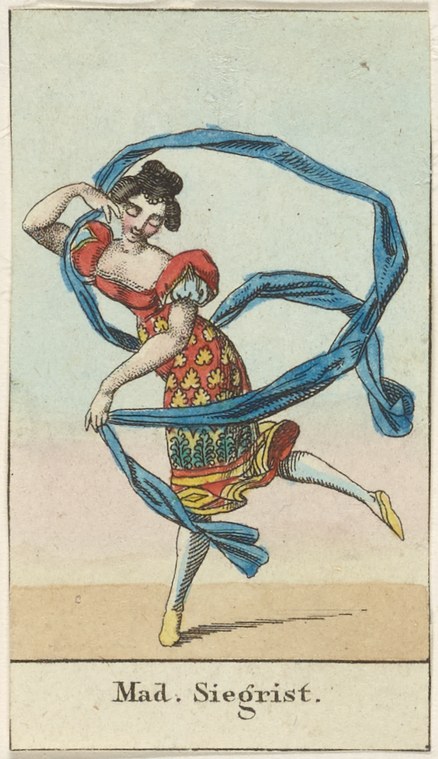
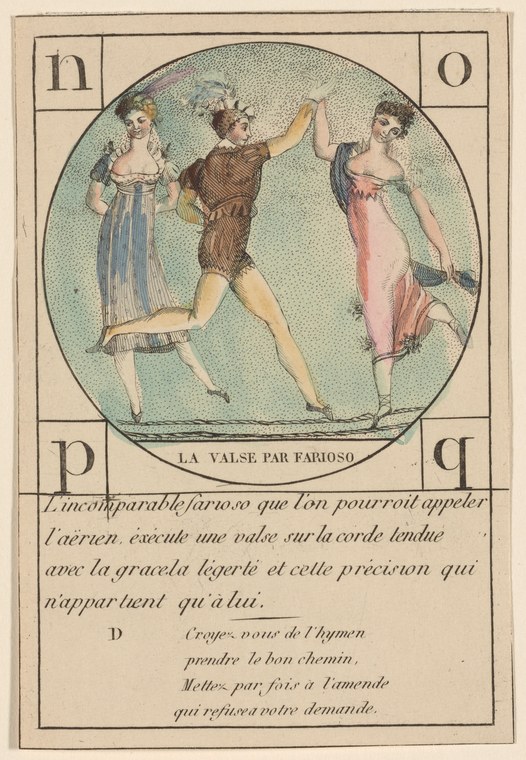
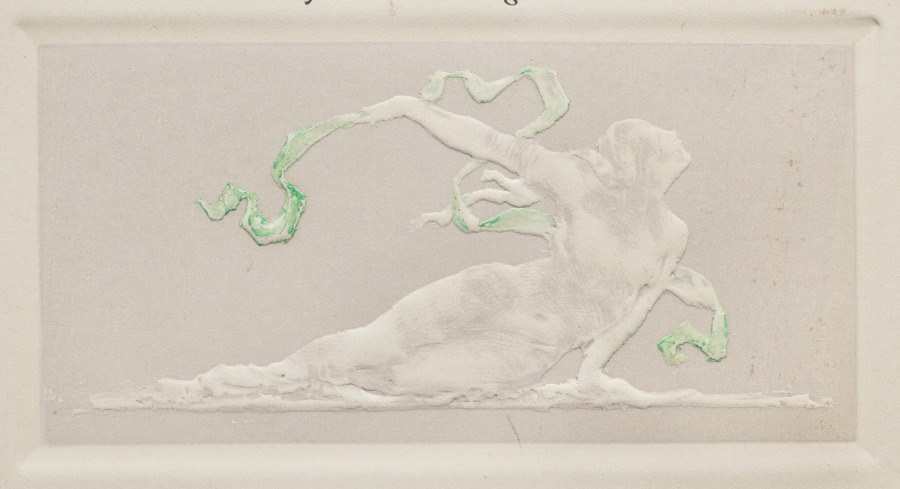
Browse the gallery →Works from the wider Flow & Fire Arts tradition — we have not yet identified enough that depict Fire Staff specifically.
Continue Exploring
Lineage of Dance
500 years of dance evolution
Champions of Dance
Winners of marquee national & world titles
Language of Dance
161 dance terms & translations
Listening of Dance
Tempo, timing & musicality tools
Gallery of Dance
5,700+ artworks from museum collections
Attire of Dance
Evolution of dance dress across eras
Keep the thread going
Dance history, technique, and the occasional rabbit hole — in your inbox. Thoughtful, infrequent, unsubscribe anytime.
Free. No spam. One click to leave.