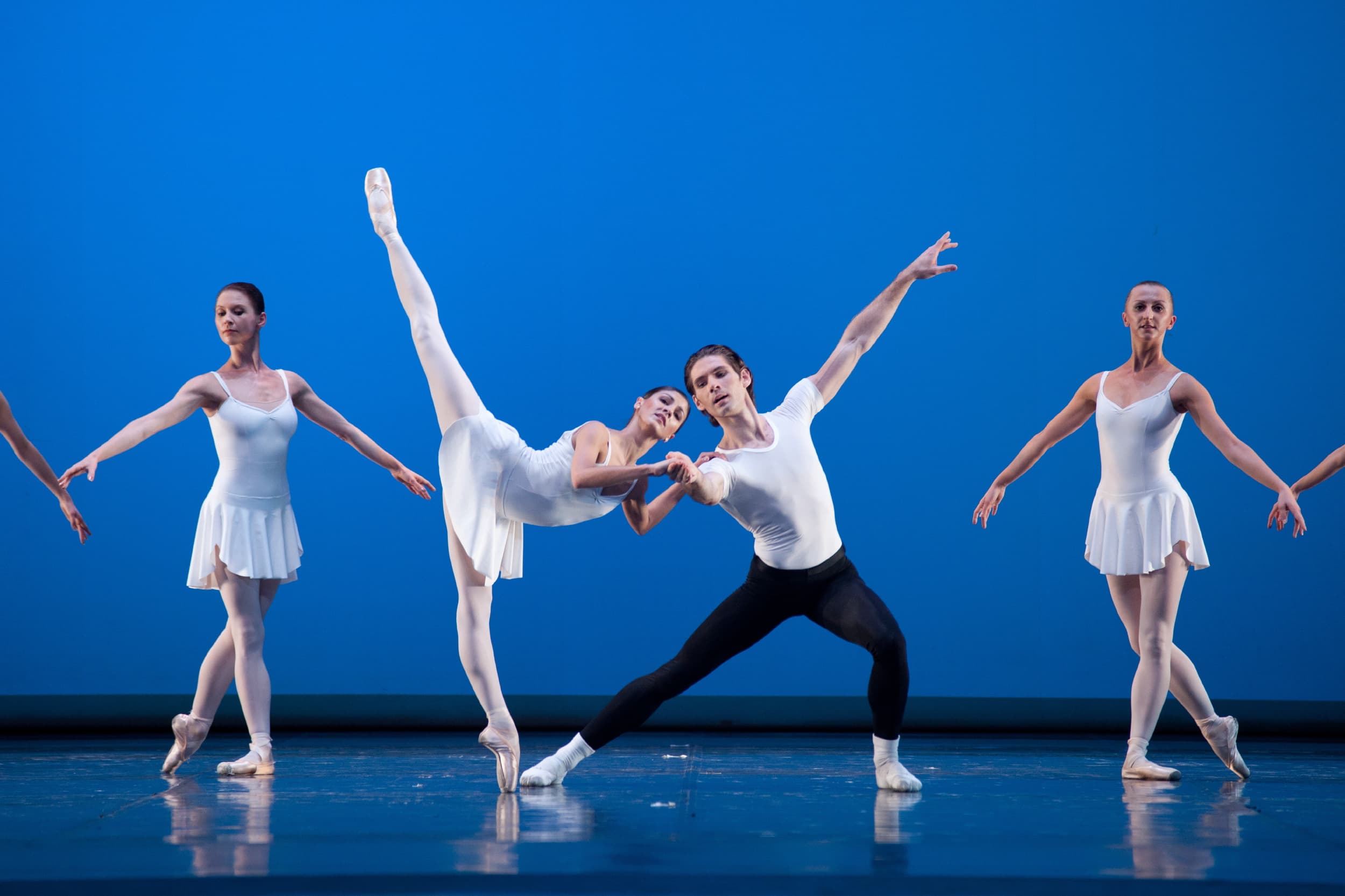
Ewa Krasucka TW-ON — Zgoda od Teatru Wielkiego - Opery Narodowej. · CC BY-SA 4.0
Concerto Barocco is a plotless neoclassical ballet Balanchine made in 1941 to Bach's Concerto for Two Violins in D minor, for a cast of eleven: two principal women (one dancing to each violin line), one principal man, and a corps of eight women who answer the orchestra. It was created for the American Ballet Caravan's wartime South American tour and later entered New York City Ballet's repertory, where it has remained a core work.
What it contains
- Balanchine Method · the entire ballet — Fast, musically exacting phrasing with syncopated accents laid over classical steps, characteristic of Balanchine's own developing choreographic method at the School of American Ballet. Source: "In the original choreography, Balanchine incorporated elements of jazz dance."
- Neoclassical Ballet · the entire ballet — Plotless, structured entirely by musical form rather than narrative, with pointe work, principal/corps hierarchy and classical line stripped of decorative scenery or story. Source: "Concerto Barocco is a neoclassical ballet choreographed by George Balanchine to Bach's Concerto for Two Violins."
- Vernacular Jazz · a corps de ballet passage (movement unspecified in the account) — A step derived from the vernacular Charleston, executed by the corps on pointe, alongside broader 'odd hips' and hip-led, syncopated phrasing described by dancers and ballet masters. Source: "There's one place where the corps almost does the Charleston on pointe."
What is danced
The choreography maps the music's structure directly onto the stage: each of the two lead ballerinas is set against one of the two solo violin lines, while the corps de ballet dances the orchestral accompaniment. In the first and third movements all ten women are on stage; the second movement is danced by one principal ballerina, the sole male dancer, and the corps, with one of the two lead women largely absent. The corps is present for the entire ballet.
Balanchine built the steps around Bach's counterpoint but deliberately inflected them with jazz phrasing and rhythm he had absorbed from working with Katherine Dunham, Josephine Baker, Buddy Bradley and the Nicholas Brothers in the 1930s, and from a syncopated jazz-piano arrangement of the concerto by Hazel Scott. Dancers and ballet masters describe 'odd hips, odd turned-in things' and syncopation lying under the Bach score, with one passage in which the corps 'almost does the Charleston on pointe.' The demand, per Suki Schorer, is less about step difficulty than exactitude of timing against Bach's beat, with Balanchine reportedly working for hours to get the syncopation precise while still keeping the line classical.
Over decades the steps and tempi drifted: a jeté in the second movement was dropped because of a dancer's bad knee, some passages slowed from the original one-beat phrasing to a two-beat rendering, and the jazz inflection that original cast member Marie-Jeanne and ballet master John Taras recalled has, by their account, been smoothed into a more 'romantic, and lyrical' classical reading. A 1996 videotaped coaching session with Marie-Jeanne, Suki Schorer, Merrill Ashley, John Taras and Nancy Reynolds was made specifically to record the ballet's original form for students at the School of American Ballet.
Context
Concerto Barocco was made in spring 1941 as a stage-practice exercise for advanced students at the School of American Ballet, then hurriedly folded into the repertory of the newly formed American Ballet Caravan, assembled for a US-government-subsidized goodwill tour of South America during World War II. It sits at a pivot point in Balanchine's career, between his early experiments with jazz-idiom collaborators in the 1930s and the fully mature plotless, score-driven manner he would develop at New York City Ballet after 1948; the ballet's fusion of Bachian counterpoint with jazz syncopation was a direct outgrowth of an abandoned 1936 plan to choreograph the same concerto for the tap dancer Paul Draper.
Staging history
The ballet premiered on June 27, 1941, at the Teatro Municipal in Rio de Janeiro, after a preview at Hunter College in New York, and toured nine countries with American Ballet Caravan before that company disbanded. It was later danced by the short-lived American Concert Ballet (1943), by Ballet Russe de Monte Carlo (1945), and opened New York City Ballet's very first performance in 1948, where it has stayed in repertory continuously since. Eugene Berman's original 1941 designs (arched, watery backdrop; rubberized, leaf-and-netting costumes) were used again for the 1948 NYCB staging but dropped from 1951 onward in favour of black practice clothes; since 1963 the standard NYCB production has used white leotards and skirts for the women, a white shirt and black tights for the man, against a blue cyclorama. By 2020 the ballet had been staged nearly 200 times and entered the repertories of companies including San Francisco Ballet, Royal Danish Ballet, Paris Opera Ballet, Dance Theatre of Harlem, Birmingham Royal Ballet and Pacific Northwest Ballet.
How to watch it
Watch how the two lead ballerinas trace the two solo violin lines against the corps carrying the orchestral texture, rather than following a plot or partnership hierarchy. Look for the specific jazz-inflected accents original dancers describe — hip leads, turned-in positions, and syncopated attack against Bach's beat — which later stagings have often softened into a more purely lyrical classical reading; comparing a current performance against that description is itself a way of watching the ballet's own performance history.
Structure
- First movementAll ten women (both principals and the corps) dance; the movement is built on the concerto's first violin-and-orchestra exchange.
- Second movementDanced by one principal ballerina, the sole male dancer, and the corps; the other principal ballerina is largely off stage.
- Third movementAll ten women return to the stage for the concerto's final movement.
Structure read from an encyclopaedia article, not from a libretto or score we hold. Confirm against a programme before treating the numbering as authoritative.
Credits
- composer: Johann Sebastian Bach
More from George Balanchine
Other staged works in the register connected to this one by author or lineage.
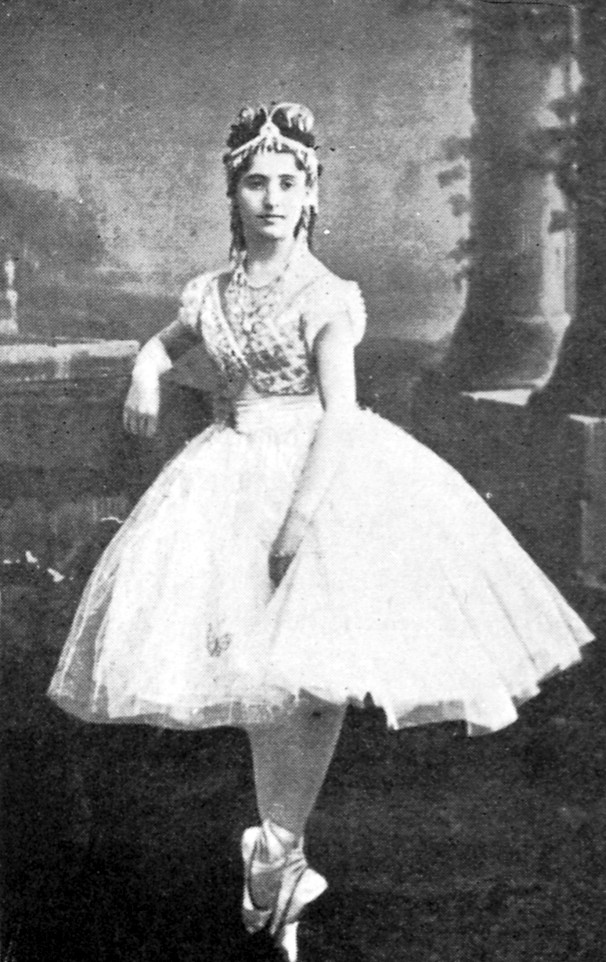 CoppéliaBallet · 1870Balanchine · video
 ApolloBallet · 1928Balanchine · video
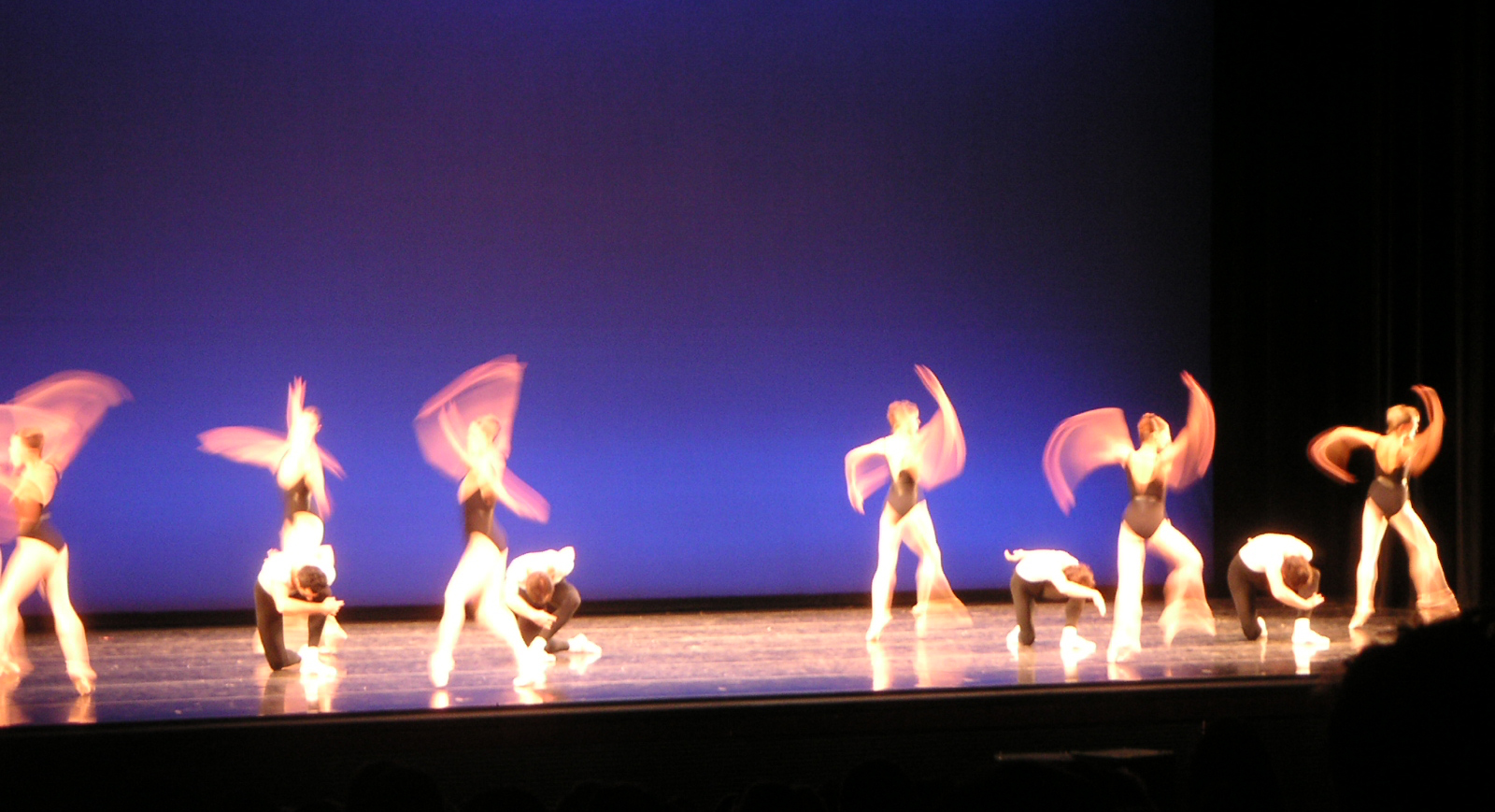 AgonBallet · 1957Balanchine · video
 Le chant du rossignolBallet · 1920Balanchine · video
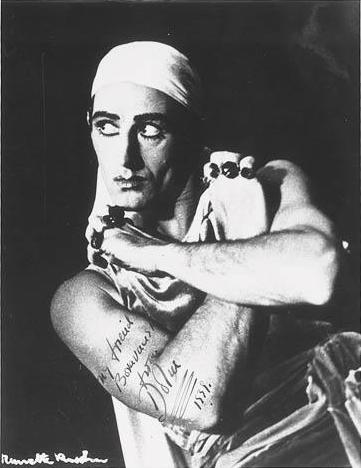 The Prodigal SonBallet · 1929Balanchine · video
 The Seven Deadly SinsBallet · 1933Balanchine · video
 IvesianaBallet · 1954Balanchine · video
 Tschaikovsky Suite No. 3Ballet · 1970Balanchine · video