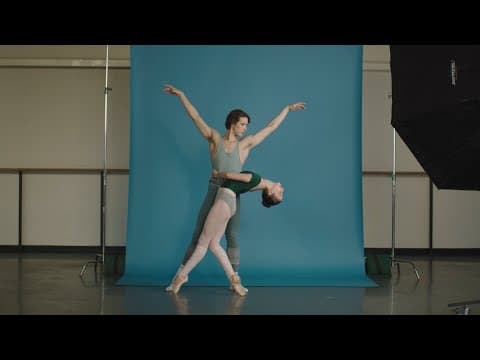
Le Baiser de la fée is a one-act, four-scene ballet with a score by Igor Stravinsky, composed in 1928 and revised in 1950, built as an homage to Tchaikovsky for the 35th anniversary of his death: Stravinsky wove in melodies drawn from Tchaikovsky's lesser-known piano pieces and songs rather than writing an original score from scratch. It is based on Hans Christian Andersen's story 'The Ice-Maiden' and was commissioned by Ida Rubinstein, with the first choreography made by Bronislava Nijinska for the Paris premiere on 27 November 1928.
What is danced
The article gives no description of steps, holds, groupings, or technique for any staging of this work. It is detailed about the music instead: it lists, scene by scene, the specific Tchaikovsky pieces (Op. 19, Op. 37bis, Op. 54, the Humoresque Op. 10 No. 2, the 'None but the Lonely Heart' song, and others) that Stravinsky quoted or reworked, and it names a 'Pas de deux' as part of Scene III's music without describing what is danced in it. It also documents a separate concert suite, the Divertimento, arranged by Stravinsky with Samuel Dushkin in 1934 and revised in 1949, and a 1932 violin-and-piano arrangement and 1947 'Ballad' arrangement — all musical facts, none choreographic.
Because of this gap, no movement vocabulary can be responsibly assigned from this source: not for Nijinska's 1928 original, not for Balanchine's 1937 full-length version, his 1950 revision (retitled in English as The Fairy's Kiss), his 1972 Divertimento ballet made from excerpts of the concert suite and the original score, or Kenneth MacMillan's independent 1960 staging for The Royal Ballet. A reader who needs the actual choreography — Nijinska's group compositions, Balanchine's neoclassical treatment of the same score across three separate attempts, or MacMillan's version — will need to go to a source that discusses the staging itself, not this article.
Context
The commission came from Ida Rubinstein, whose company in the late 1920s regularly paired major émigré Russian composers and choreographers on new work in Paris — the milieu out of which much of the era's neoclassical repertoire emerged. Stravinsky's decision to build the score around quoted Tchaikovsky material, rather than write fully original music, made the ballet itself a historical-minded gesture at a moment when Stravinsky's own idiom was moving further from the Ballets Russes exoticism of his earlier scores toward a leaner, backward-looking neoclassicism.
Staging history
The ballet premiered in Paris on 27 November 1928 in Nijinska's choreography. Balanchine made his own full-length version for his own company, the American Ballet, premiering 27 April 1937 at the Old Metropolitan Opera House, and a further revision for New York City Ballet premiering 28 November 1950 at City Center of Music and Drama, under the English title The Fairy's Kiss. Kenneth MacMillan choreographed a separate version for The Royal Ballet in 1960. In 1972, for New York City Ballet's Stravinsky Festival, Balanchine made an entirely new work drawing on both the concert-suite Divertimento and the original ballet score, premiering 21 June 1972 at the New York State Theater; in 1974 he added a new pas de deux built on Tchaikovsky's 'None but the Lonely Heart'.
How to watch it
Listen for the seams between Stravinsky's own voice and the borrowed Tchaikovsky material — the programme identifies specific quoted pieces scene by scene, so the score itself is doing referential, almost collage-like work rather than pure original composition. Because the article does not describe the choreography of any staging, attend to which version you are watching (Nijinska 1928, Balanchine 1937/1950/1972, or MacMillan 1960): the title and even the language of the title (French versus the English 'The Fairy's Kiss') can signal which lineage a given production descends from.
Credits
- composer: Igor Stravinsky
Related works
Other staged works in the register connected to this one by author or lineage.
 BoléroBallet · 1928Nijinska · video
 RenardBallet · 1922Nijinska · video
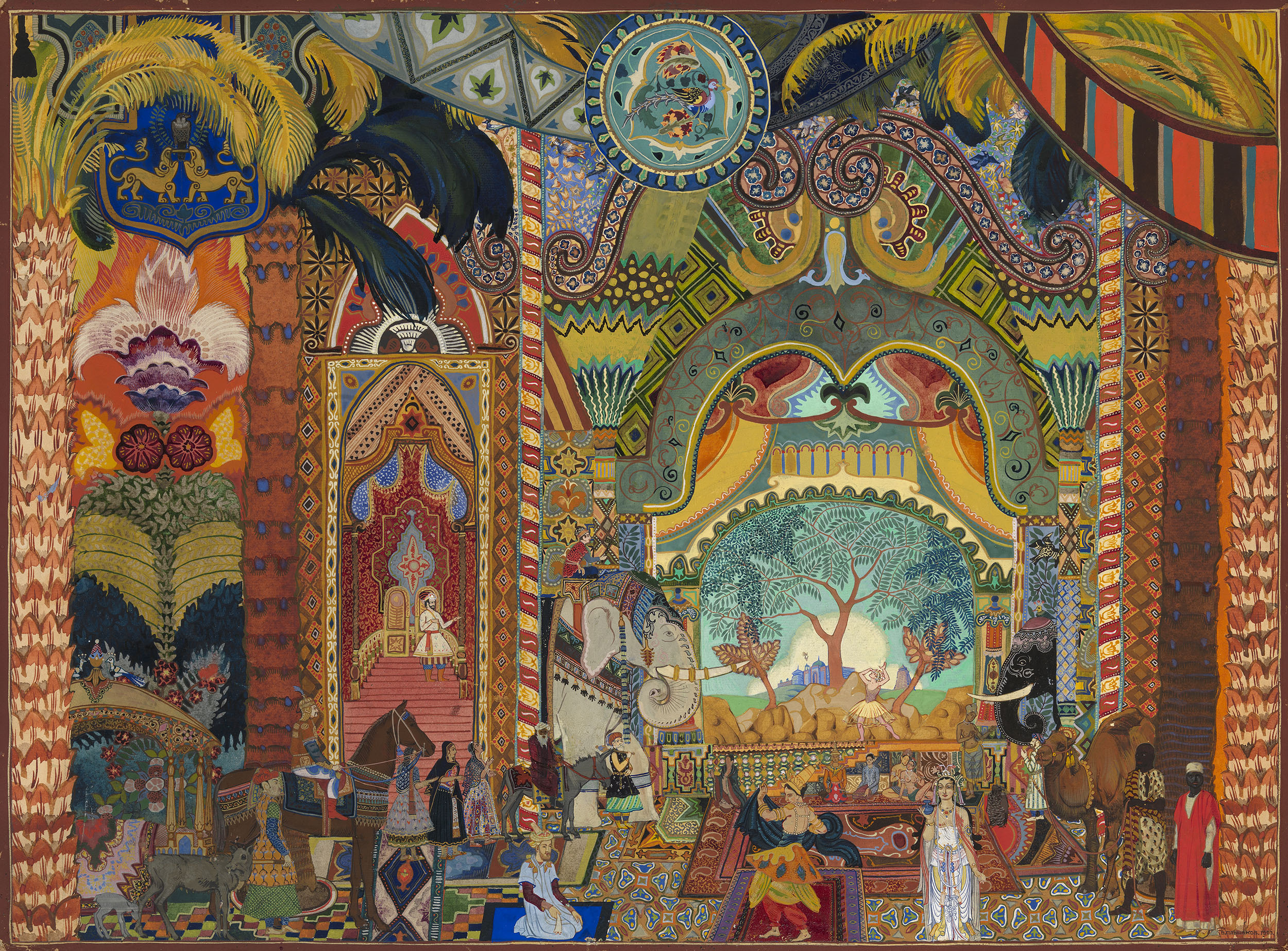 The FirebirdBallet · 1910Music by Stravinsky · video
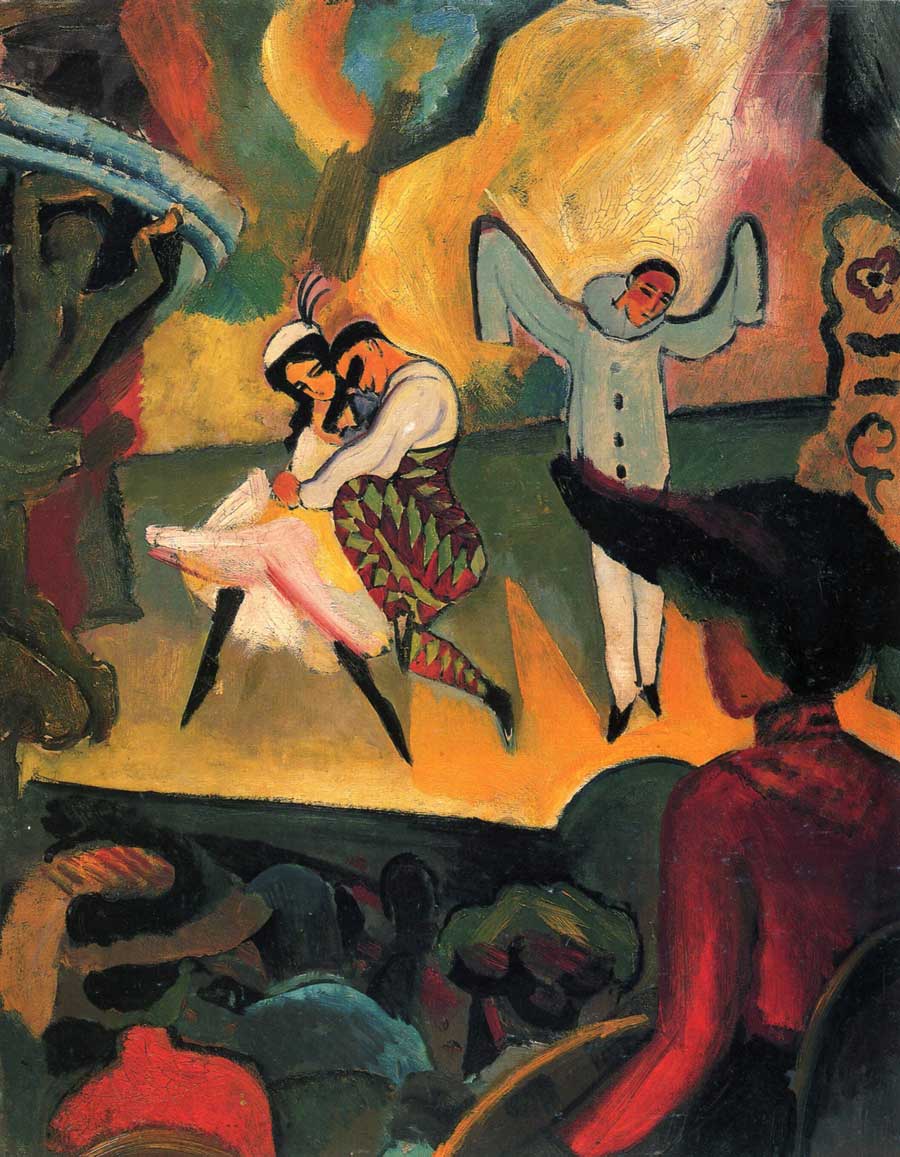 PetrushkaBallet · 1911Music by Stravinsky · video
 PulcinellaBallet · 1920Music by Stravinsky · video
 Les nocesBallet · 1923Music by Stravinsky · video
- RagtimeRagtimeBallet · 1960Music by Stravinsky
 The CageBallet · 1951Music by Stravinsky · video