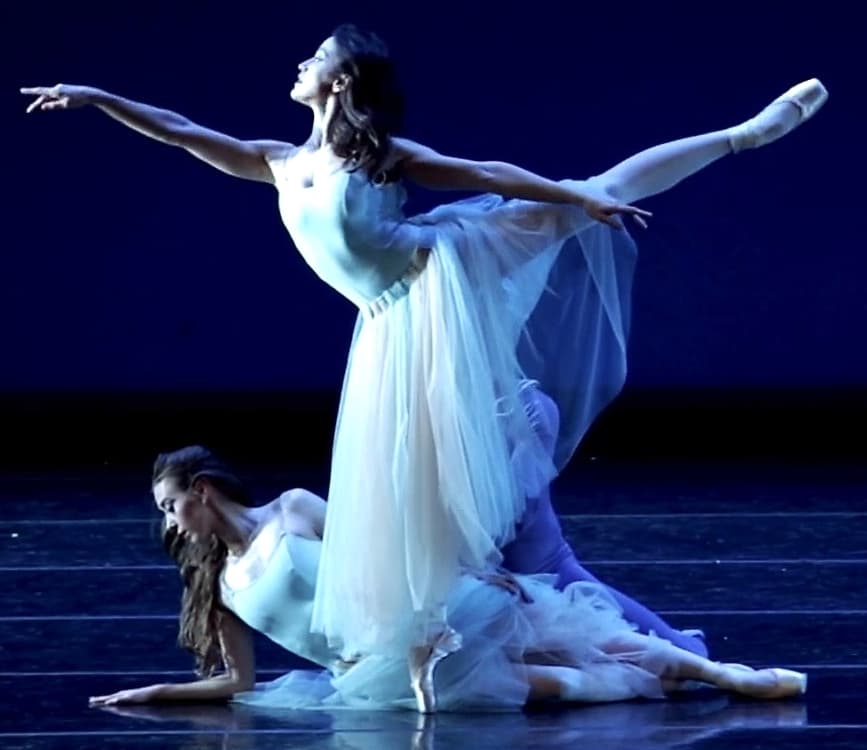
Kansas City Ballet — Serenade // Show Highlights B-Roll on Vimeo · CC BY 3.0
Serenade is George Balanchine's setting of Tchaikovsky's 1880 Serenade for Strings in C, Op. 48, made in 1934 for the students of his newly founded School of American Ballet. It is treated by dance historians as Balanchine's first full-length American work and as a hinge between the ballets he made for Diaghilev's Ballets Russes and the leaner, plotless style he developed once settled in the United States.
What it contains
- Balanchine Method · the whole ballet, as a graded teaching structure — Choreographed explicitly as pedagogical material for School of American Ballet students, escalating in technical demand so it could serve as both classroom and graduation exercise. Source: "the ballet was formed in such a way “in order to have something to teach the students with—something they could handle yet would stretch their abilities,”"
- Classical Ballet · throughout, culminating in the 'Waltzing Girl' passage — Corps formations and partnering built up in difficulty across the piece, from a simple opening gesture phrase to complex ensemble patterns and technical partner work. Source: "the ballet then explores everything from complex formations to technical elements of partnering in the “Waltzing Girl”, for example."
- Neoclassical Ballet · the whole ballet — Plotless structure, ensemble-driven formations shaped directly by the music rather than by narrative, positioned as a step away from episodic Diaghilev-era ballet toward Balanchine's later abstract American style. Source: "The work can be considered a bridge between his two early works for Sergei Diaghilev and his later, less episodic American works."
- Romantic Ballet · two specific falls within the choreography — A pair of falls staged as a direct choreographic quotation of Romantic-ballet vocabulary from Giselle. Source: "The dance is characterized by two falls, a choreographic allusion to Giselle, but also an element in the Khorumi, a Georgian folk dance which influenced Balanchine."
What is danced
The ballet is nominally plotless but built from a chain of practical accidents turned into choreography: Balanchine began rehearsals with seventeen women, then fewer as students dropped in and out, and he set the opening and later scenes to match whatever numbers actually showed up, later folding in the men who began attending and even a woman's late arrival into the finished stage action. The result is a piece that opens with simple unison gesture and builds in technical demand, moving toward complex corps formations and, in the passage referred to as the 'Waltzing Girl', more exacting partnering work.
Movement-wise the article singles out two falls as a deliberate choreographic quotation of Giselle, alongside a step drawn from the Khorumi, a Georgian folk dance that had influenced Balanchine. The overall atmosphere is described as one of yearning and romanticism, built with soft blue tutus and dimmed lighting, and the piece is said to carry visual and structural nods to Giselle and Swan Lake even while dispensing with their narrative apparatus.
Context
Serenade was made at a moment when Balanchine, newly arrived in the United States, was building both a school and an American audience for ballet essentially from nothing; the article notes the audience had not been widely exposed to ballet before. It is framed as a bridge piece: looking back to the episodic, decorative works Balanchine had made for Diaghilev, and forward to the plotless, music-driven ballets that would define his American output and the aesthetic later called Balanchine Method.
Staging history
The first performance was given by School of American Ballet students on 10 June 1934 at the Felix M. Warburg estate in White Plains, N.Y. It was then presented by the school's Producing Company on 6 December 1934 at the Avery Memorial Theatre of the Wadsworth Atheneum, with sets by the painter William Littlefield. The article records a separate 'official premiere' on 1 March 1935 with the American Ballet at the Adelphi Theatre, New York, conducted by Sandor Harmati, followed by a two-week New York run and a fourteen-week national tour that was not, per the sources cited, an immediate success. The ballet remained in repertory long enough for NYCB principal Philip Neal to choose it for his farewell performance on 13 June 2010.
How to watch it
Watch how the corps numbers shift scene to scene — a legacy of Balanchine choreographing around whichever students actually turned up to rehearsal — and look for the two falls that quote Giselle directly. Note the rising technical curve, from simple gestural unison at the opening to intricate formation and partnering work later, and the effect of the soft blue tutus and dimmed lighting in building the piece's romantic, non-narrative atmosphere.
Credits
- composer: Pyotr Ilyich Tchaikovsky
More from George Balanchine
Other staged works in the register connected to this one by author or lineage.
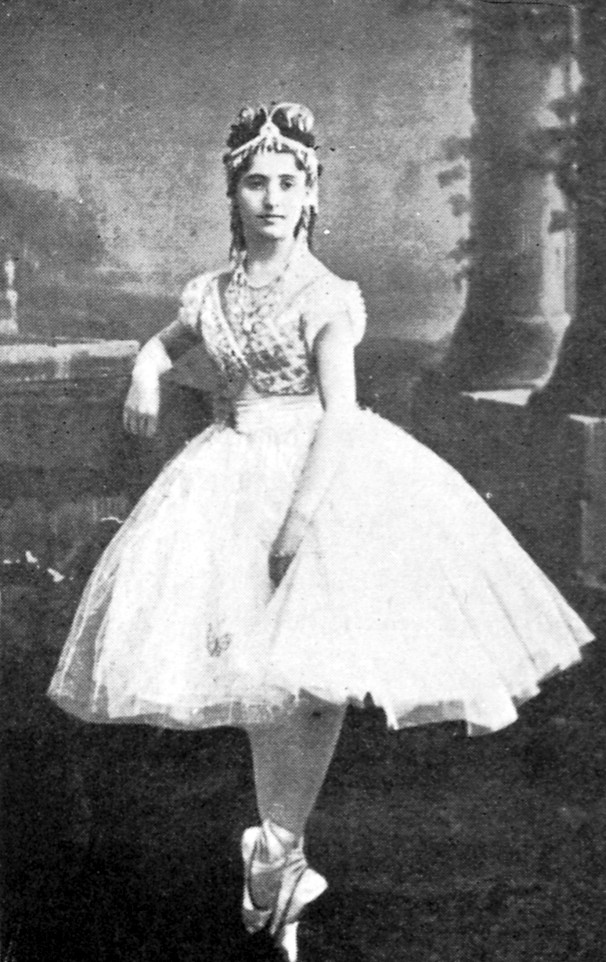 CoppéliaBallet · 1870Balanchine · video
 ApolloBallet · 1928Balanchine · video
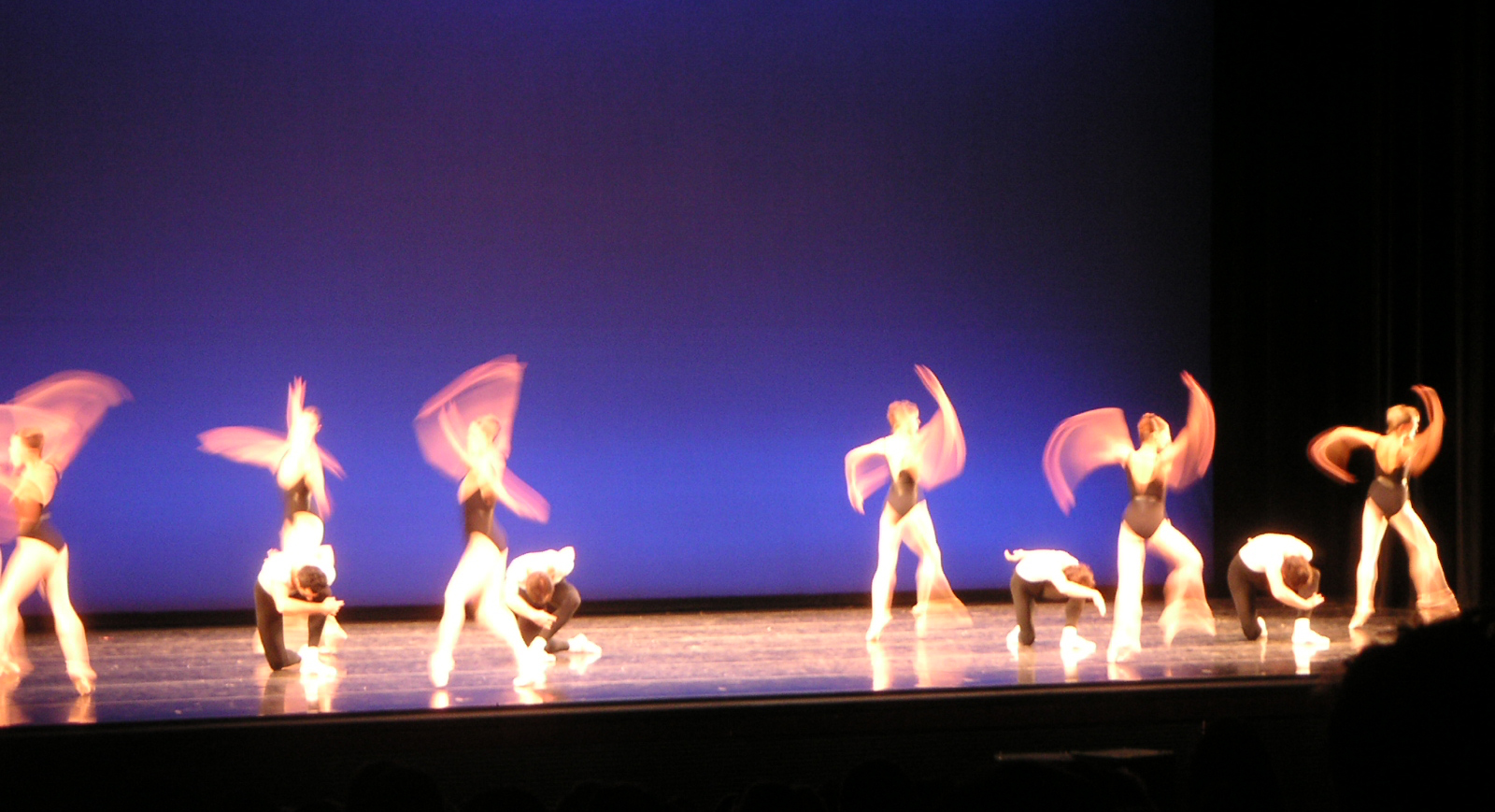 AgonBallet · 1957Balanchine · video
 Le chant du rossignolBallet · 1920Balanchine · video
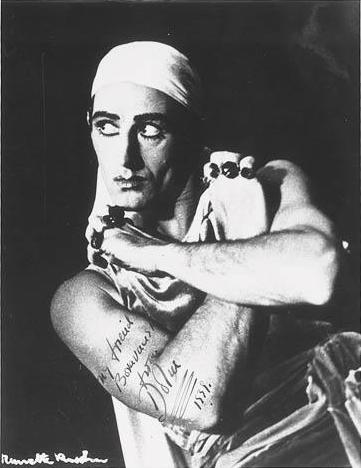 The Prodigal SonBallet · 1929Balanchine · video
 The Seven Deadly SinsBallet · 1933Balanchine · video
 Brahms–Schoenberg QuartetBallet · 1966Balanchine · video
- TangoTangoBallet · 1982Balanchine