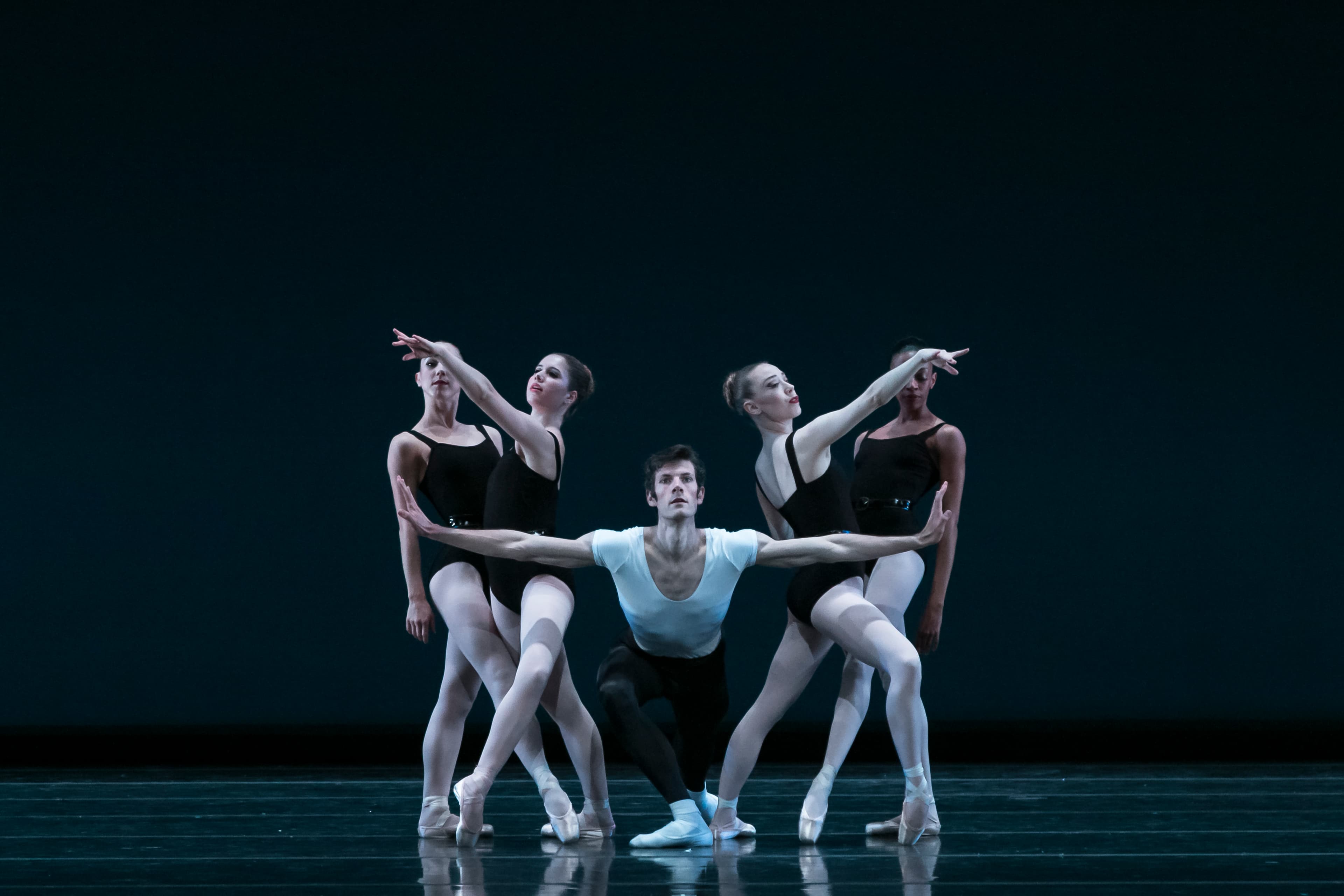
KCBalletMedia — swKCB052015W_0253 · CC BY 2.0
The Four Temperaments is a plotless neoclassical ballet made by George Balanchine to an existing orchestral score by Paul Hindemith, originally titled Theme and Four Variations (The Four Temperaments). Hindemith had written the music years earlier for an abandoned Léonide Massine project and then, separately, on a private commission from Balanchine himself, who only later turned it into a ballet for his own company.
What it contains
- Balanchine Method · The whole ballet's choreographic vocabulary — Choreography built directly from the music's pulse, with characteristic weight-shifts and foot/leg articulation later identified as core to Balanchine's own developing technique. Source: "The choreography stems from the music, with emphasis on "pulse drive", "change of weight" and "foot and leg work", which would become part of Balanchine's vocabulary in making modernist works."
- Neoclassical Ballet · The whole ballet, across the Theme and all four variations — Plotless, music-driven structure built from pas de deux and soloist variations emphasizing pulse, weight-shift and articulate footwork rather than mime or story. Source: "choreographed it as a neoclassical ballet based on the theory of the four temperaments"
What is danced
The ballet is built as a Theme followed by four variations named for the medieval humors: Melancholic, Sanguinic, Phlegmatic and Choleric. The Theme establishes the physical material through three successive pas de deux, developing motifs that recur and speed up across the variations. Each variation is launched by a soloist danced against a small corps: Melancholic opens with a male principal whose choreography is described as 'articulate, plastic and considered' but 'earth-bound', ending with the dancer bending his back backward before being surrounded by soloists and corps women; Sanguinic is a fast, bright duet with the woman cast as 'an allegro technician'; Phlegmatic is another male solo of 'considerable articulacy' turned inward, joined later by four women; Choleric begins with a female solo described as an 'angry goddess' before the full cast enters, and the ballet closes with a series of grand jeté lifts.
Context
Balanchine made this as the first work he choreographed for the newly founded Ballet Society (the forerunner of New York City Ballet) in 1946, at a moment when he was pushing ballet away from narrative spectacle toward music-driven abstraction; contemporaries called it 'unlike anything that had ever been seen in ballet before.' The choreography's emphasis on pulse, weight-shift and articulate legwork became, per the article, part of the vocabulary Balanchine carried into his later modernist works, and the piece is now grouped among his 'black and white' ballets that stripped ballet down to unadorned technique.
Staging history
The premiere, on November 20, 1946, took place on a raised platform without an orchestra pit at the Central High School of Needle Trades, with the orchestra performing in front of the audience; the original Kurt Seligmann costumes (a horned wig, winged sleeves with 'fingers enclosed') were reportedly disliked by the dancers, and from a 1951 New York City Ballet revival onward the production was danced in plain practice clothes — black leotards for women, white T-shirts and black tights for men — a change described as shifting focus 'from spectacle to the dance itself.' The work passed into the core repertory of New York City Ballet and has since been staged by companies including Paris Opera Ballet, The Royal Ballet, San Francisco Ballet, National Ballet of Canada, Dutch National Ballet, Vienna State Ballet, The Australian Ballet, Pacific Northwest Ballet, Boston Ballet, Houston Ballet, Joffrey Ballet, Pennsylvania Ballet and Dance Theatre of Harlem, and was filmed for PBS' Dance in America in 1977.
How to watch it
Watch the shift from the courtly pas de deux language of the opening Theme into the increasingly extreme, character-driven physicality of each variation — a backward-bending torso in Melancholic, brisk allegro attack in Sanguinic, inward-turned stillness in Phlegmatic, and the aggressive authority of the Choleric soloist before the whole cast converges. There is no story to follow; the piece rewards attention to how steps are built from the music's pulse and to the plain practice-clothes staging that puts the dancers' technique, rather than costume or narrative, on display.
Structure
- ThemeThree successive pas de deux establish and develop the physical motifs later used across the variations.
- MelancholicA male principal dances an earthbound, inward solo, joined by two female soloists and then four more women, ending with the man bending his back backward.
- SanguinicA fast, bright duet, the woman an allegro technician, joined by a corps of four women.
- PhlegmaticA male solo of intense inward focus is later joined by four women.
- CholericA female solo described as an 'angry goddess' is joined by the full cast; the ballet ends in a series of grand jeté lifts.
Structure read from an encyclopaedia article, not from a libretto or score we hold. Confirm against a programme before treating the numbering as authoritative.
More from George Balanchine
Other staged works in the register connected to this one by author or lineage.
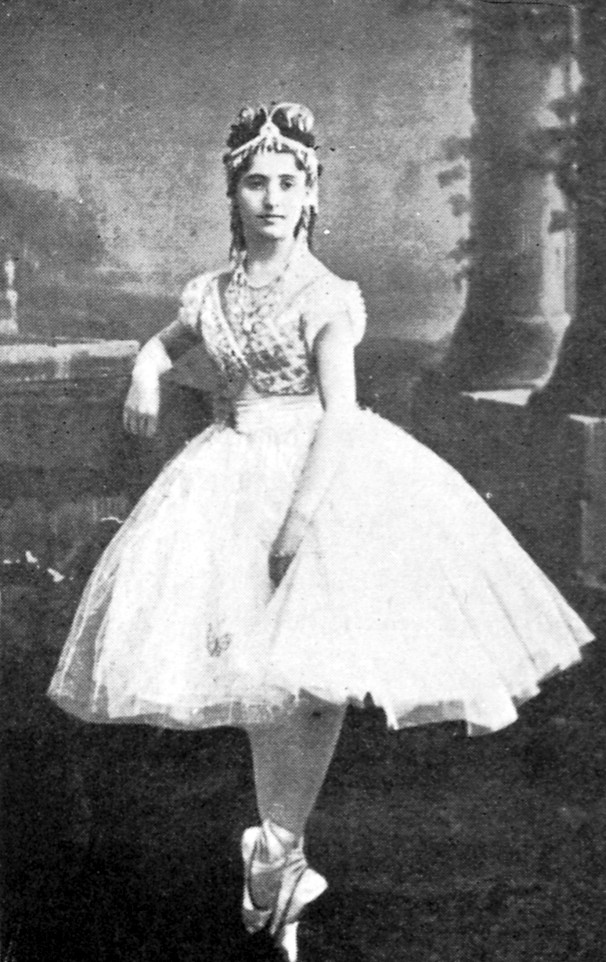 CoppéliaBallet · 1870Balanchine · video
 ApolloBallet · 1928Balanchine · video
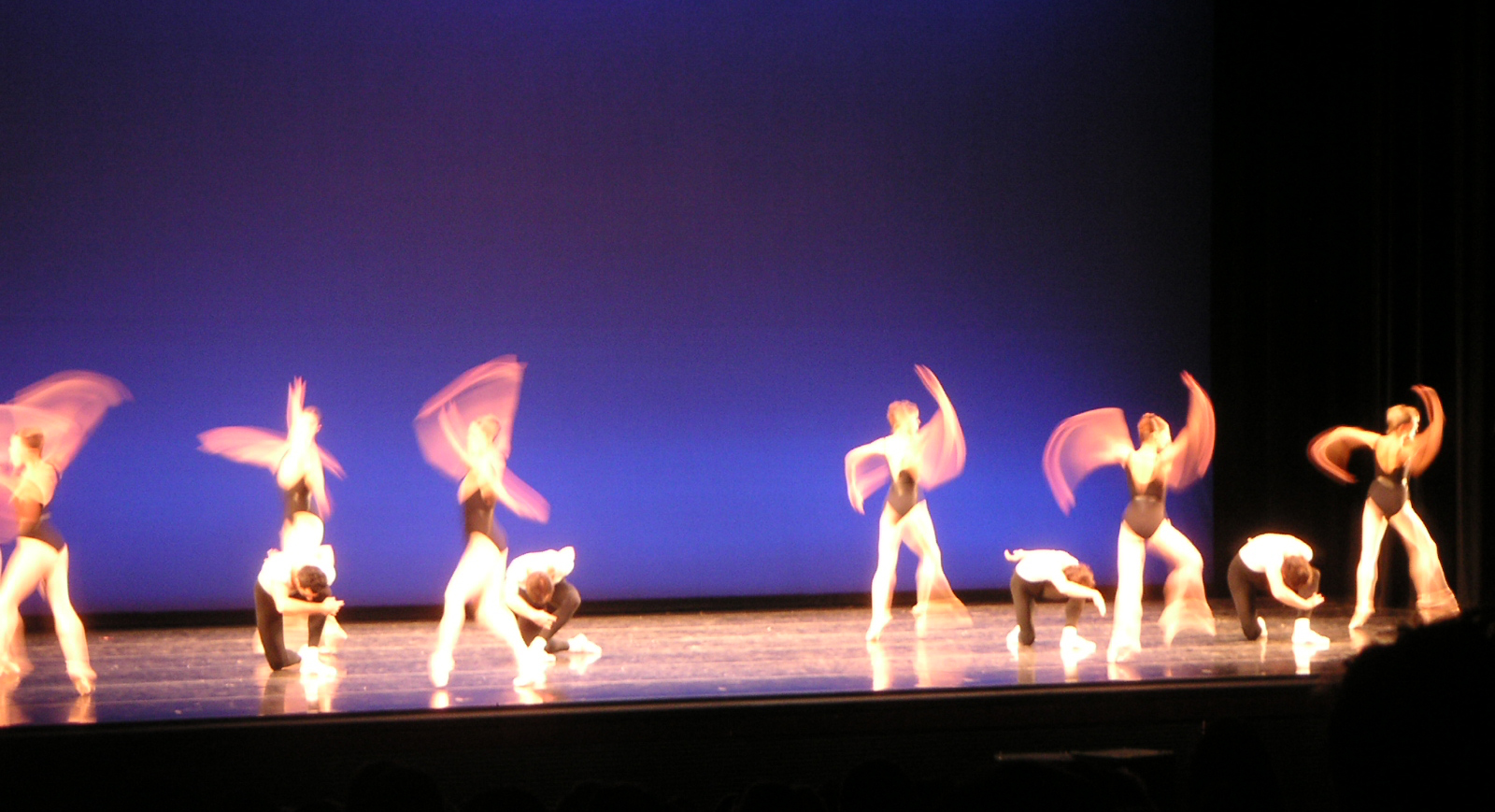 AgonBallet · 1957Balanchine · video
 Le chant du rossignolBallet · 1920Balanchine · video
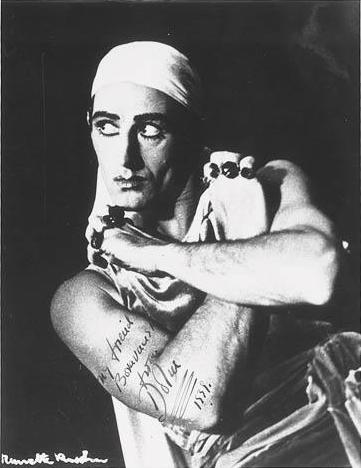 The Prodigal SonBallet · 1929Balanchine · video
 The Seven Deadly SinsBallet · 1933Balanchine · video
- ÉlégieÉlégieBallet · 1948Balanchine
 Stars and StripesBallet · 1958Balanchine · video