Tumbling for Dance
Also known as: Dance Tumbling, Acro Tumbling, Floor Pass Training
History & Cultural Context
Tumbling for dance is the travelling acrobatic pass taught as a supporting discipline inside dance training rather than as a sport in its own right. Competitive tumbling has its own long institutional history: the Amateur Athletic Union included tumbling in its events from 1886 and added women's tumbling in 1938, the International Trampoline Federation governed it from 1964, and the Federation Internationale de Gymnastique took over in 1999. That sport is contested on a 25.6-metre rod floor with passes of eight elements that must finish with a somersault. Dance tumbling borrows the vocabulary and discards the apparatus. A dancer trains the same round-off, back handspring, front and back walkover, aerial and back tuck, but must be able to land them on a raked or unsprung stage, in costume and in shoes, without a spring floor returning energy. That constraint drives skill selection, conditioning and landing mechanics, and it is why syllabus bodies teach tumbling as one graded division among five rather than as a standalone track. Acrobatic Arts offers dedicated teacher certification modules for back handspring and for back tuck and back layout, reflecting how much of the discipline is really spotting and progression management.
Cultural Significance
In studio culture tumbling is the class parents most often confuse with gymnastics, and the one most likely to be taught by a coach with a gymnastics rather than dance background. Syllabus bodies exist in large part to stop untrained dance teachers spotting skills they cannot safely spot.
Characteristic Movement & Technique
Cartwheels, round-offs, front and back walkovers, front and back handsprings, aerials and back tucks, chained into passes with a dance entry and a dance exit rather than a gymnastic salute.
Partnering Dynamics
Fundamentally solo, but the training relationship is a partnership: a spotter supports the skill through graded progressions until it is independent. In choreography, passes are often synchronised across a line or traded in canon.
Competitive Context
Tumbling is not usually its own dance-competition category; it is scored as content inside acro, open or production numbers. Competitions that cap acro tricks in the Open category, commonly at five, effectively cap how much tumbling a non-acro routine can carry.
Regional Variations
North American studios frequently co-locate tumbling with cheer programmes and train on spring floors or air tracks before transferring to stage. Studios working to the Acrobatic Arts pathway more often train the same skills on marley over a sprung dance floor from the outset.
Common Misconceptions
A dancer who tumbles is not doing gymnastics: there is no apparatus, no rod floor and no execution code. Equally, competence on a spring floor does not transfer automatically to a hard stage, which is why dance-specific progression and surface transfer are treated as core training rather than optional.
Notable Codifiers
- Amateur Athletic Union (AAU)
- Federation Internationale de Gymnastique (FIG)
- Acrobatic Arts
- Acro Dance Teachers Association (ADTA)
Dance Lineage
Tumbling for Dance Music & Tempo
Drawn from 15 Tumbling for Dance tracks in the LODance music library.
Example tracks at practice tempo
- Ritual — Tiësto, Jonas Blue, Rita Ora114 BPM
- One Jump Ahead - Instrumental — Alan Menken, Tim Rice119 BPM
- Roundtable Rival — Lindsey Stirling128 BPM
- Taste — Sabrina Carpenter113 BPM
- Welcome to the Jungle — 2CELLOS127 BPM
- Hand Clap (Instrumental) — KPH138 BPM
Who governs Tumbling for Dance
Federations, councils and examining bodies with a recorded role in this style. No single organisation can tell you this — each one knows only itself.
Legends of Tumbling for Dance
Dancers, choreographers and teachers whose work shaped this style.
Tumbling for Dance on screen
Films and television where Tumbling for Dance appears, with the sequences worth watching for.
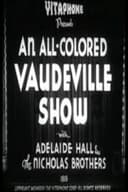
Poster artwork from TMDB.
 This site uses TMDB and the TMDB APIs but is not endorsed, certified, or otherwise approved by TMDB.
Tumbling for Dance in performance
3 staged works in the Limelight catalogue contain Tumbling for Dance, 1992–2021 — 3 of them in a named act or number.
- Drawn to Life2021Cirque · defining styleThe Inner World of Animation
The Inner World of Animation — Ensemble acrobatics performed in unison on a soft inflatable airbag surface, using the mat's give for launches, flips and coordinated group tumbling passes. Source: "The Inner World of Animation - Synchronized acrobatics on an…
- Saltimbanco1992CirqueRussian swing
the Russian swing act — Performers launch off a swing into aerial twists, spins and flips before landing on human pyramids or mats, tumbling-style skills. Source: "Multiple artists jumped off a large swing, performing twists, spins, and flips, before landin…
- Zed2008CirqueLassos
Lassos act — Performers tumble through spinning lassos while the ropes are manipulated, combining tumbling passes with rope work. Source: "they would spin the lassos while tumbling through them"
Every claim above is quoted from a cited source and names where in the work the style appears. Claims we could not place or could not quote are held back from this list and shown on the work’s own page instead. Browse the full performance catalogue →
What to Wear
Attire guidance for Tumbling for Dance and other Acro & Dance Acrobatics dances. Each card below is sized to the moment — class, practice, social, or competition — because the wardrobe shifts as the stakes do.
Reading the cards
In Class
Form-fitting clothing is a safety requirement: a leotard with fitted shorts, or a fitted top tucked into leggings, so nothing falls over your face when you invert and so a spotter can see your alignment and grab a specific place on your body. Train barefoot — jazz shoes, half-soles and sneakers all reduce the friction you need to hold a handstand or a landing, and are a genuine slipping hazard. Hair goes in a secure bun or braid rather than a swinging ponytail. Remove every piece of jewellery: rings, studs, watches and necklaces injure both you and whoever is spotting you.
Social Dancing
There is no social version of acro; the analogous setting is open gym or supervised practice time, and the same clothing rules apply because the risk is the same. Two additional norms matter more than anything you wear: don't train new inversions or aerial skills without a qualified spotter and a mat, and know the surface — a tumbling pass that works on a sprung floor is a different proposition on marley laid over concrete. Chalk-free hands and short nails make partner work safer for both people.
Competition
Studio competition circuits score Acro as its own category, usually with a level-by-level list of permitted skills, and costume rules follow from the physics: straps must be secured, nothing loose can hang from the hips or shoulders, fringe and dangling appliqués are hazards, and the jewellery ban is enforced. Anything worn must stay in place fully inverted — test the costume upside down before the event, not at the venue. Check the specific competition's rulebook, since permitted skills and mat provision vary by organiser.
Shoes
Bare feet, and this is a safety requirement rather than an aesthetic one: jazz shoes, half-soles, socks and sneakers all reduce the friction you need to hold a handstand or stick a landing, and they slip at exactly the wrong moment. Foot undeez or dance paws are the common exception, worn during turning sequences to prevent floor burn, and only where the teacher permits them. Keep toenails short. Always check the surface before tumbling — marley laid over concrete is a completely different landing from a sprung floor, and the pass you trained may not be safe on it.
In Practice
Conditioning and skill work call for the same fitted, tuck-free clothing as class, because a spotter has to see your line and take a specific grip on your ribs, hips or thighs — a loose top makes both impossible. Wrist supports help when handstand volume is high, and a folding mat is worth having for home conditioning. The equipment that actually keeps you safe is the mat and the spotter, not anything you wear: never drill a new inversion or aerial alone.
Common Pitfalls
- ✗Keeping jewellery on — rings, studs and watches injure both you and the person spotting you, and can be torn out.
- ✗A loose t-shirt that falls over your face the moment you invert.
- ✗Jazz shoes, half-soles or socks instead of bare feet; all three slip on the exact skills where slipping is dangerous.
- ✗A swinging ponytail instead of a secure bun or braid, which whips into the face and can be landed on in partner work.
- ✗Training new skills without a spotter and a mat, on an unfamiliar or unsprung floor.
Price Range
- Budget: A leotard and fitted shorts, roughly $30–60 total. Bare feet are free, and that covers everything a beginner needs.
- Mid: Foot undeez $15–30, a folding practice mat roughly $80–200, wrist supports $20–40.
- Premium: Competition costumes constructed to stay put fully inverted, a home air track or crash mat in the several-hundred-dollar range, and private coaching — which is where the real money goes, and correctly so.
Key Terms
- Spotting
- A trained person physically supporting a skill. They need to see your alignment and grab a specific point, which is why fitted clothing is a safety rule.
- Base and flyer
- The two roles in partner acro and adagio — the base supports, the flyer is supported. Both wear fitted clothing; the flyer removes every piece of jewellery.
- Foot undeez
- Small suede or canvas pads covering the ball of the foot, worn for turns to prevent floor burn while leaving the heel bare.
- Inversion
- Any skill with the head below the hips. The reason loose tops are banned — fabric falls over your face at the moment you most need to see.
- Sprung floor
- Floor built with give to absorb landing force. Marley over concrete has none, and tumbling passes should be scaled accordingly.
Quick Tips
- •Suede-soled shoes allow controlled sliding and pivoting — essential for most partner dances.
- •Avoid rubber soles on dance floors; they grip too much and can cause knee injuries.
- •Bring a separate pair of clean shoes for the dance floor to keep it in good condition.
Sources & Further Reading
Cultural & Historical Context
Tumbling for Dance emerged from United States, adapted from competitive tumbling into dance studio training during 1886—present day. Understanding the cultural roots, musical traditions, and social circumstances of this era enriches appreciation for the dance's characteristics and significance.
Formative Influences
Codifiers & Standardizers:
Amateur Athletic Union (AAU), Federation Internationale de Gymnastique (FIG), Acrobatic Arts, Acro Dance Teachers Association (ADTA)
Primary Source Documents
The Library of Dance contains public-domain primary sources for dance history. Copyrighted modern syllabi are indexed with purchase links to their respective copyright owners. Search by dance name or codifier to discover primary source documents.
Last reviewed: September 2026 — This dance profile synthesizes historical research, cultural documentation, and contemporary practice knowledge to provide authoritative context.
More in Acro & Dance Acrobatics
Acro Dance (Competitive)
The studio and competition category in which dancers perform acrobatic tricks inside danced choreography, with ballet-based technique supplying the line between and through each skill.
Partner Acrobatics (Adagio)
The lift-and-balance discipline in which a base supports a flyer through sustained poses and slow transitions, named for the musical tempo that makes control legible.
Contortion & Extreme Flexibility Performance
The performance discipline of choreographed extreme range of motion, whose modern stage lineage runs through the Mongolian tradition of uran nugaralt and the state circus school.
AcroYoga
A partner practice combining acrobatics, yoga and therapeutic flying, developed in two parallel lineages that both date themselves to 2003 and dispute nothing so much as priority.
Tumbling for Dance in art
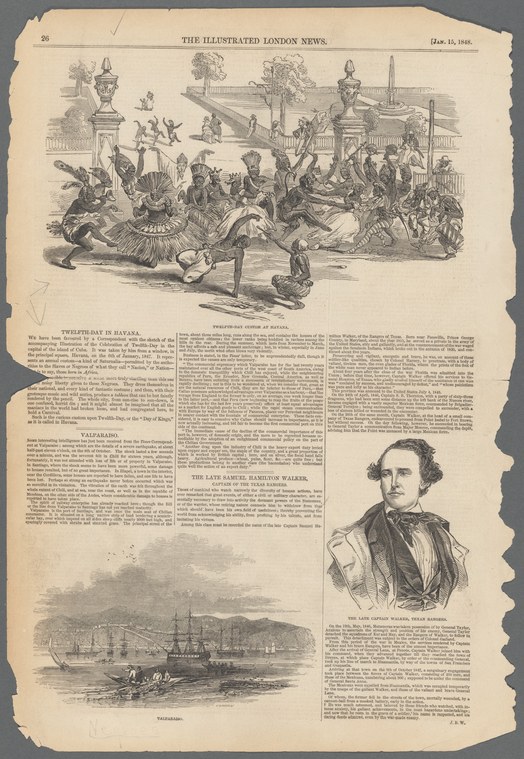
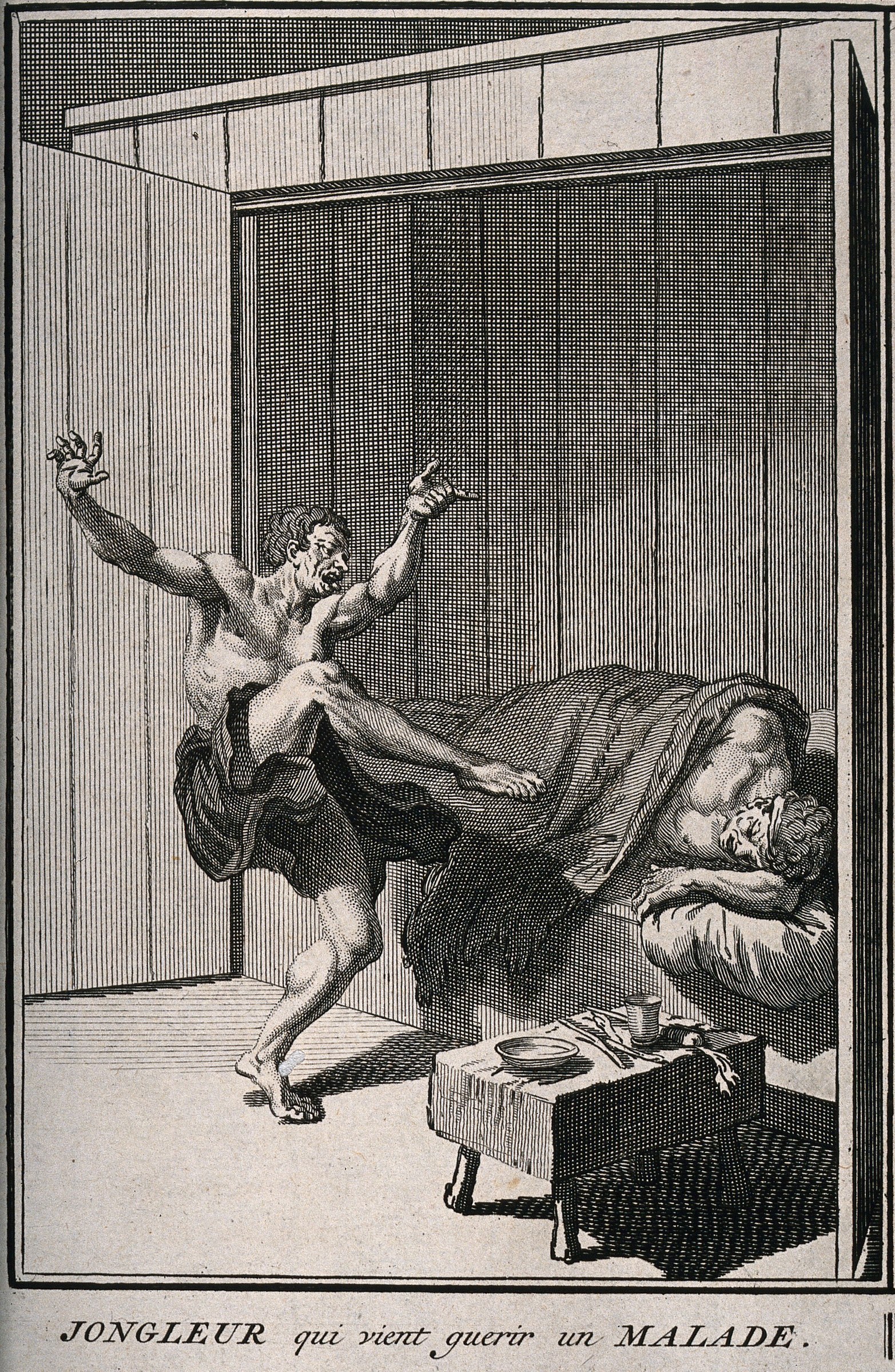
Browse the gallery →Works our catalogue identifies as depicting tumbling for dance.
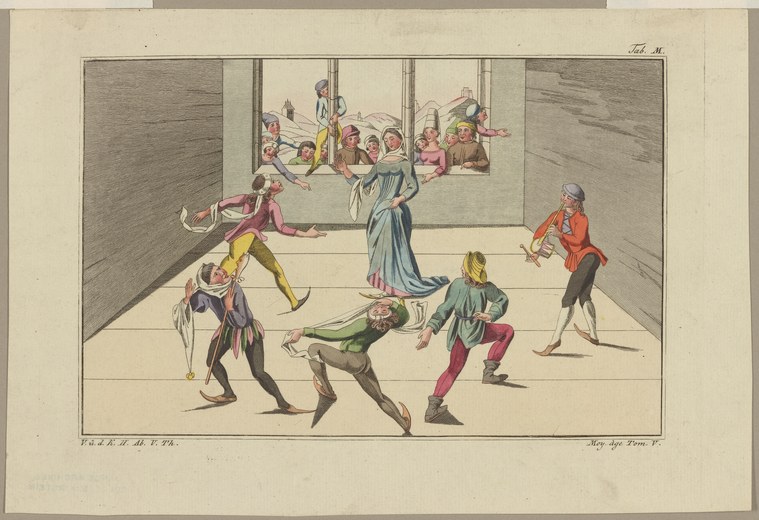
Middle Ages
Unknown artist
Public Domain
Continue Exploring
Lineage of Dance
500 years of dance evolution
Champions of Dance
Winners of marquee national & world titles
Language of Dance
161 dance terms & translations
Listening of Dance
Tempo, timing & musicality tools
Gallery of Dance
5,700+ artworks from museum collections
Attire of Dance
Evolution of dance dress across eras
Keep the thread going
Dance history, technique, and the occasional rabbit hole — in your inbox. Thoughtful, infrequent, unsubscribe anytime.
Free. No spam. One click to leave.