Acro & Dance Acrobatics
Acro & Dance Acrobatics covers acrobatic vocabulary as it is used inside dance: the studio class category, the competition division, and the stage traditions behind them. It spans acro dance, dancer-specific tumbling, partner adagio, contortion performance and AcroYoga. Artistic gymnastics sits outside this family.
5 dance styles in this genre
Historical Origins
Acrobatic feats predate organised gymnastics by millennia, appearing in Chinese acrobatics from the Western Zhou period, in Indian mallakhamba documented in the 1135 CE Manasollasa, and in Mongolian uran nugaralt. The dance-side family, however, dates from the early 1900s, when vaudeville performers in the United States and Canada made it popular to combine dance and acrobatic movement. Sherman Coates was recalled by peers as the first acrobatic dancer they had seen; Lulu Coates founded the Crackerjacks in 1914; adagio pairs became a Jazz Age craze in the 1920s. The decisive later change was the adoption of ballet technique as the movement base, which gave the tricks dance line and turned acrobatic novelty into a codified studio genre.
Cultural Significance
These styles carry the acrobatic body into contexts where it is read as dance rather than sport. In the competitive studio world acro is now a standard category alongside jazz and lyrical, and certification bodies founded since 2012 have made it one of the fastest-institutionalising class offerings, with Acrobatic Arts alone reporting certified teachers in over 40 countries. In Mongolia contortion is treated as a national art with a state-circus lineage and an ongoing heritage-recognition campaign. AcroYoga built a global lay community around partner flying rather than performance. Across all of them the shared value is that a trick must serve choreography, not interrupt it.
Musical Characteristics
Acro competition routines are typically set to lyrical, contemporary and pop scores in common time, with tricks landed on musical accents rather than counted out as gymnastic passes. Adagio takes its name from the tempo marking: slow, sustained, often rubato cabaret arrangements in 3/4 or broad 4/4 that let a balance be held. Contortion acts favour ametric or slowly unfolding scores, frequently Mongolian traditional instrumentation or ambient composition, so that a shape can be revealed over a long phrase. Tumbling passes are effectively tempo-independent, placed where the phrase leaves a runway. AcroYoga jams often run to ambient music or none at all.
Core Movement Principles
The organising principle is dance-first: the acrobatic element is entered and exited through choreographed transitions, and the surrounding movement must read as dancing. Syllabus training divides the vocabulary into flexibility, strength, balancing, limbering and tumbling, taught as graded progressions with explicit spotting protocols. Because dancers perform on hard, unsprung stages rather than rod or spring floors, skill selection and landing mechanics differ materially from gymnastics. Partner work is organised around base, flyer and spotter roles, with counterbalance and stacked-joint alignment doing the work rather than raw strength. Contortion adds active-range training, so that end-range shapes are held by stabilising musculature rather than passive laxity.
Modern Usage
Acro is a standard weekly studio class and a distinct adjudicated competition category, with rules that define a trick by inversion and that separate acro from open and gymnastics divisions. Dancer-specific tumbling is sold as a supporting class. Adagio and acrobalance survive in contemporary circus, physical theatre and commercial partnering; Cirque du Soleil is a common professional destination, and has hired dozens of Mongolian contortionists since 1994. AcroYoga runs as a recreational and teacher-training practice rather than a stage form. The boundary is worth stating plainly: artistic gymnastics and collegiate acrobatics and tumbling are sports judged on execution codes, not dance, and are excluded here.
Dance Styles
Acro Dance (Competitive)
Also known as: Acro, Acrobatic Dance, AcroDance, Acro/Gym
The studio and competition category in which dancers perform acrobatic tricks inside danced choreography, with ballet-based technique supplying the line between and through each skill.
Tumbling for Dance
Also known as: Dance Tumbling, Acro Tumbling, Floor Pass Training
The travelling floor-pass vocabulary of round-offs, handsprings, walkovers and aerials, trained specifically for dancers who must land it on a hard, unsprung stage.
Partner Acrobatics (Adagio)
Also known as: Adagio, Acrobalance, Hand-to-Hand, Adagio Dancing, Partner Acro
The lift-and-balance discipline in which a base supports a flyer through sustained poses and slow transitions, named for the musical tempo that makes control legible.
Contortion & Extreme Flexibility Performance
Also known as: Uran Nugaralt, Mongolian Contortion, Bendy Work, Extreme Flexibility Act
The performance discipline of choreographed extreme range of motion, whose modern stage lineage runs through the Mongolian tradition of uran nugaralt and the state circus school.
AcroYoga
Also known as: Acro Yoga, Partner Yoga Acrobatics, ContactAcro
A partner practice combining acrobatics, yoga and therapeutic flying, developed in two parallel lineages that both date themselves to 2003 and dispute nothing so much as priority.
Legends of Acro & Dance Acrobatics
Dancers, choreographers and teachers whose work shaped the styles in this genre.
Acro & Dance Acrobatics on screen
Films and television where acro & dance acrobatics appears, with the sequences worth watching for.
 Feel the Beat (2020)2 sequences indexedBarn rehearsal for the Star Lift · chor. Mia MichaelsNew Hope Nationals group production · chor. Mia MichaelsAcroYoga: The Power of Play (2018)1 sequence indexedVancouver AcroYoga community portrait
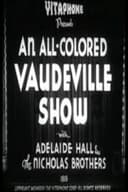 An All-Colored Vaudeville Show (1935)1 sequence indexedThe 3 Whippets tumbling act
 The Masked Dancer (2020–present)1 sequence indexedRepresentative anchor — Cotton Candy / Glitter in the Air
Poster artwork from TMDB.
 This site uses TMDB and the TMDB APIs but is not endorsed, certified, or otherwise approved by TMDB.
Acro & Dance Acrobatics FAQs
Acro & Dance Acrobatics in art
Browse the gallery →Works our catalogue identifies as depicting acro & dance acrobatics.
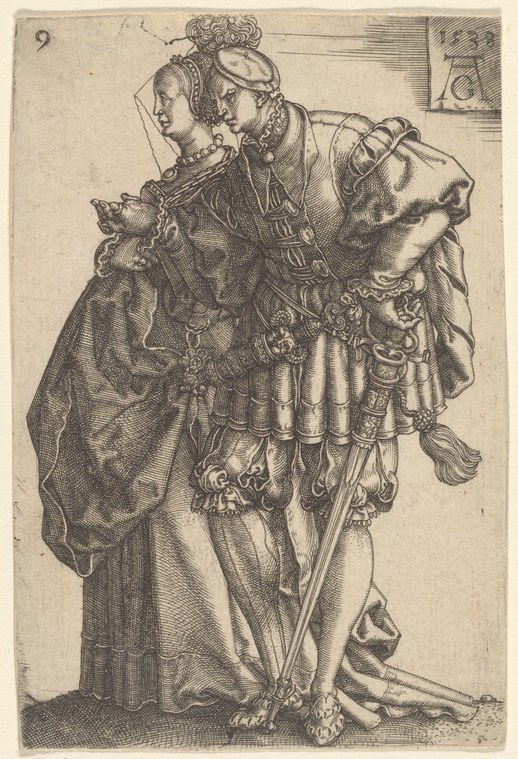
Dancing Couple
Unknown artist · 2015
public_domain
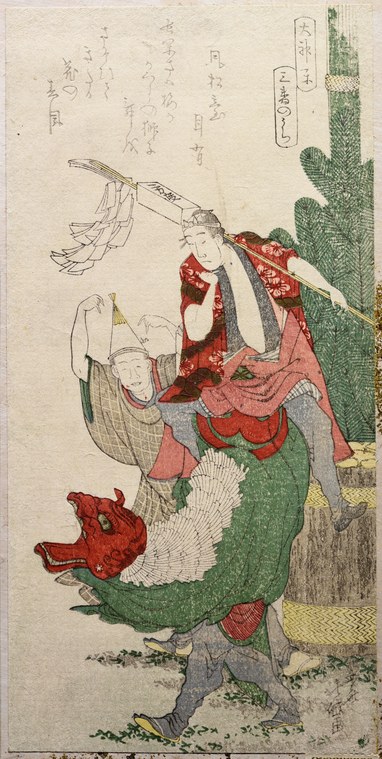
The Daikagura dance
Unknown artist · 2019
public_domain
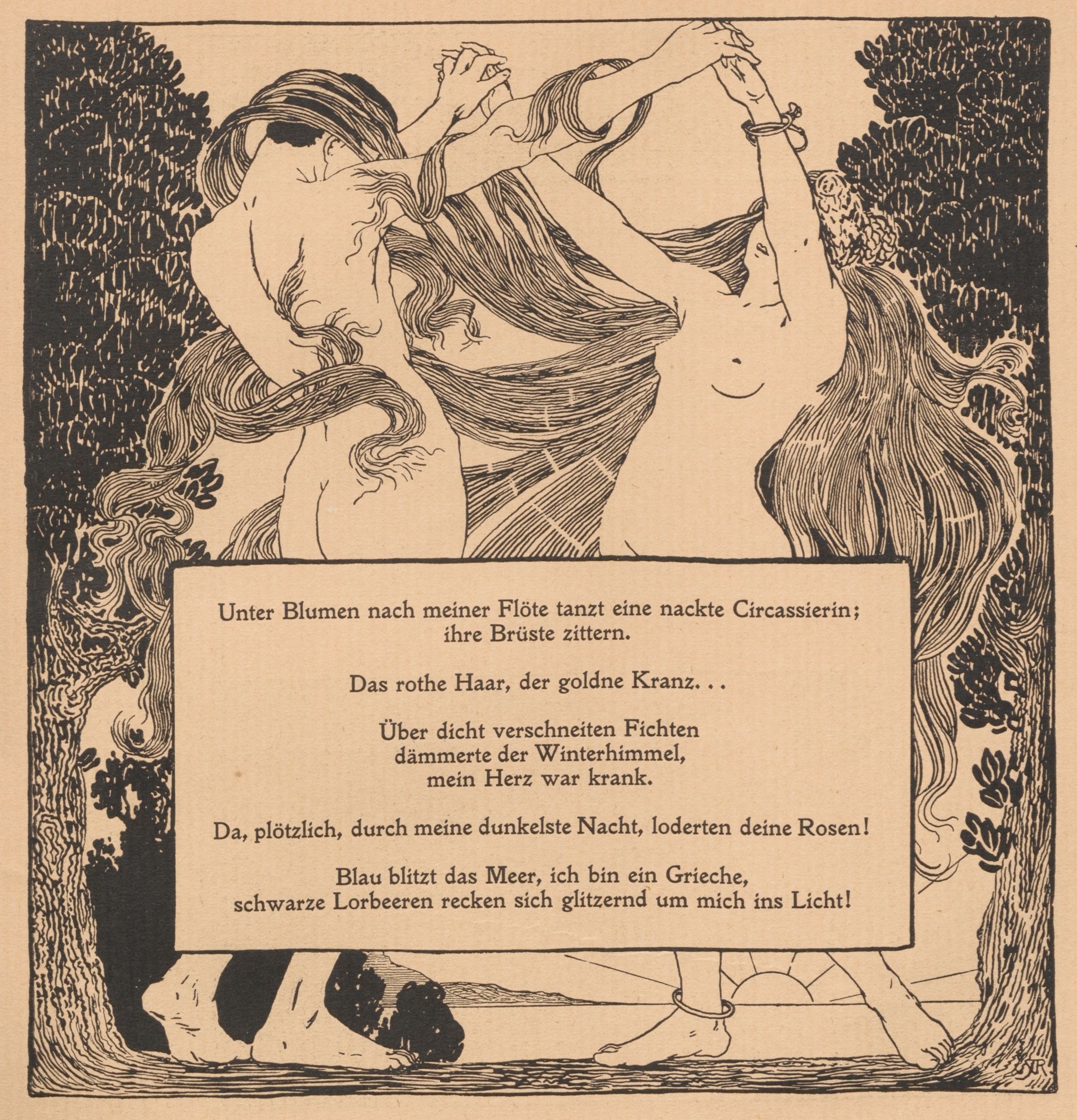
Unter Blumen
Alfred Roller · 1898
Public Domain
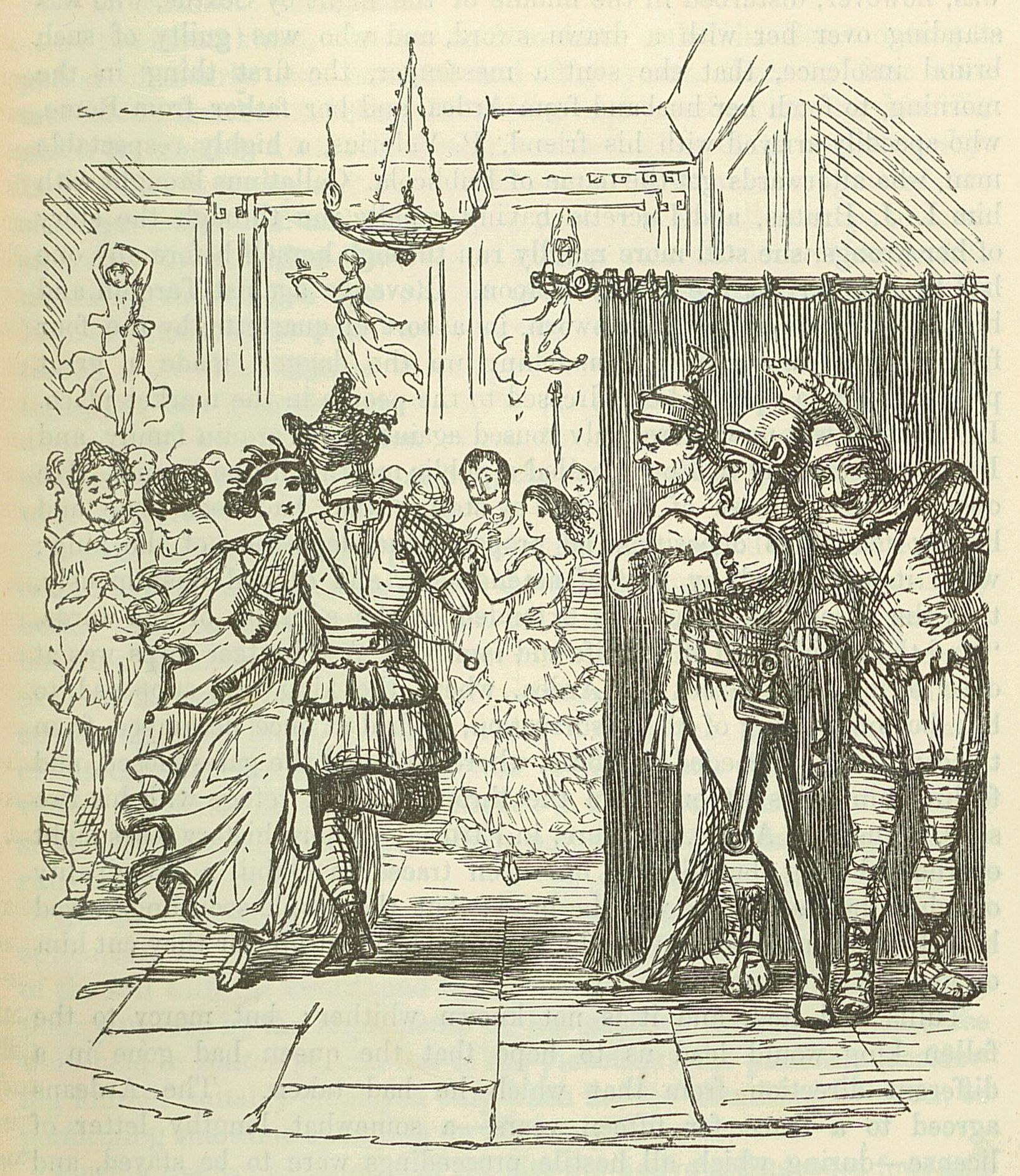
Comic History of Rome p 039 Mrs Sextus consoles herself with a Little Party
John Leech · 1850
Public Domain
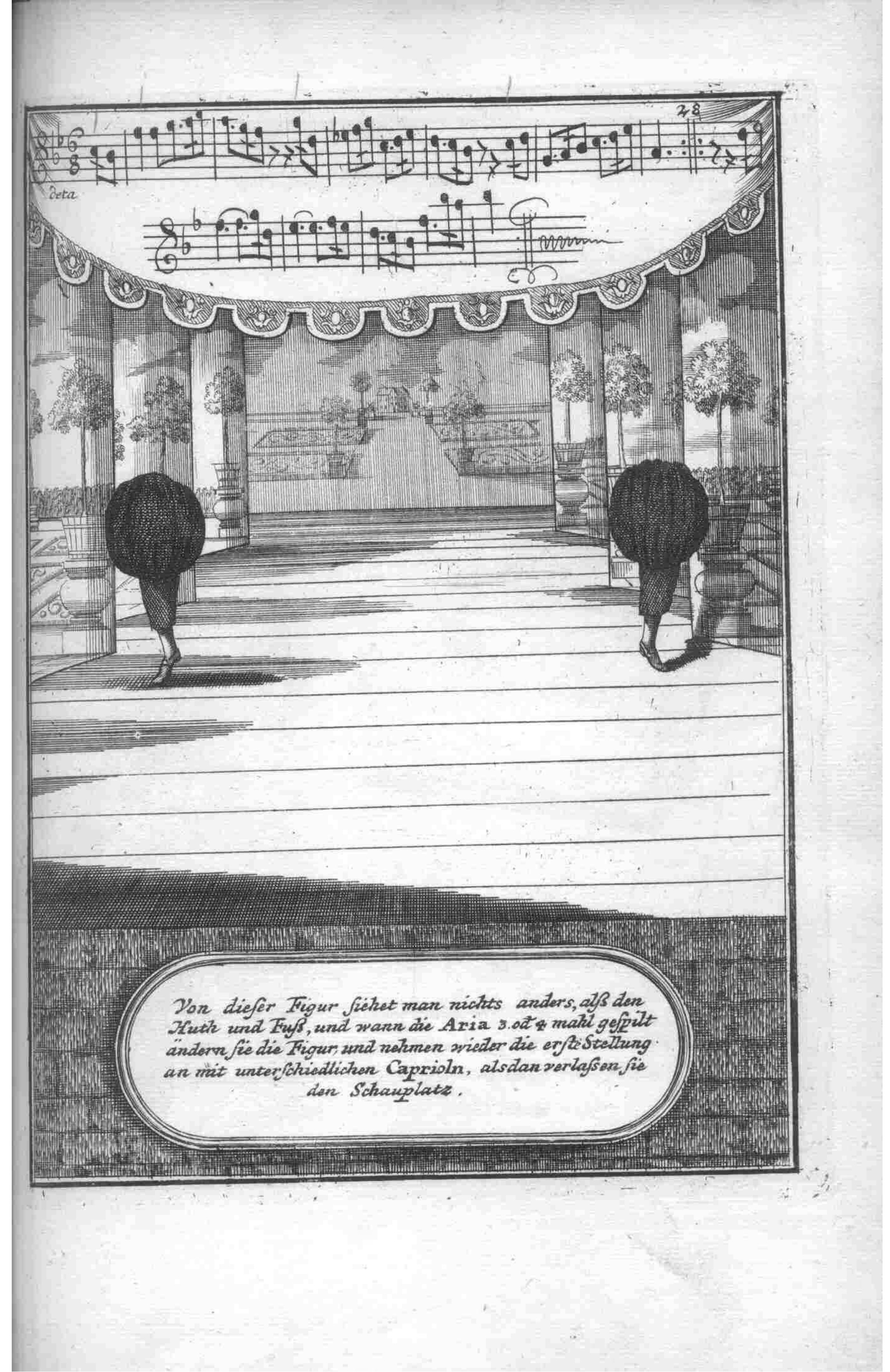
Acrobatic — Plate 27
Gregorio Lambranzi
Public Domain
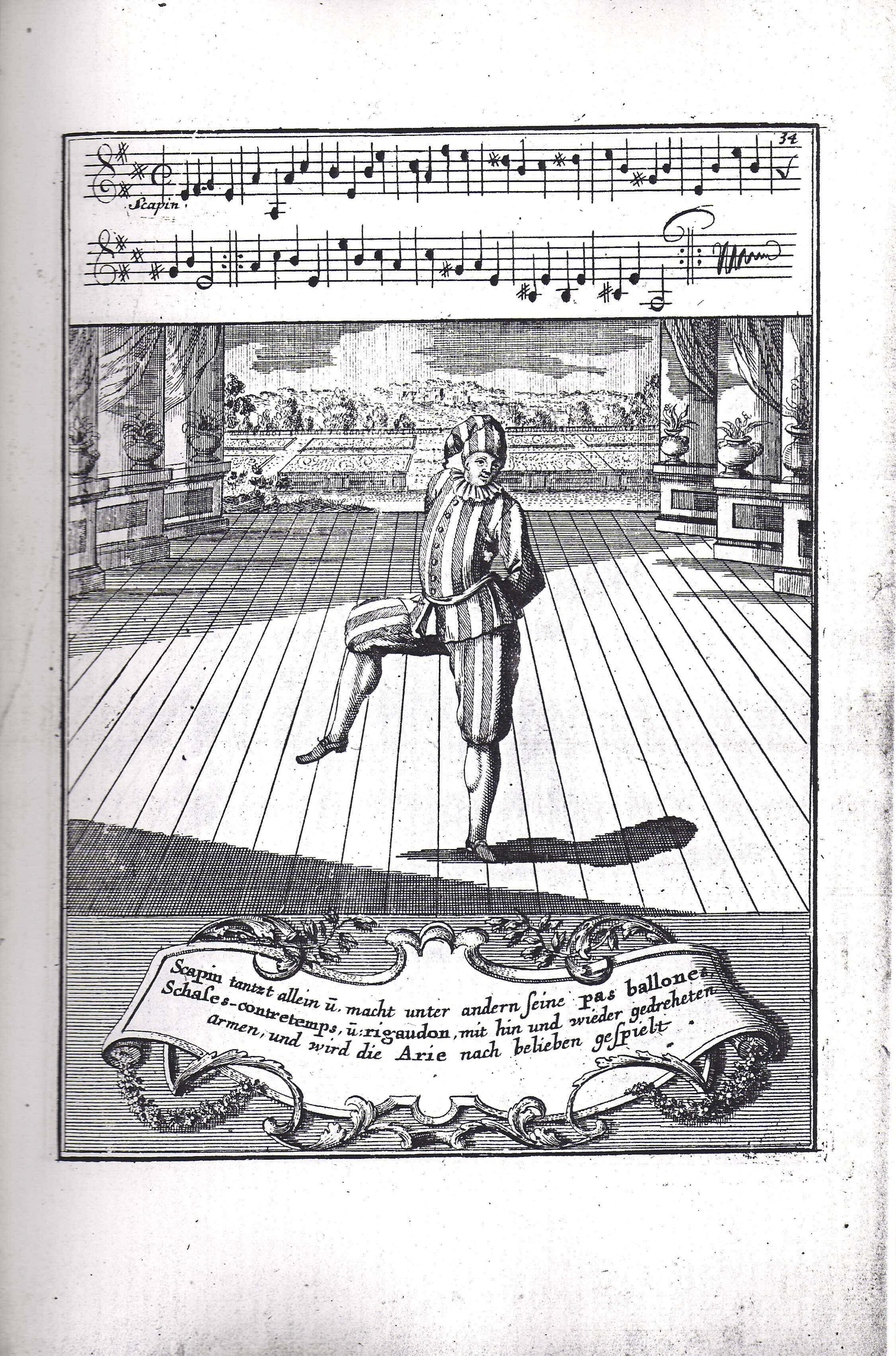
Acrobatic — Plate 33
Gregorio Lambranzi
Public Domain
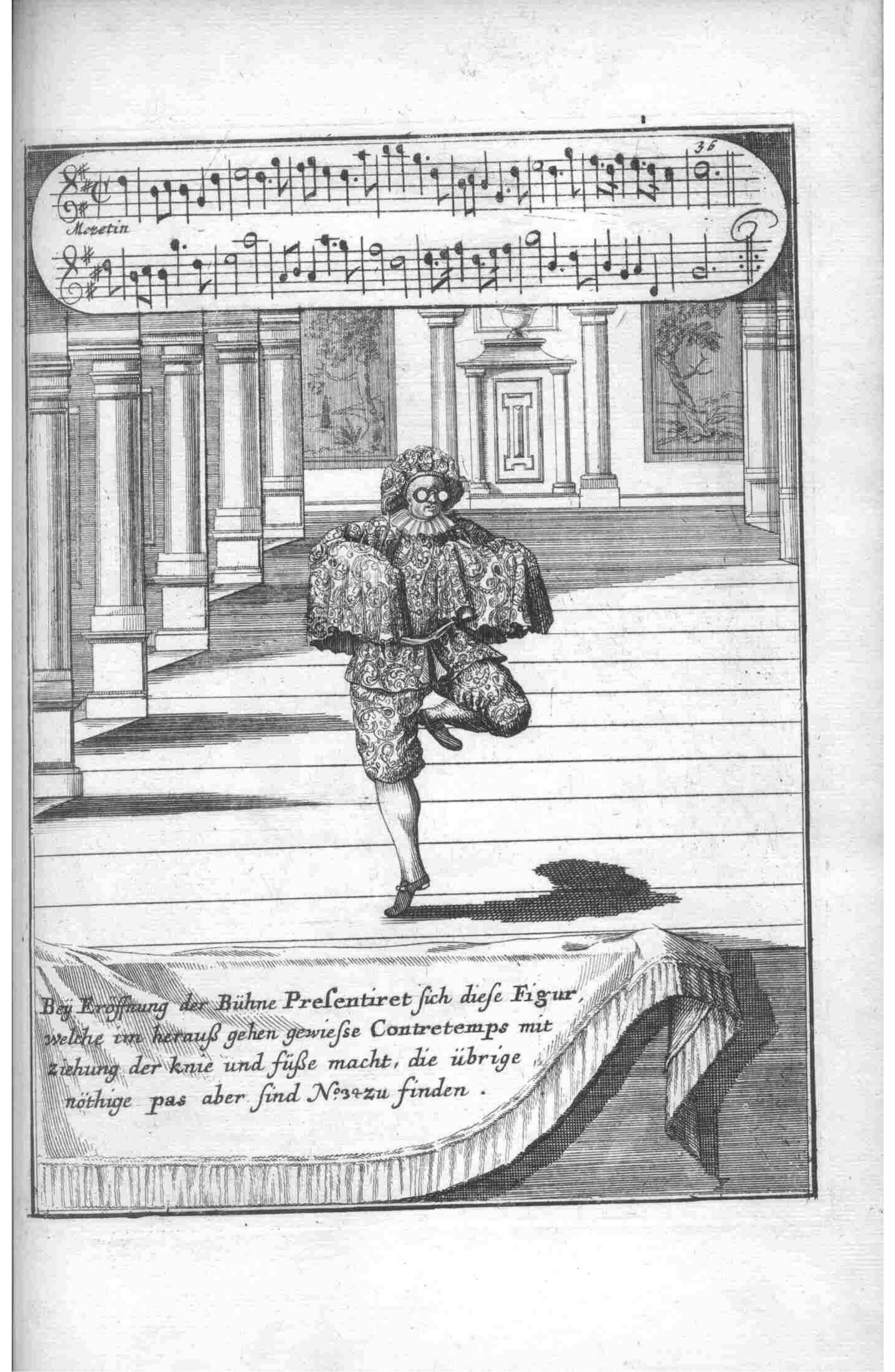
Acrobatic — Plate 35
Gregorio Lambranzi
Public Domain
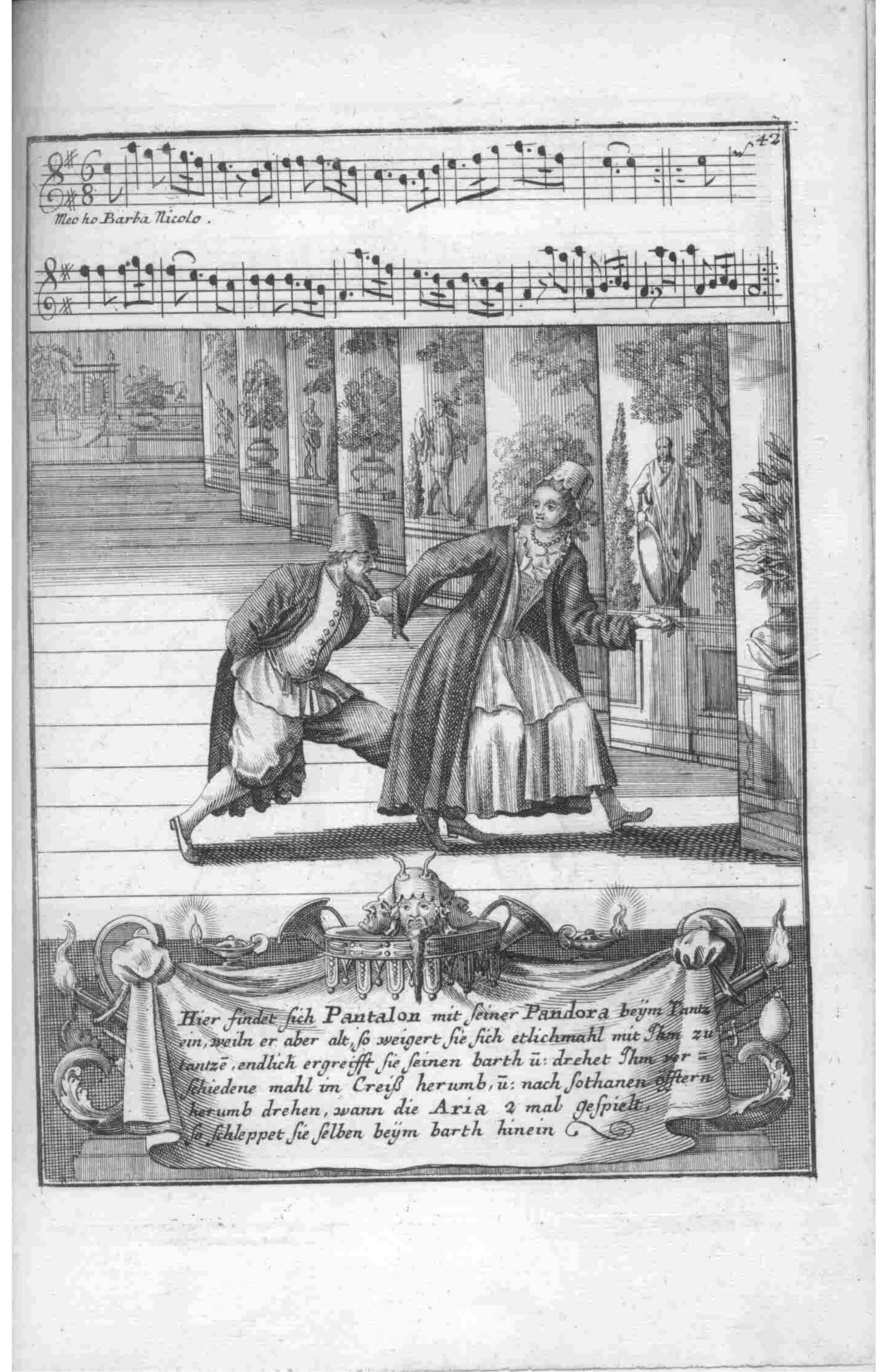
Acrobatic — Plate 41
Gregorio Lambranzi
Public Domain
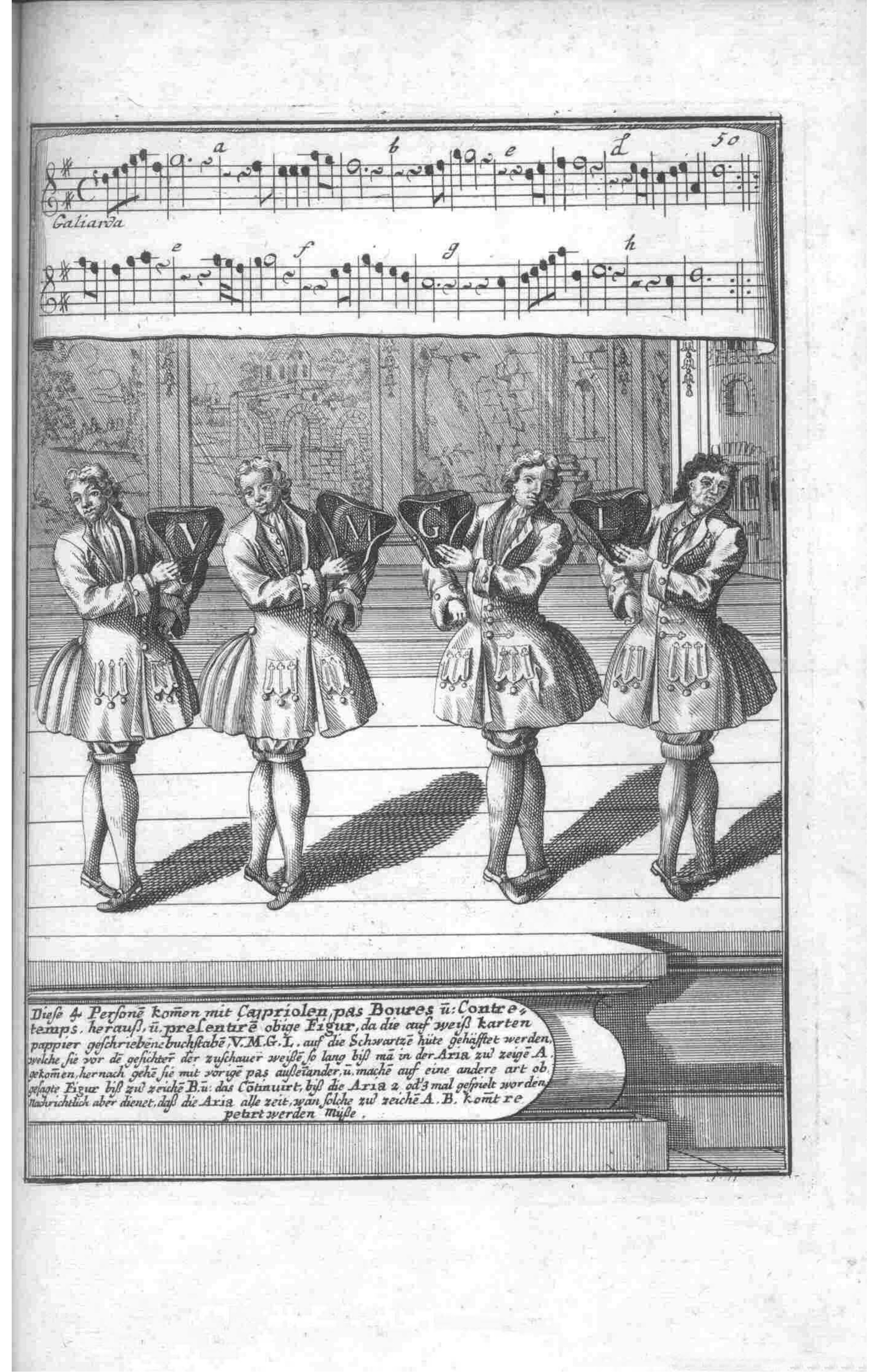
Acrobatic — Plate 49
Gregorio Lambranzi
Public Domain