Contortion & Extreme Flexibility Performance
Also known as: Uran Nugaralt, Mongolian Contortion, Bendy Work, Extreme Flexibility Act
History & Cultural Context
Contortion is the staging of extreme, choreographed range of motion as a performance art rather than a display of oddity. Its most influential living lineage is Mongolian: the tradition is called uran nugaralt, meaning artistic bending, and advocates connect it to the deep kneeling backbends of the folk dance Biyelgee. The modern institutional line begins with the Mongolian State Circus, established in 1941, where Tsend-ayush is regarded as the first official contortionist and the founder of Mongolia's first contortion school. Majigsuren, the second, enriched the art with strength and balancing work, and Norovsambuu, who joined the circus at the age of nine in 1958, became the tradition's senior figure and in 2011 headed a steering committee seeking UNESCO recognition for it. That recognition has not been granted: contortion does not appear on Mongolia's UNESCO inscriptions, although Mongol Biyelgee was placed on the Urgent Safeguarding List in 2009. Chinese acrobatic contortion is a separate and older stream, traceable to the Western Zhou period. Since 1994 dozens of Mongolian artists have joined Cirque du Soleil, most of them as contortionists, and it is largely through contemporary circus that the vocabulary has re-entered concert and commercial dance.
Cultural Significance
In Mongolia contortion is framed as a choreographed art showing the beauty of the human body, explicitly not as sideshow, and it carries national-heritage weight; teaching passes through state-circus lineage and through diaspora apprenticeships such as the Virginia Folklife Apprenticeship Program. Inside Western dance it usually arrives secondhand, as an aesthetic borrowed through contemporary circus.
Characteristic Movement & Technique
Frontbending and backbending repertoire, including chest stands, elbow stands, oversplits beyond 180 degrees, needle scales, leg-behind-head positions and hand balancing on blocks or canes. Performers are usually classed as frontbenders or backbenders, and few excel equally at both.
Partnering Dynamics
Predominantly solo, though duo and trio contortion built on stacked balances is standard in circus, and a base-and-flyer structure borrowed from adagio is used when shapes are performed off the floor. In training a coach physically assists end-range positions, which makes coach competence a safety issue.
Competitive Context
Contortion has no dance-competition category of its own. Its skills appear inside acro routines, where competition rules such as Showstopper's explicitly allow flexibility and contortionist moves within the acrobatic dance category, and professionally the competitive arena is circus casting rather than adjudication.
Regional Variations
The Mongolian school emphasises backbending, early start ages typically before eight, and a state-circus pedagogy; the Chinese acrobatic tradition integrates contortion with hand balancing and prop work; Western circus schools and studio flexibility programmes teach a diluted version aimed at range gains rather than repertoire.
Common Misconceptions
The belief that contortionists inevitably suffer long-term injury is a misconception; trained performers develop strong stabilising musculature, and one 2008 study of five contortionists was too small to generalise from. Conversely, hypermobility conditions such as Ehlers-Danlos syndrome increase range but also raise injury risk, so laxity is not the same as trained flexibility. Contortion is also not the same as gymnastics flexibility work, and Mongolian contortion is not UNESCO-inscribed despite frequent claims otherwise.
Signature Figures
- Tsend-ayush
- Majigsuren
- Norovsambuu
- Mandkhai Erdembat
Notable Codifiers
- Mongolian State Circus (established 1941)
Contortion & Extreme Flexibility Performance Music & Tempo
Drawn from 15 Contortion & Extreme Flexibility Performance tracks in the LODance music library.
Example tracks at practice tempo
- Taruka — Cirque du Soleil83 BPM
- Méandres — Cirque du Soleil85 BPM
- Svecounia — Cirque du Soleil
- The Sight of River Kherlen — Norovbanzad
- Broad Steppe — Norovbanzad
- Misty Crest of a Mountain Ridge — Norovbanzad
Who governs Contortion & Extreme Flexibility Performance
Federations, councils and examining bodies with a recorded role in this style. No single organisation can tell you this — each one knows only itself.
Contortion & Extreme Flexibility Performance in performance
6 staged works in the Limelight catalogue contain Contortion & Extreme Flexibility Performance, 1990–2023 — 4 of them in a named act or number.
- Zumanity2003Cirque · defining styleWater Bowl
Water Bowl act — Two contortionists move through water into an extended sequence of extreme backbend and hyperflexible poses forming the act's central imagery. Source: "Fluidly they glide through the water striking a sensual array of inconceivable poses to…
- CirqueContortion
Contortion act, performed to 'Meandres' — Four women twist and bend into unbelievable positions on a suspended platform, a solo-ensemble display of extreme flexibility and backbending characteristic of contortion performance. Source: "Four women, clad in pi…
- Saltimbanco1992CirqueBalancing on canes
the Balancing on canes act — A handbalancer sustains contortion poses, including the Marinelli bend, while balanced in handstand on raised supports. Source: "A handbalance artist performed feats of strength and various contortion poses, including the Marine…
- Echo2023CirqueContortion
Acts in Rotation — the act named 'Contortion' — A named contortion act rotated into the programme; the discipline centres on extreme spinal flexibility and shape work, though the article gives no further description beyond the act's name. Source: "Dance Tra…
- Koozå2007Cirque · defining style
The "Contortion" act in the core programme, and "Solo/Duo Contortion" among the acts in rotation — A solo or duo contortion act, implying extreme spinal flexibility, backbends and extreme-range positions typical of the discipline, performed as a recurring f…
- La Nouba1998Cirque
Le Titan (recurring character) — The strongman character confronts other performers on stage while contorting his body into unusual poses throughout the show. Source: "confronts everyone on stage while contorting his body in unusual poses"
Every claim above is quoted from a cited source and names where in the work the style appears. Claims we could not place or could not quote are held back from this list and shown on the work’s own page instead. Browse the full performance catalogue →
What to Wear
Attire guidance for Contortion & Extreme Flexibility Performance and other Acro & Dance Acrobatics dances. Each card below is sized to the moment — class, practice, social, or competition — because the wardrobe shifts as the stakes do.
Reading the cards
In Class
Form-fitting clothing is a safety requirement: a leotard with fitted shorts, or a fitted top tucked into leggings, so nothing falls over your face when you invert and so a spotter can see your alignment and grab a specific place on your body. Train barefoot — jazz shoes, half-soles and sneakers all reduce the friction you need to hold a handstand or a landing, and are a genuine slipping hazard. Hair goes in a secure bun or braid rather than a swinging ponytail. Remove every piece of jewellery: rings, studs, watches and necklaces injure both you and whoever is spotting you.
Social Dancing
There is no social version of acro; the analogous setting is open gym or supervised practice time, and the same clothing rules apply because the risk is the same. Two additional norms matter more than anything you wear: don't train new inversions or aerial skills without a qualified spotter and a mat, and know the surface — a tumbling pass that works on a sprung floor is a different proposition on marley laid over concrete. Chalk-free hands and short nails make partner work safer for both people.
Competition
Studio competition circuits score Acro as its own category, usually with a level-by-level list of permitted skills, and costume rules follow from the physics: straps must be secured, nothing loose can hang from the hips or shoulders, fringe and dangling appliqués are hazards, and the jewellery ban is enforced. Anything worn must stay in place fully inverted — test the costume upside down before the event, not at the venue. Check the specific competition's rulebook, since permitted skills and mat provision vary by organiser.
Shoes
Bare feet, and this is a safety requirement rather than an aesthetic one: jazz shoes, half-soles, socks and sneakers all reduce the friction you need to hold a handstand or stick a landing, and they slip at exactly the wrong moment. Foot undeez or dance paws are the common exception, worn during turning sequences to prevent floor burn, and only where the teacher permits them. Keep toenails short. Always check the surface before tumbling — marley laid over concrete is a completely different landing from a sprung floor, and the pass you trained may not be safe on it.
In Practice
Conditioning and skill work call for the same fitted, tuck-free clothing as class, because a spotter has to see your line and take a specific grip on your ribs, hips or thighs — a loose top makes both impossible. Wrist supports help when handstand volume is high, and a folding mat is worth having for home conditioning. The equipment that actually keeps you safe is the mat and the spotter, not anything you wear: never drill a new inversion or aerial alone.
Common Pitfalls
- ✗Keeping jewellery on — rings, studs and watches injure both you and the person spotting you, and can be torn out.
- ✗A loose t-shirt that falls over your face the moment you invert.
- ✗Jazz shoes, half-soles or socks instead of bare feet; all three slip on the exact skills where slipping is dangerous.
- ✗A swinging ponytail instead of a secure bun or braid, which whips into the face and can be landed on in partner work.
- ✗Training new skills without a spotter and a mat, on an unfamiliar or unsprung floor.
Price Range
- Budget: A leotard and fitted shorts, roughly $30–60 total. Bare feet are free, and that covers everything a beginner needs.
- Mid: Foot undeez $15–30, a folding practice mat roughly $80–200, wrist supports $20–40.
- Premium: Competition costumes constructed to stay put fully inverted, a home air track or crash mat in the several-hundred-dollar range, and private coaching — which is where the real money goes, and correctly so.
Key Terms
- Spotting
- A trained person physically supporting a skill. They need to see your alignment and grab a specific point, which is why fitted clothing is a safety rule.
- Base and flyer
- The two roles in partner acro and adagio — the base supports, the flyer is supported. Both wear fitted clothing; the flyer removes every piece of jewellery.
- Foot undeez
- Small suede or canvas pads covering the ball of the foot, worn for turns to prevent floor burn while leaving the heel bare.
- Inversion
- Any skill with the head below the hips. The reason loose tops are banned — fabric falls over your face at the moment you most need to see.
- Sprung floor
- Floor built with give to absorb landing force. Marley over concrete has none, and tumbling passes should be scaled accordingly.
Quick Tips
- •Suede-soled shoes allow controlled sliding and pivoting — essential for most partner dances.
- •Avoid rubber soles on dance floors; they grip too much and can cause knee injuries.
- •Bring a separate pair of clean shoes for the dance floor to keep it in good condition.
Sources & Further Reading
Cultural & Historical Context
Contortion & Extreme Flexibility Performance emerged from Mongolia, with parallel Chinese acrobatic contortion traditions during 1941—present day. Understanding the cultural roots, musical traditions, and social circumstances of this era enriches appreciation for the dance's characteristics and significance.
Formative Influences
Codifiers & Standardizers:
Mongolian State Circus (established 1941)
Signature Movement Vocabulary:
Tsend-ayush, Majigsuren, Norovsambuu, Mandkhai Erdembat
Primary Source Documents
The Library of Dance contains public-domain primary sources for dance history. Copyrighted modern syllabi are indexed with purchase links to their respective copyright owners. Search by dance name or codifier to discover primary source documents.
Last reviewed: September 2026 — This dance profile synthesizes historical research, cultural documentation, and contemporary practice knowledge to provide authoritative context.
More in Acro & Dance Acrobatics
Acro Dance (Competitive)
The studio and competition category in which dancers perform acrobatic tricks inside danced choreography, with ballet-based technique supplying the line between and through each skill.
Tumbling for Dance
The travelling floor-pass vocabulary of round-offs, handsprings, walkovers and aerials, trained specifically for dancers who must land it on a hard, unsprung stage.
Partner Acrobatics (Adagio)
The lift-and-balance discipline in which a base supports a flyer through sustained poses and slow transitions, named for the musical tempo that makes control legible.
AcroYoga
A partner practice combining acrobatics, yoga and therapeutic flying, developed in two parallel lineages that both date themselves to 2003 and dispute nothing so much as priority.
Contortion & Extreme Flexibility Performance in art
Browse the gallery →Works our catalogue identifies as depicting contortion & extreme flexibility performance.
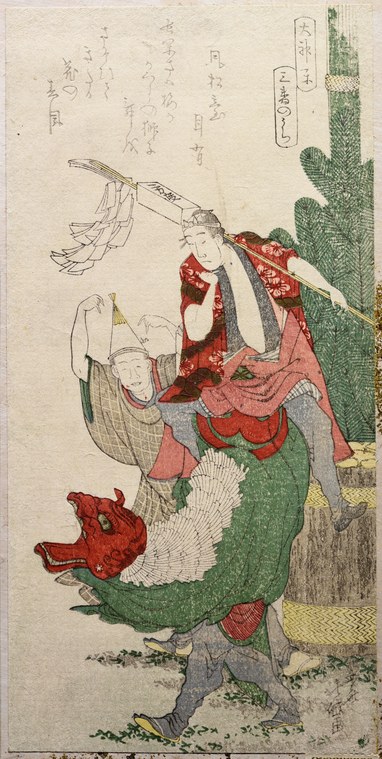
The Daikagura dance
Unknown artist · 2019
public_domain
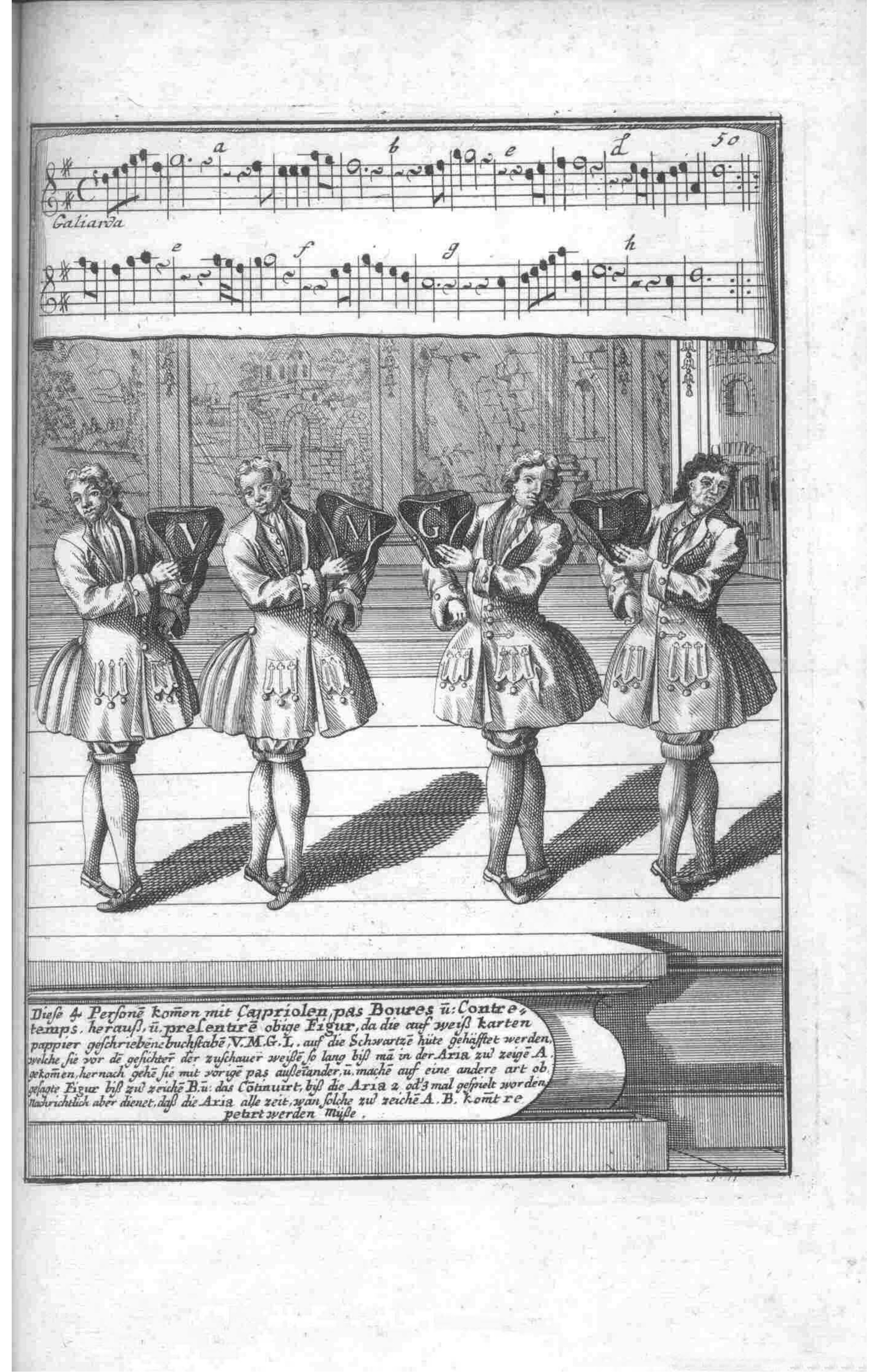
Acrobatic — Plate 49
Gregorio Lambranzi
Public Domain
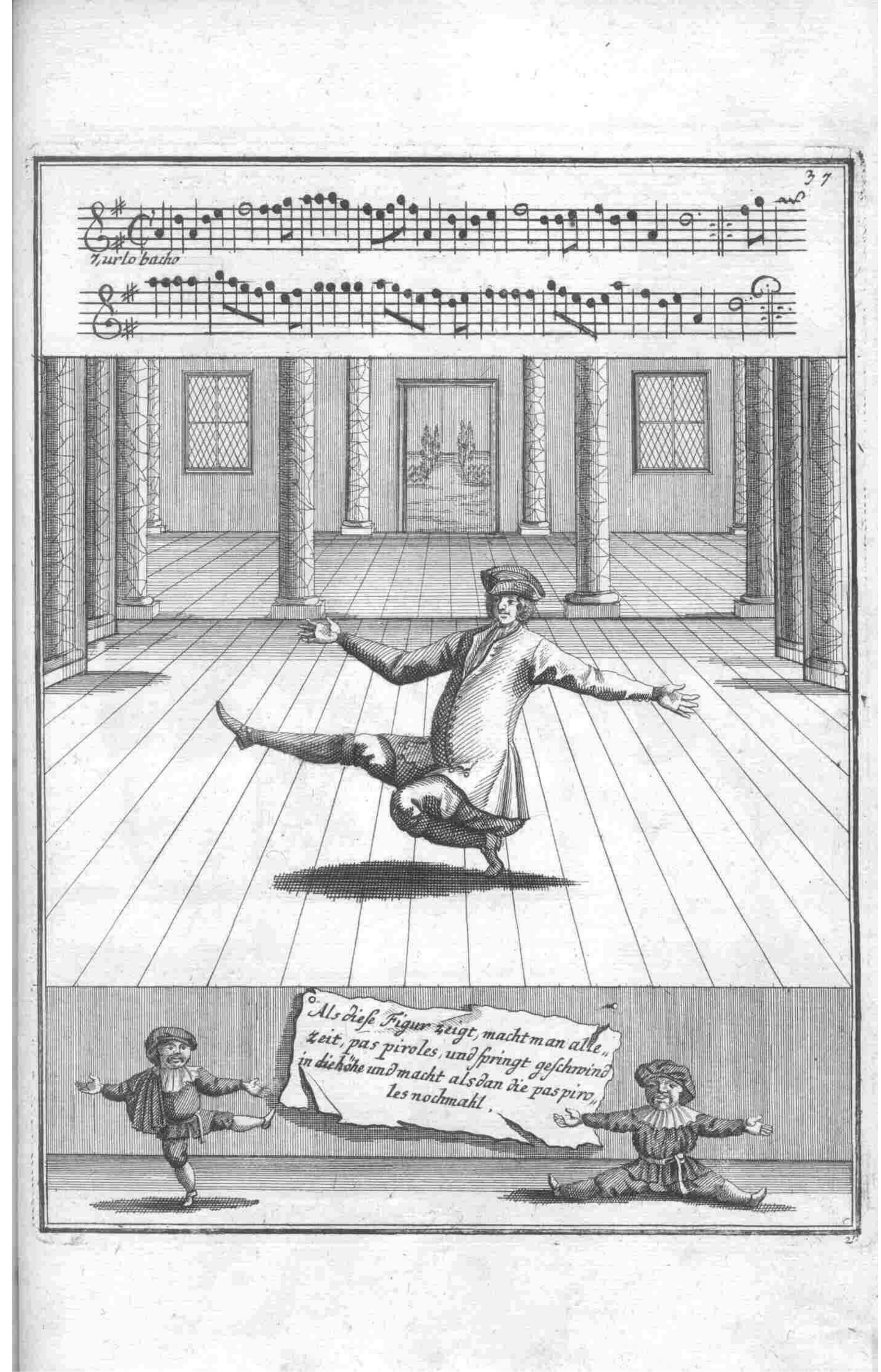
Acrobatic — Plate 87
Gregorio Lambranzi
Public Domain
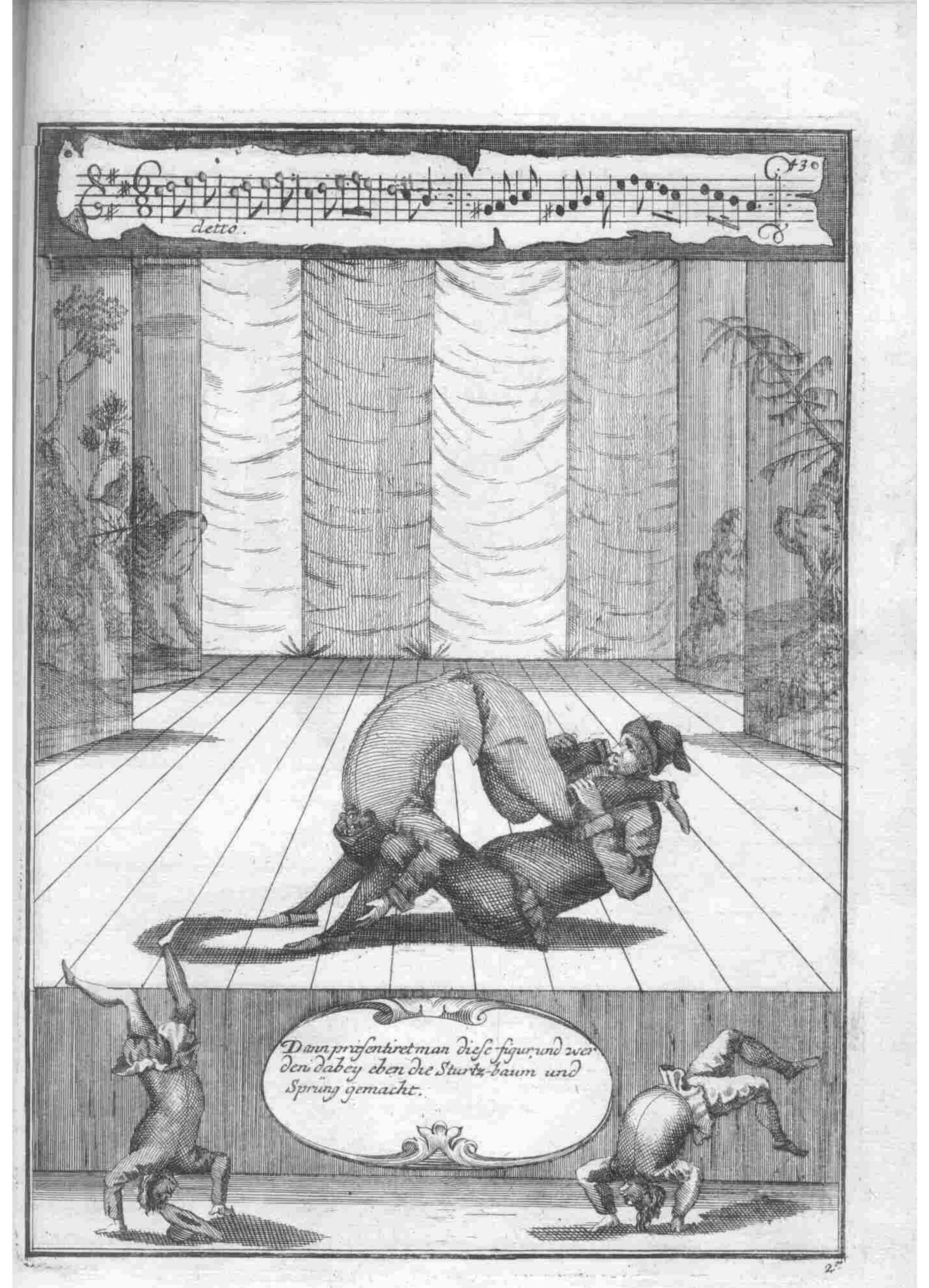
Acrobatic — Plate 93
Gregorio Lambranzi
Public Domain
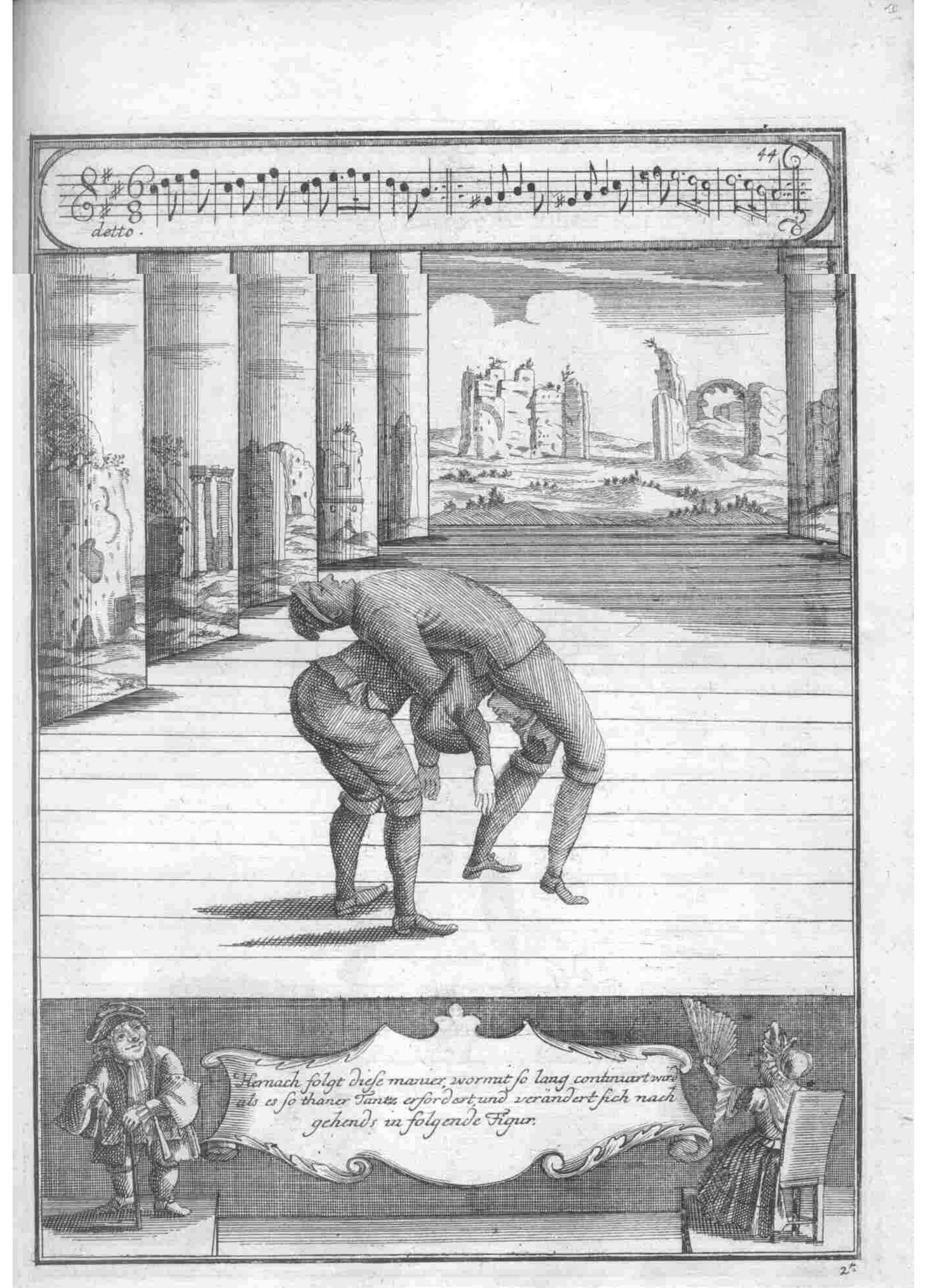
Acrobatic — Plate 94
Gregorio Lambranzi
Public Domain
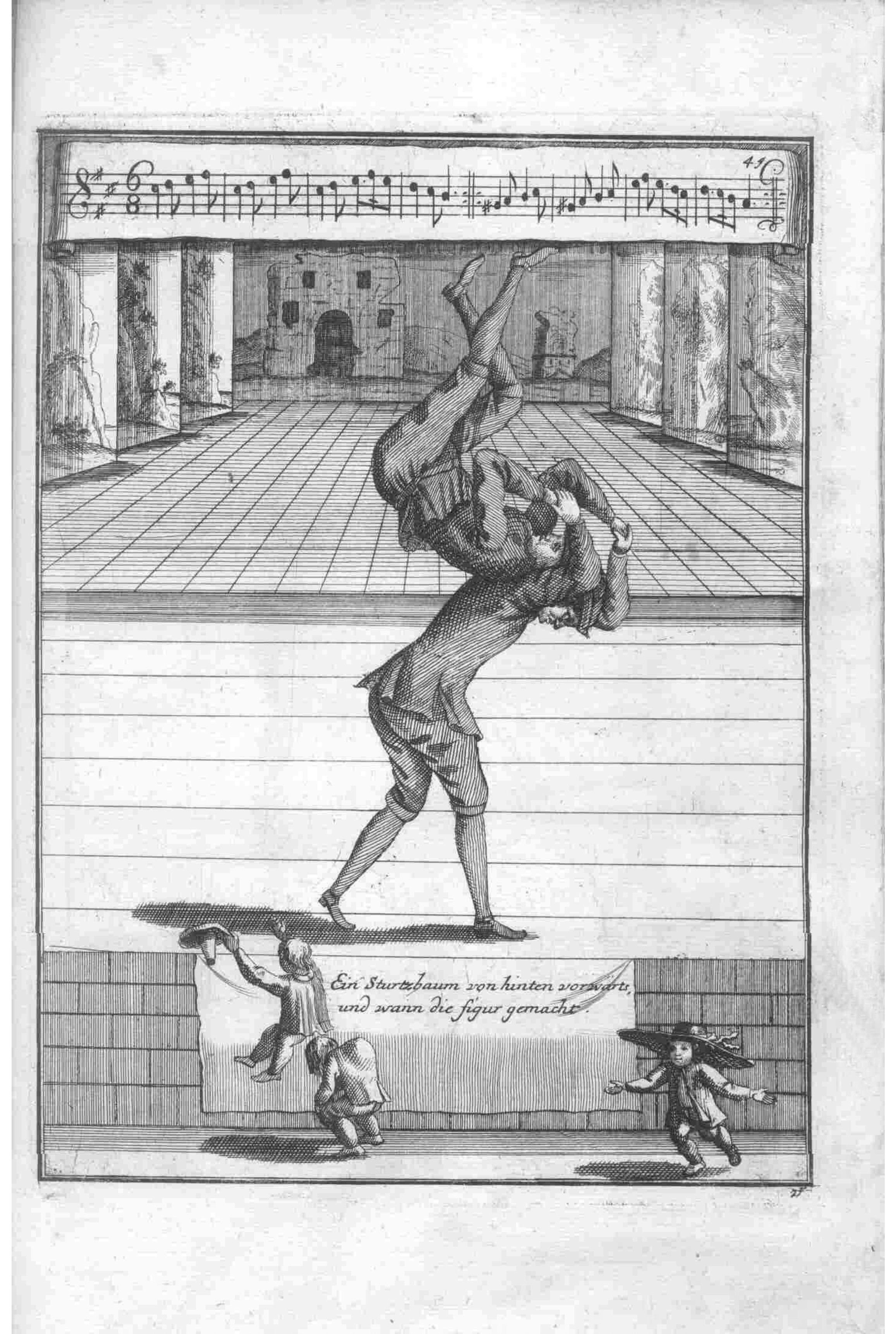
Grotesque — Plate 95
Gregorio Lambranzi
Public Domain
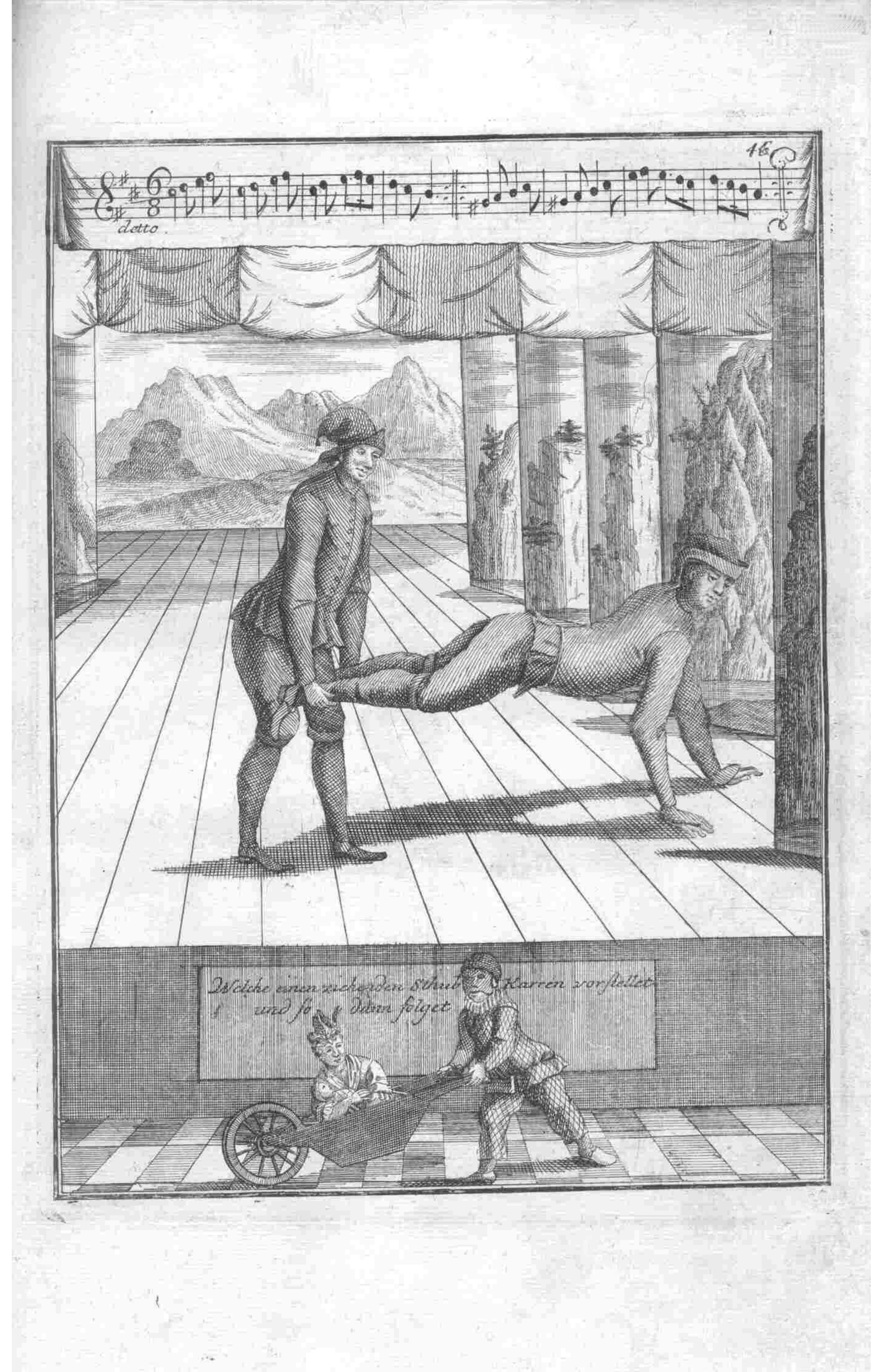
Acrobatic — Plate 96
Gregorio Lambranzi
Public Domain
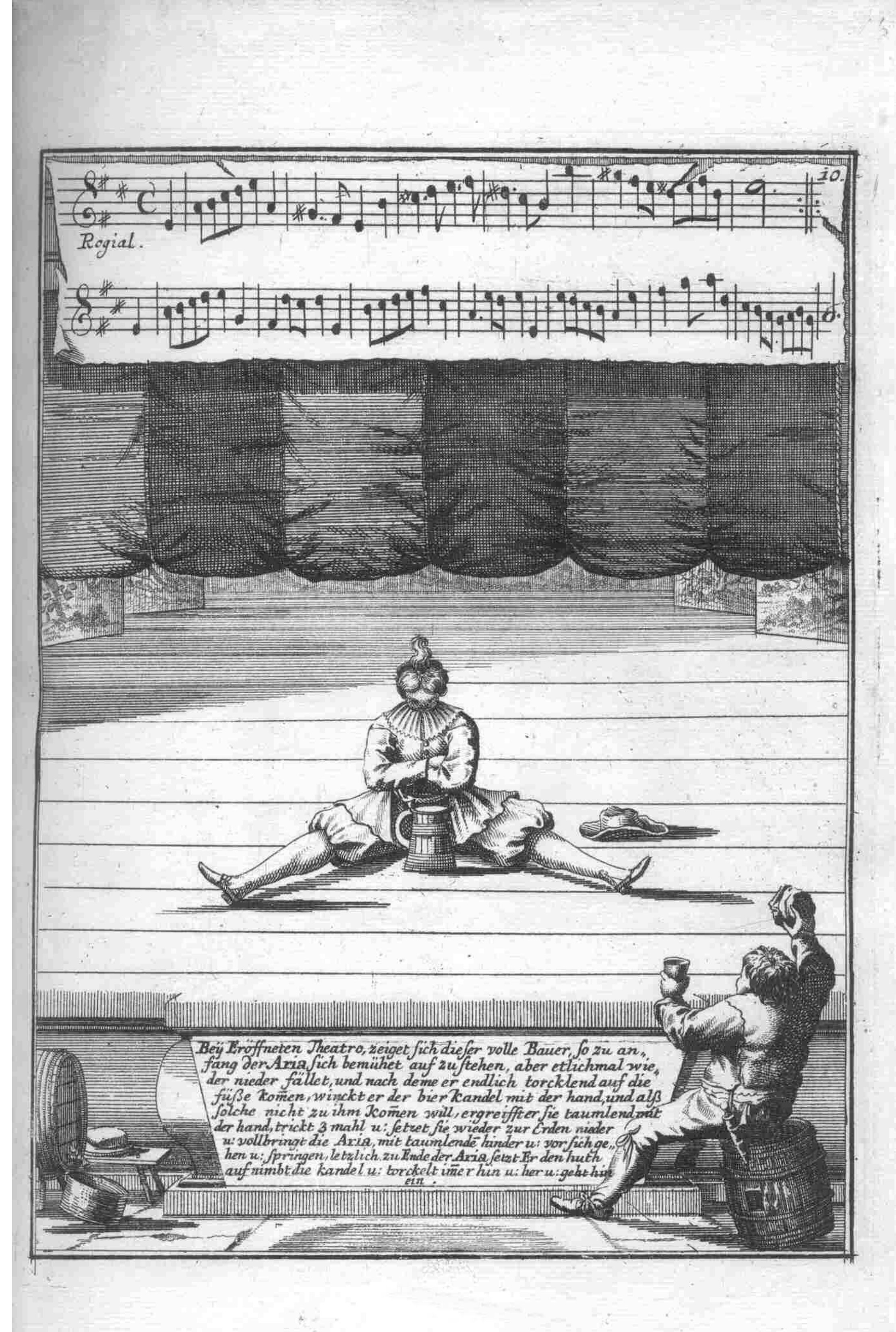
Acrobatic — Plate 9
Gregorio Lambranzi
Public Domain
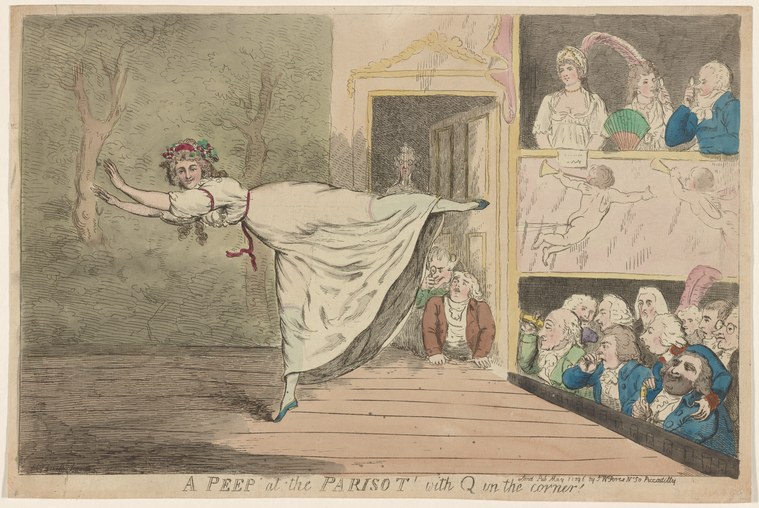
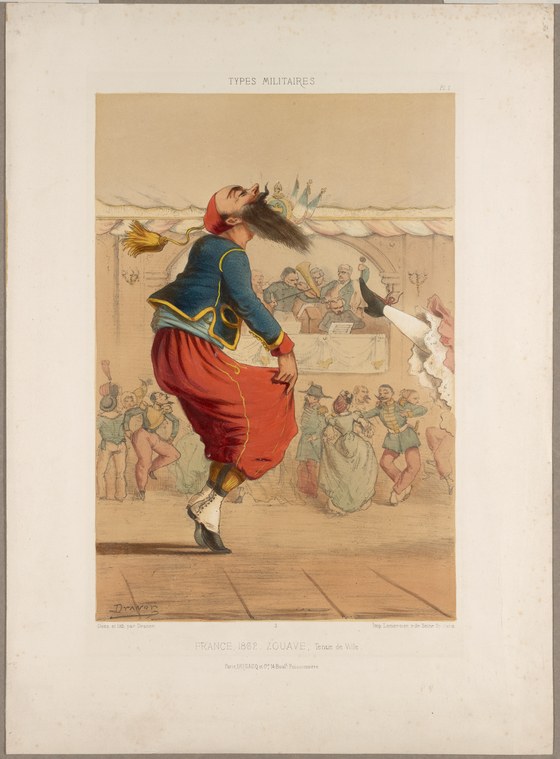
France, 1862, Zouave
Unknown artist
Public Domain
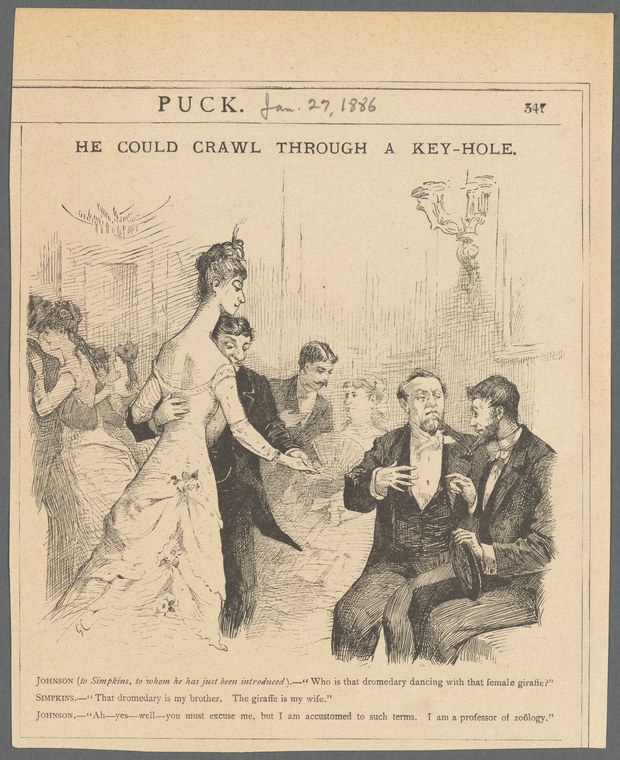
He could crawl through a key-hole
Unknown artist
Public Domain
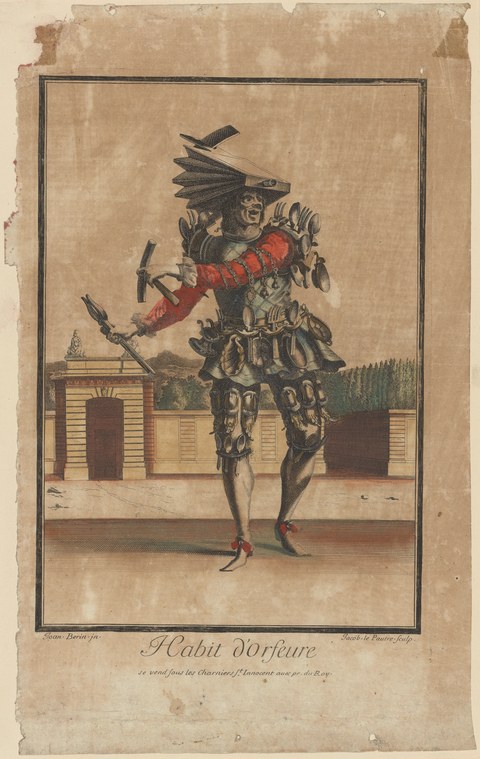
Habit d'orfevre
Unknown artist
Public Domain
Continue Exploring
Lineage of Dance
500 years of dance evolution
Champions of Dance
Winners of marquee national & world titles
Language of Dance
161 dance terms & translations
Listening of Dance
Tempo, timing & musicality tools
Gallery of Dance
5,700+ artworks from museum collections
Attire of Dance
Evolution of dance dress across eras
Keep the thread going
Dance history, technique, and the occasional rabbit hole — in your inbox. Thoughtful, infrequent, unsubscribe anytime.
Free. No spam. One click to leave.