Virginia Reel
Also known as: Virginia Reel, American Reel
- Origin
- Virginia
- Era
- 1750–1850
- Rhythm
- 2/2 time
- Tempo
- 120-160 BPM
- Character
- Spirited, progressive, educational, cultural
History & Cultural Context
The Virginia Reel emerged in colonial Virginia as a specific contra dance tradition with established figures. The dance became particularly associated with Virginia culture and is traditionally taught in American schools. The Virginia Reel remains popular in contemporary folk dance communities and continues to be taught in some educational contexts.
Cultural Significance
The Virginia Reel represents colonial American dance traditions and continues to be taught in schools and folk communities as part of American cultural heritage.
Signature Figures
- Forward & Back
- Allemande
- Circle
Notable Codifiers
- Virginia colonial tradition
Dance Lineage
Virginia Reel Playlists
Curated collections on the LODance YouTube channel — performances to watch, lessons to learn from, and the right music to practice with. Tap a collection to play.
▶ Performances · Open on YouTube →
Virginia Reel Music & Tempo
Drawn from 25 Virginia Reel tracks in the LODance music library.
Example tracks at practice tempo
- Turkey in the Straw — Traditional108 BPM
- Sir Roger de Coverley — Traditional English-American116 BPM
- Old Joe Clark — Traditional116 BPM
- Devil's Dream — Traditional120 BPM
- Ride Old Buck To Water — The Skillet-Lickers120 BPM
- Oh! Dem Golden Slippers — James A. Bland120 BPM
Who governs Virginia Reel
Federations, councils and examining bodies with a recorded role in this style. No single organisation can tell you this — each one knows only itself.
What to Wear
Attire guidance for Virginia Reel and other Historic American Contra dances. Each card below is sized to the moment — class, practice, social, or competition — because the wardrobe shifts as the stakes do.
Reading the cards
In Class
Very casual: T-shirt and comfortable pants, sneakers or dance shoes. Contra dance is deliberately low-barrier.
Social Dancing
Casual and inclusive. Jeans, sundresses, comfortable layers. Some dancers bring a change of shirt (it's aerobic). Skirts that twirl are popular but optional. No dress code enforcement.
Competition
Contra dance is non-competitive by tradition. Performance groups wear coordinated casual outfits.
Shoes
Any smooth-soled shoe that allows pivoting. No flip-flops. Dance sneakers, jazz shoes, or Keds-style flats are ideal. Avoid shoes with grippy rubber soles.
In Practice
Bring water and a change of shirt — contra runs aerobic. The community is genuinely casual; arriving overdressed reads as someone unfamiliar with the form.
Common Pitfalls
- ✗Rubber-soled sneakers — pivots become impossible.
- ✗Flip-flops or sandals without back straps — feet leave the shoe in fast figures.
Price Range
- Budget: Keds, jazz shoes, or dance sneakers $30–80; existing casual clothing.
- Mid: Dedicated dance sneakers $100–180; twirling skirts $40–100.
Quick Tips
- •Suede-soled shoes allow controlled sliding and pivoting — essential for most partner dances.
- •Avoid rubber soles on dance floors; they grip too much and can cause knee injuries.
- •Bring a separate pair of clean shoes for the dance floor to keep it in good condition.
Recommended Gear for Virginia Reel
Essential equipment and apparel selected for dancers learning Virginia Reel.

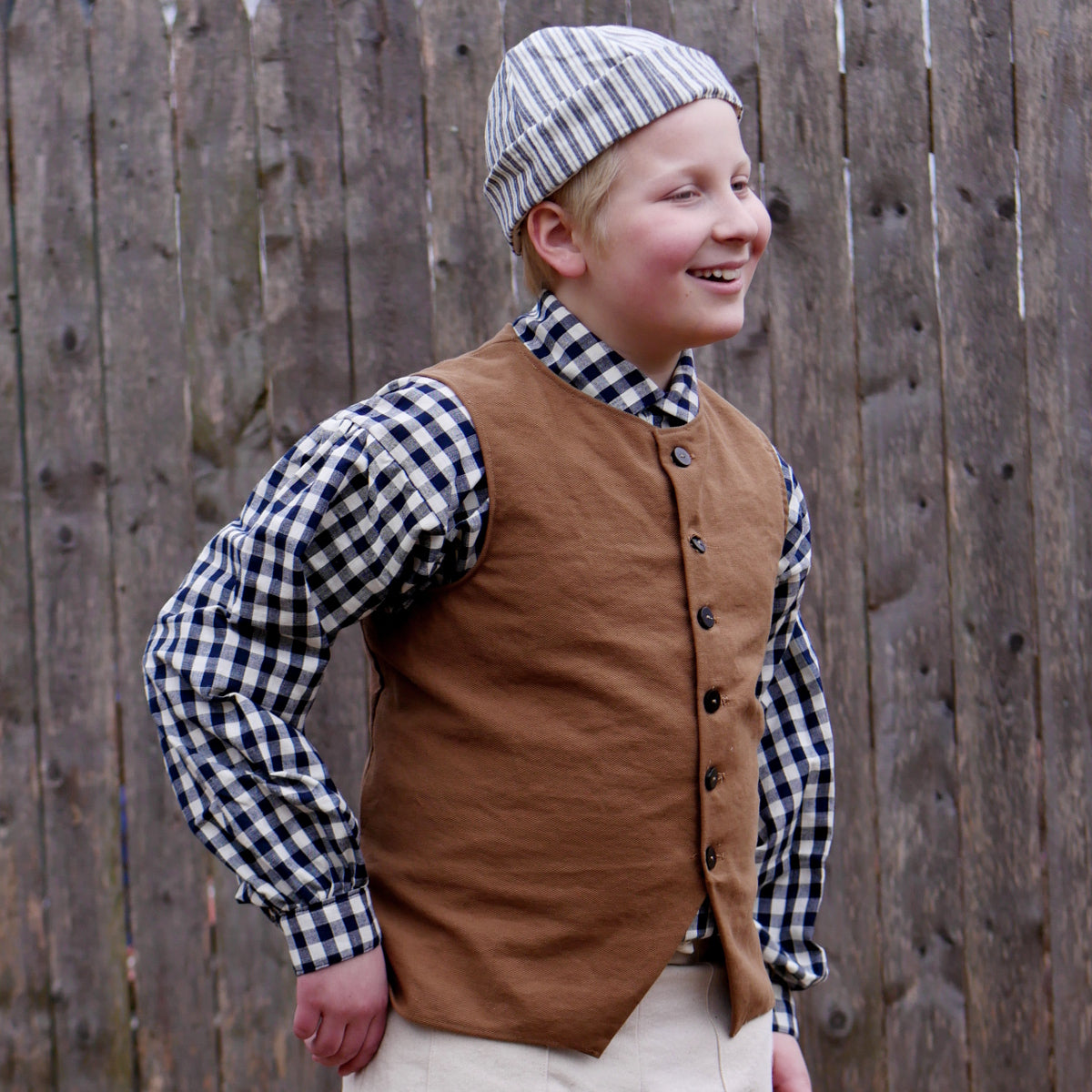


As an Amazon Associate, LODance earns from qualifying purchases. Affiliate disclosure
Sources & Further Reading
Where This Dance Is Documented
Early American collections; English country lineage
An editor's note on where the technique for this dance is actually written down — sometimes a named book, sometimes the fact that no such book exists. A judgement, not a count of what we hold.
Cultural & Historical Context
Virginia Reel emerged from Virginia during the 1750s—1850s. Understanding the cultural roots, musical traditions, and social circumstances of this era enriches appreciation for the dance's characteristics and significance.
Formative Influences
Codifiers & Standardizers:
Virginia colonial tradition
Signature Movement Vocabulary:
Forward & Back, Allemande, Circle
Primary Source Documents
The Library of Dance contains public-domain primary sources for dance history. Copyrighted modern syllabi are indexed with purchase links to their respective copyright owners. Search by dance name or codifier to discover primary source documents.
Last reviewed: October 2026 — This dance profile synthesizes historical research, cultural documentation, and contemporary practice knowledge to provide authoritative context.
Related Dances
More in Historic American Contra
Contra Dance
Contra dances were American adaptations of English country dances, performed in two parallel lines with caller direction, and remain popular in contemporary folk dance communities.
Square Dance
American square dances evolved from French quadrilles and English country dances, adapted to frontier life with caller direction and remaining central to American folk culture.
What did dancers wear?
Virginia Reel belongs to the Regency & Victorian (1800s) era. See how attire shaped the choreography — and the other way around.
Explore Regency & Victorian attire →Historic American Contra in art
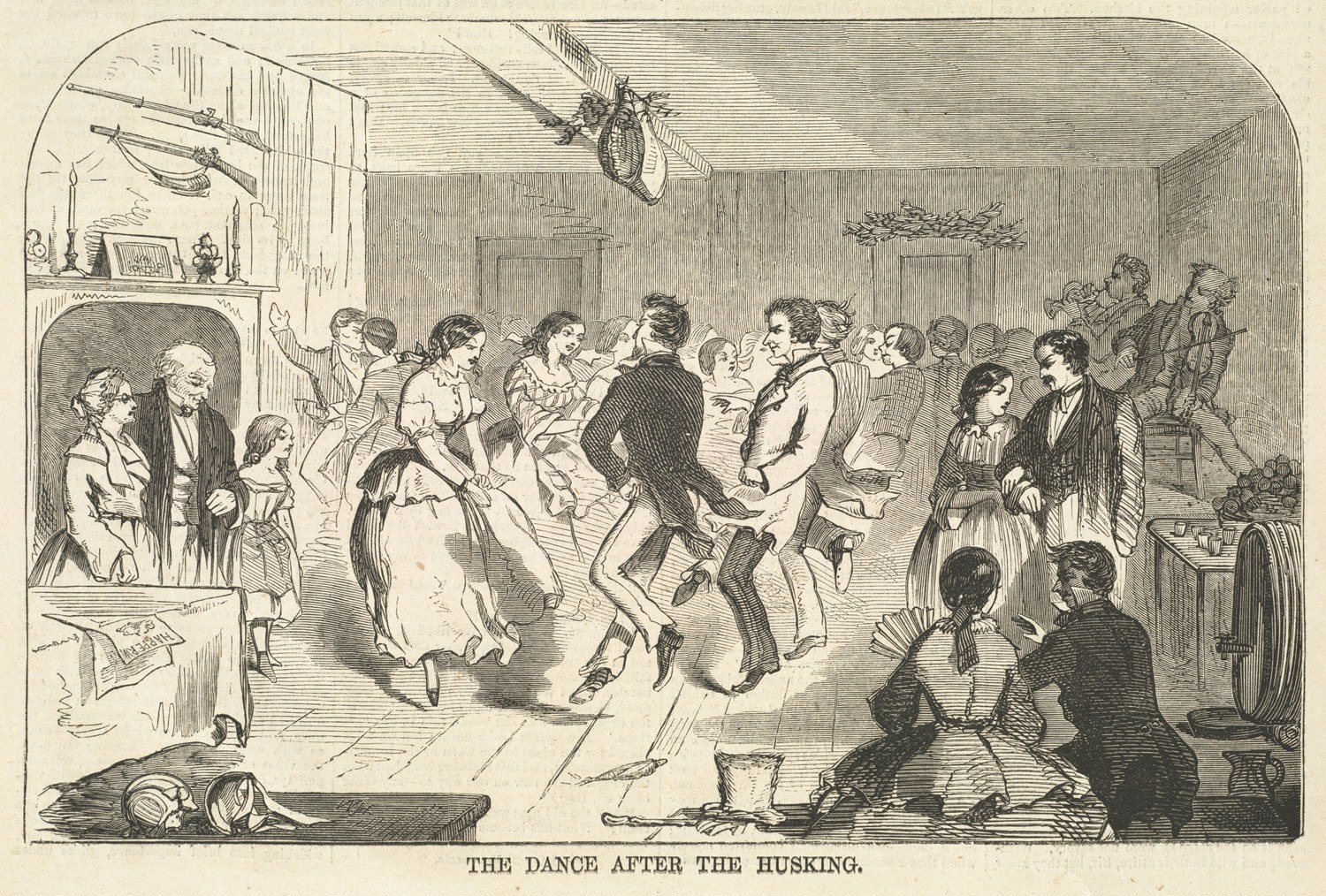
Browse the gallery →Works from the wider Historic American Contra tradition — we have not yet identified enough that depict Virginia Reel specifically.
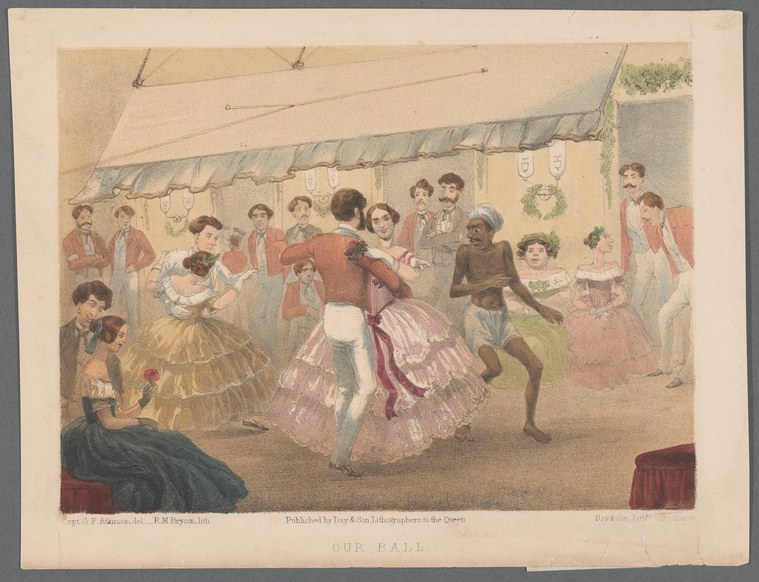
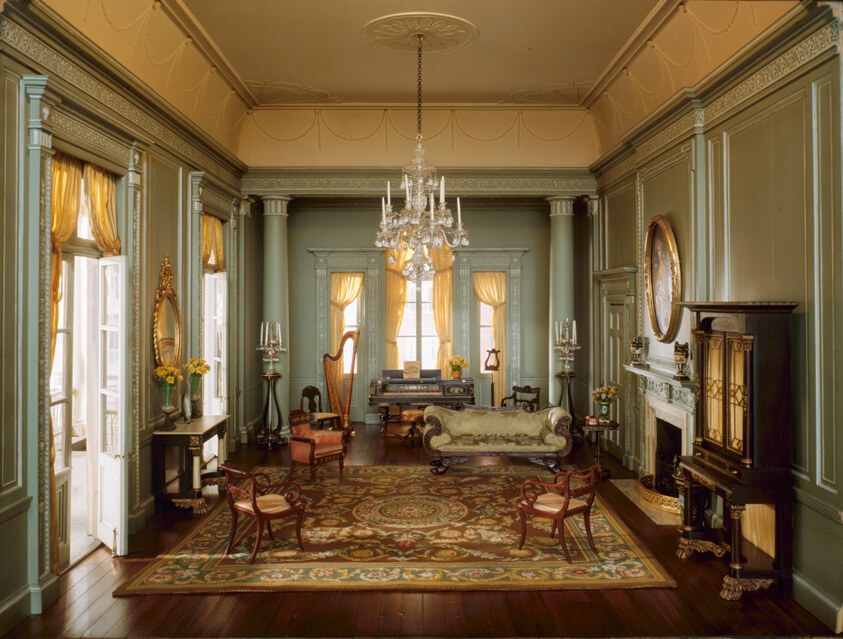
Our ball
Unknown artist
Public Domain
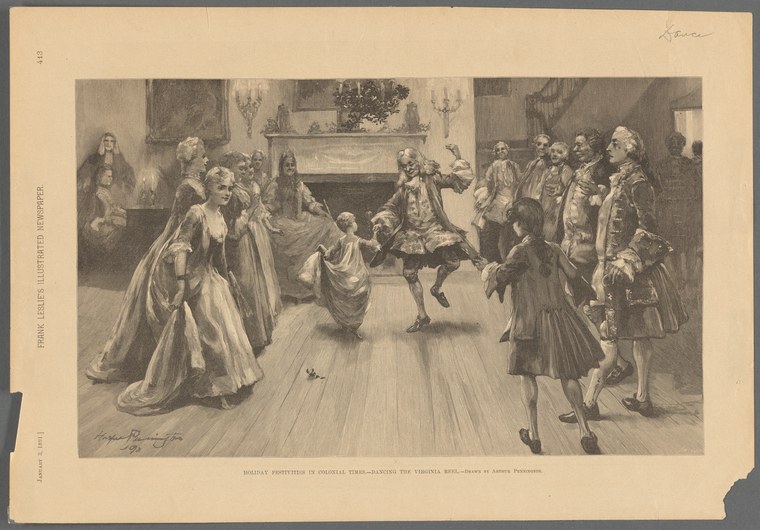
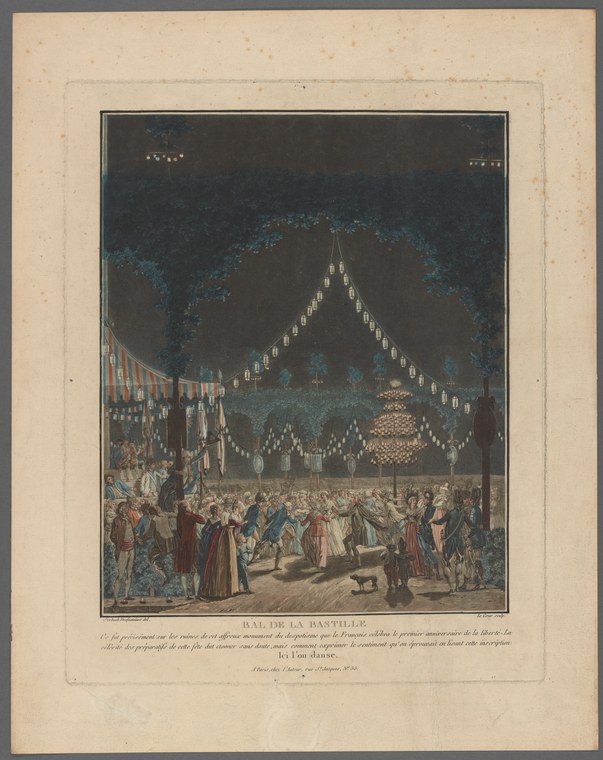
Bal de la Bastille
Unknown artist
Public Domain
Continue Exploring
Lineage of Dance
500 years of dance evolution
Champions of Dance
Winners of marquee national & world titles
Language of Dance
161 dance terms & translations
Listening of Dance
Tempo, timing & musicality tools
Gallery of Dance
5,700+ artworks from museum collections
Attire of Dance
Evolution of dance dress across eras
Keep the thread going
Dance history, technique, and the occasional rabbit hole — in your inbox. Thoughtful, infrequent, unsubscribe anytime.
Free. No spam. One click to leave.