Mevlevi Sema (Whirling Dervish)
History & Cultural Context
The Mevlevi Sema ceremony, commonly known as the Whirling Dervish ceremony, is a form of active meditation and worship (dhikr) practiced by the Mevlevi Order of Sufism, founded in Konya, Turkey by followers of the thirteenth-century poet and mystic Jalal al-Din Rumi. The ceremony centers on the semazen (whirling practitioner) spinning continuously in a counterclockwise direction with the right palm facing upward (receiving divine grace) and the left palm facing downward (channeling it to earth).
The Sema follows a precise ritual structure representing the spiritual journey of the soul toward truth and perfection (kemal). The ceremony begins with a eulogy to the Prophet Muhammad, followed by the sound of the ney (reed flute), which represents the divine breath. The semazen removes a black cloak (symbolizing the tomb of ego), revealing a white tennure (long skirt) that fans outward during the whirl. The spinning is not mere rotation — practitioners enter a meditative state where individual consciousness dissolves into divine love. UNESCO inscribed the Mevlevi Sema ceremony as a Masterpiece of the Oral and Intangible Heritage of Humanity in 2005.
Mevlevi Sema (Whirling Dervish) — In Depth
The Mevlevi Sema is the ceremonial whirling ritual of the Mevlevi (Mevleviye) Sufi order, popularly known in the West as the 'Whirling Dervishes.' Its spiritual source is Mevlana Jalal ad-Din Rumi (1207–1273), the Persian-language poet and mystic who lived and died in Konya, in Anatolia's former Sultanate of Rum. After Rumi's death the order was formally organized by his son Sultan Walad (Veled) together with Husameddin Chelebi, and its lodges (tekke/dergah) spread across the Ottoman Empire, where the order enjoyed sustained imperial patronage — the reign of Selim III is often described as its golden age. In 1925 the new Turkish Republic under Mustafa Kemal Atatürk banned Sufi orders and closed the lodges; the Konya dergah became the Mevlana Museum, and the Sema survived semi-privately before being revived from the 1950s as cultural heritage, culminating in UNESCO recognition.
Culturally the Sema is an act of worship — a form of dhikr, the remembrance of God — rather than a performance, though it is now widely presented publicly. Its most important annual occasion is the Şeb-i Arus ('Wedding Night'), held in Konya around 17 December, commemorating Rumi's death as his union or 'marriage' with the Divine; the festival draws pilgrims and visitors worldwide.
The ceremony is dense with symbolism. The semazen's costume encodes a death-and-rebirth theme: the tall camel-hair sikke represents the tombstone of the ego, the white tennure (skirt/robe) is the ego's shroud, and the black hırka cloak is the grave or worldly tomb, removed at the start to symbolize spiritual rebirth as the dervish is 'born' into truth. The ritual opens with the Na't-i Şerif, a eulogy praising the Prophet Muhammad, followed by a ney taksim (improvisation), a drum stroke evoking the divine command 'Be,' and the Devr-i Veledi, a processional walk with mutual greetings. The whirling then unfolds across four selams (salams), representing the progression of spiritual knowledge — from knowing God through learning, to vision/witnessing, to rapture, and finally to serene union and submission. Turning counter-clockwise around the heart, the dervish holds the right palm turned up to heaven to receive divine grace and the left turned down to earth to convey it to creation, revolving as all things in nature revolve.
Musically the Sema is carried by the ayin, the multi-section vocal-instrumental suite composed in the Ottoman makam and usul systems; the ney (reed flute) is its emblematic voice, joined by the kudüm (paired kettledrums) and, often, rebab, cymbals and chorus. Celebrated Mevlevi composers include Mustafa Itri and İsmail Dede Efendi. The tradition's central figures remain Rumi himself and his son Sultan Walad, and its heritage status is anchored by UNESCO's 2005 proclamation and 2008 inscription.
Sources: https://en.wikipedia.org/wiki/Mevlevi_Order ; https://ich.unesco.org/en/RL/mevlevi-sema-ceremony-00100 ; https://goturkiye.com/blog/mevlevi-ceremonies Also known simply as the Whirling Dervish ceremony.
Mevlevi Sema (Whirling Dervish) Playlists
Curated collections on the LODance YouTube channel — performances to watch, lessons to learn from, and the right music to practice with. Tap a collection to play.
▶ Performances · Open on YouTube →
Mevlevi Sema (Whirling Dervish) Music & Tempo
Drawn from 20 Mevlevi Sema (Whirling Dervish) tracks in the LODance music library.
Example tracks at practice tempo
- Son Taksim — Andelib
- Baş Taksim — Andelib
- Hicaz Ayini — Istanbul Sema Group Mevlevi Music Board
- Acemaşiran Son Peşrev Son Yürük Semai — Andelib
- Kur'an-ı Kerim — Andelib
- Post Taksimi — Andelib
Mevlevi Sema (Whirling Dervish) on screen
Films and television where Mevlevi Sema (Whirling Dervish) appears, with the sequences worth watching for.
 This site uses TMDB and the TMDB APIs but is not endorsed, certified, or otherwise approved by TMDB.
What to Wear
Attire guidance for Mevlevi Sema (Whirling Dervish) and other Global Middle Eastern dances. Each card below is sized to the moment — class, practice, social, or competition — because the wardrobe shifts as the stakes do.
Reading the cards
In Class
Comfortable, fitted clothing that shows hip movement. Hip scarves with coins are traditional for belly dance class. Stretchy pants and crop tops or fitted T-shirts.
Social Dancing
Belly dance performances: decorated costumes (bedlah) with beading and fringe. Social dabke and folk dance: comfortable street clothes.
Competition
Elaborate costumes — Egyptian-style cabaret, tribal fusion, or folkloric depending on category. Heavily beaded and embellished.
Shoes
Barefoot is traditional for belly dance. Foot undies or dance paws for stage performances. Folk forms (dabke): flat shoes or boots.
In Practice
Coin hip scarves are essentially audible feedback — beginners use them in every class. Crop tops or fitted tanks show the abdominal isolation an instructor needs to see.
Price Range
- Budget: Coin hip scarf $15–40; practice wear from existing wardrobe.
- Mid: Performance bedlah $200–700; tribal fusion costuming $300–1,000.
- Premium: Egyptian designer cabaret costumes (Bella, Pharaonics, Hanan) $1,200–5,000+.
Key Terms
- Bedlah
- The classic two-piece belly dance costume — embellished bra and belt with skirt or harem pants.
- Coin hip scarf
- Wrap with attached coins worn at the hips during practice; the audible feedback helps train precise hip articulation.
Quick Tips
- •Suede-soled shoes allow controlled sliding and pivoting — essential for most partner dances.
- •Avoid rubber soles on dance floors; they grip too much and can cause knee injuries.
- •Bring a separate pair of clean shoes for the dance floor to keep it in good condition.
Sources & Further Reading
Cultural & Historical Context
Mevlevi Sema (Whirling Dervish) emerged from Turkey during 1273—present day. Understanding the cultural roots, musical traditions, and social circumstances of this era enriches appreciation for the dance's characteristics and significance.
Primary Source Documents
The Library of Dance contains public-domain primary sources for dance history. Copyrighted modern syllabi are indexed with purchase links to their respective copyright owners. Search by dance name or codifier to discover primary source documents.
Last reviewed: October 2026 — This dance profile synthesizes historical research, cultural documentation, and contemporary practice knowledge to provide authoritative context.
Related Dances
More in Global Middle Eastern & Arab Classical & Folk
Raqs Sharqi (Belly Dance)
Fluid, undulating hip and torso movements; blends grace with strength; Turkish and Lebanese variations.
Tanoura
Egyptian folkloric dance derived from Sufi (Mevlevi) whirling; a dancer spins continuously in a wide, multicolored skirt. Performed at Sufi gatherings and as secular entertainment.
Dabke
Levantine line dance performed in linked lines and semicircles, with synchronized stamping footwork; part of the shared cultural landscape of Lebanon, Syria, Jordan, Palestine, and Iraq.
Khaleegy
Traditional dance of the Arabian Gulf region.
Ardah
Traditionally performed by sword-wielding men in lines; celebration of martial prowess.
Guedra
Trance-inducing desert dance with hand movements followed by head and torso swinging.
Halay
Turkish folk circle dance performed at celebrations.
Horon
Turkish Black Sea region folk dance tradition.
Zeybek
Solo Turkish male folk dance showing off athletic prowess.
Mevlevi Sema (Whirling Dervish) in art
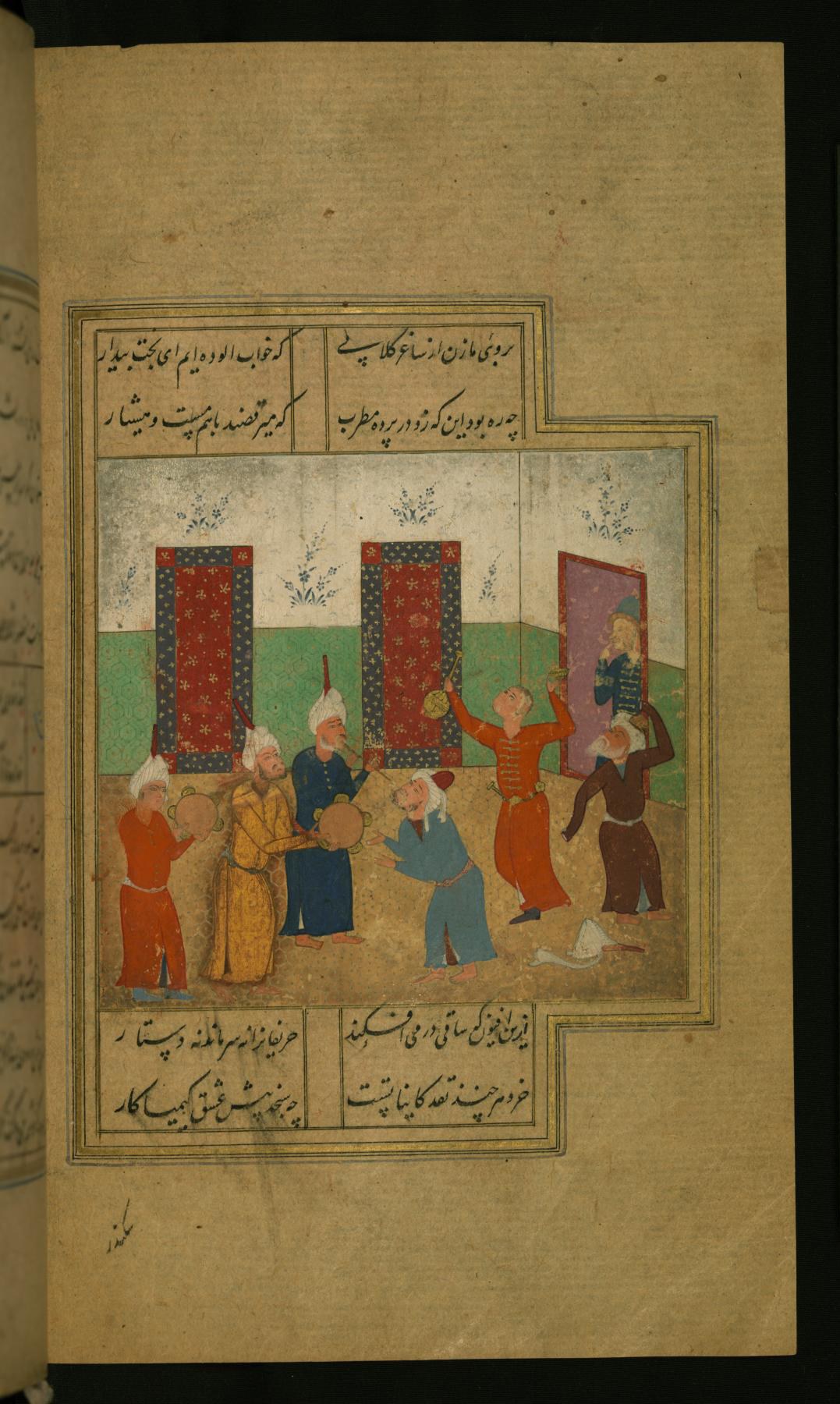
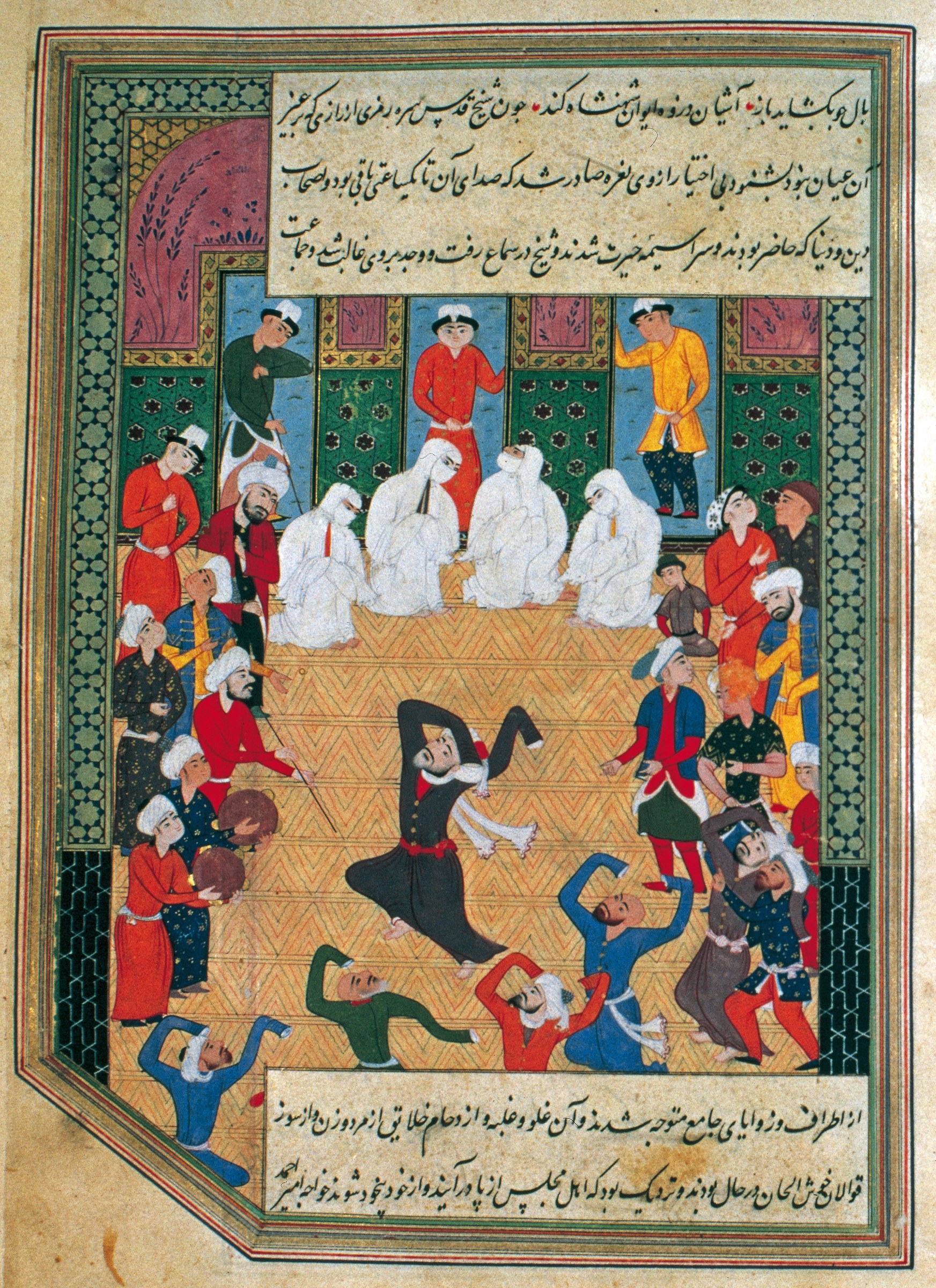
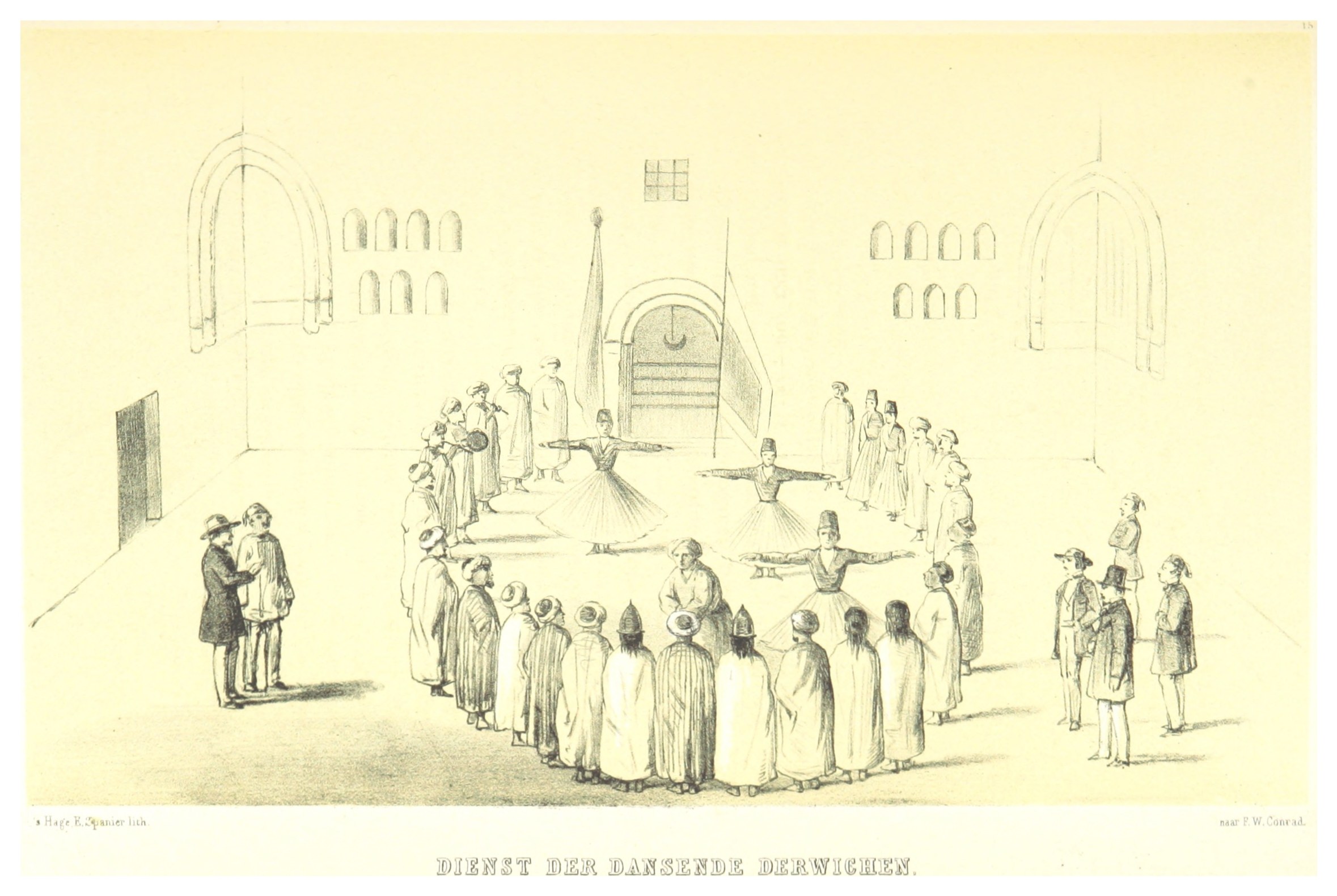
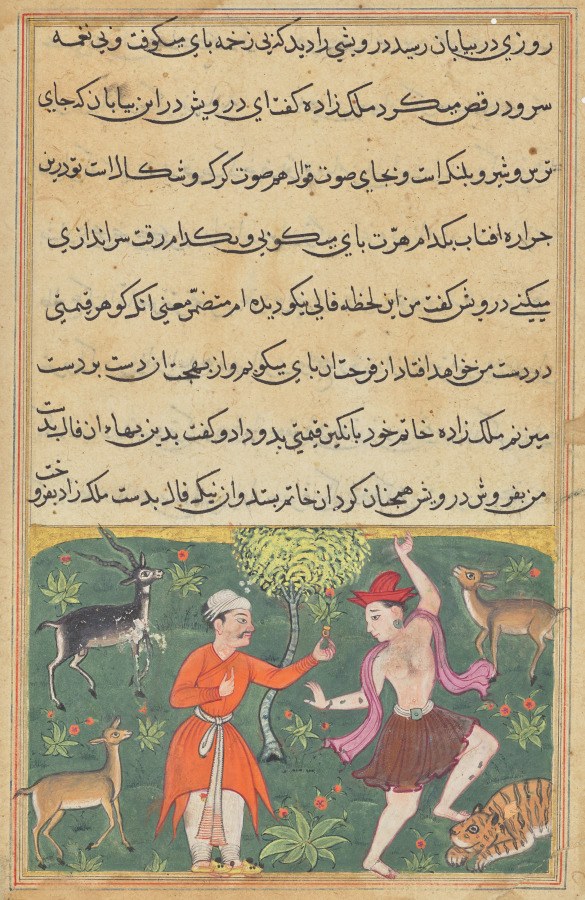
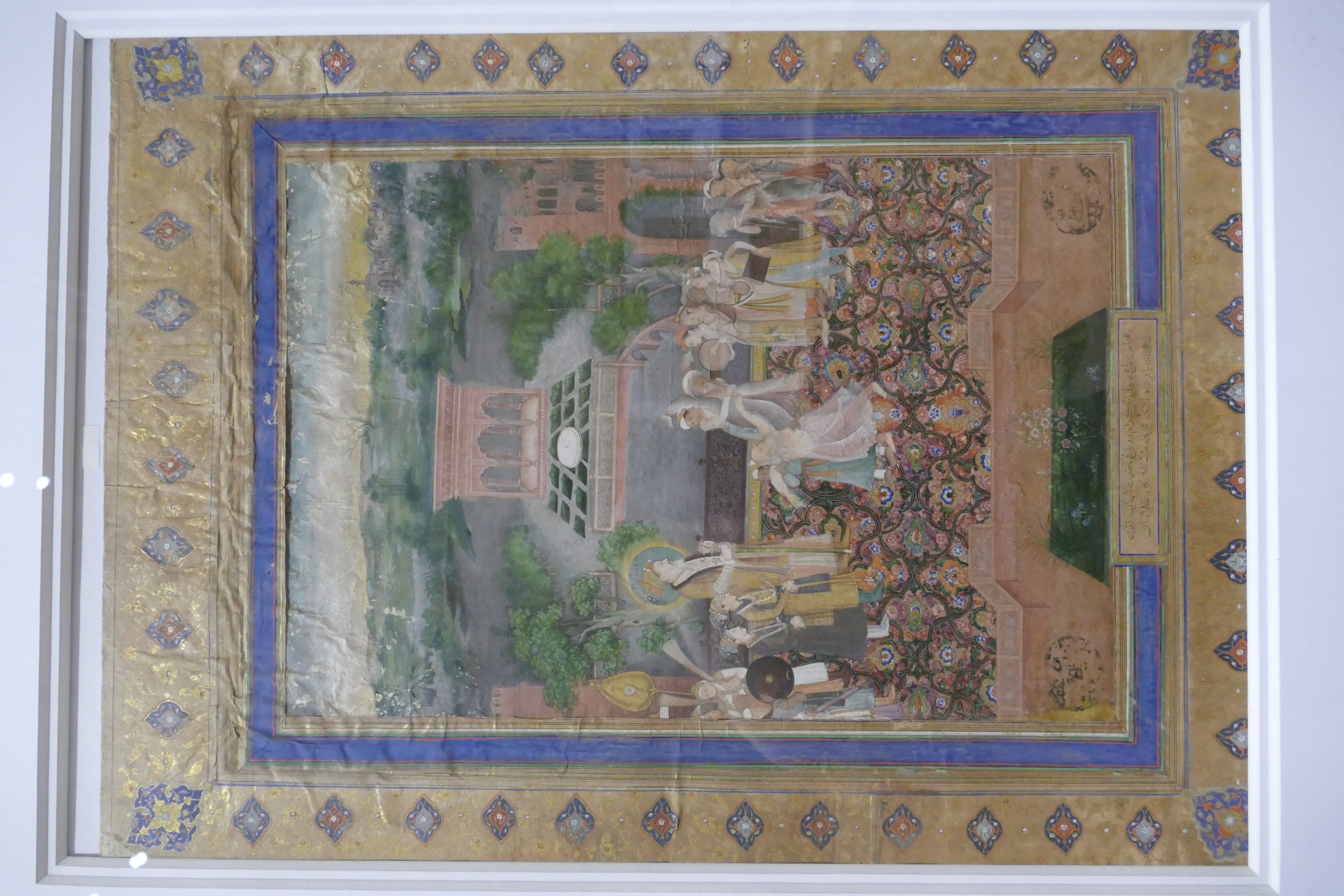
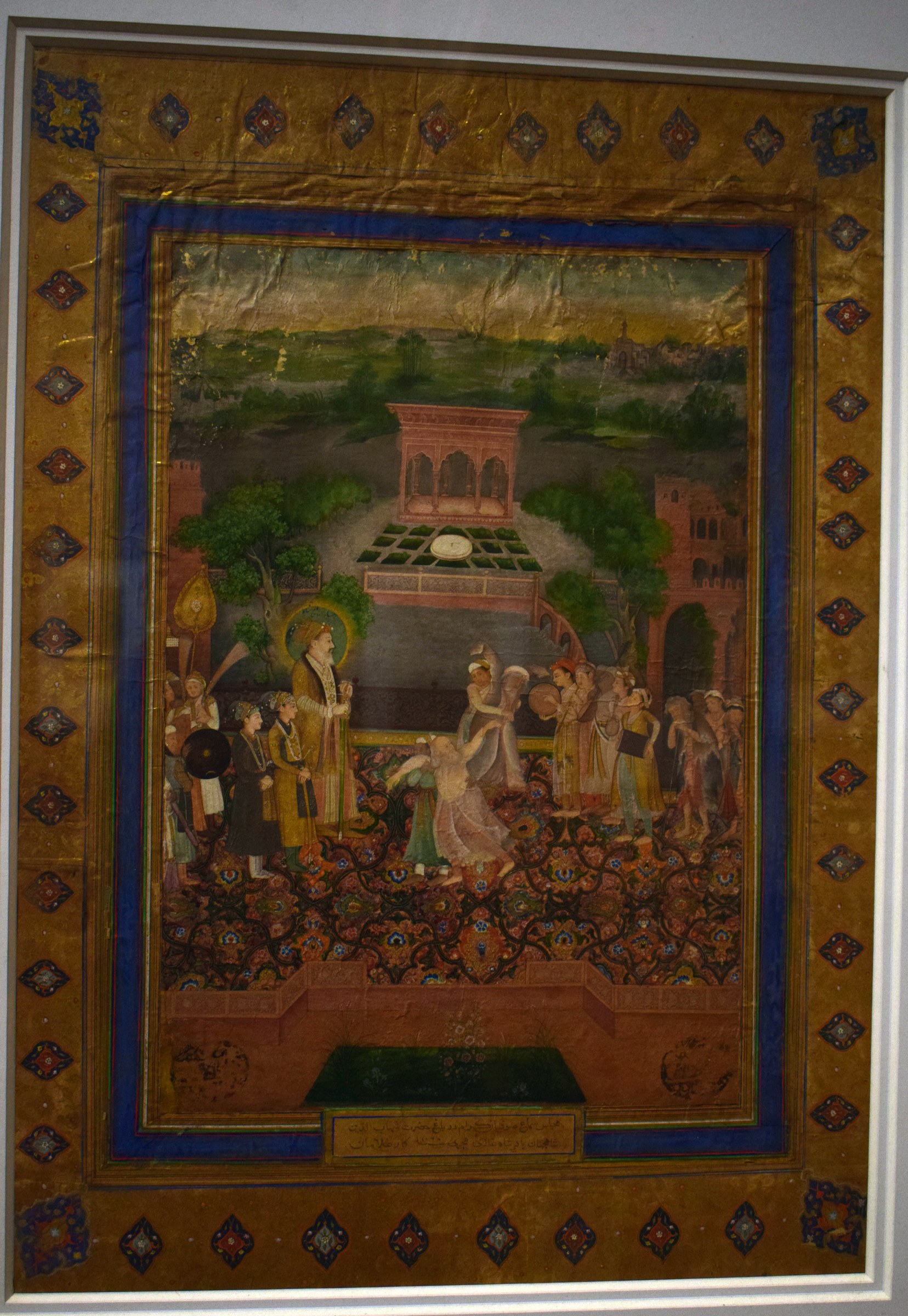
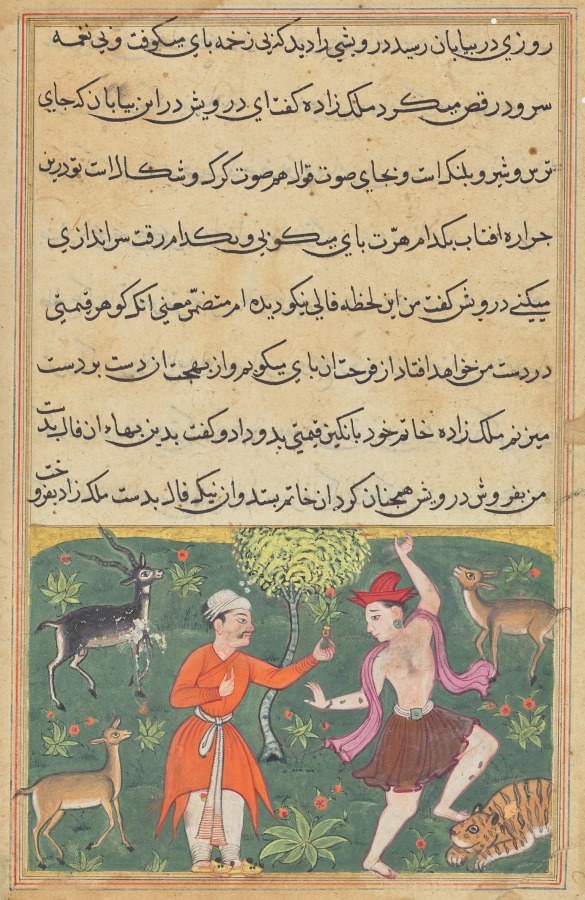
Browse the gallery →Works our catalogue identifies as depicting mevlevi sema (whirling dervish).
Continue Exploring
Lineage of Dance
500 years of dance evolution
Champions of Dance
Winners of marquee national & world titles
Language of Dance
161 dance terms & translations
Listening of Dance
Tempo, timing & musicality tools
Gallery of Dance
5,700+ artworks from museum collections
Attire of Dance
Evolution of dance dress across eras
Keep the thread going
Dance history, technique, and the occasional rabbit hole — in your inbox. Thoughtful, infrequent, unsubscribe anytime.
Free. No spam. One click to leave.