Liturgical & Praise Dance
Also known as: Praise dance, Worship dance, Mime ministry, Flag/banner ministry
- Origin
- United States (and global Christian worship)
- Era
- 1900–Present
- Rhythm
- Gospel / worship music
- Tempo
- Varies
- Character
- Devotional, expressive, reverent
History & Cultural Context
Liturgical and praise dance is movement offered as Christian worship. With deep scriptural and historical roots, it was revived and formalized in modern congregations—especially in Black American churches—through praise dance, mime ministry, processional/liturgical dance, and flag and banner ministry. The intent is devotional: the dance interprets scripture, gospel music, and prayer as an offering rather than entertainment.
Cultural Significance
A worship practice for participating communities; the meaning is spiritual offering, not performance.
Characteristic Movement & Technique
Expressive gesture, processional movement, mime interpretation, and flag/banner work timed to worship music.
Partnering Dynamics
Solo and ensemble (ministry).
Competitive Context
Performed in services and worship gatherings; some praise-dance showcases and competitions exist.
Regional Variations
Denominational and congregational styles.
Common Misconceptions
Praise dance is an act of worship within a faith community, not a secular dance genre; it should be framed as religious practice first.
Liturgical & Praise Dance Music & Tempo
Drawn from 24 Liturgical & Praise Dance tracks in the LODance music library.
Example tracks at practice tempo
- Praise Is What I Do (Live) — William Murphy98 BPM
- Take Me to the King (feat. Kirk Franklin) — Tamela Mann115 BPM
- Believe For It (Live) — CeCe Winans79 BPM
- Every Praise — Hezekiah Walker104 BPM
- No Weapon (Psalm 27:3) — Fred Hammond & Radical for Christ78 BPM
- In the Sanctuary (Live) — Kurt Carr & The Kurt Carr Singers111 BPM
Sources & Further Reading
Cultural & Historical Context
Liturgical & Praise Dance emerged from United States (and global Christian worship) during the 1900s—present day. Understanding the cultural roots, musical traditions, and social circumstances of this era enriches appreciation for the dance's characteristics and significance.
Primary Source Documents
The Library of Dance contains public-domain primary sources for dance history. Copyrighted modern syllabi are indexed with purchase links to their respective copyright owners. Search by dance name or codifier to discover primary source documents.
Last reviewed: September 2026 — This dance profile synthesizes historical research, cultural documentation, and contemporary practice knowledge to provide authoritative context.
More in Sacred & Ceremonial Dance
Hula Kahiko
The ancient, sacred form of Hawaiian hula—grounded, powerful movement performed to chant (oli) and traditional percussion, narrating genealogy and the gods.
Hula ʻAuana
The modern, post-contact form of Hawaiian hula—softer, melodic movement performed to string-band music and song while preserving traditional storytelling.
Native American Intertribal (Powwow)
Living gathering tradition of powwow dancing across many distinct Native nations, with drum-led songs, regalia-specific styles, and intertribal categories.
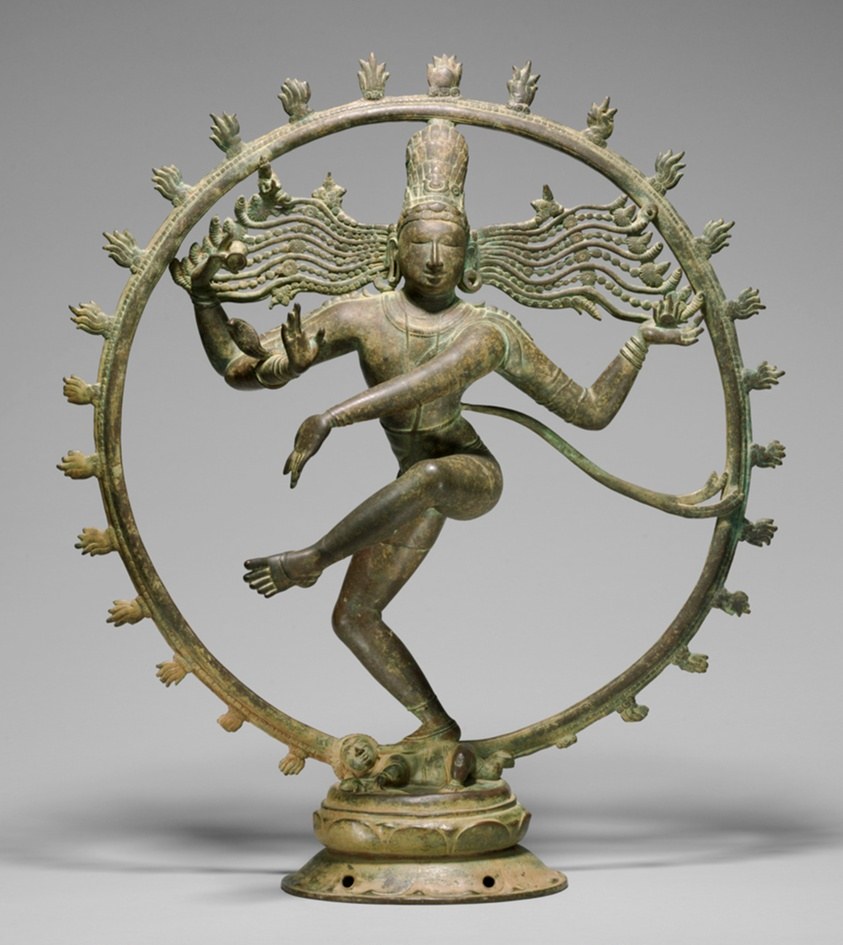
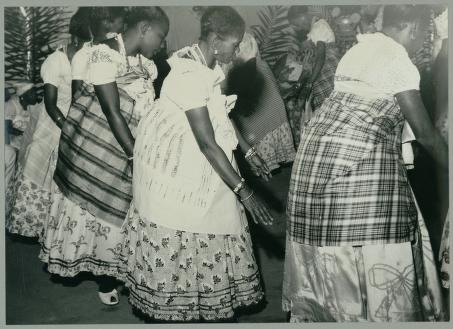
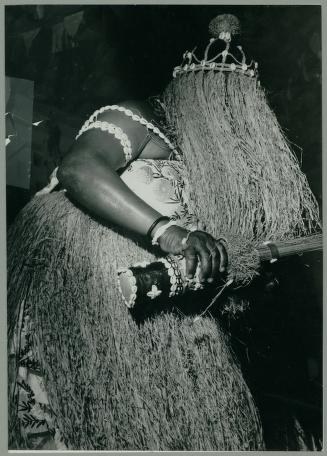
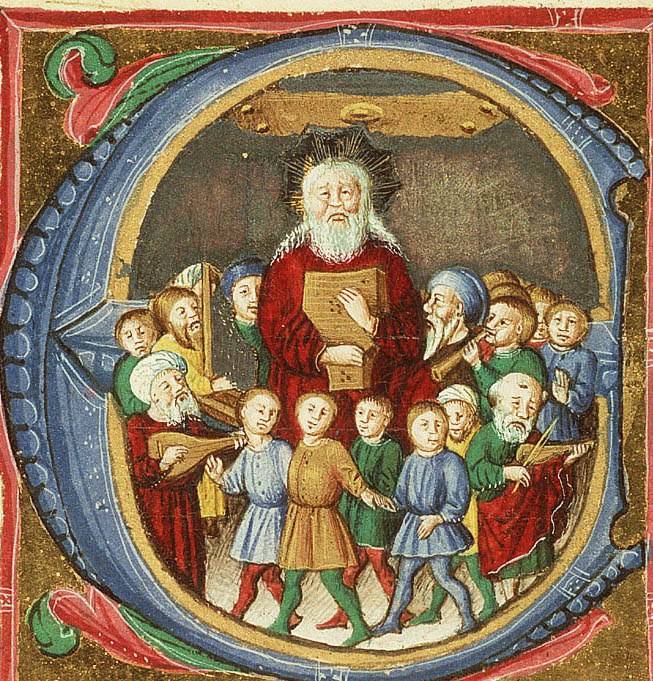
Liturgical & Praise Dance in art
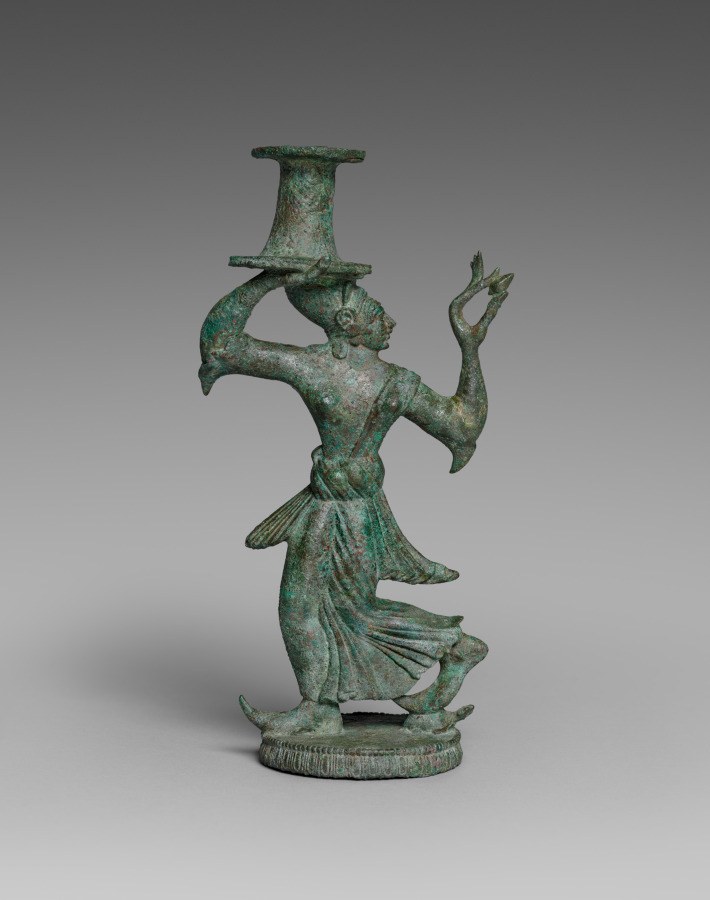
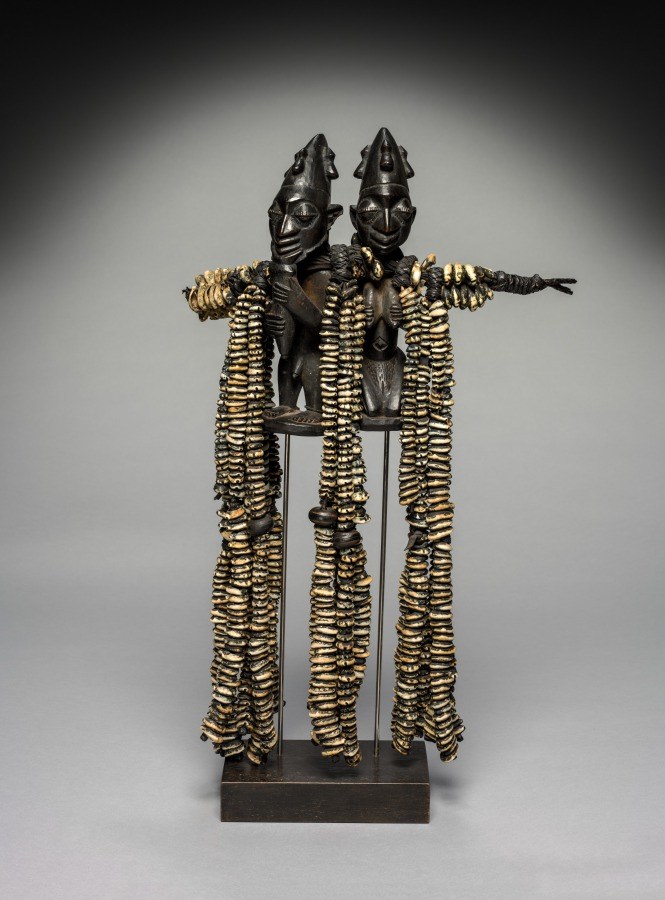
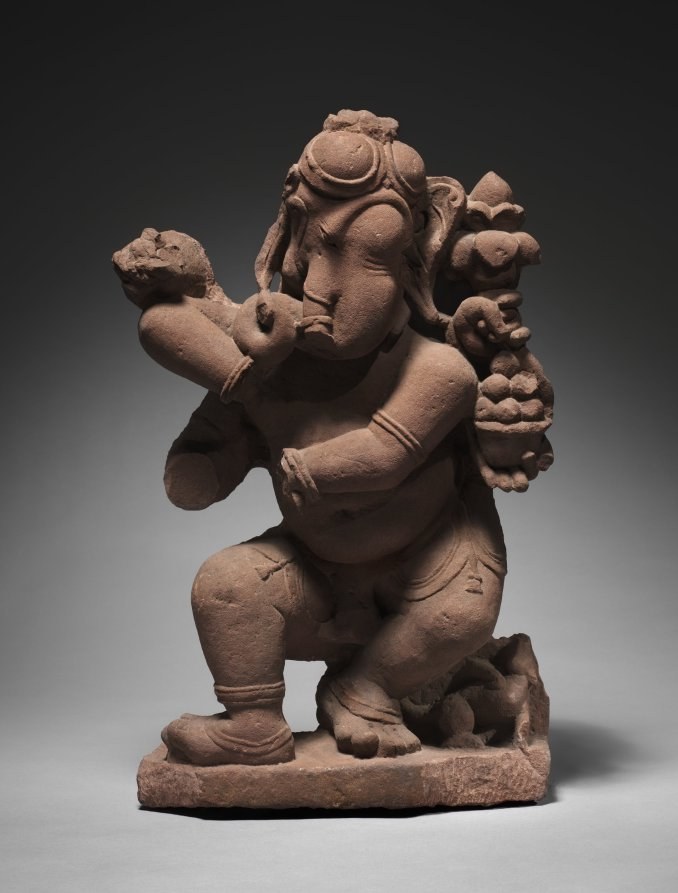
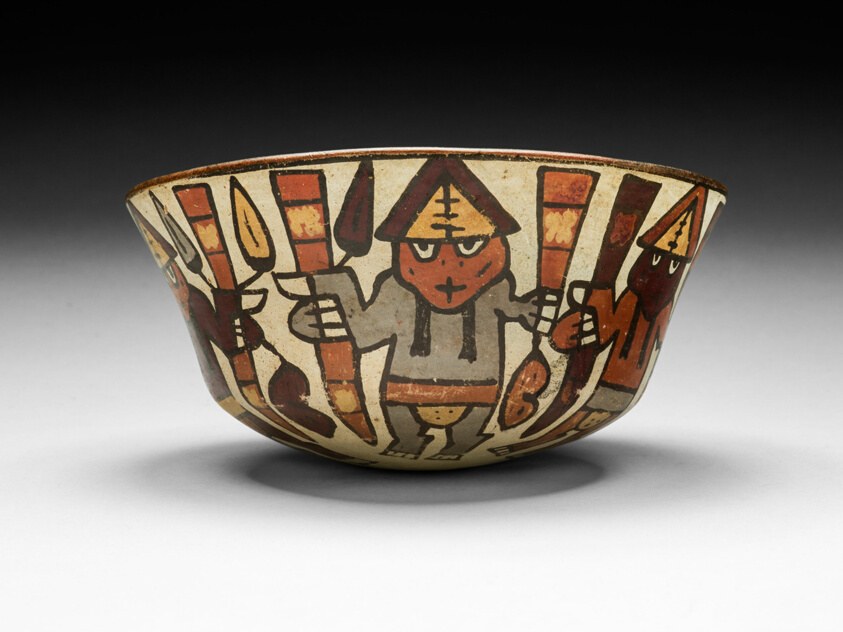
Browse the gallery →Works our catalogue identifies as depicting liturgical & praise dance.
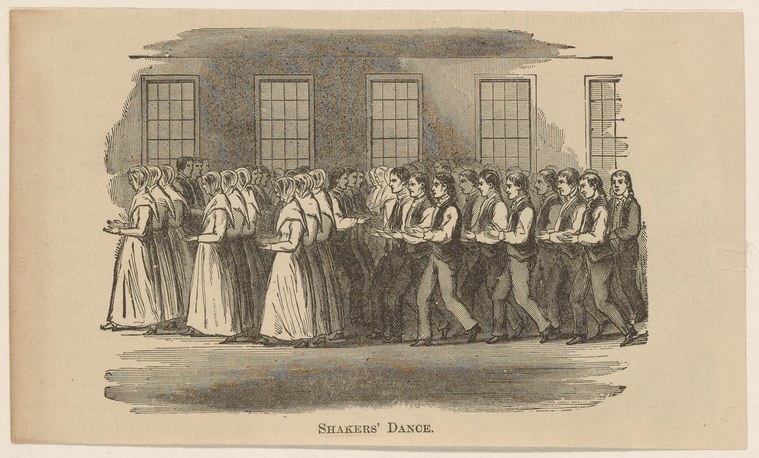
Shakers' dance
Unknown artist
public_domain
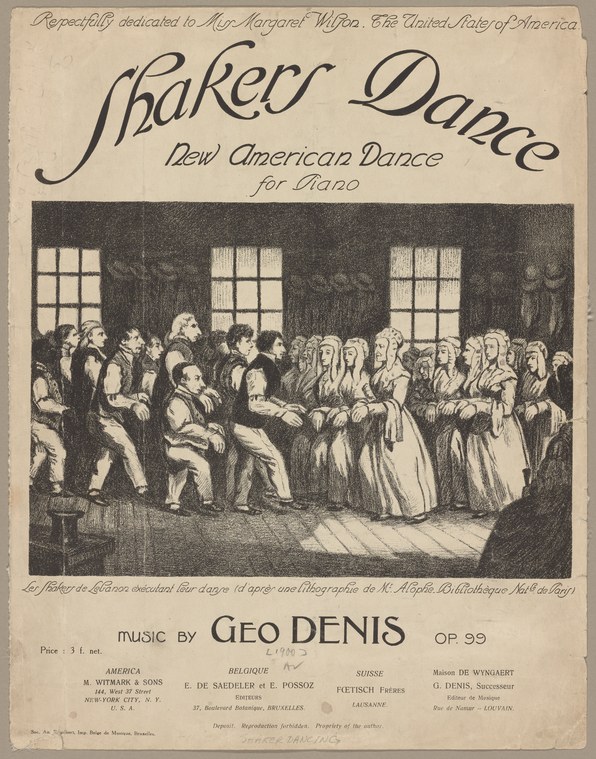
Shakers dance
Unknown artist
public_domain
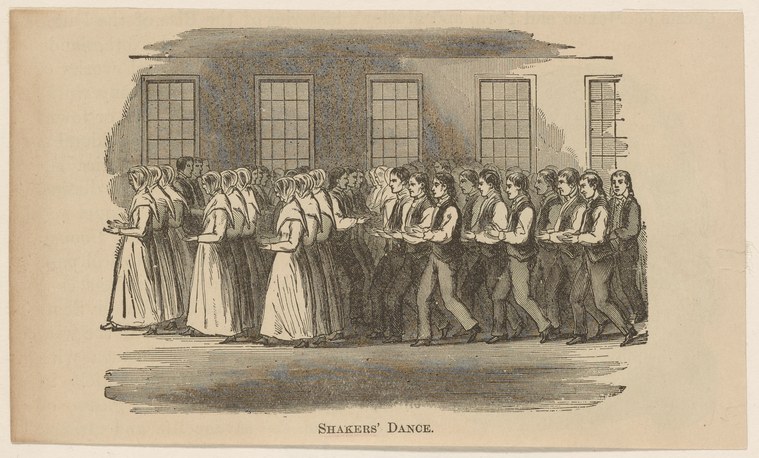
Shakers' dance
Unknown artist · 2019
public_domain
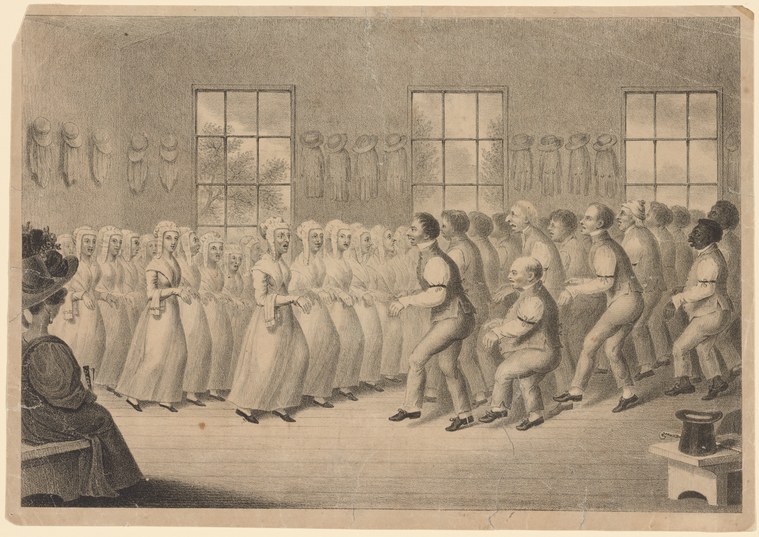
Shaker dancing
Unknown artist · 2019
public_domain
Continue Exploring
Lineage of Dance
500 years of dance evolution
Champions of Dance
Winners of marquee national & world titles
Language of Dance
161 dance terms & translations
Listening of Dance
Tempo, timing & musicality tools
Gallery of Dance
5,700+ artworks from museum collections
Attire of Dance
Evolution of dance dress across eras
Keep the thread going
Dance history, technique, and the occasional rabbit hole — in your inbox. Thoughtful, infrequent, unsubscribe anytime.
Free. No spam. One click to leave.