Jig
Also known as: Jigg, Double jig, Single jig, Slip jig, Treble jig, Heavy jig
- Origin
- Ireland and Scotland, with a related earlier English usage
- Era
- 1550–1700
- Rhythm
- 6/8 for the double and single jig, 9/8 for the slip jig, 12/8 for the treble jig; compound duple or triple throughout
- Tempo
- Roughly 70-125 BPM depending on type; the treble jig is danced markedly slower than the light jig
- Character
- buoyant, springing, rhythmic, energetic, precise, lilting
History & Cultural Context
The term appears in England in the sixteenth century, attached both to lively dances and to the Elizabethan stage jig, a sung and danced comic afterpiece, and its etymology is contested; the relationship between that English usage and the Irish and Scottish dances is not a simple line of descent. In Ireland the jig became the core of solo step dancing, organised by meter and footwear: the double jig in 6/8 and the single jig in soft shoes, the slip jig in 9/8 with its long lifted phrases, and the treble or heavy jig danced slowly in hard shoes so that each beat can be filled with sound. Musically the compound pulse — two or three groups of three eighth notes — is what distinguishes the family, and it is the same rhythmic idea the Baroque gigue borrowed from, though the court form went its own way. Travelling Irish dancing masters in the eighteenth and nineteenth centuries taught set step sequences to jig tunes and spread a standardised vocabulary through the countryside, and emigration carried the same material to Britain, North America and Australia. On the American minstrel and variety stage jig came to mean almost any hard-shoe percussive dance, a usage that fed into vaudeville and carried a racial charge that the word has never fully lost.
Cultural Significance
The jig was social and domestic before it was competitive — danced at house dances, weddings, wakes and crossroads gatherings wherever a fiddler or piper could be found. The dancing masters made it a taught skill with prestige attached, and from the twentieth century onward the competitive feis system made it a childhood discipline for large numbers of Irish and diaspora families. In America the word became entangled with blackface performance, where jig dancing was staged as caricature, and that history sits alongside the Irish tradition rather than being part of it.
Characteristic Movement & Technique
The light jig is danced on the toes with strong elevation, the knees turned out and the free leg crossing in front, so that the dance reads as a series of springs and hops on a compound pulse. The slip jig uses longer, more sustained travelling steps with rises and points that stretch across its nine beats. The treble jig moves the whole thing into hard shoes at a slow tempo and fills the beats with trebles, heel clicks and stamps, so that power and sound clarity replace elevation as the object. Across all of them the modern competitive style holds the arms straight at the sides and the torso still, which throws all the attention onto the legs and feet.
Partnering Dynamics
Primarily a solo dance in its Irish competitive and display forms. Jig tunes also accompany group set dancing and céilí figures, and in Scottish and English country dance a jig is a tune type that any number of couples may dance to in formation.
Competitive Context
Jigs are core competition dances at feiseanna under An Coimisiún le Rincí Gaelacha and the other Irish dancing organisations, with the light jig, single jig, slip jig and treble jig each danced at prescribed tempos and step counts. The slip jig is in most competitive contexts restricted to female dancers, a convention of the grading system rather than anything inherent to the dance. Judging weighs timing, turnout, elevation, carriage and, in hard shoe, the clarity of each sound.
Regional Variations
Irish jigs are the most elaborated and the most codified. Scottish jigs function mainly as country-dance and solo tune types, danced with Highland or country-dance technique rather than Irish step vocabulary. Older Irish regional styles differ sharply from the competitive standard — the sean-nós dancing of Connemara stays low, loose and improvised, with relaxed arms and no fixed sequence, which is much closer to how jigs were danced before the competitive era.
Common Misconceptions
Jig is not a synonym for any fast Irish dance; it names a specific compound meter, and reels and hornpipes are different animals. Nor is it always in 6/8 — the slip jig's 9/8 is fully part of the family. The still upper body and rigid arms are also often taken as ancient and explained by stories about clerical disapproval; they are a later convention of the competitive and dancing-master tradition, and older vernacular styles used the arms freely.
Signature Figures
- Rise and grind
- Trebles
- Sevens and threes
- Battering step
- Point and cross
Notable Codifiers
- An Coimisiún le Rincí Gaelacha (the Irish Dancing Commission)
Jig Playlists
Curated collections on the LODance YouTube channel — performances to watch, lessons to learn from, and the right music to practice with. Tap a collection to play.
▶ Performances · Open on YouTube →
Jig Music & Tempo
Drawn from 34 Jig tracks in the LODance music library.
Example tracks at practice tempo
- The Star Above the Garter @ 108 bpm — Free Fiddle Lessons
- Tartan Storm — Michael Jewell
- Green Shores — Dave Hab
- Pipe and Pint — Doug Wood
- March of Brian Boru — Dave Hab
- Banish Misfortune — Nava
Who governs Jig
Federations, councils and examining bodies with a recorded role in this style. No single organization can tell you this — each one knows only itself.
Sources & Further Reading
Where This Dance Is Documented
An Coimisiun syllabi; Ar Rinncidhe Foirne (ceili)
An editor's note on where the technique for this dance is actually written down — sometimes a named book, sometimes the fact that no such book exists. A judgment, not a count of what we hold.
Cultural & Historical Context
Jig emerged from Ireland and Scotland, with a related earlier English usage during the 1550s—1700s. Understanding the cultural roots, musical traditions, and social circumstances of this era enriches appreciation for the dance's characteristics and significance.
Formative Influences
Codifiers & Standardizers:
An Coimisiún le Rincí Gaelacha (the Irish Dancing Commission)
Signature Movement Vocabulary:
Rise and grind, Trebles, Sevens and threes, Battering step, Point and cross
Primary Source Documents
The Library of Dance contains public-domain primary sources for dance history. Copyrighted modern syllabi are indexed with purchase links to their respective copyright owners. Search by dance name or codifier to discover primary source documents.
Last reviewed: October 2026 — This dance profile synthesizes historical research, cultural documentation, and contemporary practice knowledge to provide authoritative context.
Related Dances
More in Irish Step Dance
Sean-nós Dance
The older, improvised Irish solo step style—low to the floor, with relaxed arms and strong personal groove—surviving especially in the western Gaeltacht.
Competitive Irish Step Dance
The standardized, rigid-armed solo style codified through the Gaelic League and An Coimisiún le Rincí Gaelacha (1927), competed in the global feis system in soft and hard shoes.
Theatrical Irish Step (Riverdance era)
The theatrical hard-shoe spectacle—line ensembles, amplified rhythm, and staged production—popularized worldwide by Riverdance from 1994 and its successors.
Hornpipe
A solo percussive dance in duple time, closely tied to a tune type of the same name and strongly associated with sailors through its long life on the theatrical stage. It is one of the three principal hard-shoe dances in Irish step dancing and the rhythmic basis of English clog. Its dotted, swung rhythm gives it a distinctly heavier and more deliberate feel than a reel.
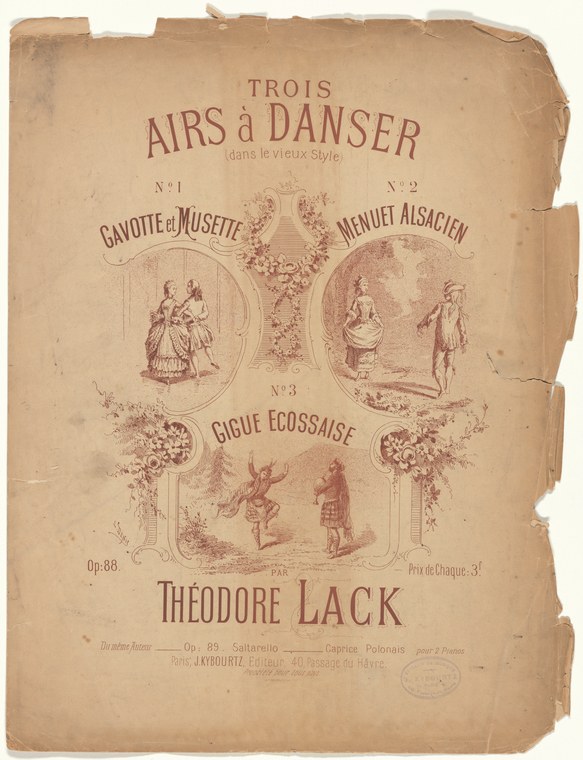
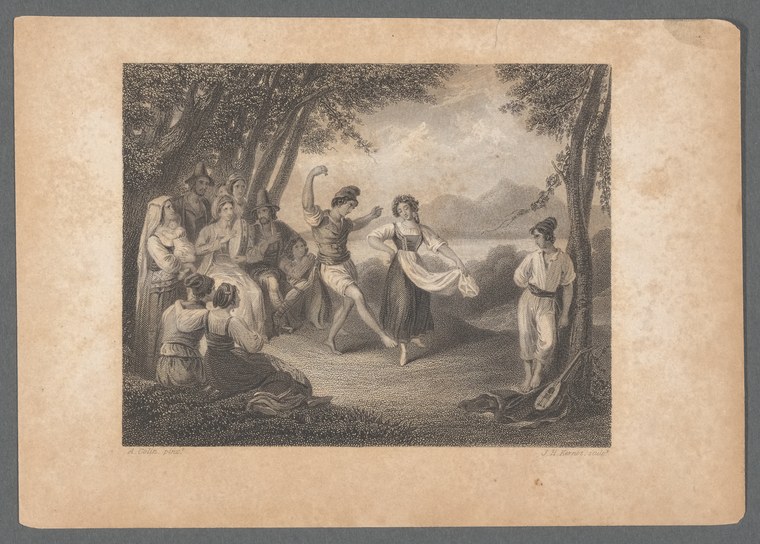
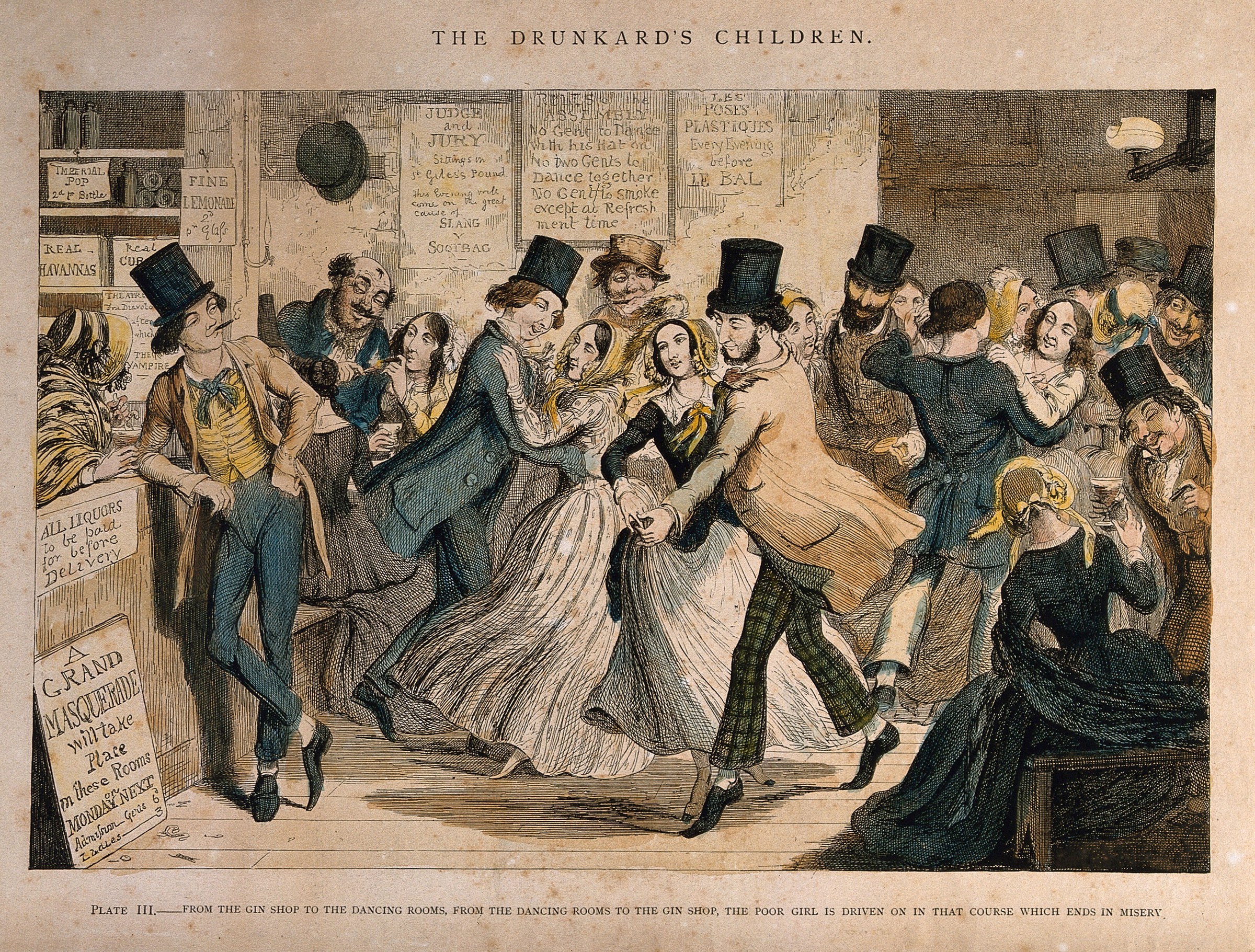
Jig in art
Browse the gallery →Works our catalog identifies as depicting jig.
Continue Exploring
Lineage of Dance
500 years of dance evolution
Champions of Dance
Winners of marquee national & world titles
Language of Dance
161 dance terms & translations
Listening of Dance
Tempo, timing & musicality tools
Gallery of Dance
5,700+ artworks from museum collections
Attire of Dance
Evolution of dance dress across eras
Keep the thread going
Dance history, technique, and the occasional rabbit hole — in your inbox. Thoughtful, infrequent, unsubscribe anytime.
Free. No spam. One click to leave.